
Dodge Viper RT/10 Cabriolet Red Minichamps 1:43
Price:
37.00 €
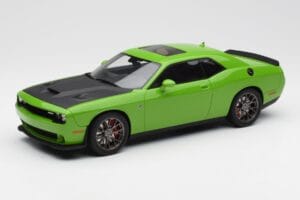
Dodge built its reputation on unapologetic performance, from Charger and Challenger muscle cars to the Viper supercar. This range covers muscle cars, historic GT, and IMSA sportscar subjects across 1:18, 1:43, and 1:12, in diecast and resin.







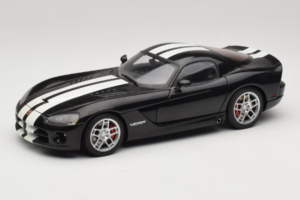



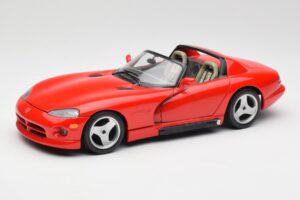


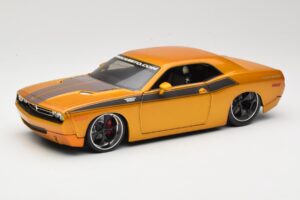
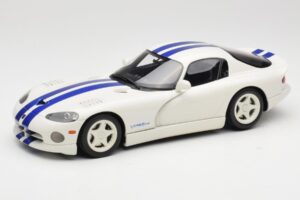
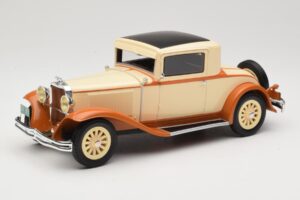

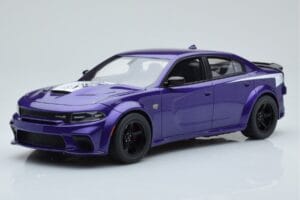
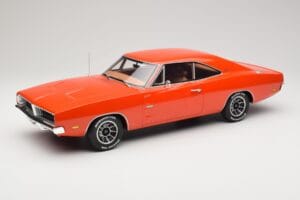
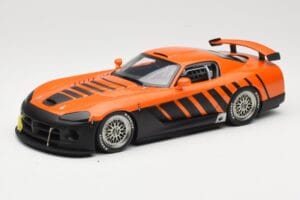















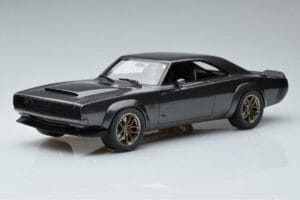
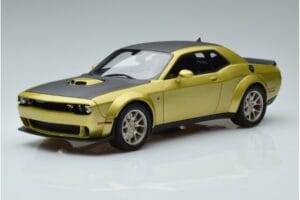

TL;DR: Dodge scale models span muscle cars, the Viper supercar, and IMSA sportscar racing from GT Spirit, Minichamps, and GreenLight, built at 1:18, 1:43, and 1:12 in diecast and resin. Coverage runs from the 1960s through the 2000s, centered on the brand's unapologetic performance identity.
Subtlety was never the point for Dodge. This range leans directly into that identity, from muscle car era Chargers and Challengers through the Viper's supercar ambitions and the brand's occasional forays into professional sportscar racing.
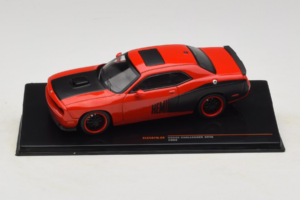
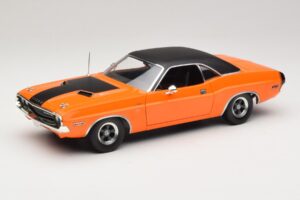
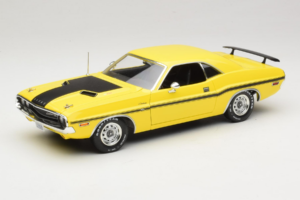
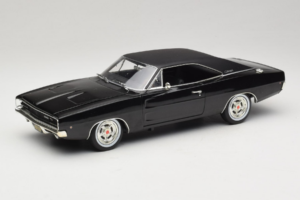
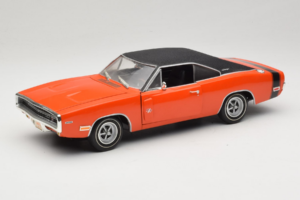
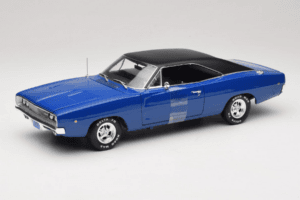
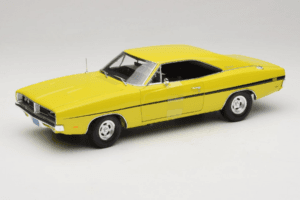
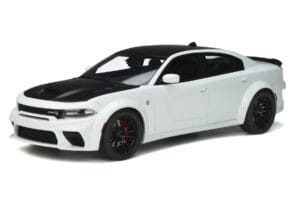
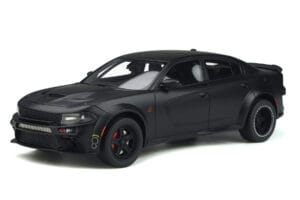
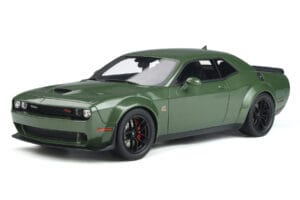
Muscle cars form the historical backbone of Dodge's collecting appeal, with Charger and Challenger subjects from the 1960s and 1970s representing some of the genre's loudest, most visually distinctive entries. Scale reproductions from this era emphasize wide stances, aggressive stripe packages, and period-correct engine bay detail, since those visual signatures are central to how collectors distinguish specific model years and trim levels within the muscle car genre.
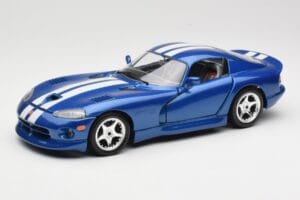
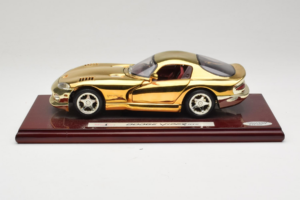
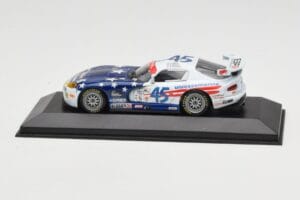
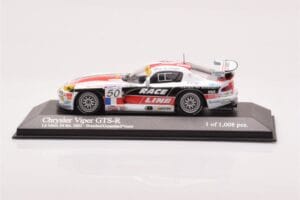
Supercar coverage centers on the Viper, a genuinely unusual entry in the supercar segment built around raw displacement rather than the turbocharged sophistication favored by European rivals. Historic GT and IMSA sportscar subjects document Dodge's occasional professional racing programs, giving motorsport-focused collectors a less crowded but genuinely interesting corner of American racing history to explore.
GT Spirit, Minichamps, Bburago, GreenLight, and AUTOart all reproduce Dodge subjects:
Concept and service vehicle subjects round out the range, showing Dodge's identity extending beyond pure performance into broader American automotive culture.
A Dodge collection built around muscle cars benefits from tracking specific model years, since engine displacement and stripe packages varied significantly even within a single generation of Charger or Challenger. Collectors drawn to the brand's less conventional side can build around the Viper and IMSA racing subjects for a display that stands apart from more common muscle car themes.
Wide stances, bold stripe packages, and unapologetic styling set Dodge's Charger and Challenger apart from rival muscle cars of the same era, and those visual signatures remain central to how collectors identify specific model years and trim levels.
The Viper took an unusual approach among supercars, favoring raw displacement over the turbocharged sophistication common to European rivals, giving it a distinct character that appeals to collectors drawn to more mechanically direct performance.
Yes, Dodge fielded programs in IMSA sportscar competition, and this range's historic GT and IMSA coverage documents that less crowded but genuinely interesting corner of the brand's motorsport history.
1:18 gives period-correct engine bays and stripe packages enough physical space to read clearly, which matters for a genre where specific trim variations define a model's collecting significance.