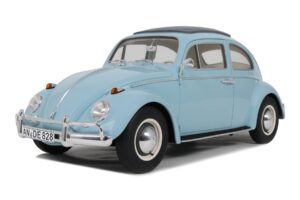
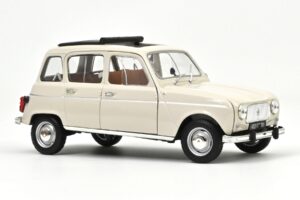
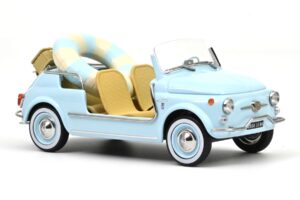
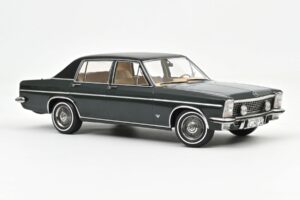
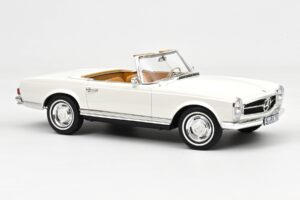
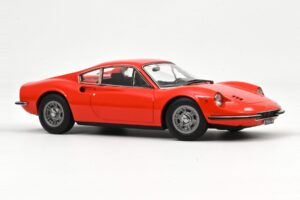
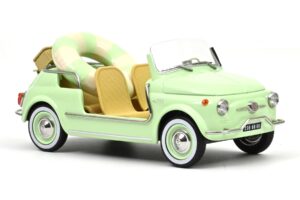
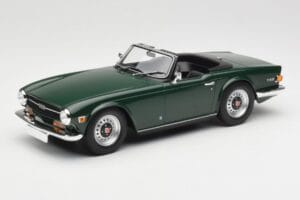
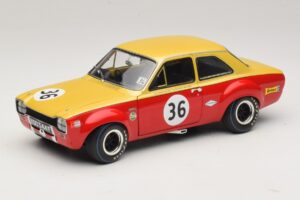
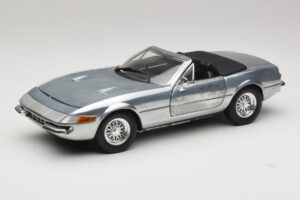
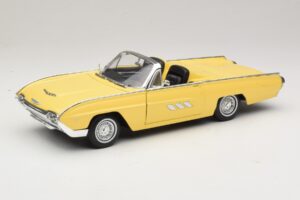
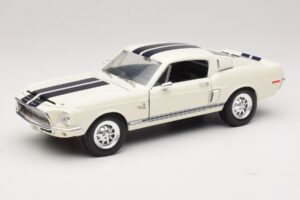
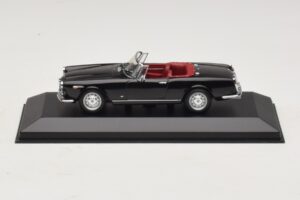
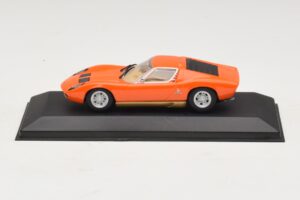
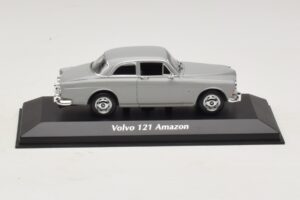
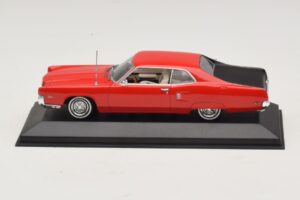
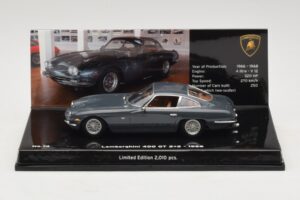
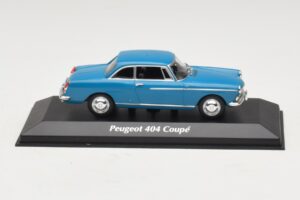
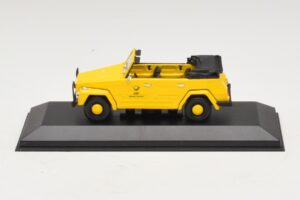
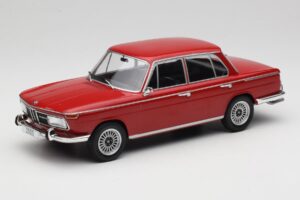
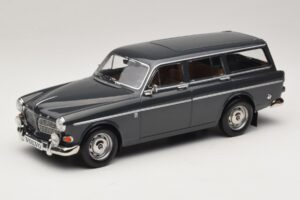
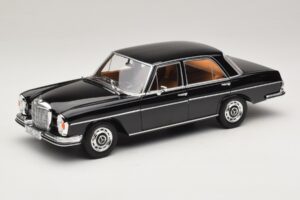
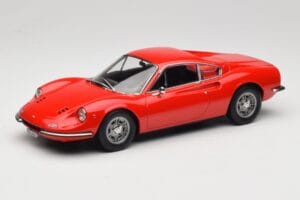
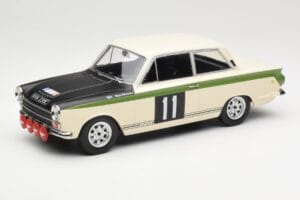
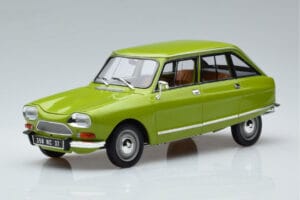
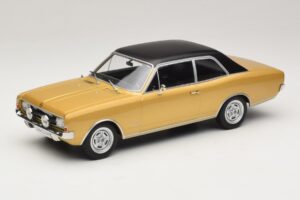
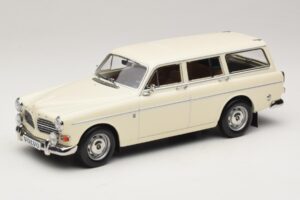
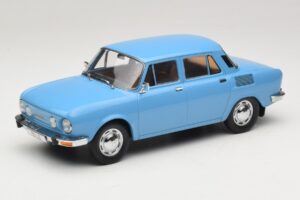
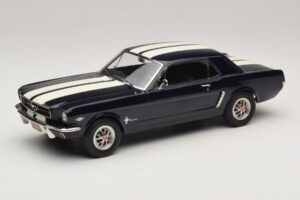
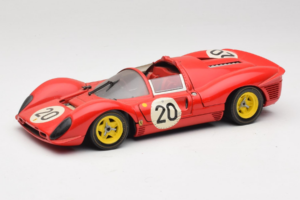
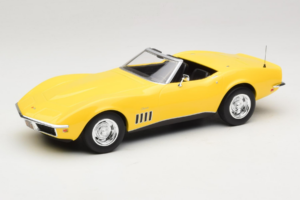
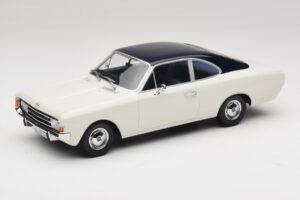
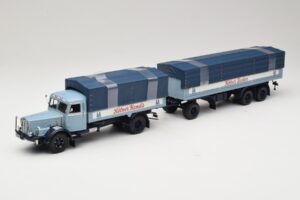
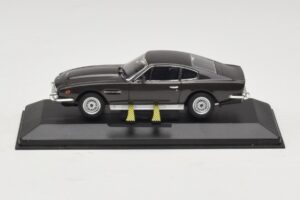
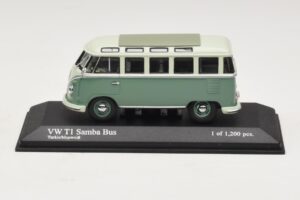
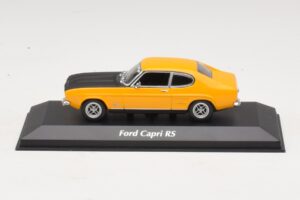
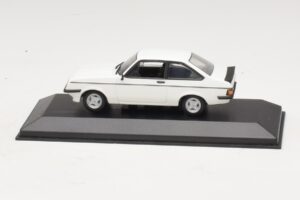
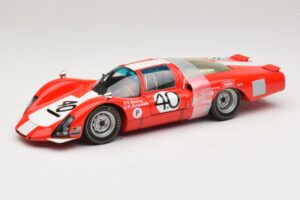
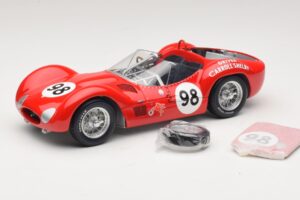
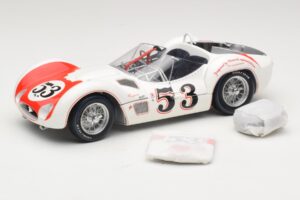
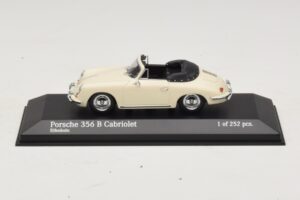
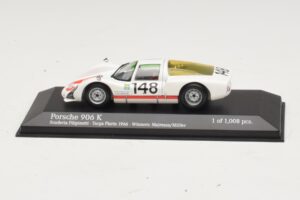
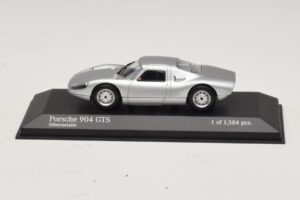
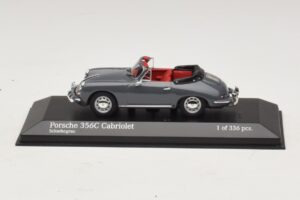
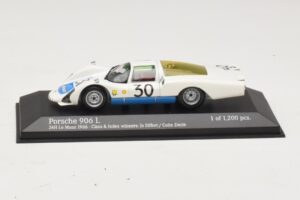
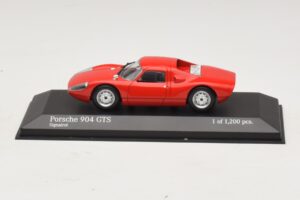
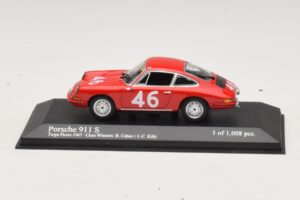
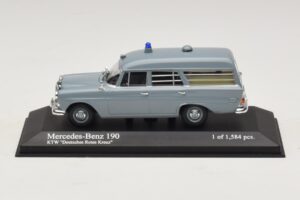
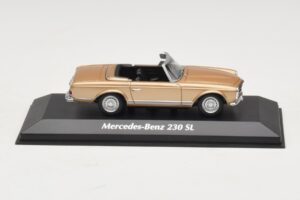
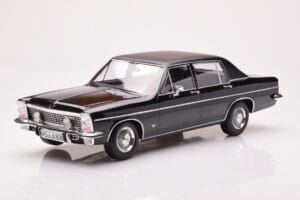
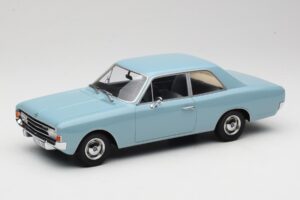
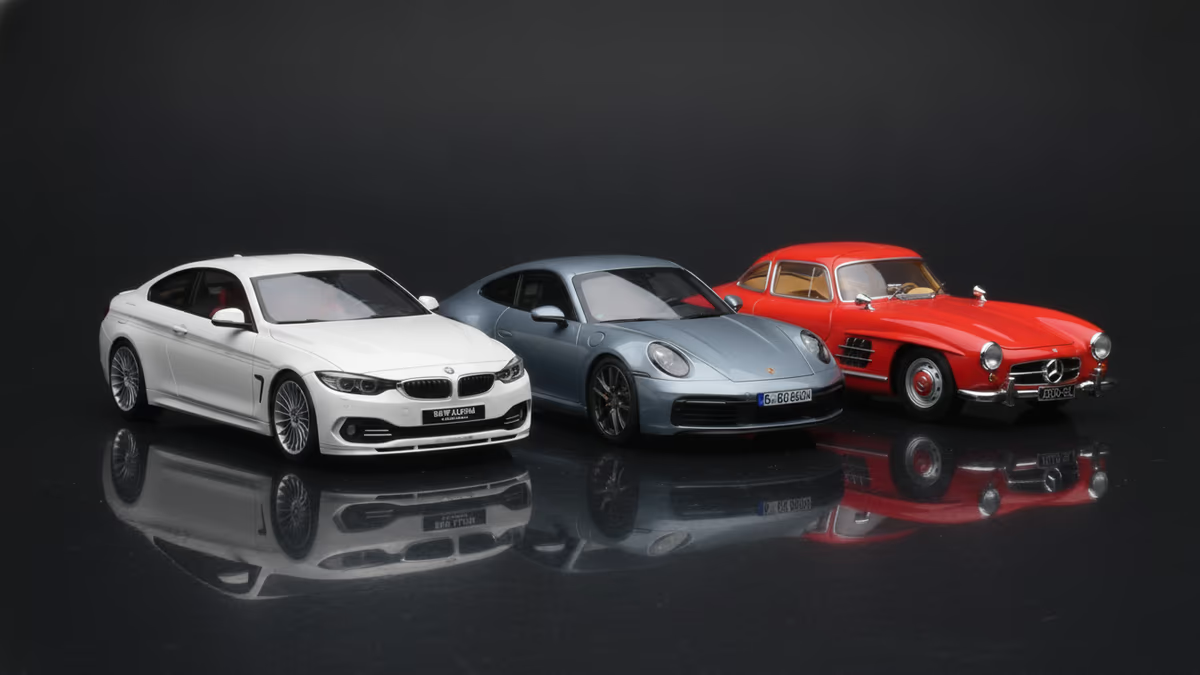
TL;DR: 1960s model cars capture the decade's dual identity: European racing heritage from Ferrari and Porsche and the birth of American muscle from Ford and Chevrolet. This range spans 1:18, 1:43, and 1:12 in diecast and resin, covering classic sports, historic GT, and muscle car subjects.
Ask any collector to name a golden era and most will say the 1960s. It is the decade that produced the most fiercely contested sports car racing, the birth of the American muscle car, and enough design landmarks that manufacturers still compete today to reproduce the same handful of subjects with the sharpest possible accuracy.
1960s Model Cars as the Collector's Golden Era
What sets the 1960s apart for collecting is the sheer density of significant subjects packed into a single decade. Endurance racing between Ferrari, Ford, and Porsche produced some of motorsport's most documented rivalries, while the American market simultaneously gave birth to the muscle car as its own category. That density means multiple manufacturers frequently reproduce the exact same car, giving collectors a genuine opportunity to compare tier and construction quality on a shared subject rather than guessing from unrelated releases.
Racing Heritage and Historic GT Subjects
The decade's classic sports and historic GT coverage centers on the era's defining endurance and touring competition. Ferrari and Porsche subjects from this period frequently carry direct competition pedigree, and the rivalry between European sports racers is a favorite theme for collectors building comparison displays. Modern classics and special or unique models round out the range, covering design landmarks that pushed styling forward without necessarily racing.
Muscle Cars and the American Side of the 1960s
While Europe raced, America built muscle. Ford and Chevrolet subjects from this decade established a genre defined by big-displacement engines and straight-line performance, and their scale reproductions lean into that identity with detailed engine bays and period-correct wheel and stripe options. This side of the decade appeals to a distinctly different collector than the endurance-racing crowd, though many build displays that pair both traditions to show the full breadth of the era.
Manufacturers Reproducing the 1960s
Minichamps, Norev, Bburago, Kyosho, and MCG all cover 1960s subjects, spread across scales as follows:
- 1:18 remains the default for both muscle cars and European sports cars, balancing detail and shelf presence.
- 1:43 lets collectors track a full endurance racing season or model lineage compactly.
- 1:12 appears on select flagship racing subjects where mechanical detail is the whole point.
Because so many manufacturers chase the same landmark subjects, comparing releases before buying is standard practice for serious 1960s collectors.
Frequently Asked Questions
Why do multiple manufacturers reproduce the same 1960s cars?
The decade's density of significant subjects, from endurance racing icons to muscle car landmarks, means demand supports several competing releases of the same car. That gives collectors the rare chance to compare construction and accuracy directly on a shared subject.
Should a 1960s collection focus on racing or muscle cars?
Either works as a standalone theme, since both represent genuine and distinct sides of the decade. Many collectors eventually build both, using the contrast between European endurance racing and American straight-line performance to tell a fuller story of the era.
What scale works best for 1960s racing subjects?
1:18 remains the most popular for individual hero subjects, while 1:43 suits collectors documenting a complete racing season or model progression. 1:12 appears occasionally for flagship subjects where mechanical detail is the primary draw.
What makes a 1960s muscle car model collectible?
Period-correct engine bay detail, accurate stripe and wheel options, and the subject's place in the genre's early history all matter. Since the muscle car era effectively began in this decade, early examples carry particular significance for collectors tracing the category's origin.