New arrival
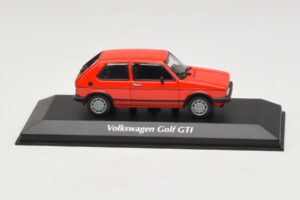
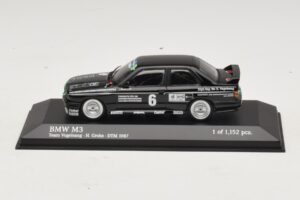
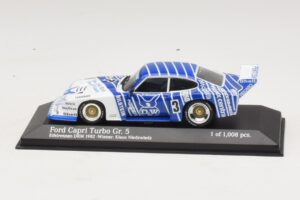
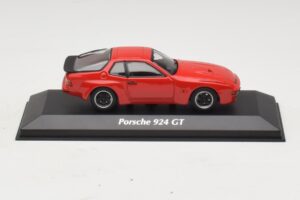
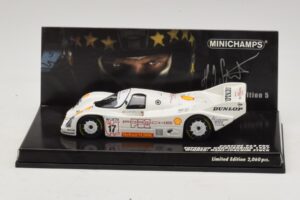
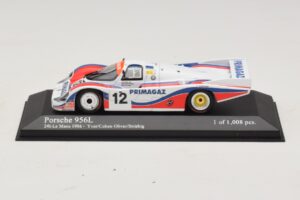
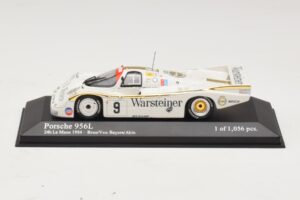
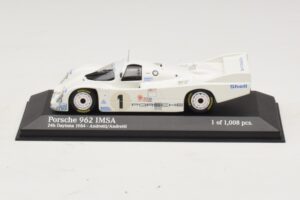
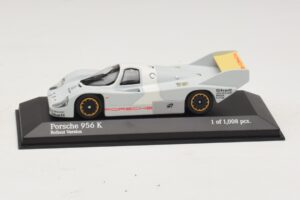
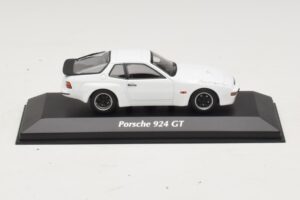
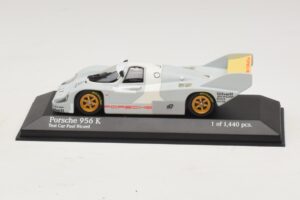
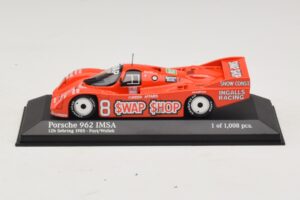
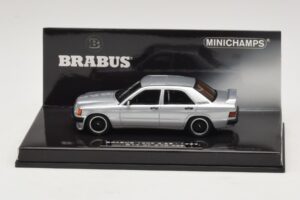
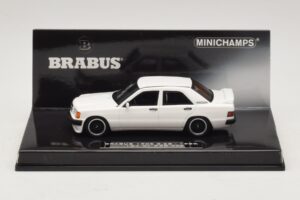
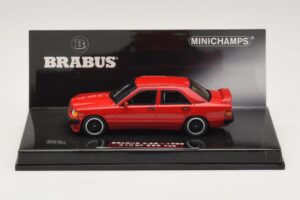
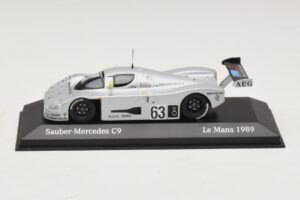
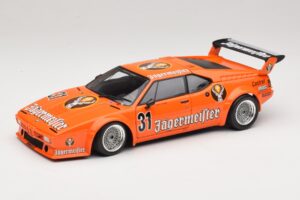
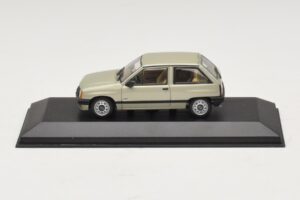
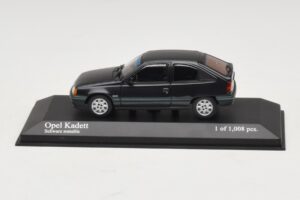
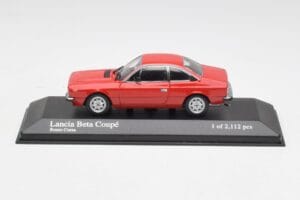
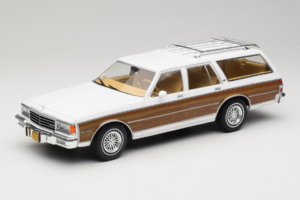
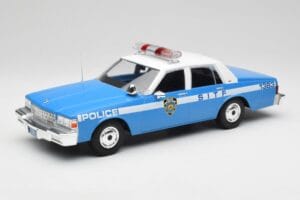
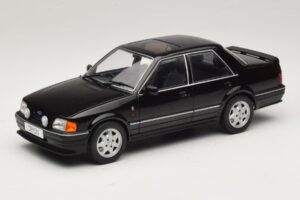
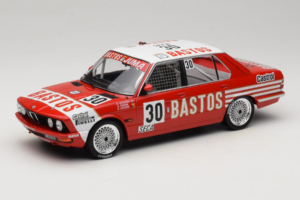
Turbocharging reshaped both road and rally cars in the 1980s, producing Group B rally monsters and a wave of genuine supercars. This range covers BMW, Ferrari, Porsche, and Audi across 1:18, 1:43, 1:12, and 1:24 scales in diecast and resin.
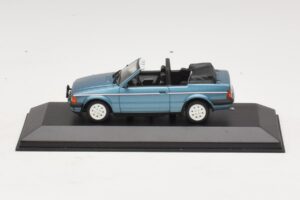
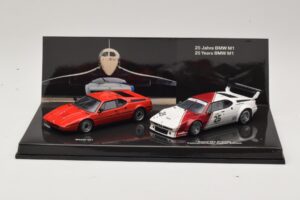
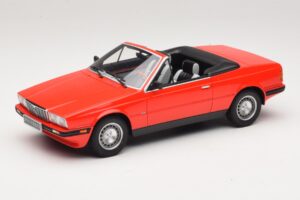
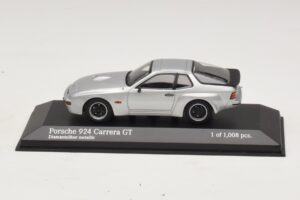


You save 5.00 €



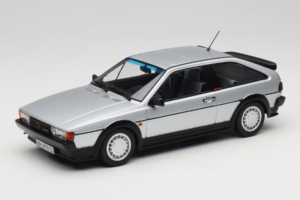
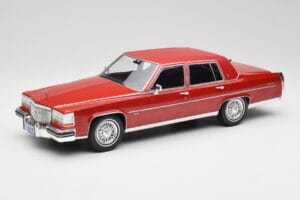

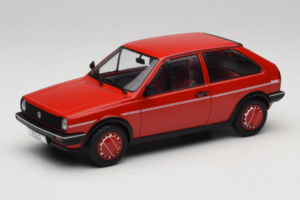


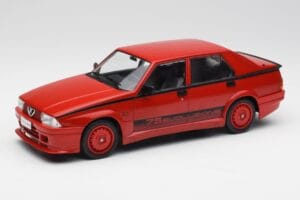

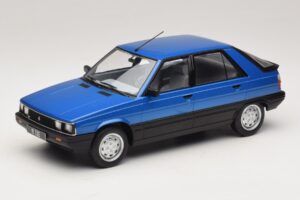
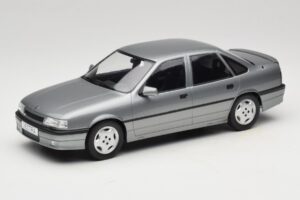
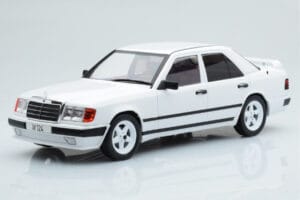


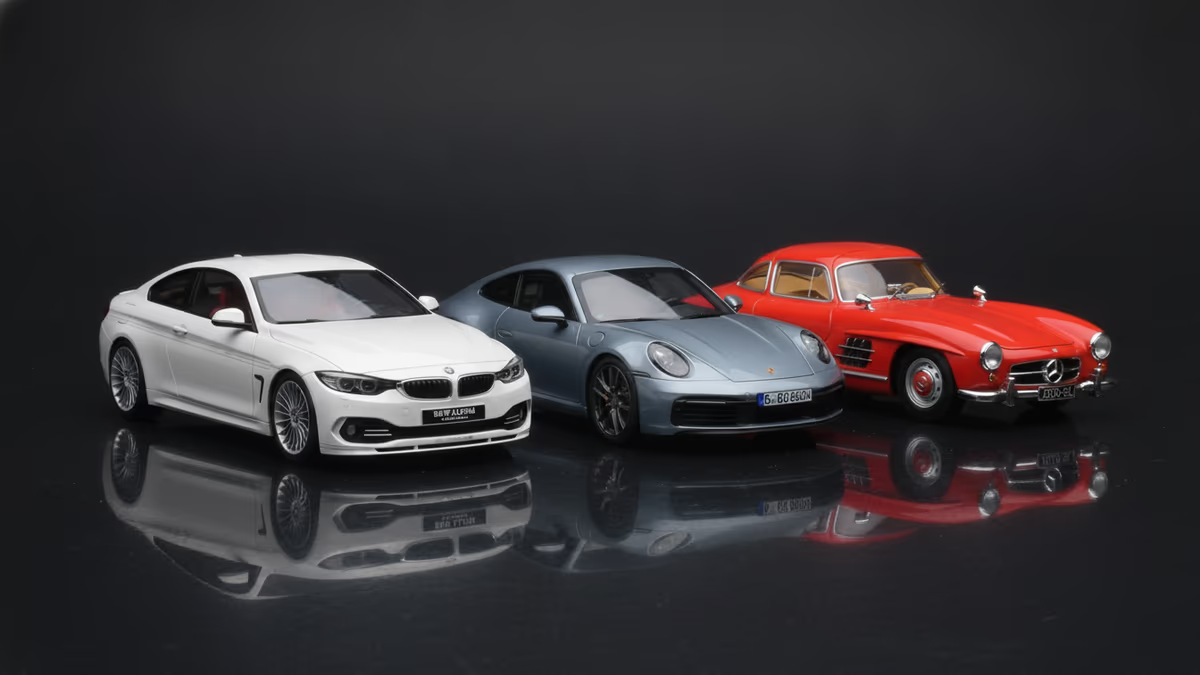
TL;DR: 1980s model cars capture Group B rally legends and turbocharged supercars from BMW, Ferrari, Porsche, and Audi, built across 1:18, 1:43, 1:12, and 1:24 in diecast and resin. The decade's unrestricted rally regulations and turbo technology produced some of collecting's most sought-after subjects.
Turbo lag became a badge of honor in the 1980s, a decade where rally regulations briefly allowed near-unlimited power and road-car manufacturers chased ever-higher top speeds. This range documents both the Group B rally era and the road-going supercars it helped inspire.
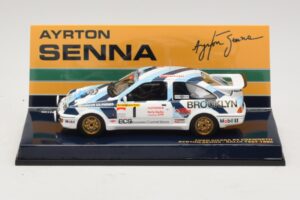
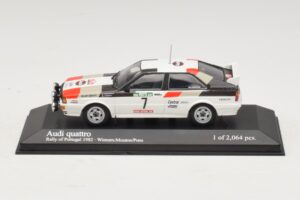
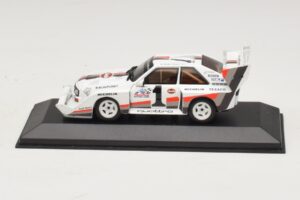
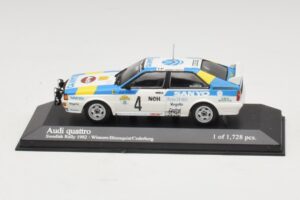
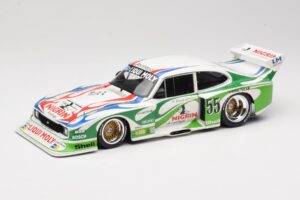
Group B remains the most mythologized period in rally history, a brief window where regulations allowed manufacturers to build near-unrestricted, four-wheel-drive monsters producing well over 400 horsepower in period tune. Audi's Quattro program helped establish four-wheel drive as the rally standard, while Lancia, Ford, Peugeot, and others pushed the formula further before safety concerns ended the category. Reproducing this era in scale means capturing wide arches, aggressive aero, and the loud, sponsor-heavy liveries that defined the period's stage cars.
The same decade that produced Group B also produced a wave of road-going supercars chasing top-speed records, with Ferrari, Porsche, and others leaning heavily on turbocharging and increasingly aggressive aerodynamics. This range's supercar and tuner special coverage reflects that shift, alongside historic GT subjects that trace how road and race technology fed each other throughout the period.
Minichamps, MCG, Norev, Otto, and IXO all reproduce 1980s subjects across a wide scale spread:
Because Group B's brief lifespan makes surviving examples especially significant, scale reproductions of the era's cars carry a documentary weight that later, longer-running rally categories don't quite match.
Given the decade's split identity, most collectors pick a lane: Group B and rally heritage, or road-going supercars and tuner specials. Both themes support deep, focused displays on their own, and pairing a Group B stage car with a contemporary road-going supercar from the same manufacturer can highlight how closely rally and road technology were linked during this particular period.
Group B's brief, largely unrestricted rules produced some of rally history's most powerful and visually extreme cars before safety concerns ended the category after only a few seasons. That short lifespan makes surviving examples and their scale reproductions especially prized by collectors.
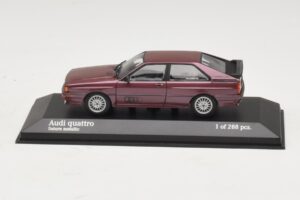
Audi's Quattro program helped establish four-wheel drive as the dominant rally layout during this period, a shift that reshaped competition car design well beyond the Group B era itself. Its scale reproductions remain a foundational subject for rally collectors.
Turbocharging and increasingly aggressive aerodynamics defined the decade's road-going performance cars, pushing top speeds and styling further than the naturally aspirated sports cars that preceded them. That shift is reflected in the sharper, more angular designs common to the era's scale subjects.
Pairing a Group B stage car with a contemporary road-going model from the same manufacturer works well, since it highlights how closely motorsport and road-car technology were connected during this specific period of rapid turbo development.