Last one

Bentley EXP Speed 8 LMP900 #8 A. Wallace / B. Leitzinger 24 Hours of Le Mans 2002 Minichamps 1:43
Only 1 left
Price:
56.00 €
Prototype racing cars exist for one purpose alone, competing at the outer edge of endurance engineering with no road-car compromise required. This collection spans Porsche, Ferrari, Audi, BMW, Sauber, Mercedes, Peugeot and Matra across 1:18, 1:43 and 1:12 diecast and resin.
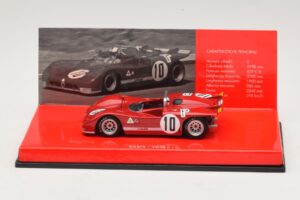

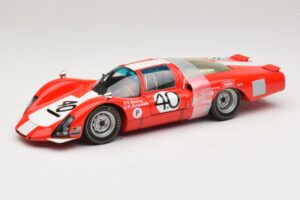
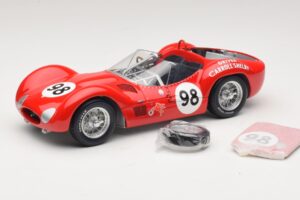
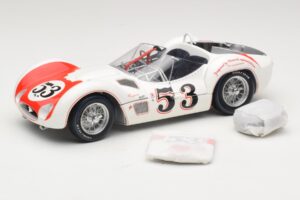
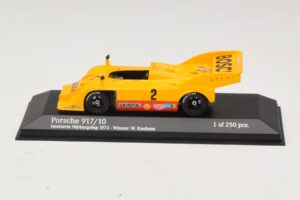
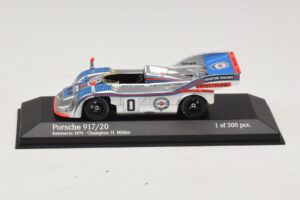

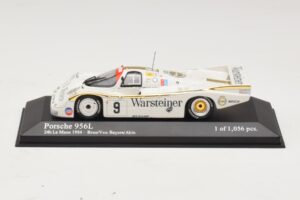
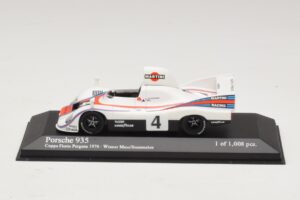
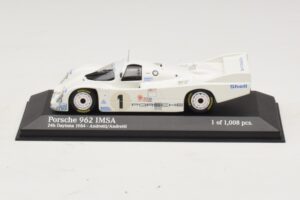
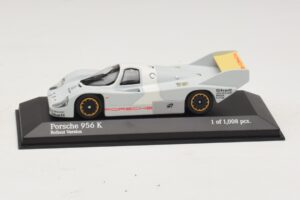
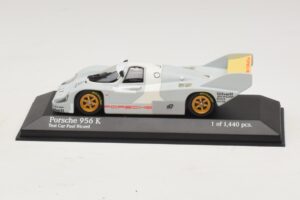
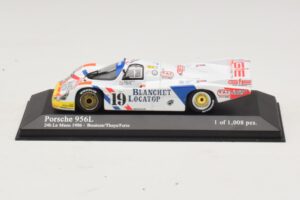
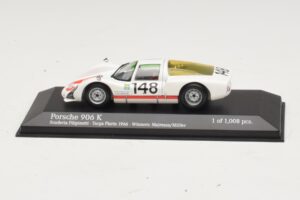
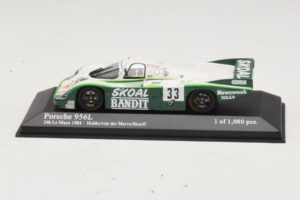
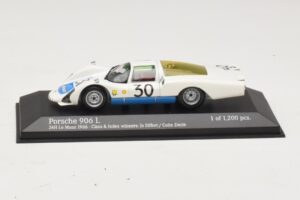
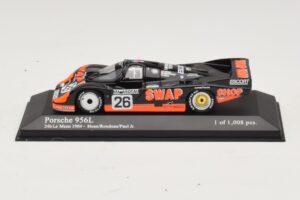
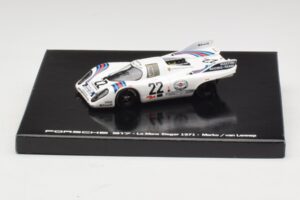
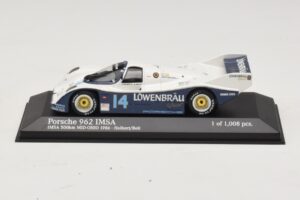
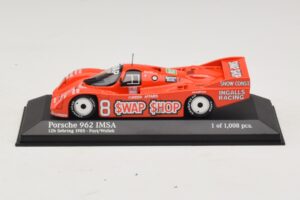
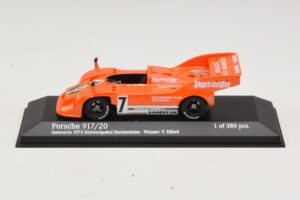
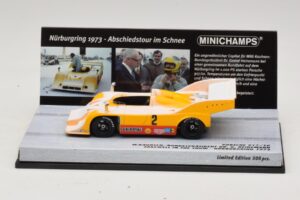


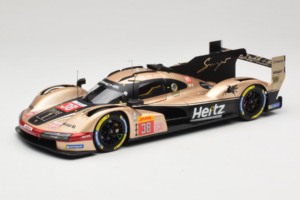
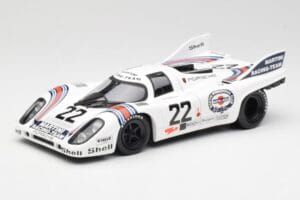
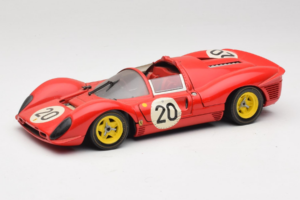



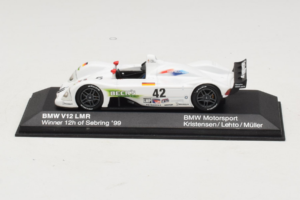
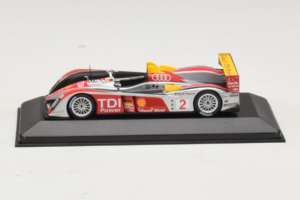
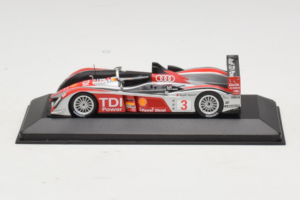
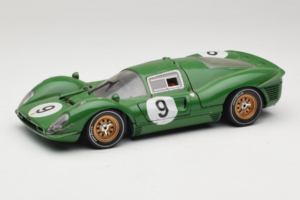

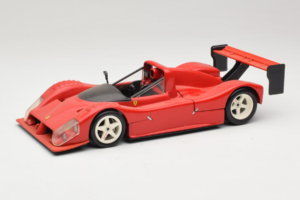
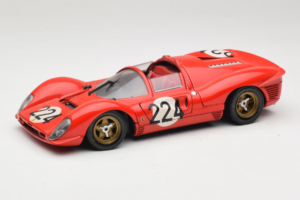
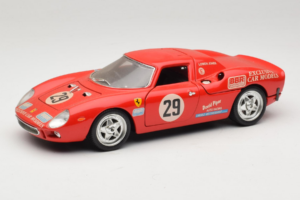


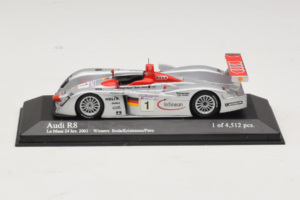
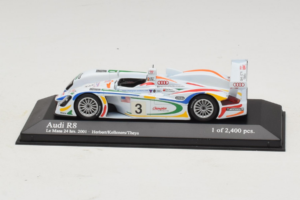
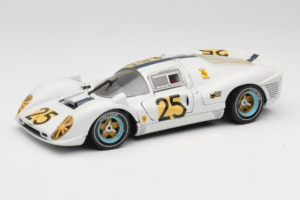



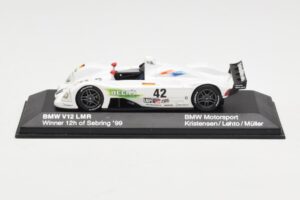










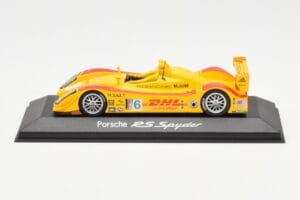


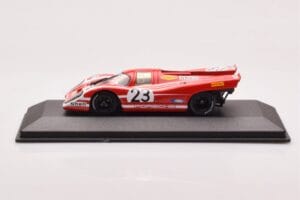




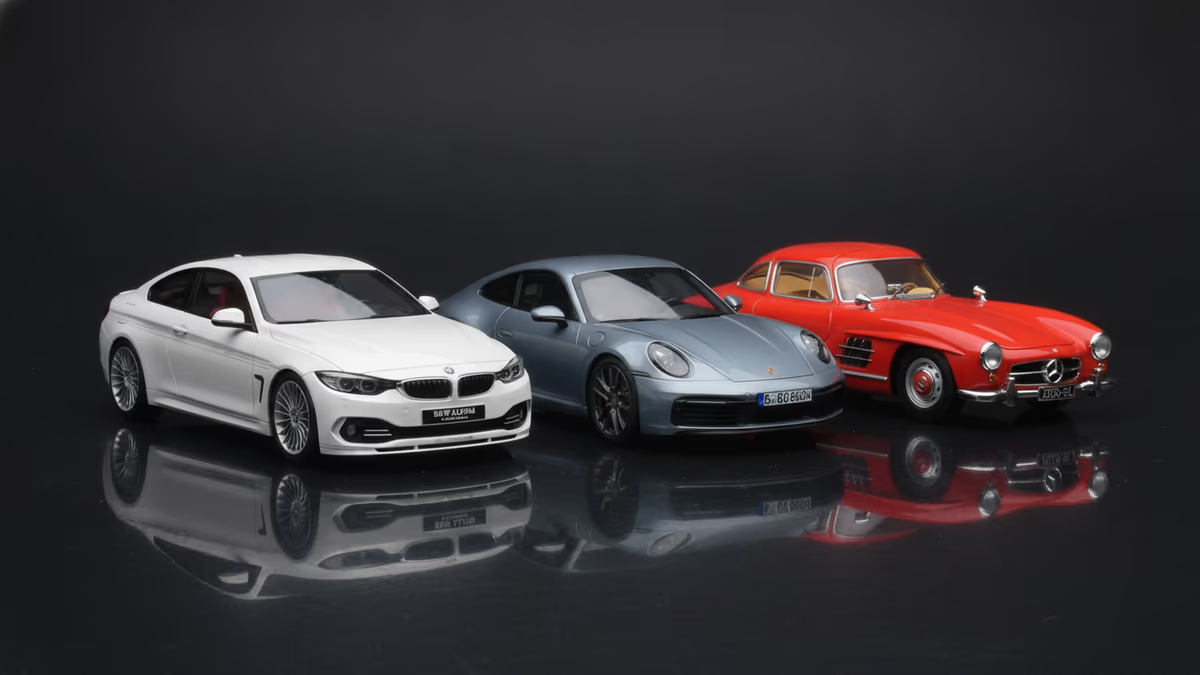
TL;DR: Prototype racing scale models cover Le Mans Prototypes, Group C legends, IMSA and North American sportscar, endurance racing specials and historic GT subjects from Porsche, Ferrari, Audi, BMW, Sauber, Mercedes, Peugeot and Matra in 1:18, 1:43 and 1:12 diecast and resin, spanning the 1960s through 2000s.
Prototype racing scale models document a body style built purely for competition, with no production-car compromise softening the aerodynamic and engineering priorities that define each subject. Group C's era in particular produced some of the most technically radical shapes in motorsport history.
Minichamps provides the deepest documentation across multiple prototype eras and manufacturers, its diecast and resin builds covering everything from 1960s Matra prototypes through 2000s hybrid-era machinery. Bburago and AUTOart bring sharper detail to marquee subjects, particularly Porsche and Audi's most collected prototype generations, while Norev and Maisto extend coverage into accessible pricing across additional manufacturers and decades.
Group C's regulations allowed manufacturers extraordinary design freedom within fuel-consumption limits, producing some of endurance racing's most aerodynamically extreme and visually striking cars. Porsche's dominance during this era, alongside serious challenges from Jaguar, Mercedes and Sauber, gives Group C collecting a genuine multi-manufacturer rivalry narrative that collectors continue documenting decades later.
Unlike a GT racer built from a production platform, a prototype's entire bodywork exists purely to manage airflow at racing speeds, producing shapes with no direct road-car equivalent. This makes prototype-focused collecting inherently about engineering appreciation as much as motorsport history.
1:43 remains the practical choice for tracing prototype evolution across multiple decades and manufacturers, while 1:18 serves standout hero subjects where cockpit and aerodynamic detail reward closer inspection.
Group C regulations gave manufacturers extraordinary aerodynamic design freedom within fuel limits, producing some of endurance racing's most visually extreme and technically ambitious prototype shapes.
A prototype has no production-car equivalent and is designed purely for aerodynamic and mechanical performance, while a GT racer is built from an existing road-car platform with retained proportions.
Porsche's dominance during this era is well documented, alongside serious challenges from Jaguar, Mercedes and Sauber, giving collectors a genuine multi-manufacturer rivalry to trace.
1:43 is the practical choice for tracing prototype evolution across several decades and manufacturers without excessive shelf space demands.