Last one
Used
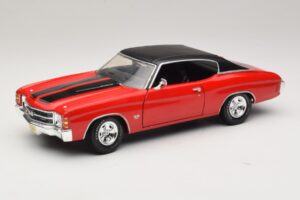
Muscle cars turned raw V8 horsepower into an American cultural identity, and this collection captures that identity across Chevrolet, Ford, Dodge, Pontiac, Plymouth, Buick, Mercury and Chrysler. Diecast and resin construction spans 1:18, 1:24, 1:43 and 1:12, concentrated on the genre’s golden 1960s and 1970s decades.
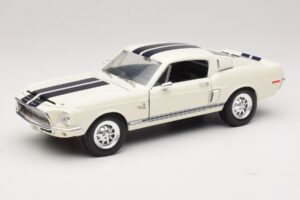
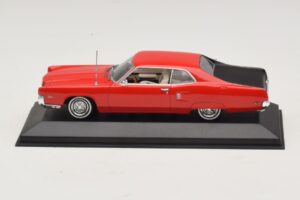
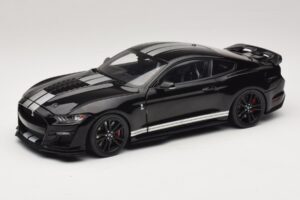
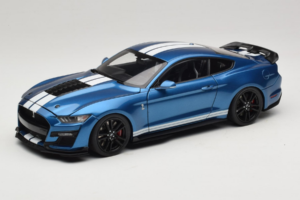
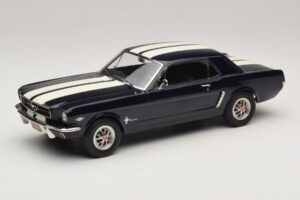
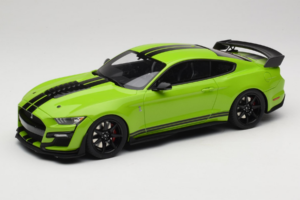
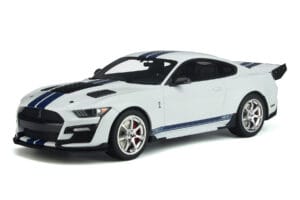

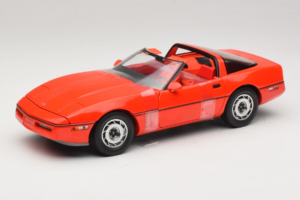

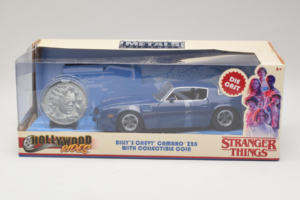


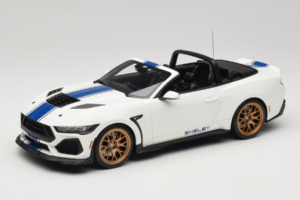

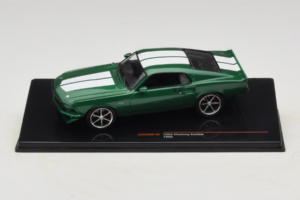
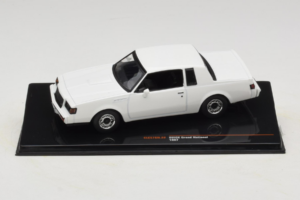

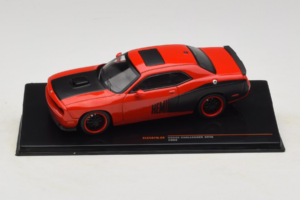
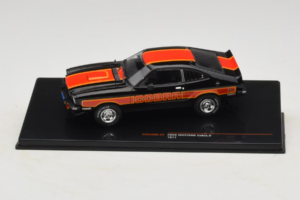
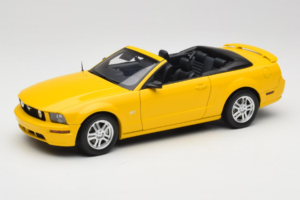

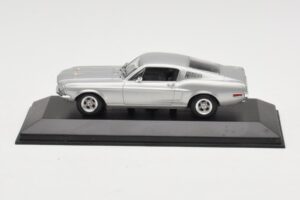
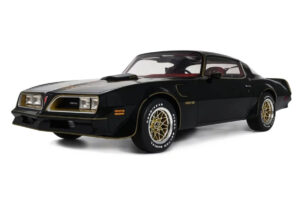
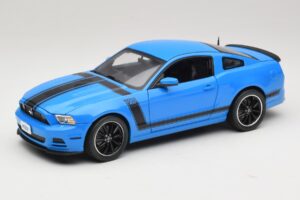
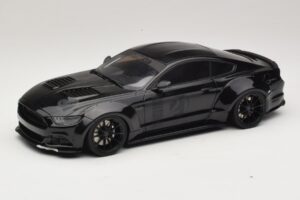
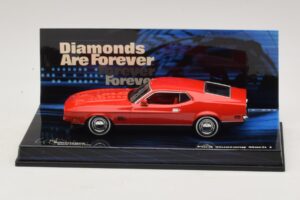

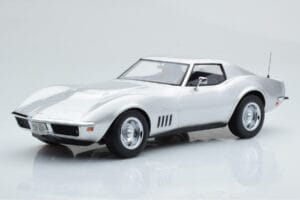
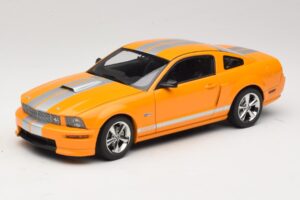
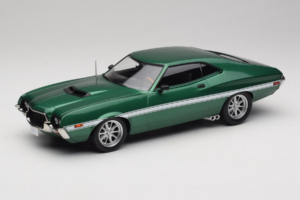
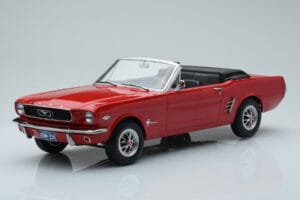
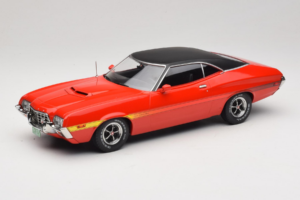
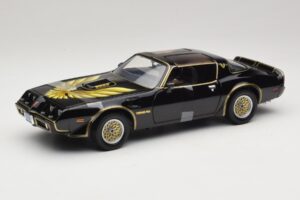
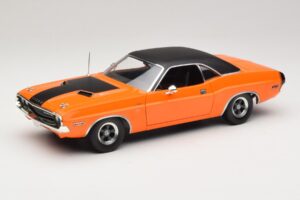



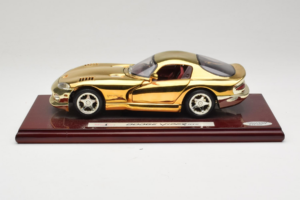


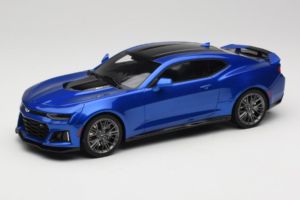
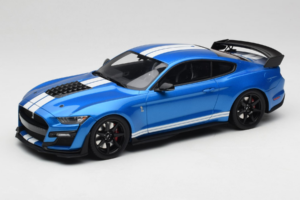
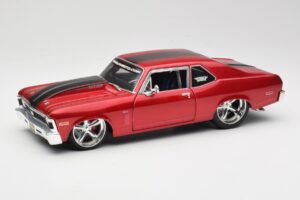


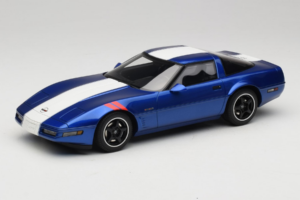

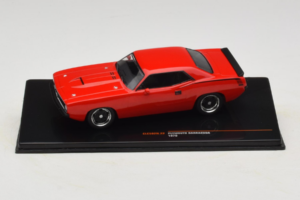

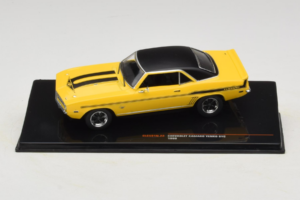

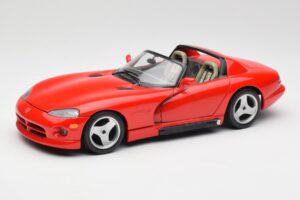
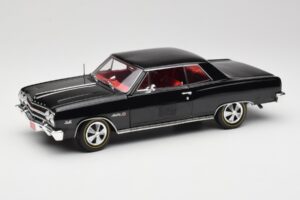

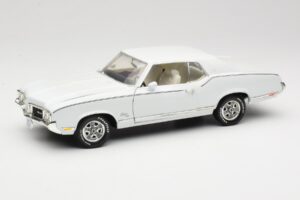


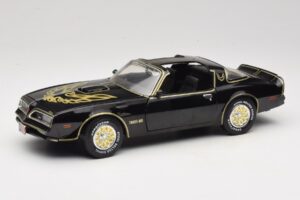
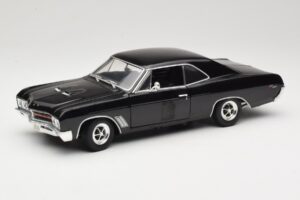

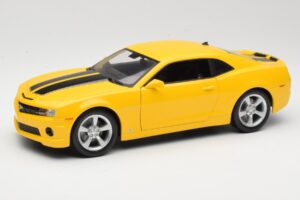
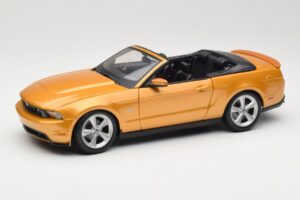
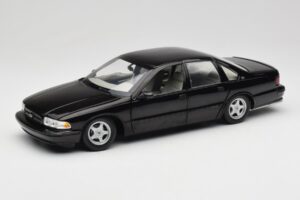
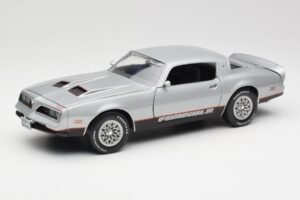

TL;DR: Muscle car scale models cover Chevrolet, Ford, Dodge, Pontiac, Plymouth, Buick, Mercury and Chrysler in 1:18, 1:24, 1:43 and 1:12 diecast and resin. Coverage runs deepest in the 1960s and 1970s, with 1990s and 2000s modern muscle extending the theme forward.
Muscle cars represent one of the most recognizable and consistently collected genres in scale modeling, and muscle car scale models collectors chase a specific era with almost unmatched dedication: the brief window when Detroit manufacturers competed directly on raw displacement and horsepower before emissions regulation reshaped the industry.
Maisto and GreenLight provide broad, accessible coverage across the genre's biggest names, Chevrolet Camaro, Ford Mustang, Dodge Charger, at diecast prices that suit collectors building wide marque coverage. GT Spirit and AUTOart push into sharper detail work for hero subjects, particularly aggressive body kit variants and factory special editions, while IXO extends coverage into resin territory for rarer or more specialized muscle subjects that mainstream producers skip.
Detroit's muscle car era emerged from direct manufacturer competition, each brand pushing bigger displacement V8 engines into midsize bodies to win a horsepower race that defined American performance culture for over a decade. Emissions regulations and the 1970s fuel crisis effectively ended this era, which is exactly why the period holds such collecting weight: it represents a closed chapter that produced some of the most aggressive factory performance cars ever built.
Chevrolet, Ford and Dodge all revived their muscle car nameplates in later decades, giving the genre a modern continuation that connects directly to its 1960s and 1970s origins. Collectors often build displays pairing an original-era muscle car with its modern namesake to show how the genre's design language persisted across a multi-decade gap.
1:18 remains the preferred scale for muscle cars, large enough to show engine bay detail on cars whose entire identity centers on the V8 under the hood. 1:24 offers a more compact and affordable alternative for broader marque coverage, while 1:43 supports collectors documenting multiple model years and trim variants across a single shelf.
Emissions regulations and the fuel crisis of the 1970s forced manufacturers to reduce engine displacement and horsepower, effectively closing the original muscle car era and giving the period its defined collecting significance.
Maisto and GreenLight provide the widest accessible coverage across Chevrolet, Ford and Dodge's core muscle car lineups, with GT Spirit and AUTOart adding detail-focused hero pieces.
1:18 is the preferred scale, since its size resolves engine bay detail effectively on cars whose core appeal centers on their V8 powerplants.
Yes, 1990s and 2000s modern interpretations from Chevrolet, Ford and Dodge extend the genre's story forward from its original 1960s and 1970s golden era.