Last one
New arrival

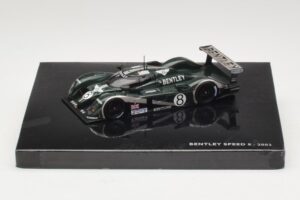
Bentley EXP Speed 8 LMP900 #8 A. Wallace / B. Leitzinger 24 Hours of Le Mans 2002 Minichamps 1:43
Only 1 left
Price:
56.00 €
Le Mans prototypes represent the sharpest technical edge of endurance racing, closed and open cockpit machines built purely to survive 24 hours at maximum pace. This collection spans Porsche, Audi, Ferrari, Peugeot and Cadillac across 1:18, 1:43 and 1:12 diecast and resin, from the 1960s through the modern hybrid era.
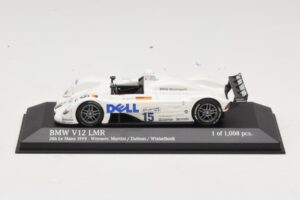

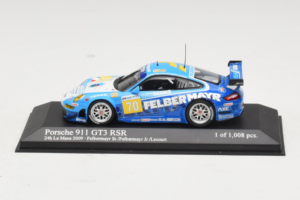
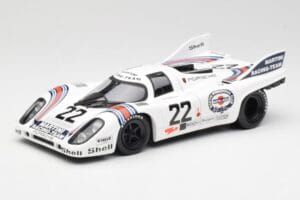

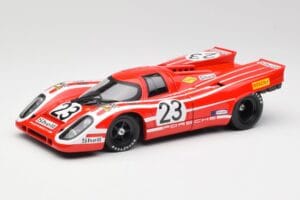

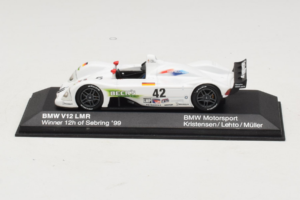
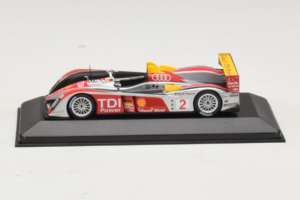
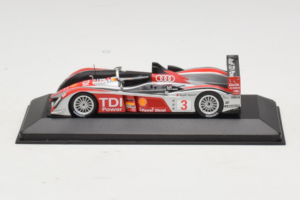

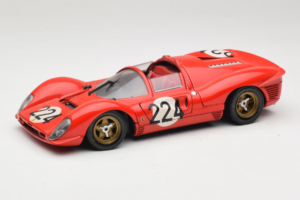
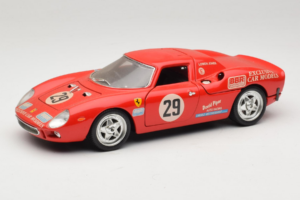


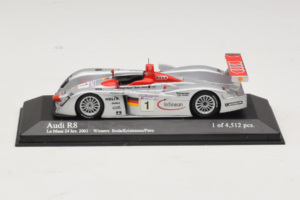
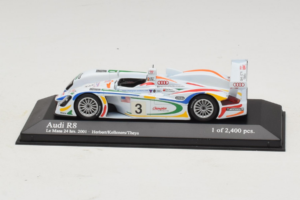


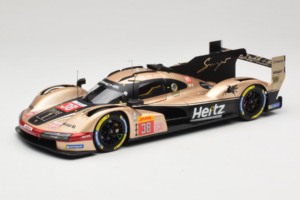


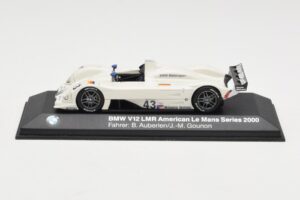
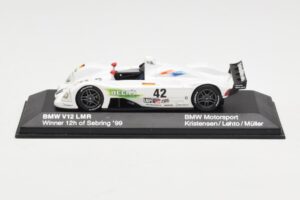

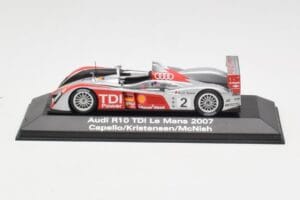

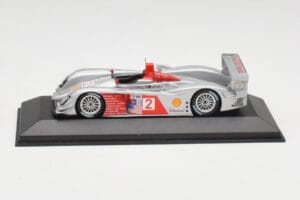
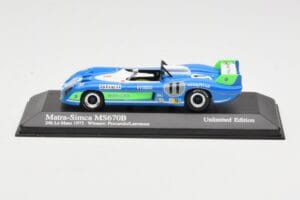

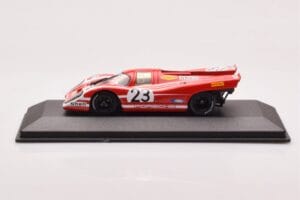

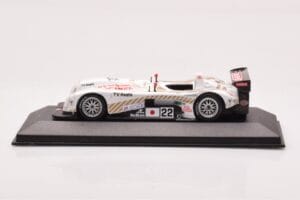




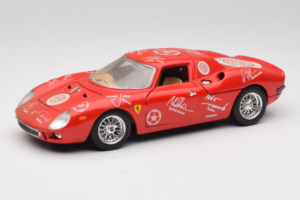


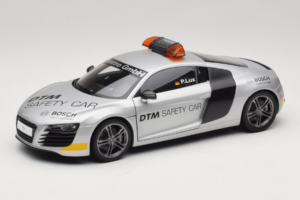

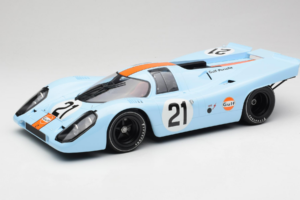
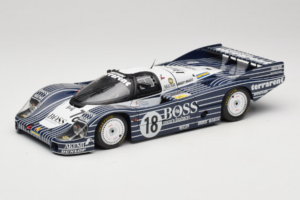
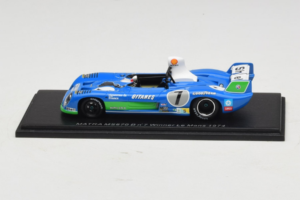
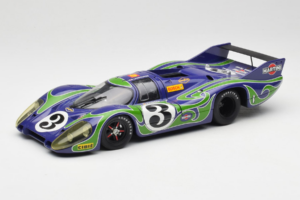




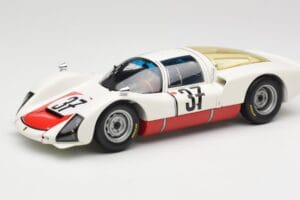





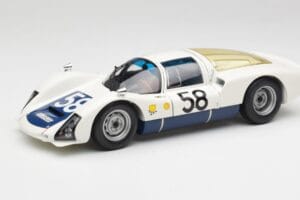
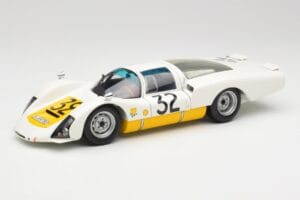

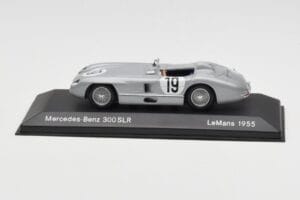

TL;DR: Le Mans Prototype scale models cover Porsche, Audi, Ferrari, BMW, Peugeot, Matra, Cadillac and Mercedes in 1:18, 1:43 and 1:12 diecast and resin. Coverage spans the 1960s through 2000s, documenting decades of endurance racing's most technically ambitious cars.
Le Mans Prototype scale models document a category built entirely around one brutal requirement: survive twenty-four hours at a competitive pace without failing. That requirement has produced some of motorsport's most technically radical shapes, from Porsche's long-tailed endurance racers to Audi's diesel-powered prototypes, and collectors chase these subjects for engineering ambition as much as racing results.
Minichamps provides the deepest season-by-season prototype documentation, its diecast and resin builds covering multiple decades and manufacturers with consistent livery accuracy. AUTOart brings sharper surface detail to marquee subjects, particularly Porsche and Audi's most collected prototype eras, while Norev and Bburago extend coverage into earlier decades and accessible price points. Maisto rounds out the entry tier, useful for collectors building broad prototype coverage without committing to premium pricing on every subject.
Unlike GT racing, where cars retain recognizable road-car proportions, prototypes are purpose-built from the ground up, which means every generation looks meaningfully different from the last. A 1970s Matra bears little resemblance to a 2000s Audi diesel prototype, even though both compete in the same discipline. This makes prototype collecting inherently chronological: tracing a single manufacturer's prototype evolution across decades tells a genuine engineering story that road-car collecting rarely offers.
1:18 handles prototype cockpit and aerodynamic detail well, particularly on modern closed-cockpit designs where interior visibility through the canopy rewards close inspection. 1:43 remains the practical choice for collectors documenting full multi-decade manufacturer histories, since prototype racing spans so many distinct eras that a complete collection at larger scales would demand significant shelf space. 1:12 appears for standout hero subjects where engine and aerodynamic detail justify the larger format.
Many collectors organize prototype shelves by manufacturer rivalry rather than era, pairing Porsche and Audi's competing prototype programs side by side to show how the two approached the same regulations differently. Others prefer strict chronology, building a timeline from 1960s open-cockpit designs through modern hybrid closed-cockpit machines to document the category's engineering evolution directly.
Prototypes are purpose-built racing designs with no road-car equivalent, while GT racers retain recognizable production-car proportions. This gives prototypes a more radical, era-specific appearance that changes dramatically between generations.
Porsche and Audi represent the deepest coverage, reflecting their long-running prototype programs, with Ferrari, Peugeot, Matra and Cadillac providing additional historic and modern entries.
1:43 is the practical choice for tracing a manufacturer's prototype evolution across several decades, since it keeps a broad collection within manageable shelf space.
Yes, coverage extends from 1960s open-cockpit designs like the Matra through modern hybrid-era prototypes, giving collectors access to the category's full technical evolution.