Last one
New arrival
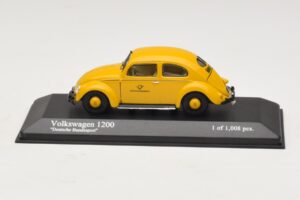
The sedan body style covers more collecting ground than any other shape, from 1960s three-box classics to modern performance and ultra-luxury flagships. This collection spans Mercedes, BMW, Audi, Volvo, Ford, Volkswagen, Opel, and Chevrolet sedans in 1:18, 1:43, 1:24, and 1:12 diecast and resin.

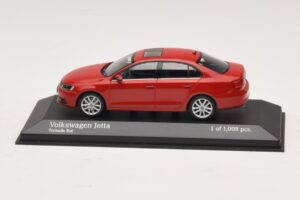

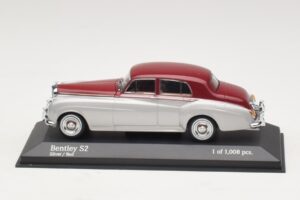
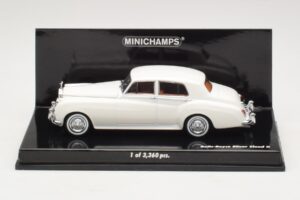
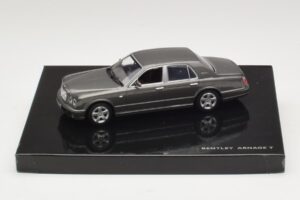
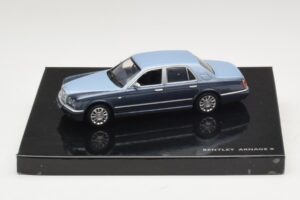
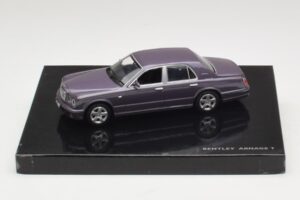
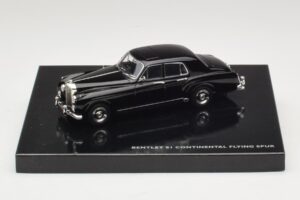
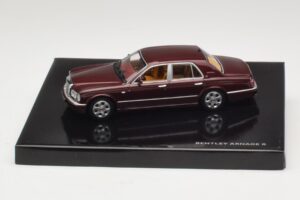
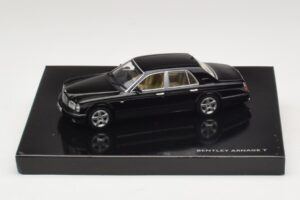
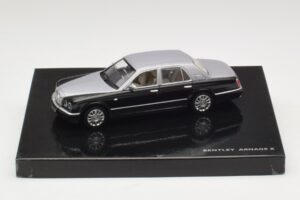
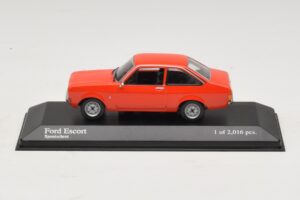
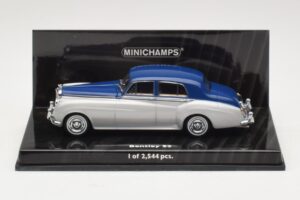

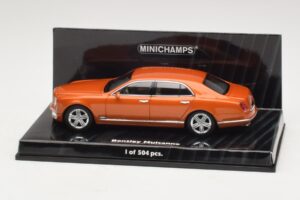
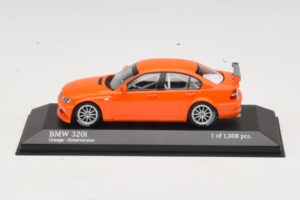

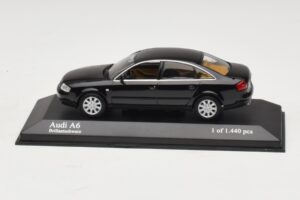



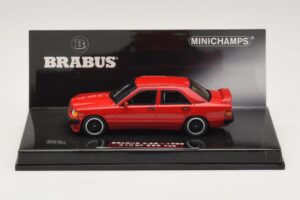
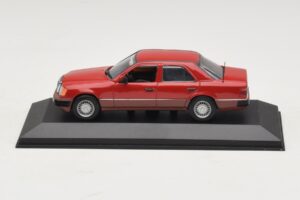
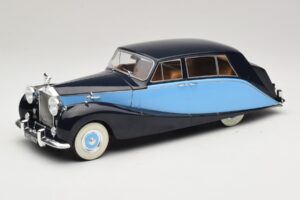
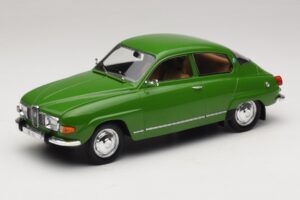

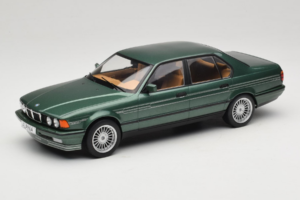
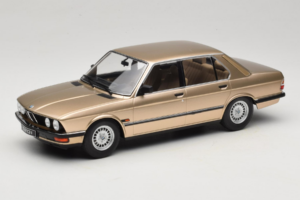
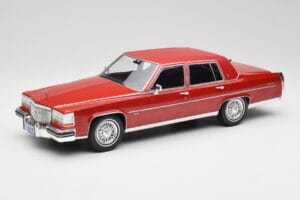
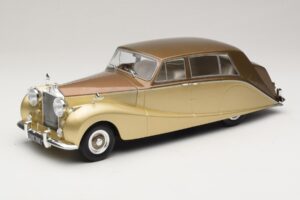
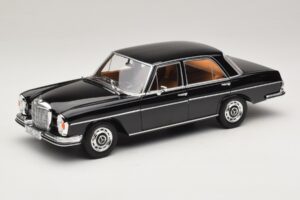
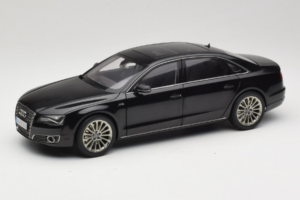

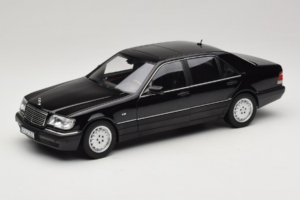
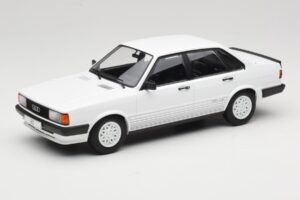


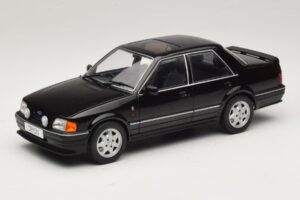
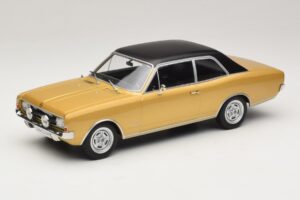

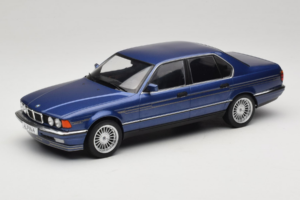
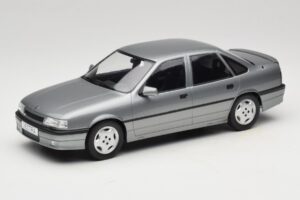

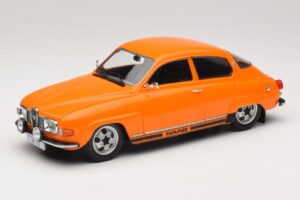


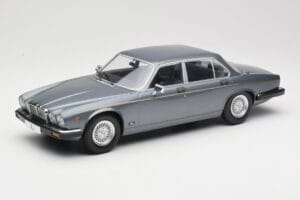

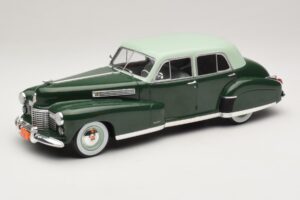


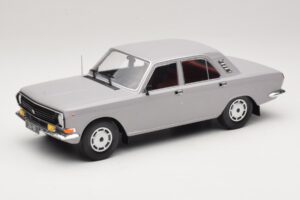

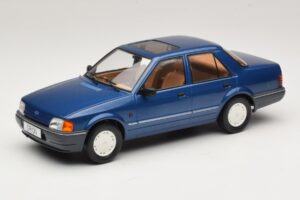


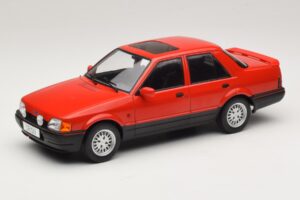
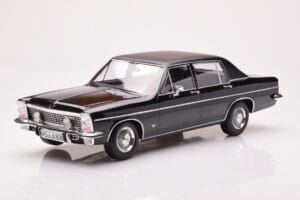
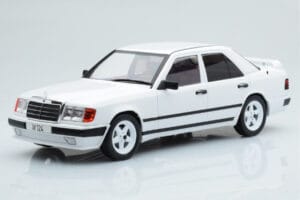
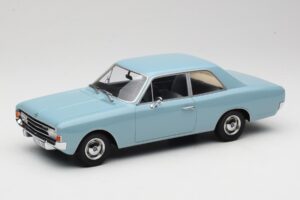



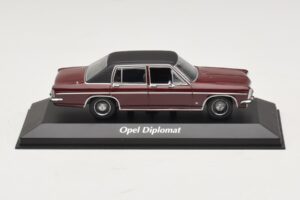
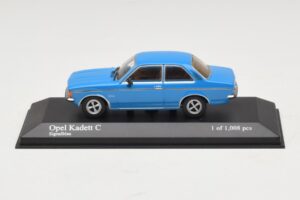
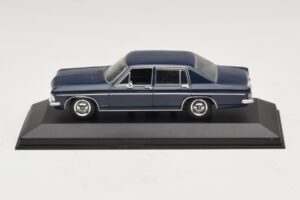
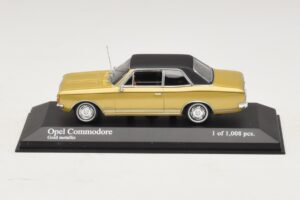

TL;DR: Sedan scale models span Vintage Classics, Modern Classics, Executive, Performance, and Ultra-Luxury sub-segments across Mercedes, BMW, Audi, Volvo, Ford, and Volkswagen, built in 1:18, 1:43, 1:24, and 1:12 diecast and resin from the 1960s through the 2000s.
Sedans rarely get the attention supercars and racing liveries attract, yet the three-box shape covers the broadest span of automotive history, from postwar family transport to executive flagships and performance-badged specials. That breadth makes the sedan category one of the most flexible starting points for a themed display.
The sedan body type splits naturally into sub-segments that shape how collectors approach it. Executive Sedans and Ultra-Luxury Sedans sit at the upper end, typically reproduced in resin or premium diecast with close attention to cabin detail. Performance Sedans, badged variants of ordinary saloons built for speed, attract enthusiast interest disproportionate to their size. Vintage Classics and Modern Classics document the everyday sedan across decades, and Service and Emergency Vehicles turn up regularly, since sedans have long served as the base for police and utility fleets.
Diecast dominates the mainstream sedan range at 1:18 and 1:24, offering opening doors and hoods that suit a body style built around a proper trunk and cabin. Resin appears more often at the executive and vintage end, where surface precision on long, flat panels matters more than interactive features. 1:43 remains the format of choice for collectors documenting a full model generation across trim levels, while 1:12 appears occasionally for a standout flagship sedan.
A sedan collection benefits from a generational approach: following one nameplate through its design evolution across decades tells a more coherent story than scattering purchases across unrelated marques. Mixing Executive and Performance variants of the same platform, a standard saloon alongside its badged performance sibling, also highlights how far a manufacturer stretched a single sedan architecture.
Executive Sedans represent mainstream premium marques built for business use, while Ultra-Luxury Sedans sit above that tier, typically flagship models with the most extensive interior detailing and the highest construction standards within the sedan body type.
1:18 suits collectors who want interior and trim detail visible on individual flagship pieces, while 1:43 works better for documenting a full generation of a sedan lineup across trim levels within a compact footprint.
Sedans have long served as the standard platform for fleet, taxi, and police use, so Service and Emergency variants naturally overlap with the sedan body type across several manufacturers and decades.
Diecast is more common overall, particularly for mainstream 1960s through 1980s subjects, while resin appears more frequently on rarer or higher-trim variants where panel precision matters more than opening features.