Last one
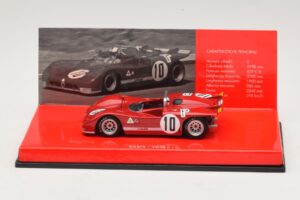
Alfa Romeo T33/3 #10 R. Stommelen / N. Galli ADAC 1000km Nurburgring 1971 Minichamps 1:43
Only 1 left
Price:
66.00 €
Before modern silhouette rules tightened, manufacturers stretched touring car regulations toward flared arches and outrageous aero. This range covers BMW, Ford, Opel, and Porsche across 1:18 and 1:43, in diecast and resin.
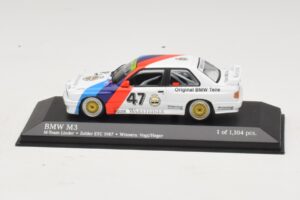
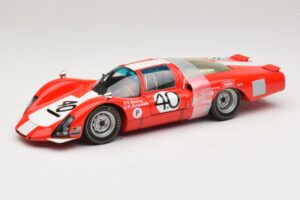
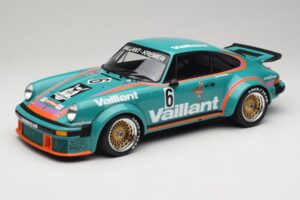
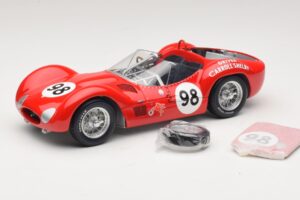
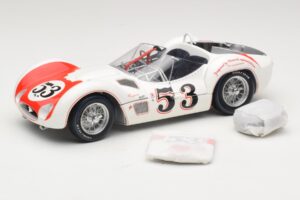
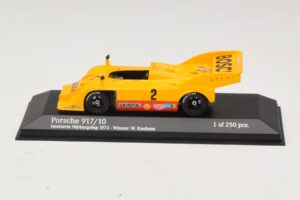
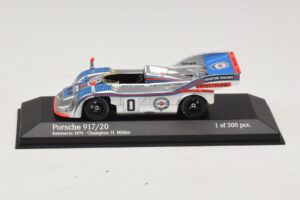
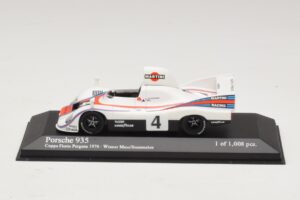
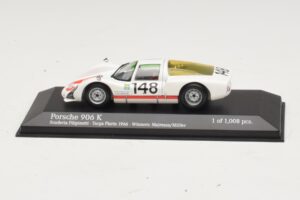
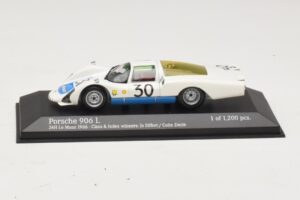
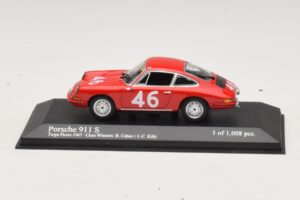
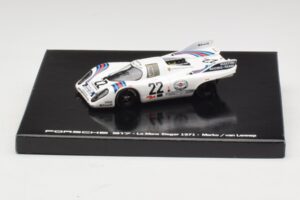
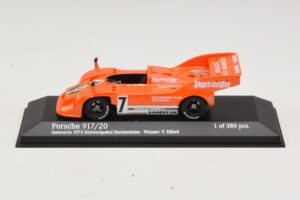
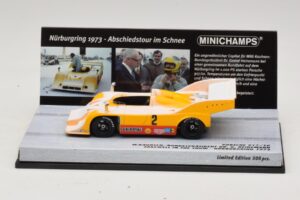
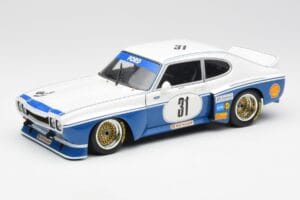
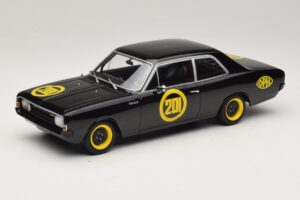
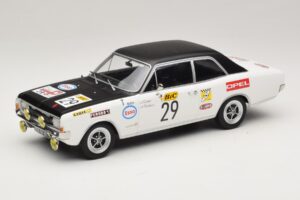

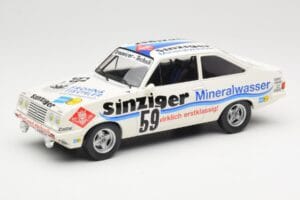
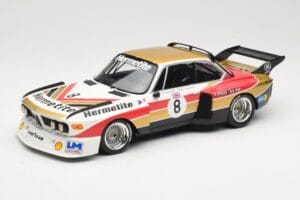
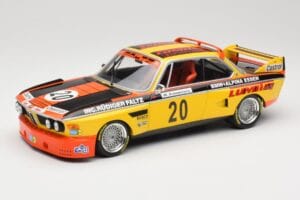
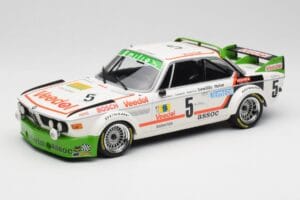

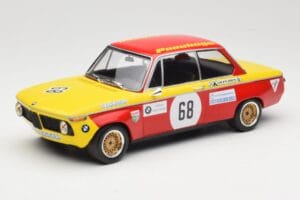
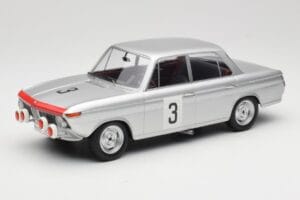
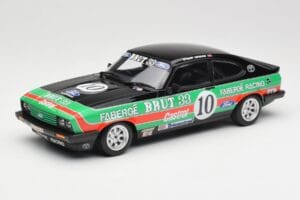
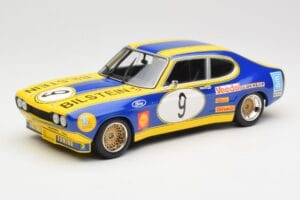
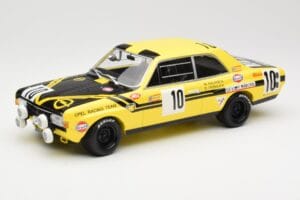
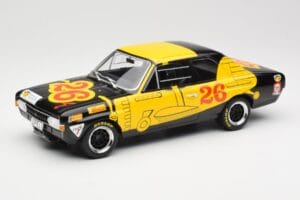
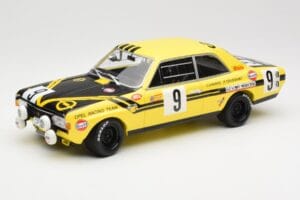
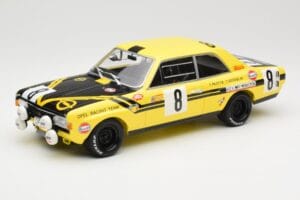
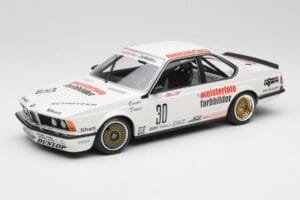
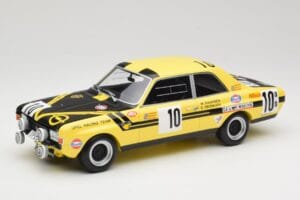
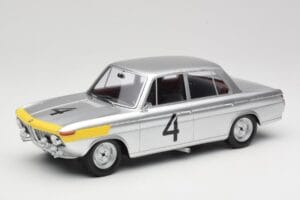
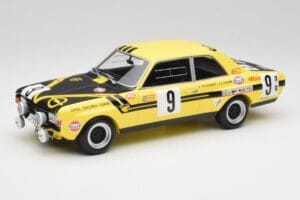
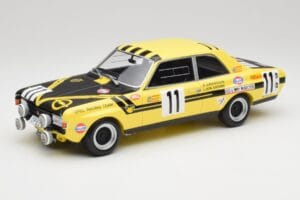
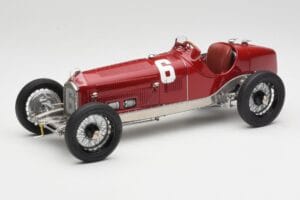


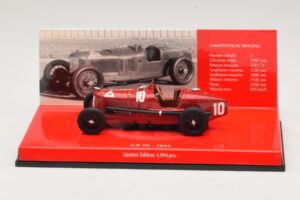
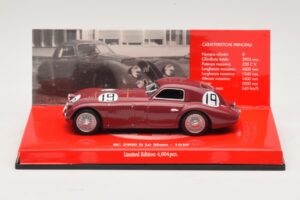
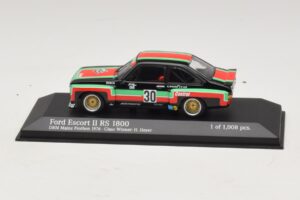
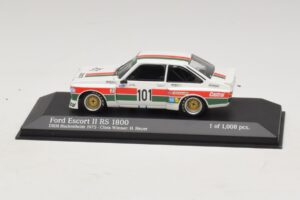
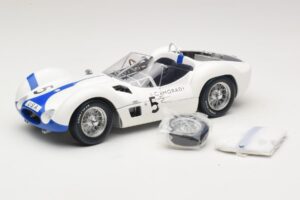
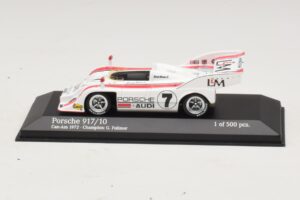
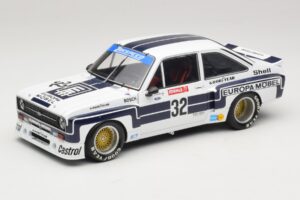

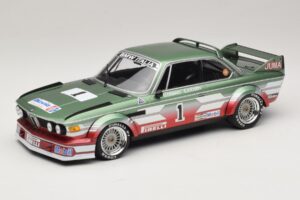
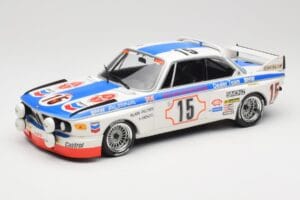


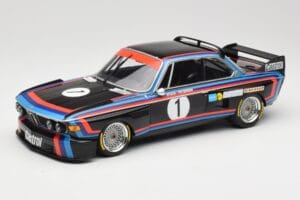
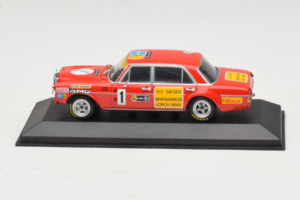


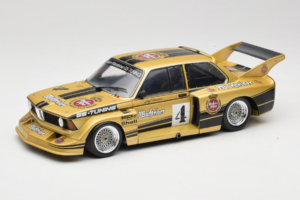

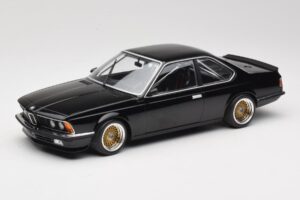
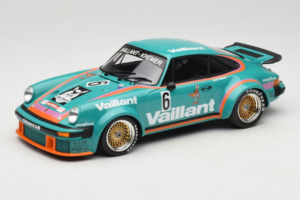
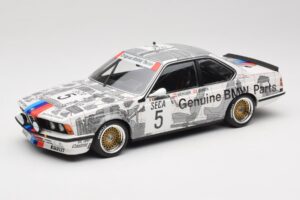
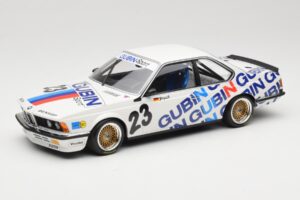
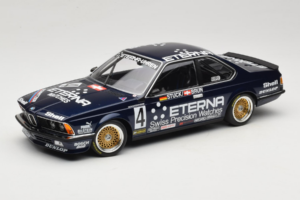
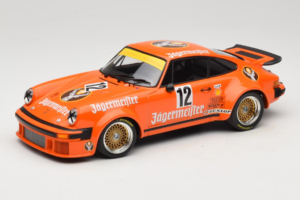
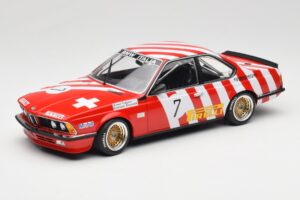

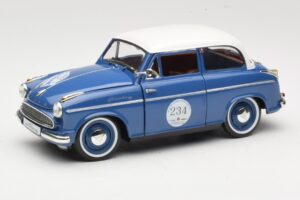
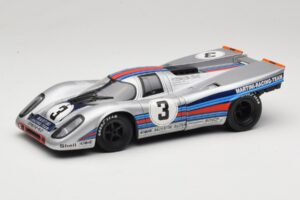

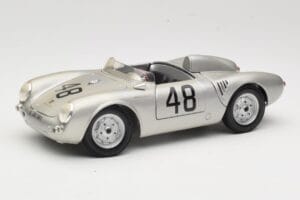

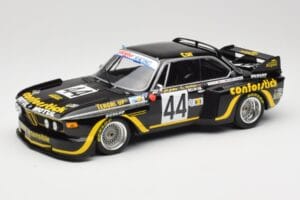
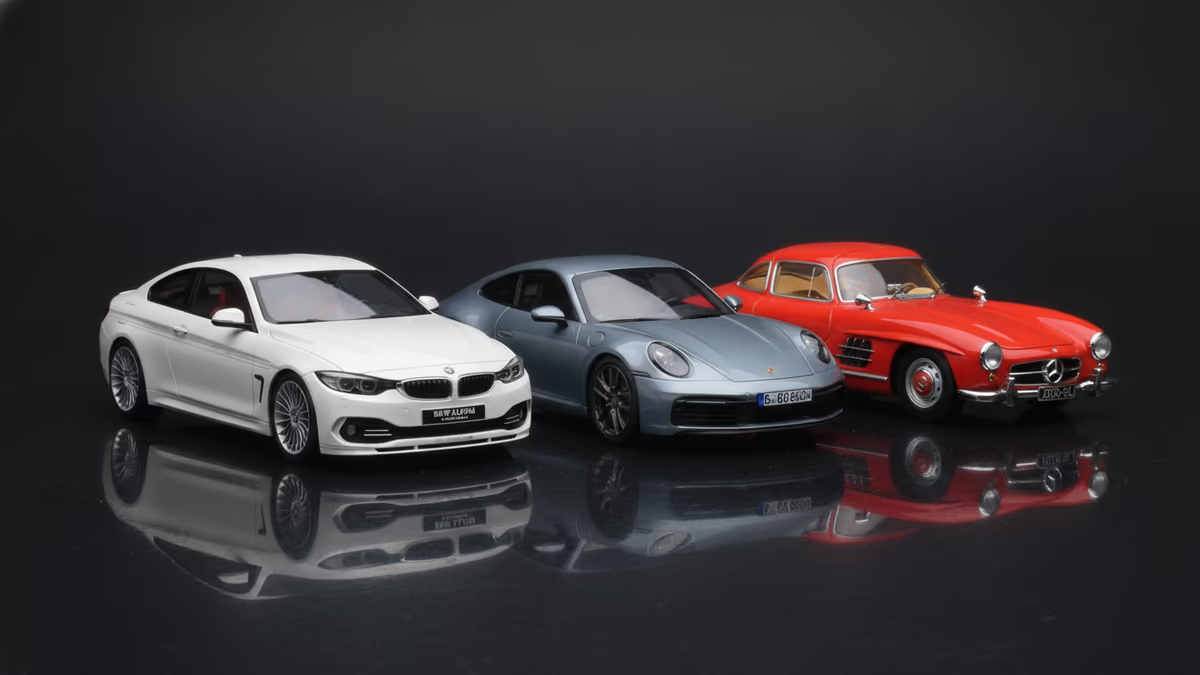
TL;DR: Group Racing Historic scale models document silhouette touring car racing from BMW, Ford, Opel, and Porsche, built at 1:18 and 1:43 in diecast and resin from Minichamps, IXO, and CMC. Coverage spans Pre-War through the 1980s, capturing an era when touring car regulations allowed genuinely dramatic bodywork.
Before modern GT3 rules standardized touring car silhouettes, an earlier generation of regulations left far more room for manufacturers to experiment, and the results were some of racing's most visually dramatic machines. This range documents that period.
Looser silhouette rules during the 1960s through 1980s let manufacturers like BMW, Ford, and Porsche push touring car bodywork toward flared arches, deep spoilers, and aggressive aero additions that bore only a loose resemblance to the road cars they were based on. This range's coverage of that period reflects the visual drama that made the era so distinctive, since a Group Racing Historic subject often looks dramatically more extreme than its road-going counterpart despite sharing a fundamental chassis.
Volvo, Alfa Romeo, and Mercedes join BMW, Ford, and Porsche in this range's coverage, reflecting genuine multi-manufacturer competition across several decades rather than a single dominant brand. Era coverage stretching back to Pre-War subjects shows that regulation-bending touring car racing has genuinely old roots, predating even the classic 1970s and 1980s period most associated with the category today.
Minichamps, IXO, CMC, MCG, and Otto all reproduce subjects from this category:
Because so many manufacturers pushed the same loose regulations toward similarly extreme results, comparing how different brands interpreted the rules is a rewarding exercise for collectors in this category.
A collection focused on this era benefits from pairing a road-going touring car with its widened, race-prepped counterpart, since the visual transformation between the two tells the regulation story more directly than either model alone. Collectors interested in a specific manufacturer rivalry can instead track two or three competing brands across a single closely fought season.
Looser silhouette regulations during this period let manufacturers push bodywork toward flared arches, deep spoilers, and aggressive aero additions, producing race cars that looked dramatically different from the road cars they were technically based on.
BMW, Ford, Porsche, Volvo, and Alfa Romeo all fielded competitive programs across multiple decades, giving this category genuine multi-manufacturer rivalry rather than a single dominant brand throughout its history.
Yes, era coverage stretches back to Pre-War racing, showing that regulation-bending touring car competition has roots predating even the classic 1970s and 1980s period most associated with the category.
1:18 gives the era's dramatic arch flares and aero additions enough physical space to read clearly, which matters since those extreme bodywork details are central to what makes the category visually distinctive.