Last one
Used
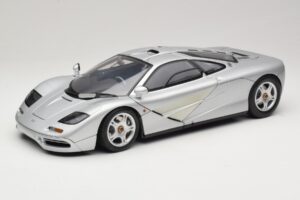
1:12 is the scale where a model becomes a genuine display statement, roughly double the footprint of a standard 1:18 piece and large enough to resolve engine and cockpit detail that smaller scales only hint at. The format spans diecast and resin construction, covering both car subjects and a well-established motorcycle diecast tradition, so a single scale serves two very different collecting interests.
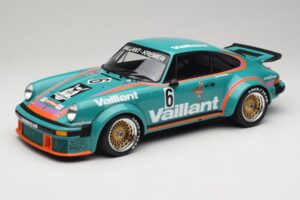

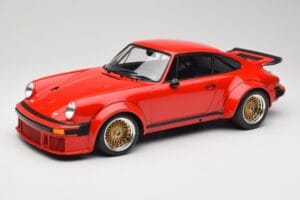


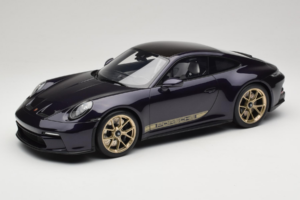
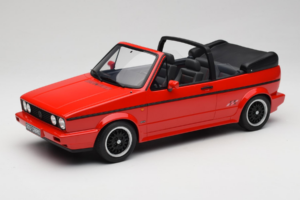


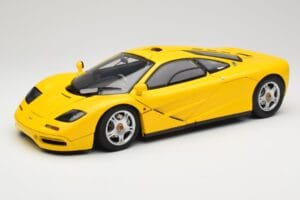
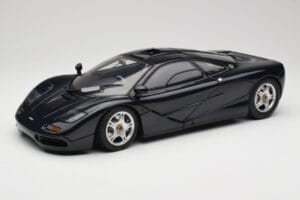
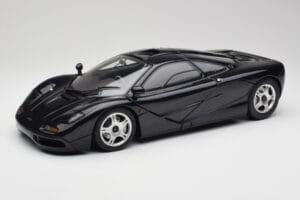

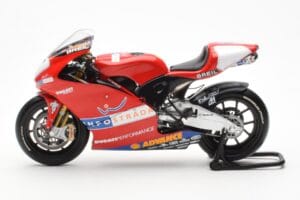

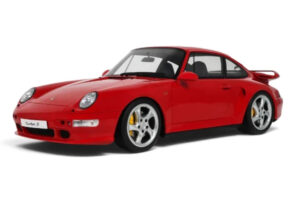
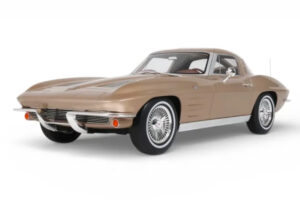
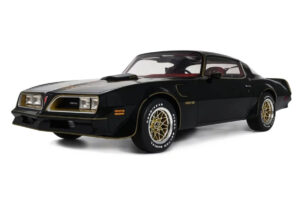


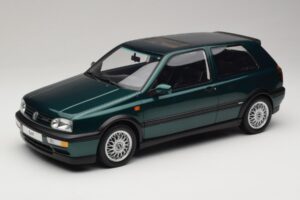
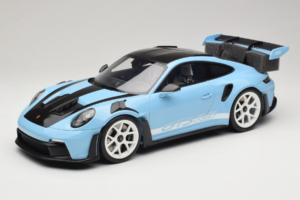
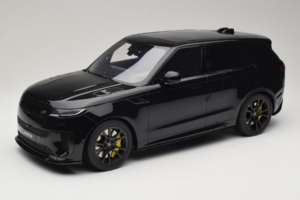
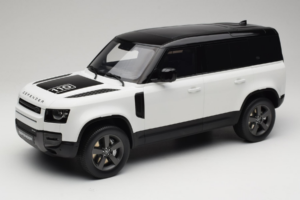
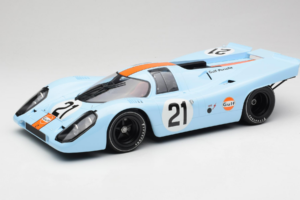

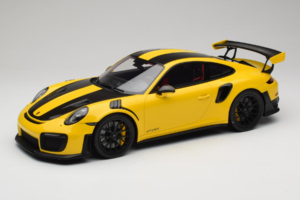



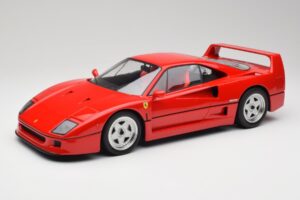
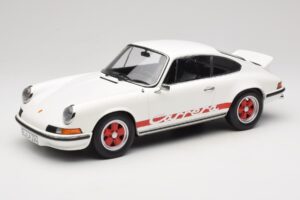
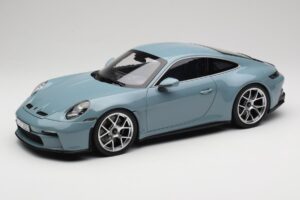


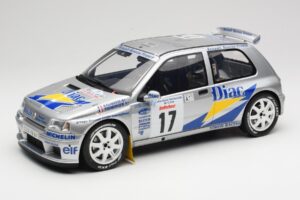
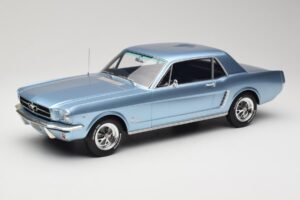
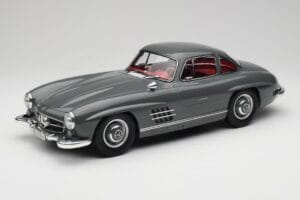

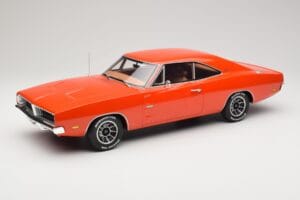
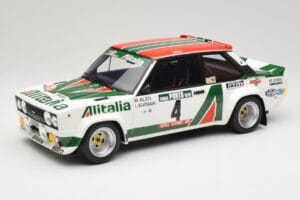


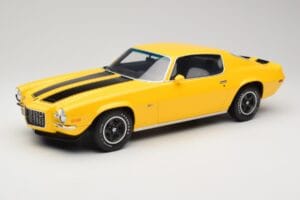
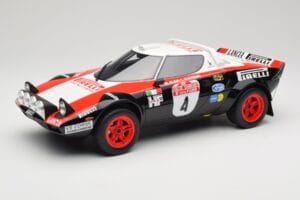

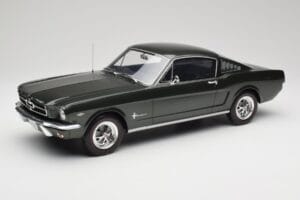
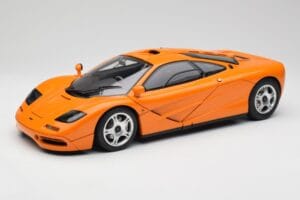




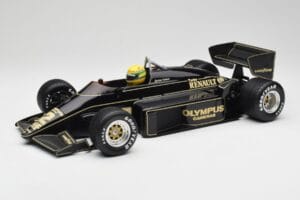
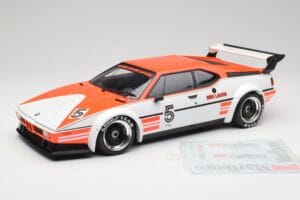
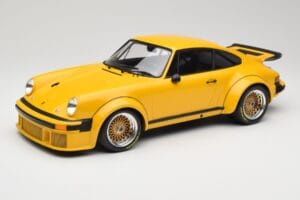
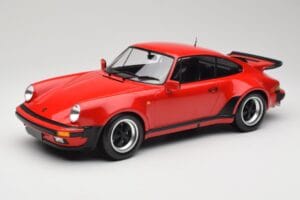
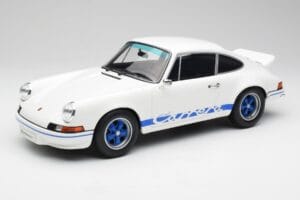
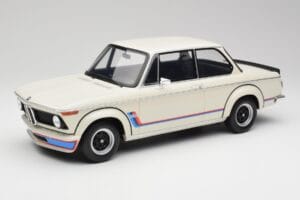
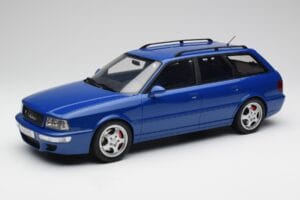
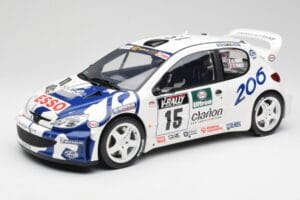
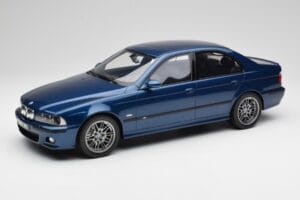





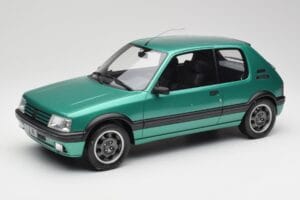

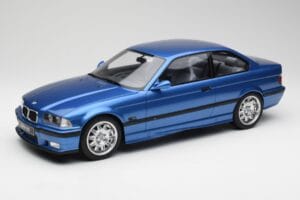
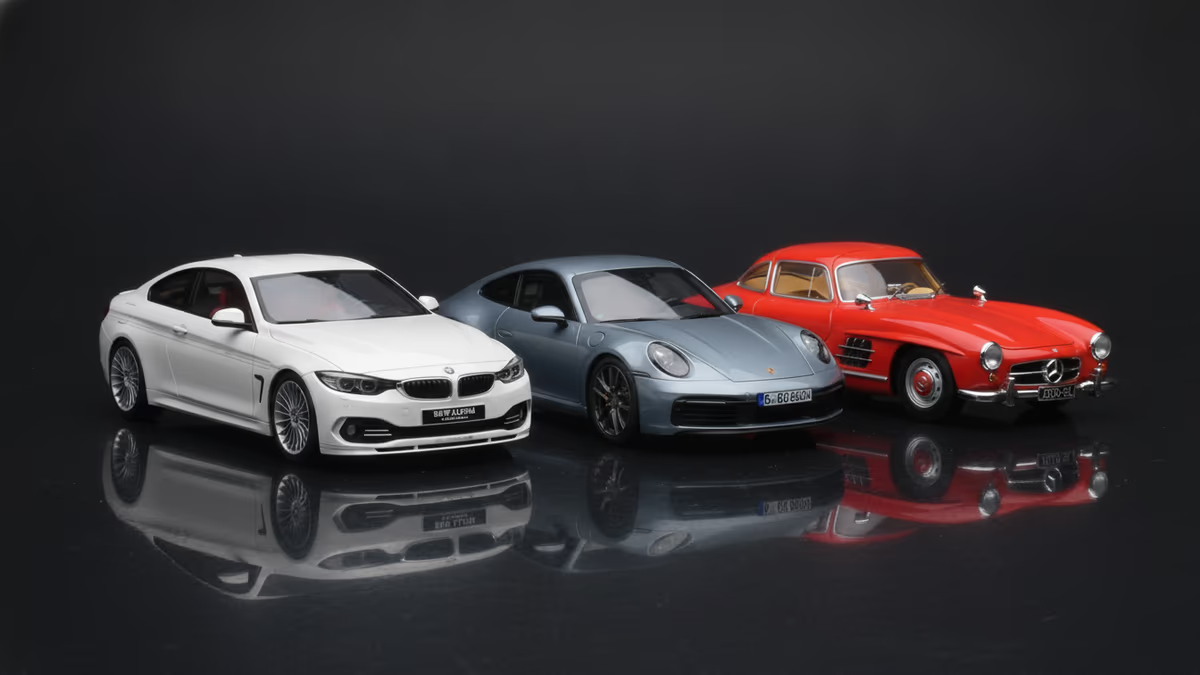
TL;DR: 1:12 scale models roughly double the footprint of 1:18 for museum-grade detail, spanning diecast and resin cars alongside a strong motorcycle diecast tradition. Coverage spans hypercars, classic sports, and premium subjects from the 1970s through the 2020s, built in metal or resin depending on the manufacturer.
Stepping up from 1:18 to 1:12 changes the collecting equation. A 1:12 car runs close to 38 to 40 centimeters long, which means engine bays, cockpit stitching, and brake calipers resolve at a level no smaller scale can match. Fewer manufacturers work at this size, and the ones that do tend to specialize rather than mass-produce, which is why 1:12 shelves read as curated rather than accumulated.
At 1:12, a model stops being a shelf item among many and becomes a focal piece. The scale demands real vitrine depth and cannot be crowded the way a 1:18 or 1:43 shelf can, so most collectors treat 1:12 purchases as deliberate, one at a time. Compared with 1:18, the jump in size roughly doubles linear dimensions, which is why manufacturers reserve 1:12 for subjects with genuine presence: hypercars, premium sports cars, and motorcycles where the extra size pays off in visible engineering detail. Construction splits between diecast and resin, same as smaller formats, but the trade-offs matter more here. A diecast 1:12 car carries real heft and typically opens doors and hood, while a sealed resin build holds tighter panel lines across a larger surface, which is a harder trick to pull off at this size than at 1:18.
Motorcycles are where 1:12 has its deepest roots. Minichamps built part of its reputation on 1:12 motorcycle diecast, reproducing racing machines with frame, exhaust, and livery accuracy that smaller scales cannot resolve. A motorcycle at this scale shows brake lines, fairing graphics, and suspension detail clearly, which is the whole appeal for riders and racing fans collecting alongside car enthusiasts. Marques represented in this range include performance brands like Ducati alongside car subjects from Porsche, BMW, and McLaren, so a 1:12 collection often splits across two display cases rather than sharing one shelf.
The manufacturers working in this scale include Minichamps, Otto, GT Spirit, Norev, and Kyosho, and each favors a different construction philosophy:
Reading a manufacturer's material choice before its name says more about what to expect on the shelf than the brand alone. Vehicle coverage in this range spans hypercars, classic sports, modern classics, muscle cars, and premium sports, with eras running from the 1970s through the 2020s, so a display can pair a seventies classic with a current hypercar and still read as coherent.
Vitrine planning changes meaningfully at this size. Where a 1:18 shelf might hold three cars per meter, 1:12 typically fits one or two, and a motorcycle needs less linear space but more depth for its stand and mirrors. Because fewer pieces fit per shelf, each purchase carries more visual weight, which is part of why 1:12 collectors choose subjects carefully rather than buying broadly. Direct light and dust matter just as much here as at smaller scales, but the larger surface area on a 1:12 body makes both more visible when neglected.
1:12 is roughly twice the linear size of 1:18, so an engine bay, cockpit stitching, and brake components resolve with far more clarity. Fewer manufacturers produce at this scale, and pieces demand more display space, so 1:12 collections tend to stay smaller and more curated than 1:18 shelves.
The scale gives frame geometry, exhaust routing, and livery graphics enough physical space to read accurately, which smaller scales compress into approximation. Minichamps built much of its reputation on 1:12 motorcycle diecast for this reason, and the tradition continues across current racing subjects.
Many collections do. Diecast suits collectors who want opening doors and hoods, while resin holds tighter panel lines for display-only pieces behind glass. Choosing by subject rather than committing to one material across a whole shelf is a common and practical approach.
Expect one to two models per linear meter of shelf, roughly half the density of a 1:18 display, with motorcycles needing less width but more depth for stands and mirrors. Planning vitrine space before buying avoids the scale's most common problem: running out of room after only a handful of pieces.