Last one
New arrival
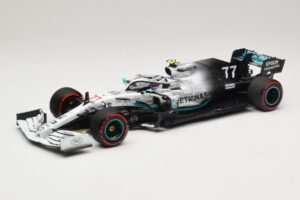
Formula 1 collecting rewards documentation more than almost any other motorsport theme, since every season brings new liveries, drivers, and technical regulations. This range covers Red Bull Racing, McLaren, Mercedes, and Ferrari across 1:18 and 1:43, in diecast and resin.
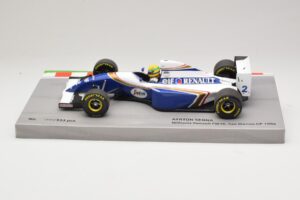
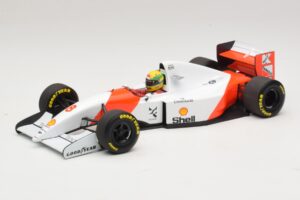
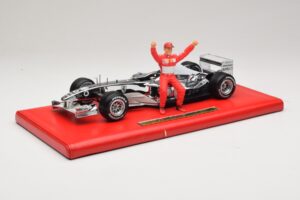
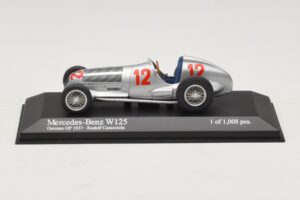
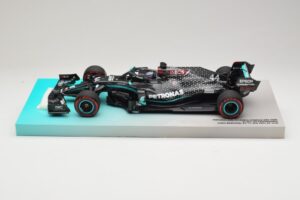
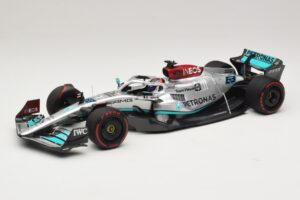
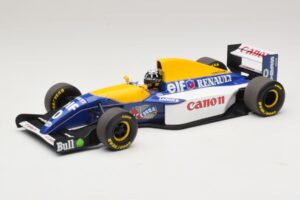
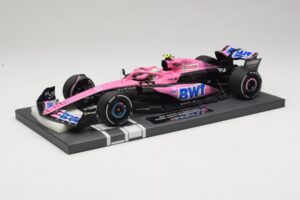
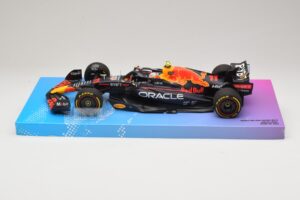
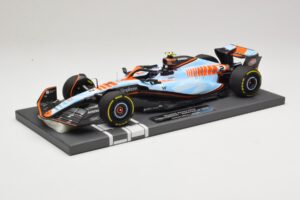
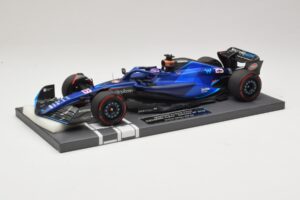
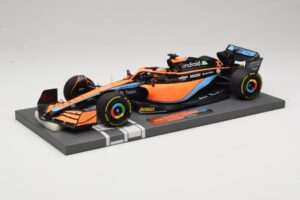
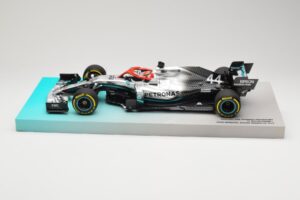
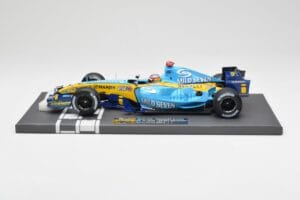
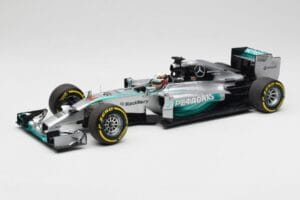
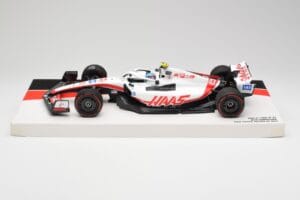

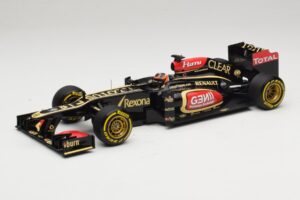

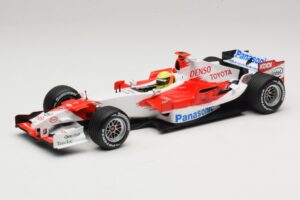
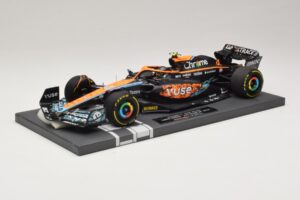

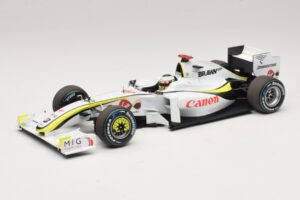
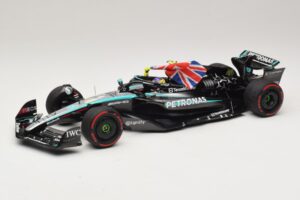
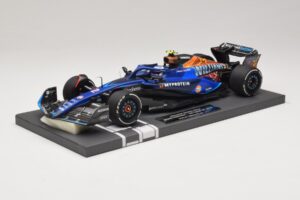
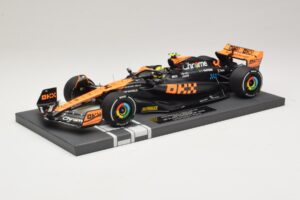
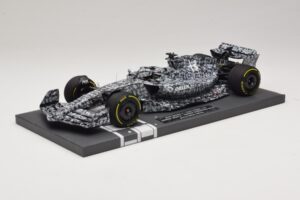
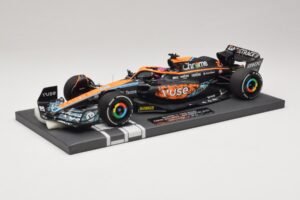
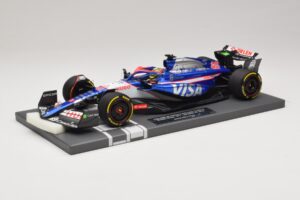
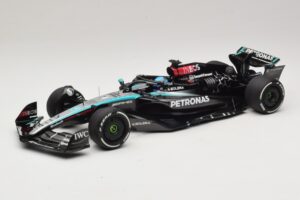
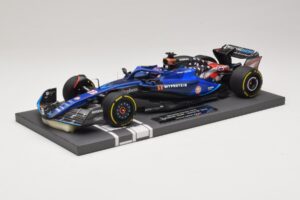
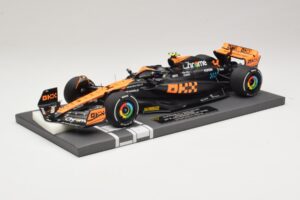
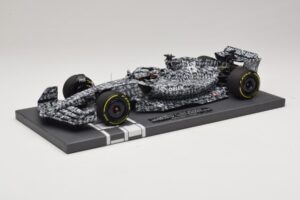
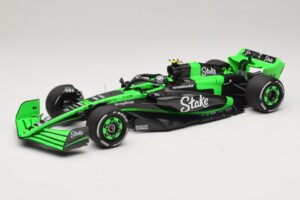
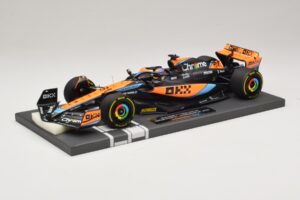
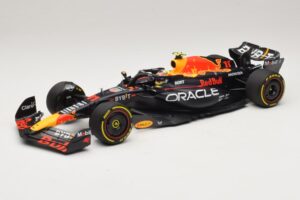
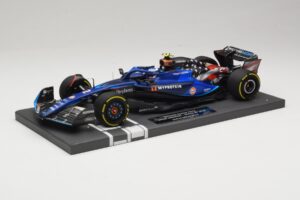
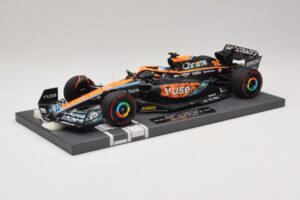
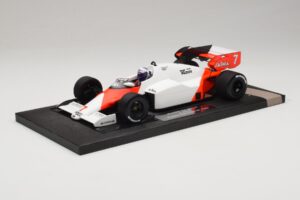
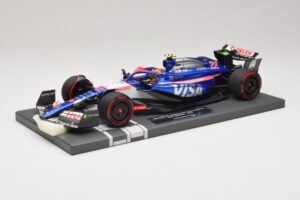
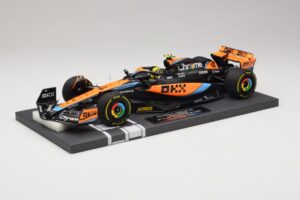
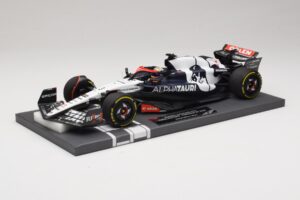
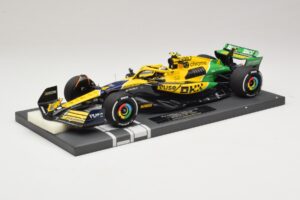
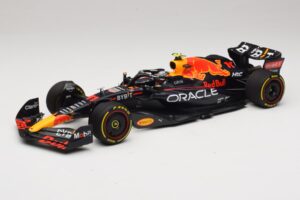
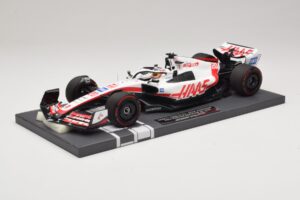
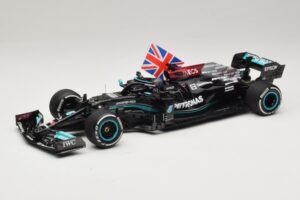
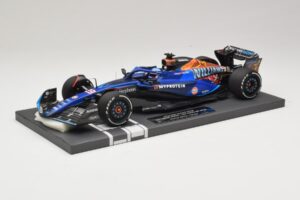
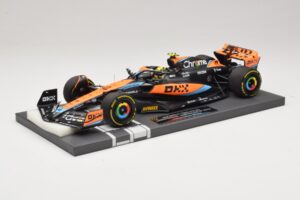

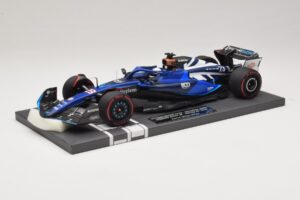
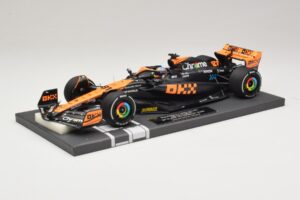
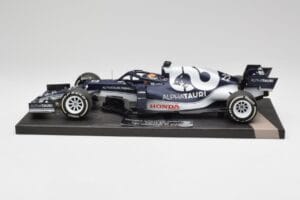
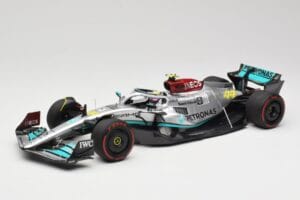
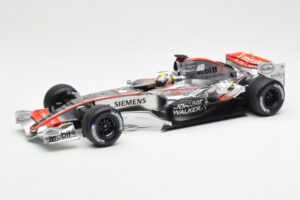
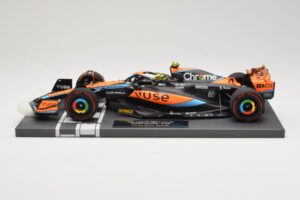


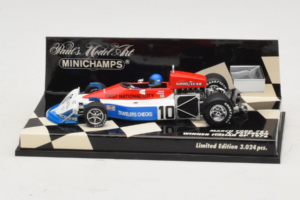
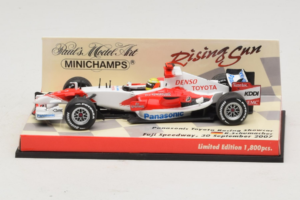
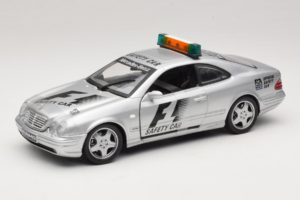
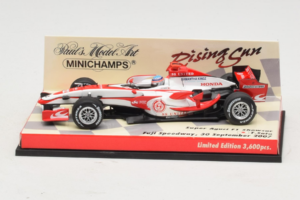

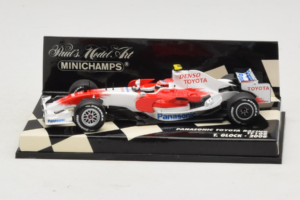


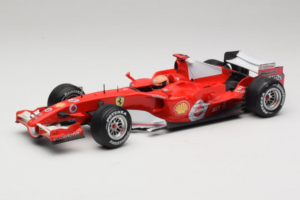
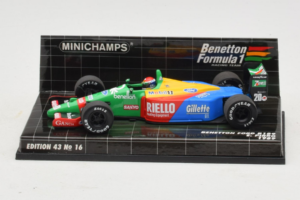

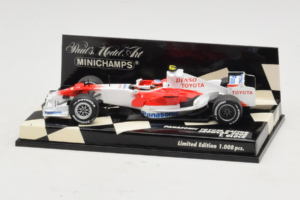
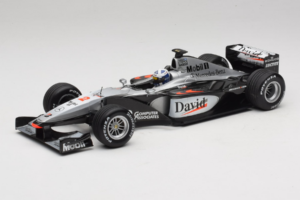
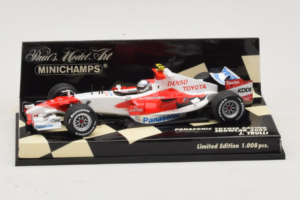
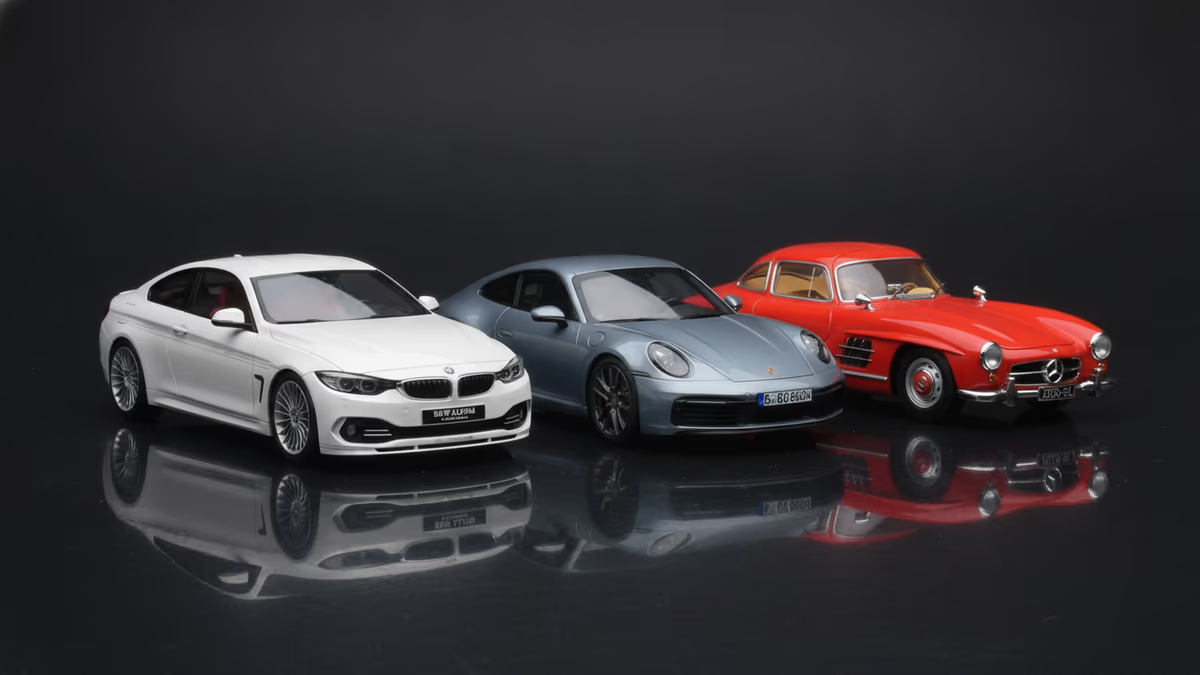
TL;DR: Formula 1 scale models document teams including Red Bull Racing, McLaren, Mercedes, Williams, and Ferrari from Minichamps, MCG, and BBR, built at 1:18 and 1:43 in diecast and resin. Coverage spans the 1990s through the 2020s, capturing multiple distinct technical and championship eras.
Formula 1 gives collectors more genuine season-to-season variety than almost any other motorsport category, with new liveries, driver lineups, and technical regulations arriving nearly every year. This range documents that history across three decades.
What makes Formula 1 collecting distinct is the sheer density of documentable variety: a single team's livery can change meaningfully within one season through sponsor updates, and the technical regulations shift enough between eras to make cars from different periods visually and mechanically distinct. Red Bull Racing, Mercedes, and Ferrari subjects in this range each represent multiple eras of that evolution, giving collectors the ability to trace a single team's competitive arc across regulation changes.
Era coverage running from the 1990s through the 2020s spans genuinely distinct technical periods: naturally aspirated engines giving way to V8s, then the current turbo-hybrid power units that reshaped both sound and race strategy. Renault, Benetton, and Toyota subjects from earlier eras round out the historical picture, representing manufacturers whose Formula 1 involvement has since ended or evolved significantly.
Minichamps, MCG, BBR, Hot Wheels, and Bburago all reproduce Formula 1 subjects:
Comparing releases across manufacturers on the same season is common practice, since livery accuracy and decal quality can vary meaningfully between competing producers.
Most serious Formula 1 collections follow either a specific team across multiple seasons or a single championship-winning year across the full grid, since both approaches produce genuine documentary depth. Collectors with personal driver loyalty often build around a specific competitor's career, tracing their liveries across every team and season they raced for.
Liveries, driver lineups, and technical regulations shift meaningfully year to year and era to era, giving Formula 1 more documentable variety within a single sport than most other motorsport categories, which is why season-specific collecting is so common.
1:18 suits collectors focused on a single car or driver where cockpit and aerodynamic detail matter most, while 1:43 lets a collector document an entire grid or season across multiple teams on practical shelving.
The switch to turbo-hybrid power units introduced new bodywork requirements and technical aesthetics distinct from the earlier naturally aspirated era, giving collectors a clear dividing line between older and current-generation Formula 1 subjects.
Both are valid approaches. Following a team across seasons shows technical and livery evolution over time, while following a specific driver's career traces their liveries across every team they competed for throughout their time in the sport.