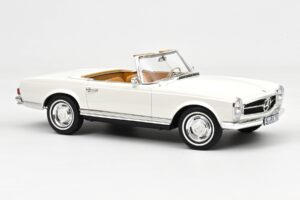
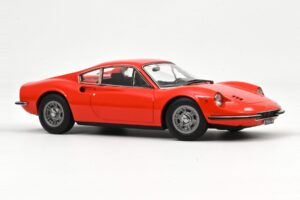
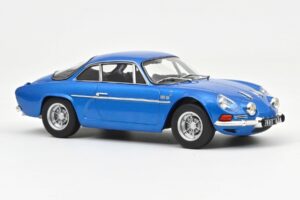
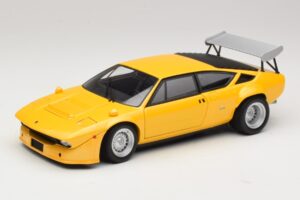
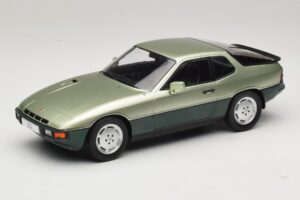
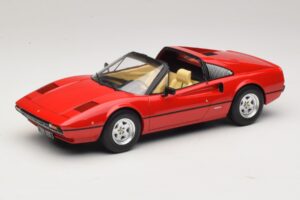
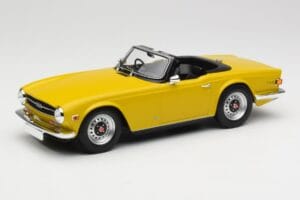
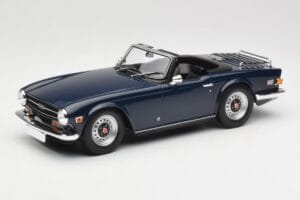
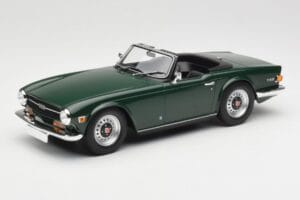
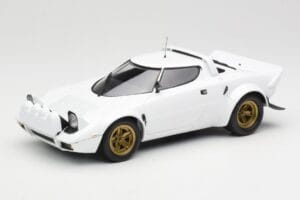
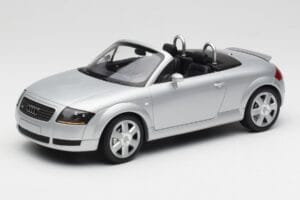
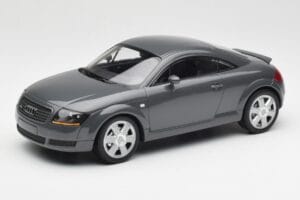
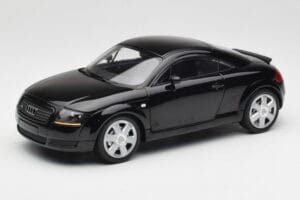
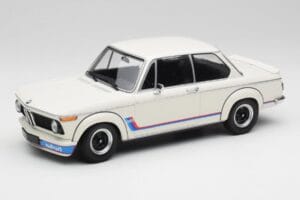
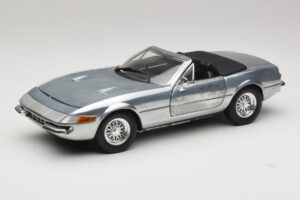
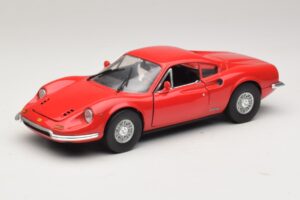
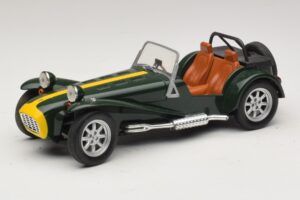
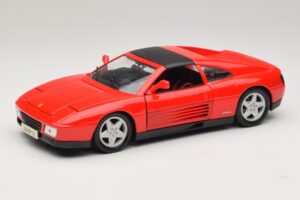
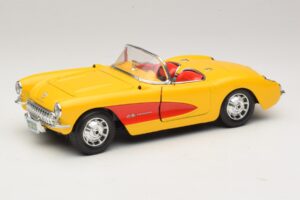
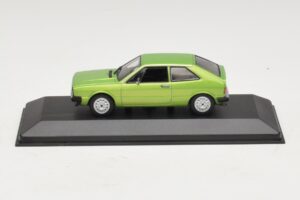
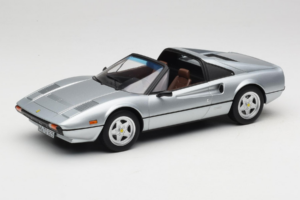
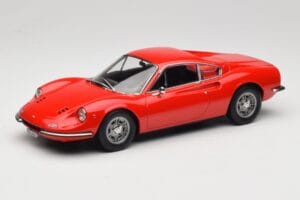
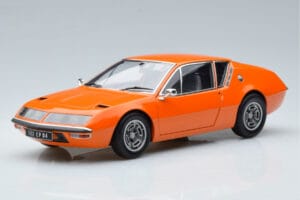
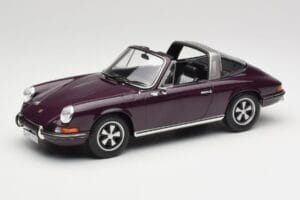
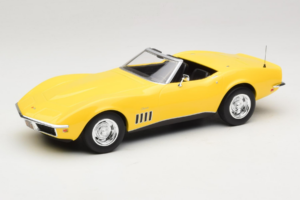
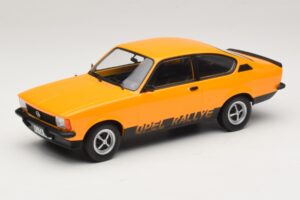
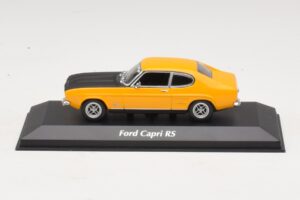
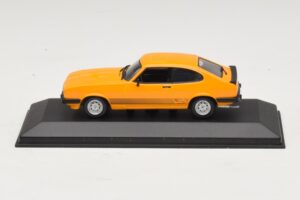
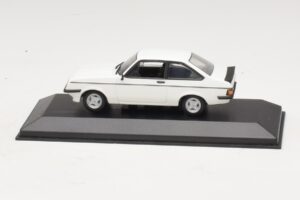
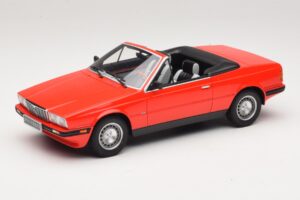
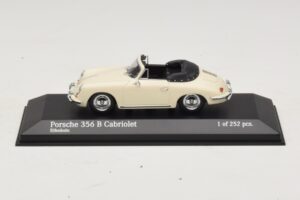
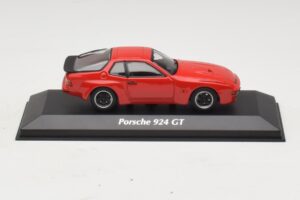
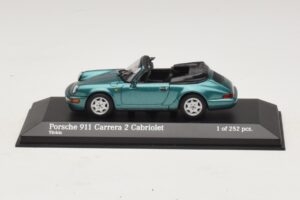
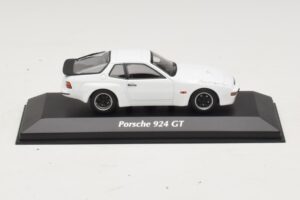
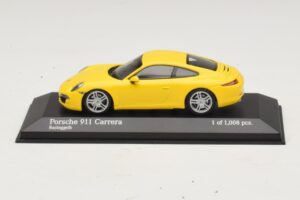
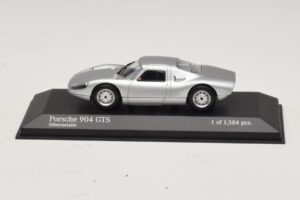
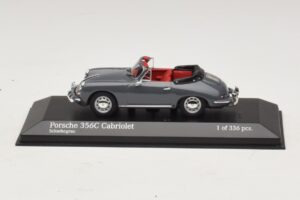
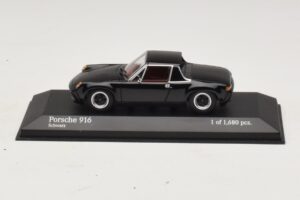
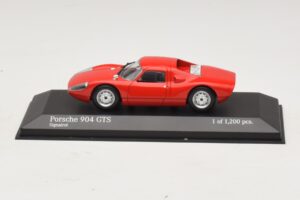
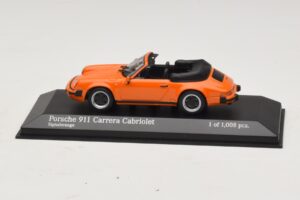
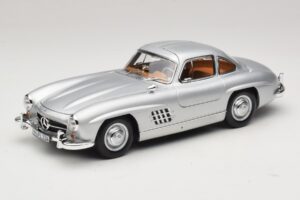
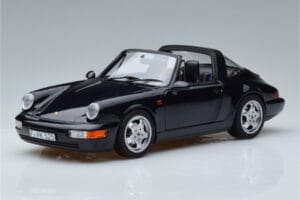
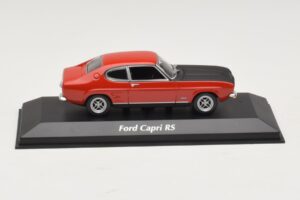
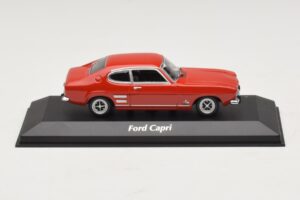
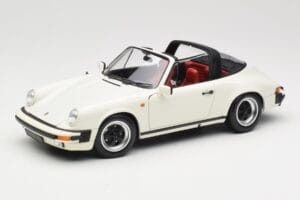
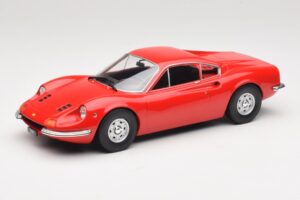
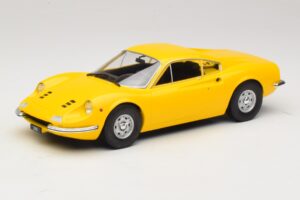
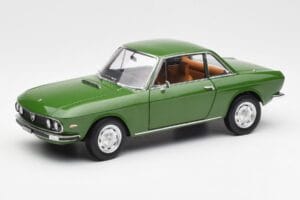
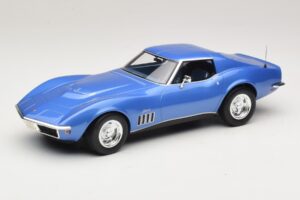
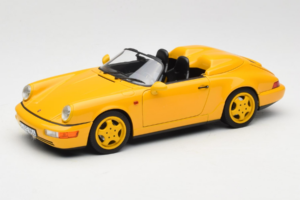
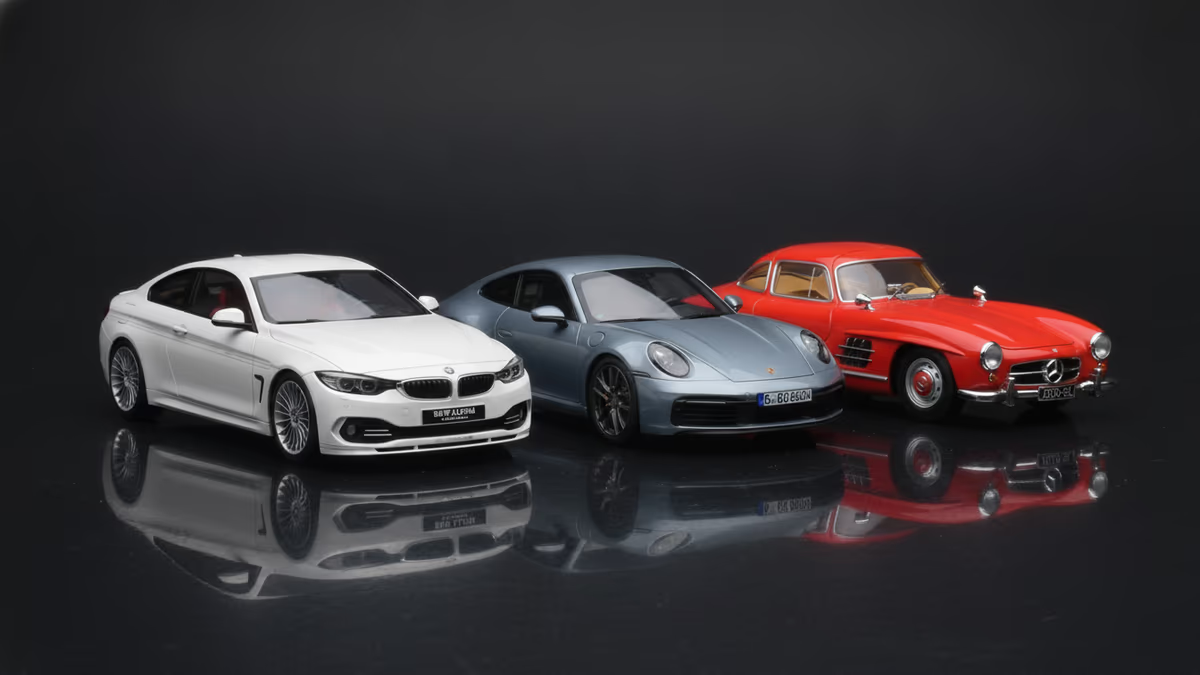
TL;DR: Classic sports car scale models cover Porsche, BMW, Ferrari, and Alfa Romeo subjects from the 1960s through the 1990s, built at 1:18, 1:43, and 1:12 in diecast and resin from Minichamps, Norev, and Bburago. This vehicle class documents cars built for genuine driving engagement rather than pure racing or luxury.
Classic sports cars occupy a specific and enduring niche: quick enough to reward a spirited drive, refined enough for everyday use, and usually carrying at least some connection to period racing. This range documents four decades of that formula.
Classic Sports Car Scale Models and What Defines the Category
What separates a classic sports car from a pure racer or a grand tourer is balance: enough performance to feel genuinely engaging, enough usability for regular driving, and a design language built around the driving experience rather than luxury or straight-line speed alone. Porsche, Ferrari, and Alfa Romeo subjects in this range exemplify that balance, often carrying a documented racing pedigree that connects the road-going model directly to period competition history.
Four Decades of Design and Engineering Evolution
Era coverage running from the 1960s through the 1990s captures real evolution in what a sports car could be. The 1960s and 1970s produced lighter, more mechanically direct cars, while the 1980s and 1990s introduced turbocharging and increasingly sophisticated engineering without abandoning the category's core driving-focused identity. Tracing a single marque, Porsche especially, across this span shows how consistently the classic sports car formula held even as underlying technology changed dramatically.
Manufacturers Covering Classic Sports Cars
Minichamps, Norev, Bburago, AUTOart, and Kyosho all reproduce classic sports car subjects:
- 1:18 suits collectors focused on interior and body line detail for a small number of significant subjects.
- 1:43 fits those documenting a full model lineage or era across many variants.
- 1:12 appears on select flagship subjects for deeper mechanical detail.
Because so many manufacturers compete on the same landmark subjects within this category, comparing construction quality across releases is common practice for serious classic sports collectors.
Building a Classic Sports Car Collection
A classic sports car collection benefits from choosing either a single marque followed across decades or a single decade followed across marques, since both approaches produce a more coherent story than random accumulation. Collectors drawn to racing pedigree often prioritize subjects with documented competition history, while those focused on pure design evolution build chronologically within one brand.
Frequently Asked Questions
What separates a classic sports car from a grand tourer?
Classic sports cars prioritize driving engagement and lighter, more direct engineering, while grand tourers emphasize comfort for long-distance travel. Both can share performance figures, but the underlying design philosophy differs meaningfully between the two categories.
Why do classic sports cars often reference racing history?
Many models in this category, particularly from Porsche and Ferrari, share direct engineering lineage with period competition cars, giving the road-going version a documented racing pedigree that adds to its collecting significance.
Which scale is best for classic sports car detail?
1:18 gives body line and interior detail enough space to read clearly for a small, focused collection, while 1:43 suits collectors documenting a broader model lineage or era across many subjects.
Should a classic sports collection focus on one marque or one era?
Both approaches work well. Following a single marque across decades shows engineering evolution, while following a single decade across marques shows how different brands solved the same design challenge simultaneously.