Used
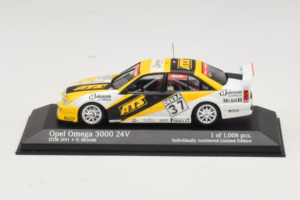
The 1990s Super Touring years packed grid after grid with evenly matched sedans wearing wild sponsor liveries, turning ordinary Opels, BMWs, and Fords into genuine racing icons. This collection gathers that era in 1:18 and 1:43, where livery variety does as much of the work as the castings themselves.
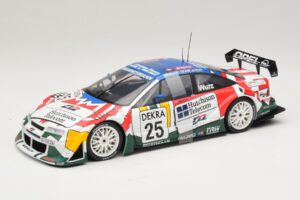

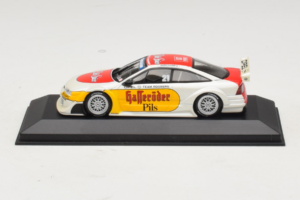
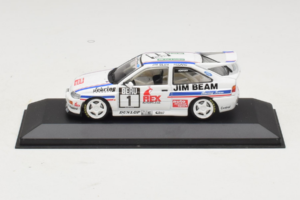
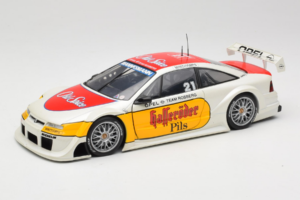

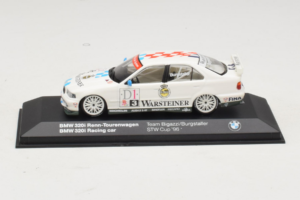
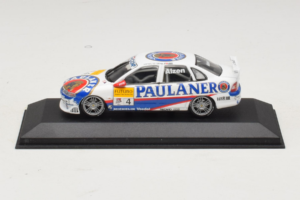
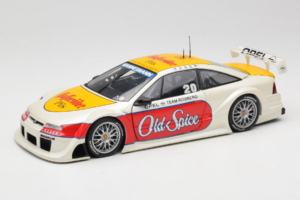

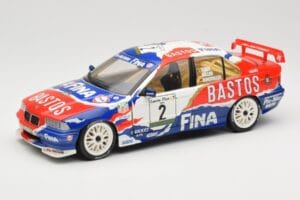
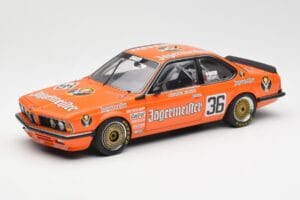


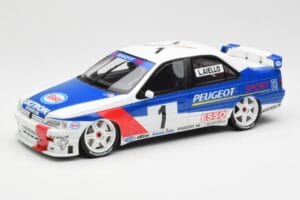

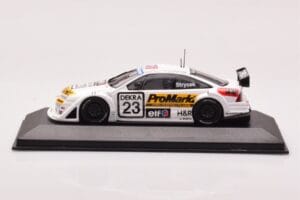


TL;DR: 90s touring car scale models capture the Super Touring era of BTCC and DTM racing, featuring Opel, BMW, Ford, Audi, Jaguar, Mercedes, and Peugeot liveries in 1:18 and 1:43 diecast and resin from manufacturers including Minichamps and AUTOart, spanning the late 1980s through the 1990s.
Few racing eras reward a collector's eye for livery detail like 90s touring car racing. Regulations kept the cars close in performance, which pushed manufacturers and sponsors to fight for attention through paint schemes instead, and that visual arms race is exactly what fills a themed touring car shelf today.
This corner of the hobby draws heavily on the motorsport specialists rather than mass-market diecast: names like Minichamps, UT Models, AUTOart, IXO, and Otto built reputations on documenting racing seasons with accurate liveries and correct period detail, spanning both diecast and resin construction. Because grids in this era ran deep, with multiple teams campaigning the same base car under different sponsor colors, manufacturers active in touring cars tend to release far more livery variations per chassis than in road-car collecting.
The British Touring Car Championship's Super Touring years and Germany's DTM ran in parallel through the 1990s, each producing grids where Ford, Opel, BMW, Audi, and Peugeot went wheel to wheel in near-identical machinery. Jaguar and Mercedes entries added further variety on the DTM side. The tight competition meant races were often decided by inches, and that drama is part of why collectors still chase specific season liveries rather than just a brand name.
A themed touring car shelf rewards organizing by season or manufacturer rivalry rather than by scale alone. Some collectors track a single marque's works team across consecutive seasons; others chase every livery from one iconic year, mixing manufacturers to recreate a specific grid. Because 1:43 allows denser display, many serious touring car collectors run that scale for season completeness while reserving 1:18 for a handful of career-defining liveries.
Tight regulations kept performance close between manufacturers, so races were decided by driver skill and strategy rather than raw speed. That competitive parity produced dramatic seasons and bold sponsor liveries, both of which give collectors rich, specific subjects to chase season by season.
1:43 suits collectors documenting a full season or championship grid, since it fits more liveries per shelf. 1:18 works better for a smaller selection of standout cars where display presence and livery detail matter more than breadth.
Both appear regularly in this category. Diecast dominates mass-produced releases, while resin often covers shorter-run or more specialized liveries, particularly from motorsport-focused manufacturers documenting less common team entries.
Either approach works well. Following one series lets a collector build complete season coverage, while mixing BTCC and DTM highlights how the same manufacturers, like BMW or Ford, approached different regulations and rivalries across two major championships.