Last one
Used
Back in stock
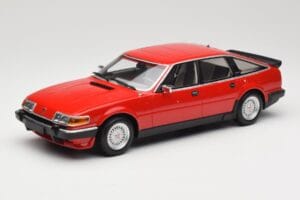
The liftback and fastback silhouette solved a genuine design problem: sporting proportions with usable rear access, and this collection follows that solution across grand tourers, modern classics and JDM sports subjects. Porsche, Audi, Ford, Citroen and Renault appear across 1:18, 1:43 and 1:12 diecast and resin.
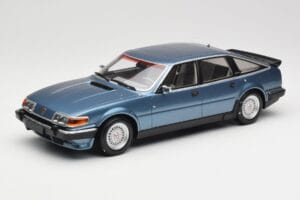
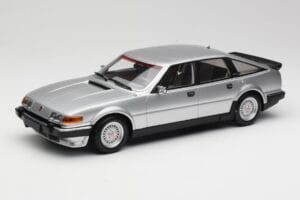
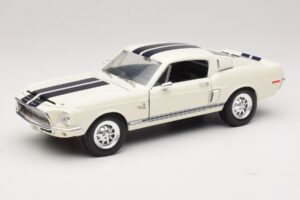
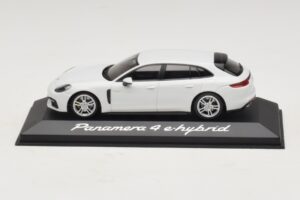
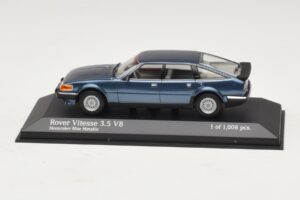
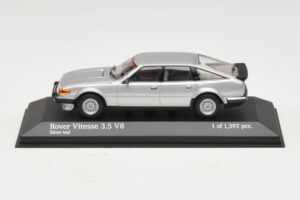

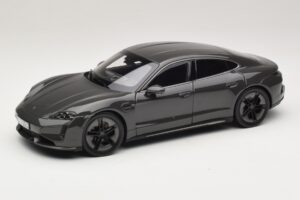
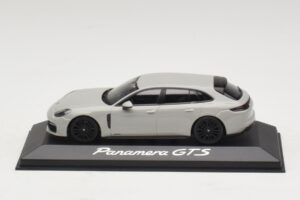
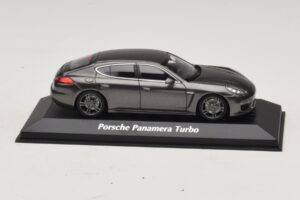
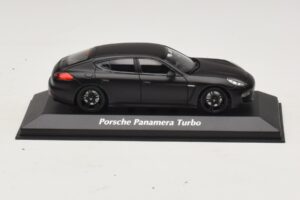
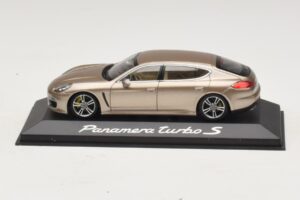

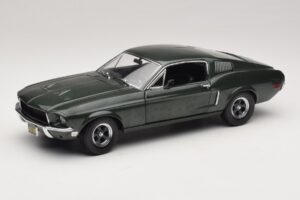

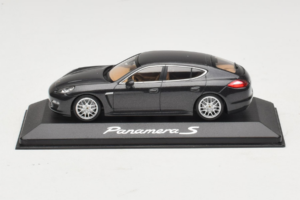

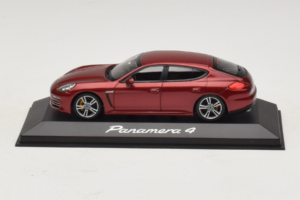

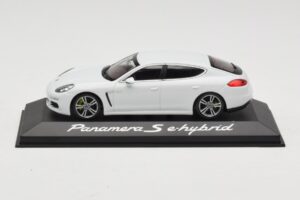

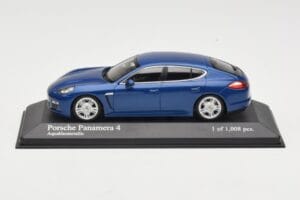
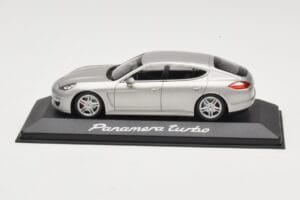
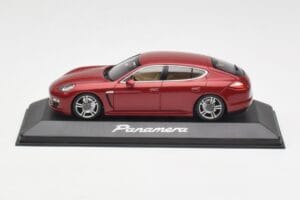

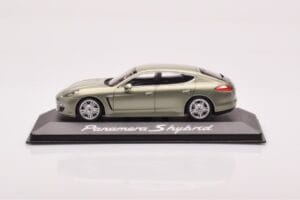
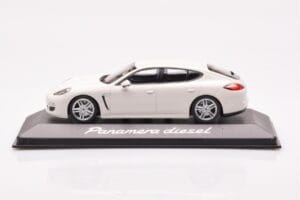
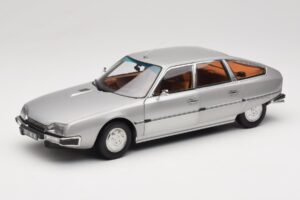
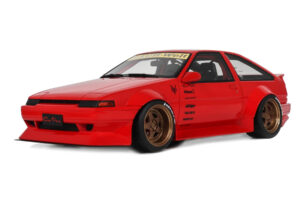
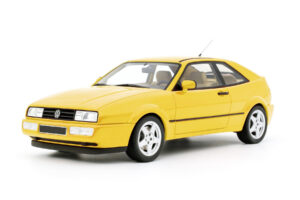
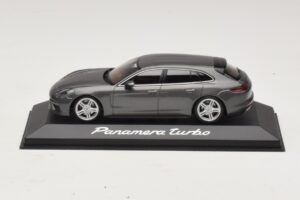

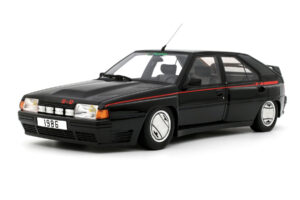


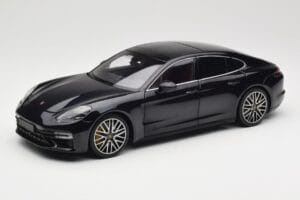


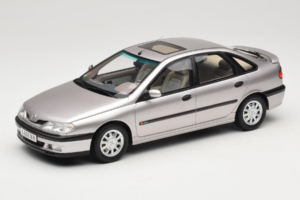
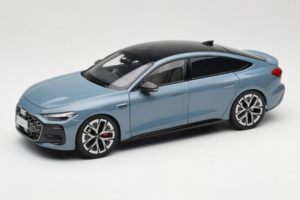
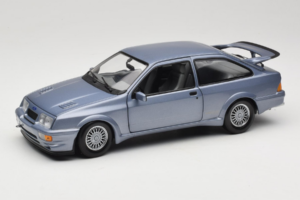
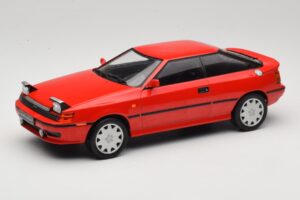
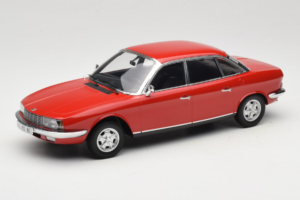


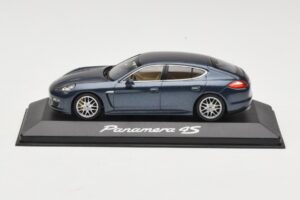

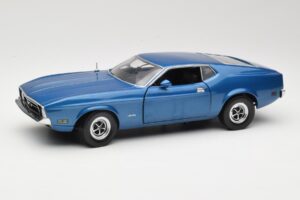


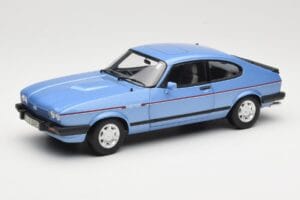
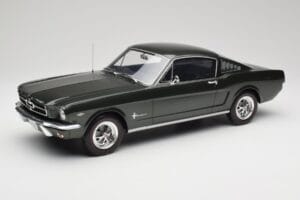
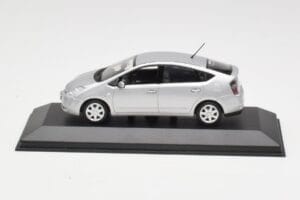
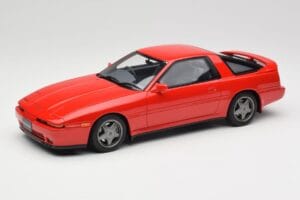
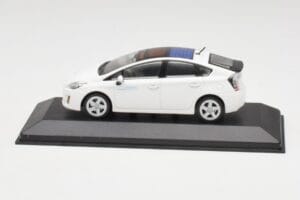

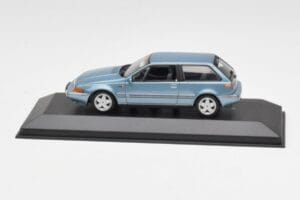

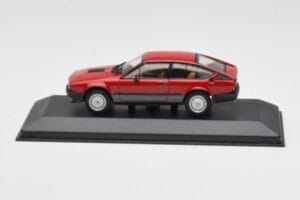
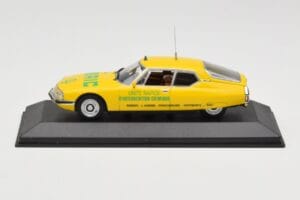
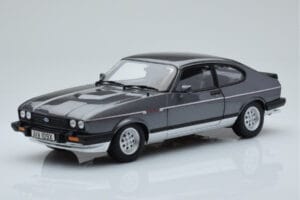
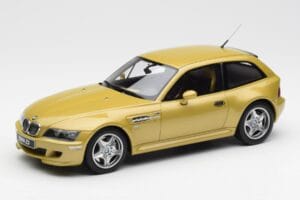

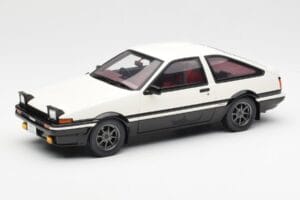
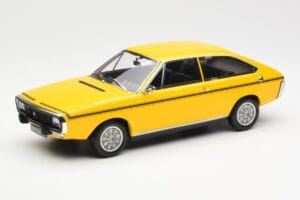
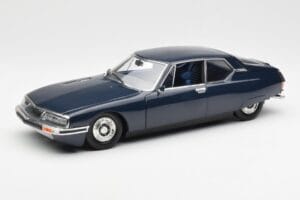
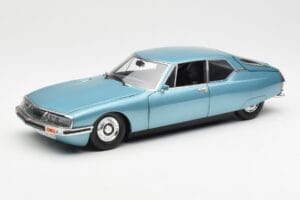
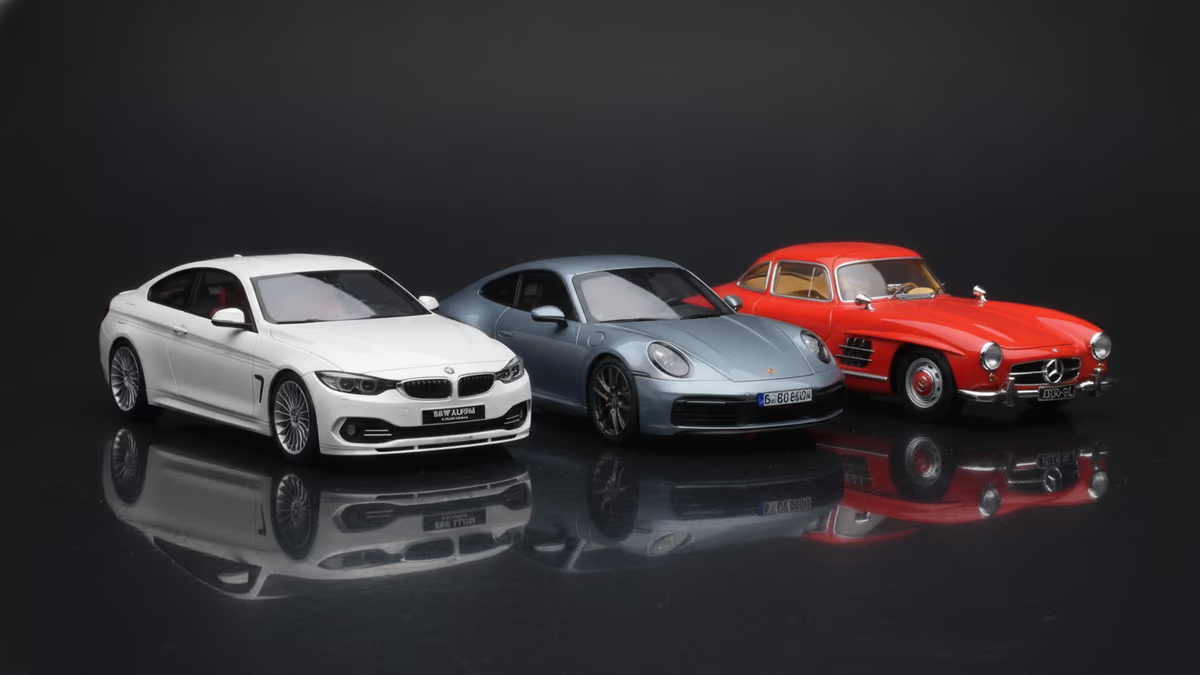
TL;DR: Liftback and fastback scale models cover Porsche, Audi, Ford, Citroen, Renault, Toyota, Rover and Alfa Romeo across 1:18, 1:43 and 1:12 diecast and resin. Coverage spans grand tourers, modern classics and executive sedans from the 1970s through 2020s.
Body style is a genuinely useful way to browse scale models, and the liftback and fastback category groups cars united by a sloped, single-piece rear hatch rather than by marque or era. Liftback and fastback scale models reward this approach because the silhouette itself, low and continuous from roofline to tail, carries a distinct visual identity across very different manufacturers.
A fastback's defining challenge for a scale manufacturer is the continuous roofline curve into the rear glass and hatch, a single unbroken surface that shows any tooling inconsistency immediately. Minichamps and Norev handle this well across executive sedan and grand tourer subjects, where a Porsche or Audi's fastback profile depends on that curve reading correctly from every angle. Otto and Kengfai bring similar attention to JDM and modern classic fastback subjects, while GT Spirit extends coverage into resin territory for sharper surface accuracy on the sloped rear glass.
Organizing a shelf by body type rather than marque creates a different kind of visual coherence than a brand-focused collection. A row of fastbacks from Porsche, Audi and Citroen shows how different manufacturers solved the same design brief, sloped roofline, usable cargo access, sporting stance, in genuinely different ways depending on national design philosophy and era.
1:18 dominates for fastback grand tourers and executive sedans, where the extended roofline glass and rear hatch detail benefit from the larger surface area. 1:43 supports broader model-lineage documentation, useful for collectors tracing how a single manufacturer's fastback design evolved from the 1970s through the 2010s. Era coverage concentrates in the 1970s through 1980s, when the fastback silhouette was at its most widespread across European and Japanese manufacturers, extending into contemporary 2020s interpretations.
A fastback-focused shelf works well as a cross-brand display, since the visual thread comes from the roofline rather than any single marque's identity. Collectors often pair a 1970s Citroen or Renault fastback with a contemporary Porsche or Audi equivalent to show how the design brief persisted across five decades despite very different engineering approaches.
A fastback carries a continuous sloped roofline extending into a single-piece rear hatch, unlike a traditional sedan's separate trunk lid and more upright rear glass, giving it a sportier profile with practical cargo access.
Minichamps and Norev provide the broadest coverage across European fastback subjects, with Otto and Kengfai extending into JDM and modern classic interpretations of the same body style.
1:18 suits fastback grand tourers particularly well, since the larger surface area shows the extended roofline glass and rear hatch detail that defines the body style.
No, though it saw its widest adoption in the 1970s and 1980s across European and Japanese manufacturers, the silhouette continues in contemporary form through modern 2020s grand tourers and sports models.