Last one
New arrival

GT racing spans decades and disciplines under one recognizable body style: closed-cockpit sports cars built for endurance rather than sprint speed. This range covers Porsche, BMW, Ferrari, and McLaren across 1:18 and 1:43, in diecast and resin.






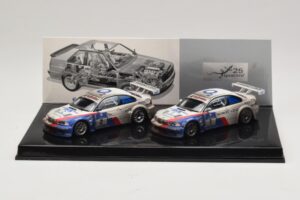






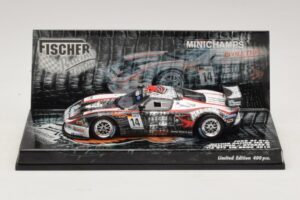

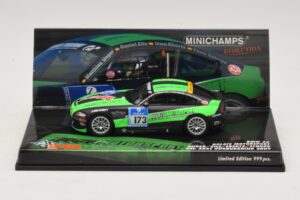











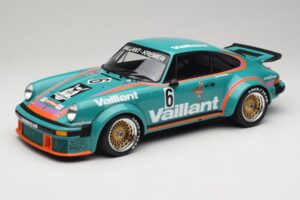

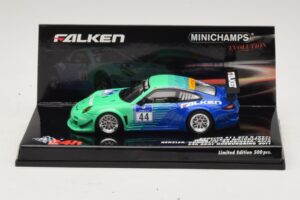


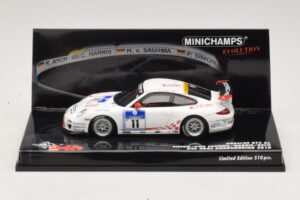
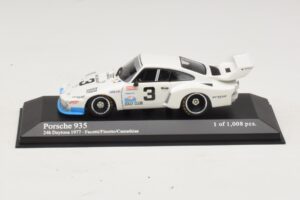
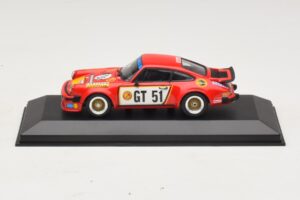

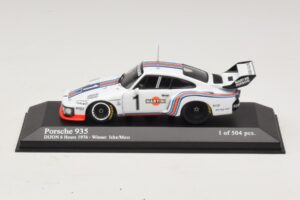


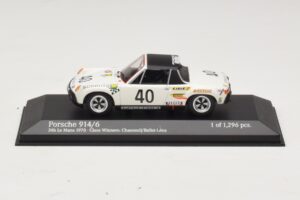
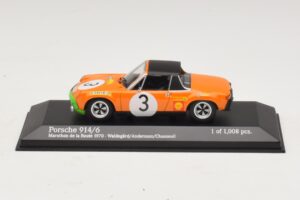

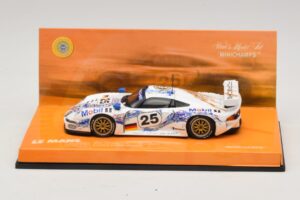
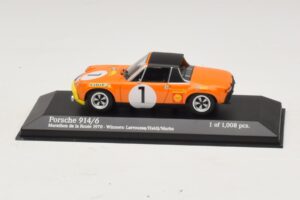
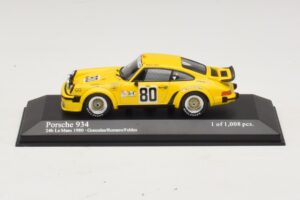
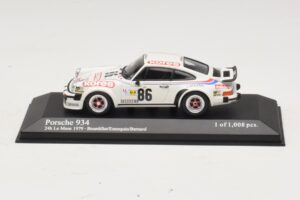
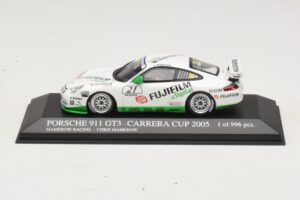

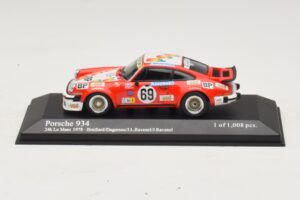
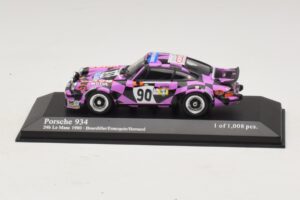
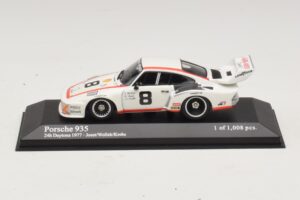
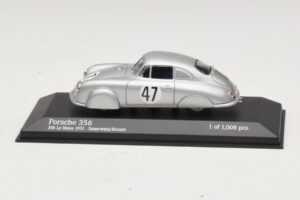
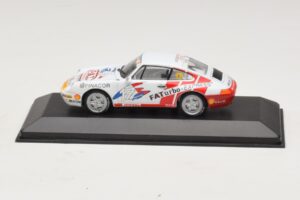
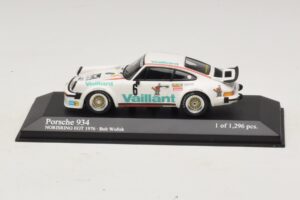
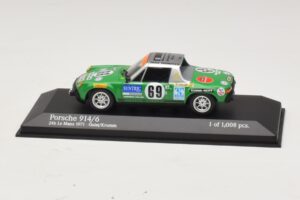
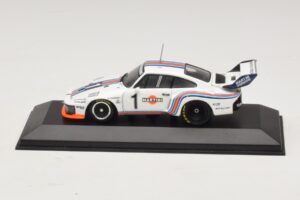
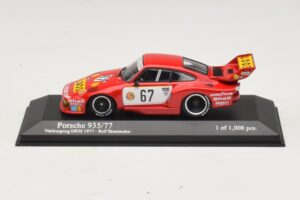
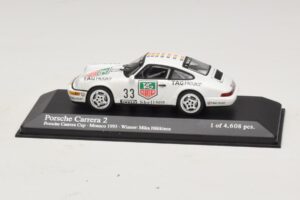







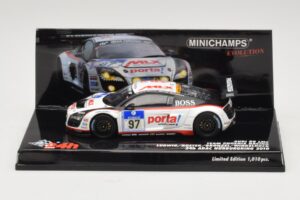

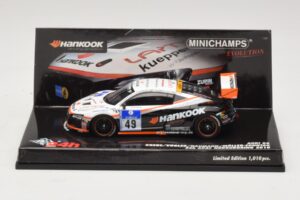




TL;DR: GT model scale cars cover the closed-cockpit endurance racing silhouette from Porsche, BMW, Ferrari, and McLaren, built at 1:18 and 1:43 in diecast and resin from Minichamps, Bburago, and UT Models. Coverage spans historic GT and GTE through GT3, GT4, and one-make cup racing from the 1970s through the 2010s.
GT racing has spanned decades of technical evolution while keeping a recognizable body style throughout: closed-cockpit sports cars built for sustained endurance racing. This range gathers that lineage across every era it covers.
What connects a 1970s historic GT racer to a modern GT3 competitor is fundamentally shape and purpose: both are closed-cockpit sports cars engineered for extended racing rather than pure sprint speed. Porsche, Ferrari, and McLaren subjects across this range each show how that fundamental silhouette has absorbed decades of aerodynamic and technical advancement while remaining recognizably part of the same body-style tradition.
Historic GT and GTE subjects document the category's earlier eras, while GT3, GT4, and one-make cup series coverage brings the range into current competition. Group Racing Historic and Group 5 silhouette racing subjects add further depth, showing how loosely regulated eras produced dramatically different bodywork than the more standardized modern GT3 formula.
Minichamps, Bburago, UT Models, AUTOart, and Kyosho all reproduce subjects from this category:
Era coverage running from the 1970s through the 2010s spans multiple genuinely distinct regulation periods within the same fundamental body type.
A collection built around the GT body style works well tracing a single manufacturer's silhouette evolution across decades, showing how Porsche or Ferrari's GT racers changed shape as regulations and aerodynamic understanding advanced. Collectors more interested in a specific era can instead focus narrowly on historic GTE or modern GT3 competition alone.
Both share the same fundamental closed-cockpit silhouette built for endurance racing rather than sprint speed, even though decades of aerodynamic and technical advancement separate the two eras' specific bodywork and engineering approach.
Group 5 operated under much looser bodywork regulations, producing dramatically modified racers compared to the more standardized modern GT3 formula, giving collectors two genuinely different visual eras within the same broad body-style category.
1:43 works well for documenting multiple eras and seasons compactly, while 1:18 suits collectors who want to study aerodynamic and bodywork detail on a smaller number of specific hero subjects.
Following one manufacturer across decades shows how its GT racing silhouette evolved with regulations, while focusing on one era shows how competing manufacturers interpreted the same rules simultaneously during a specific period.