On sale:
-5%
New arrival
Pre-order
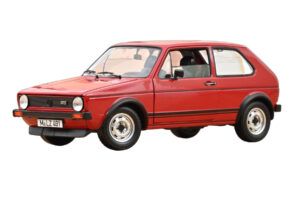
Volkswagen Golf GTI Mk1 Red Norev 1:18
Expected 21-31.10.2026
Pre-order now
Discount ends in: 00d 00h 00m
Price:
was
70.00 €
66.50 €
You save 3.50 €
The 1970s brought motorsport regulation shake-ups that produced some of the wildest touring cars and rally machines ever built. This range covers Group Racing Historic and WRC Classic subjects from BMW, Porsche, Opel, and Ford across 1:18, 1:43, 1:12, and 1:24 scales.
You save 3.50 €
You save 3.50 €
Lowest price in the 30 days before the reduction: 70.00 €
You save 7.50 €
Lowest price in the 30 days before the reduction: 150.00 €
You save 3.00 €
Lowest price in the 30 days before the reduction: 60.00 €

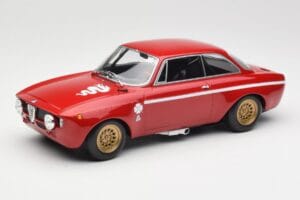
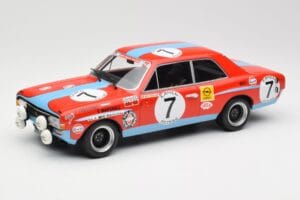

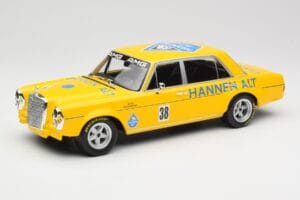
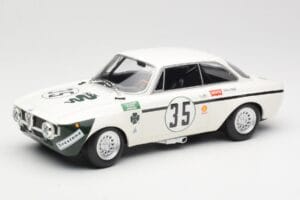

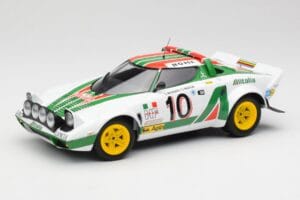
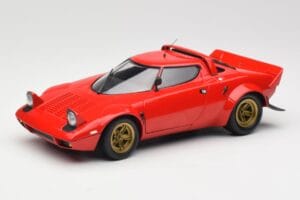
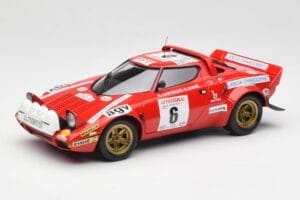
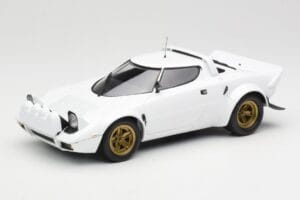
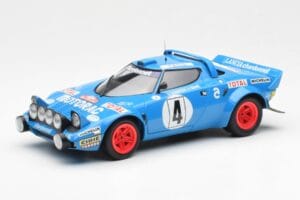
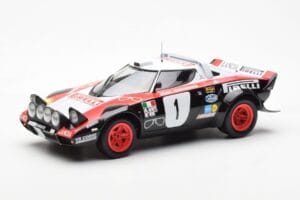
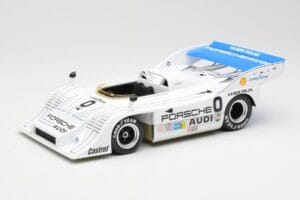

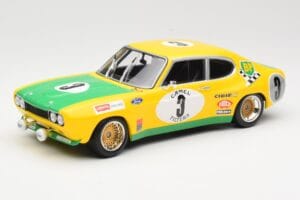


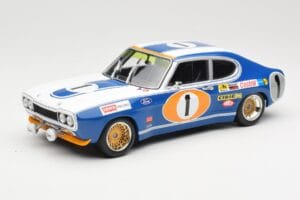
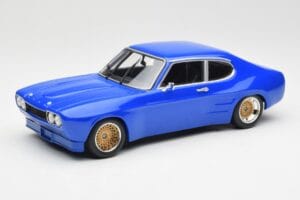
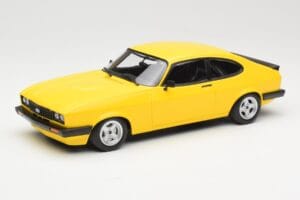


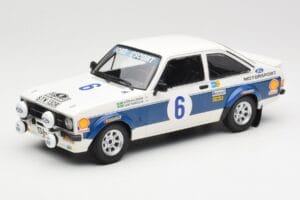
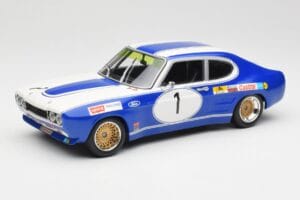

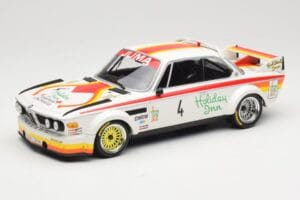
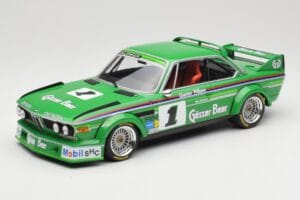
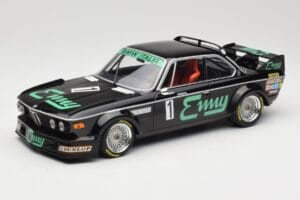
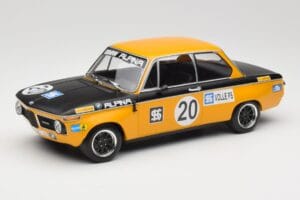
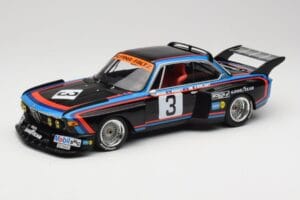

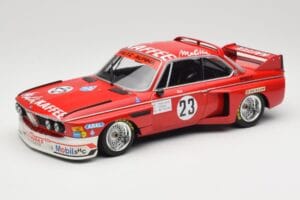
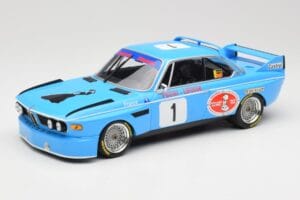
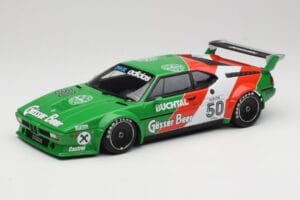
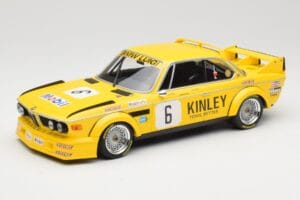
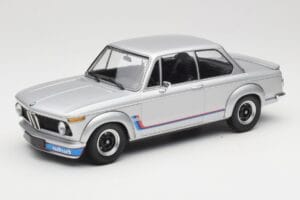
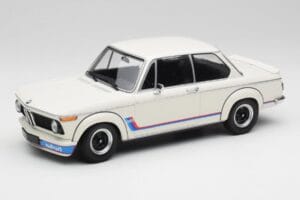
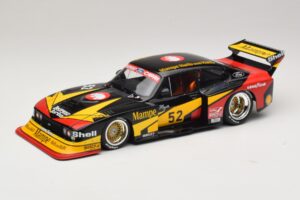
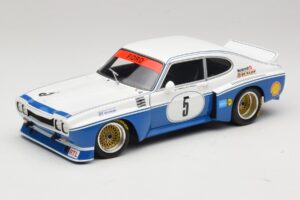
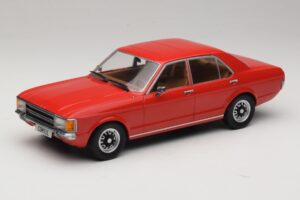
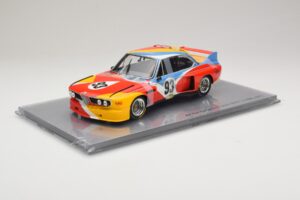
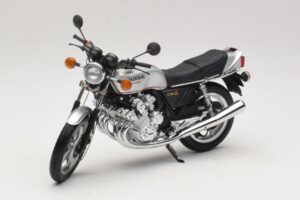
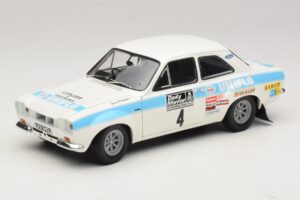
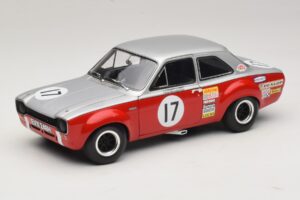
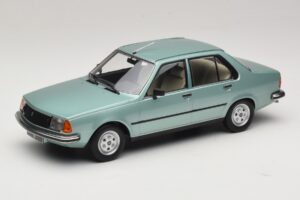
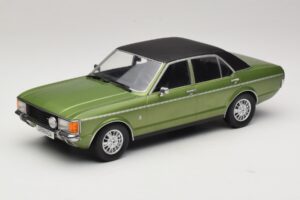
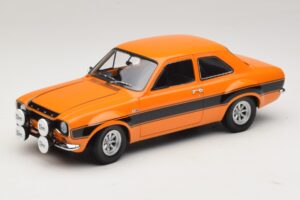
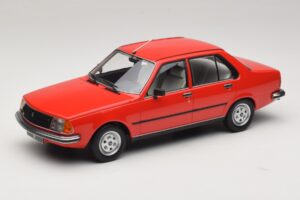
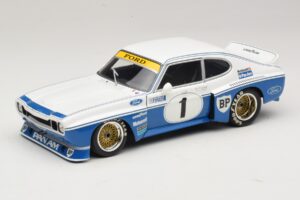
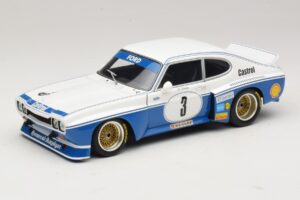
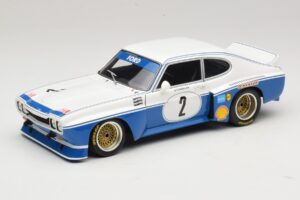
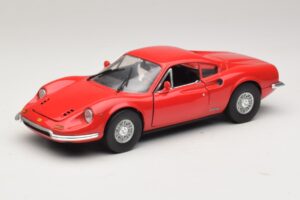
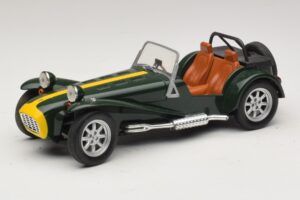
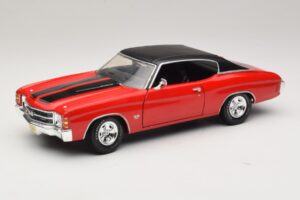
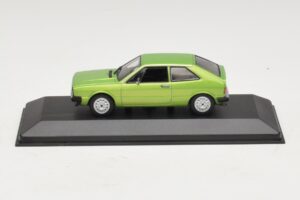
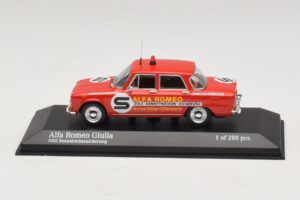
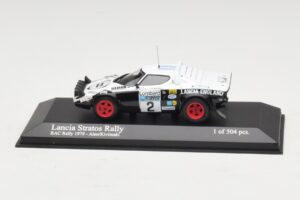
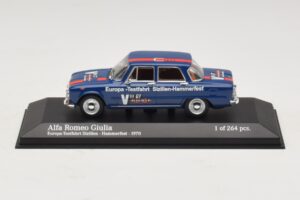
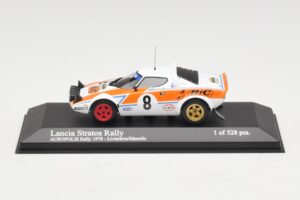
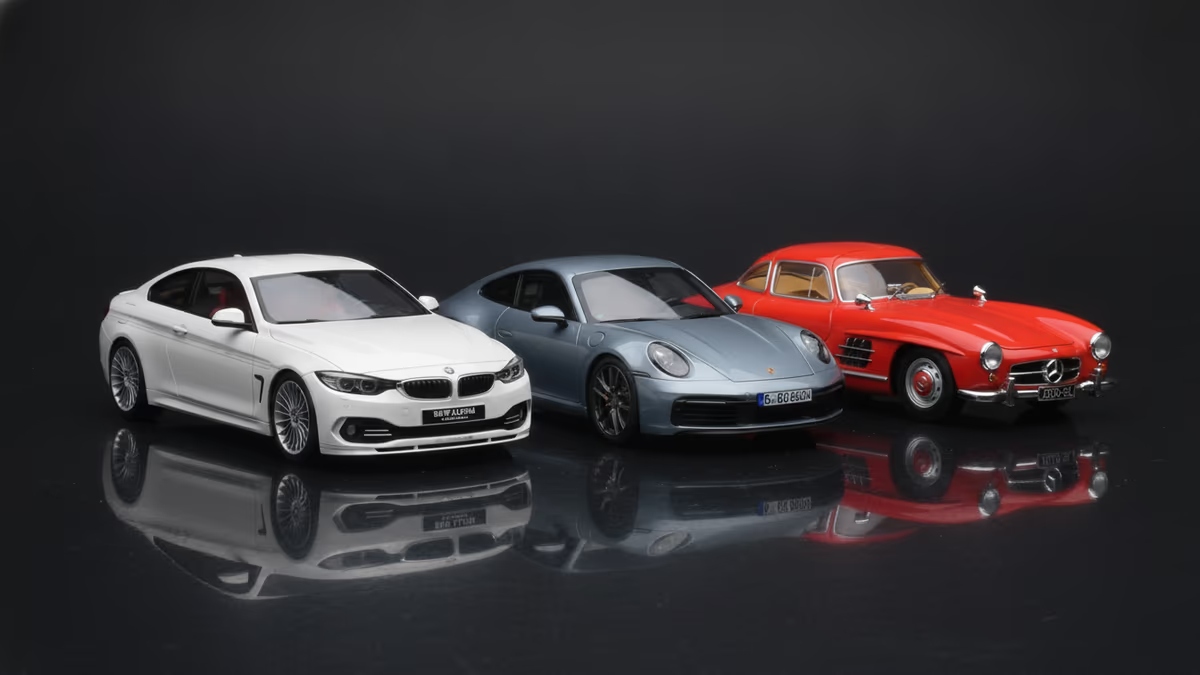
TL;DR: 1970s model cars capture Group Racing touring cars and early WRC Classic rally machines from BMW, Porsche, Ford, and Opel, built across 1:18, 1:43, 1:12, and 1:24 in diecast and resin. The decade's regulation shifts produced some of touring car and rally racing's most distinctive shapes.
Regulations loosened and manufacturers took full advantage in the 1970s, producing touring cars with flared arches and outrageous liveries, and rally cars that laid the groundwork for the following decade's Group B madness. This range documents that shift across road and race subjects alike.
Touring car racing in the 1970s produced some of the most visually distinctive competition machines in motorsport history, as manufacturers like BMW, Porsche, and Alfa Romeo pushed silhouette regulations toward flared arches, deep spoilers, and liveries built to stand out at speed. This range's Group Racing Historic coverage focuses on that period, where a road-based touring car and its widened, race-prepped counterpart could look almost unrelated despite sharing a chassis.
The 1970s also marks the early foundation of the World Rally Championship, a period defined by rear-wheel-drive machines from Ford, Opel, and other manufacturers tackling forest and mountain stages before four-wheel drive reshaped the sport in the following decade. Reproducing this era in scale means capturing period-correct roll cages, auxiliary lighting, and livery work that reflects rally's rawer, less polished early identity.
Minichamps, MCG, Norev, IXO, and AUTOart all reproduce 1970s subjects across a broad scale range:
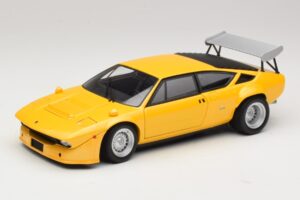
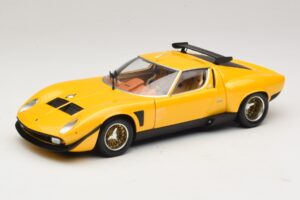
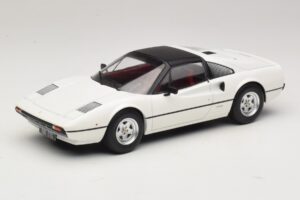
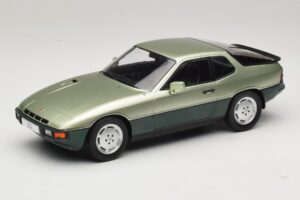
Historic GT and vintage classic road cars from the same period round out the range for collectors more interested in design than competition.
A 1970s collection built around Group Racing or WRC Classic subjects benefits from following a specific chassis or manufacturer across the decade, since livery and specification changed frequently year to year. Collectors chasing the fullest picture often pair a road-going touring car with its widened race counterpart, since the visual contrast between the two tells the regulation story better than either model alone.
Loosened silhouette regulations let manufacturers flare arches, add deep spoilers, and run bold sponsor liveries, producing race cars that looked dramatically different from their road-going base models. That visual drama is a major reason the era remains popular for scale reproduction.
1970s rally cars were predominantly rear-wheel drive and less powerful than the four-wheel-drive Group B monsters that followed in the 1980s. The earlier era has a rawer, more mechanical character that appeals to collectors interested in rally's formative years.
1:18 captures livery and arch-flare detail clearly for individual hero subjects, while 1:43 lets a collector document an entire touring car season across multiple manufacturers and teams on practical shelving.
Pairing a road-going touring car with its widened race counterpart is a popular approach, since the visual transformation between the two illustrates exactly how far regulations pushed manufacturers during this period.