Last one
New arrival

1:43 is the scale built for breadth. A car occupies roughly the footprint of a matchbox, which means an entire racing season, a full model lineage, or a complete marque history fits on shelving that would hold a fraction of that in 1:18. This range spans Formula 1, DTM, and GT racing alongside road cars in diecast and resin.


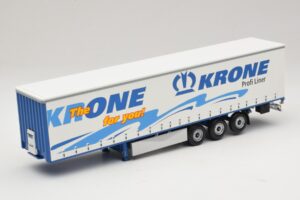

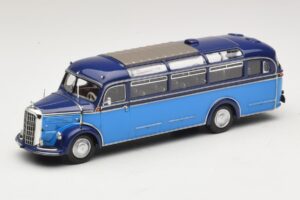


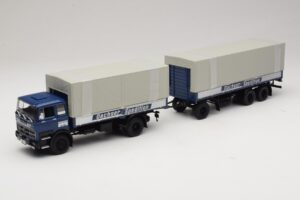



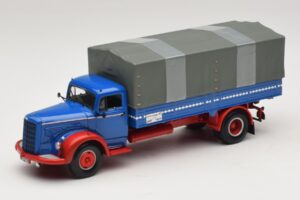


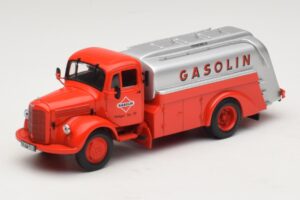

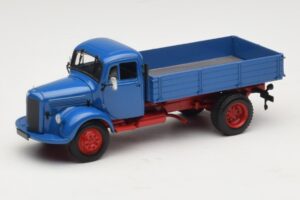
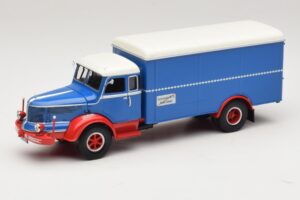
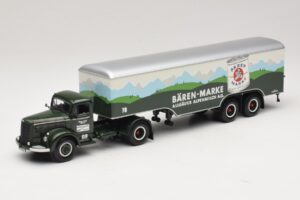

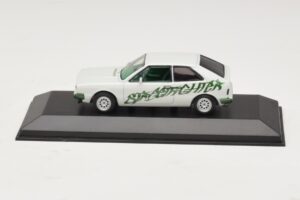
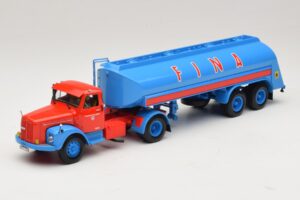

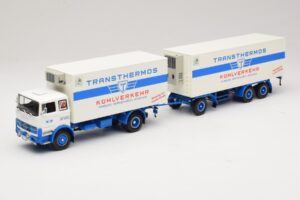
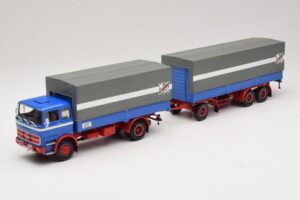

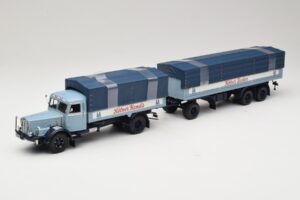

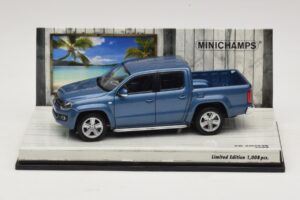
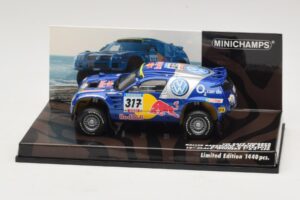




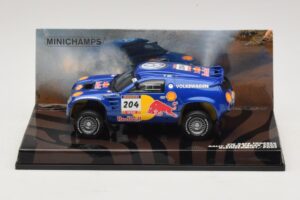
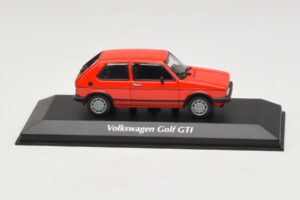

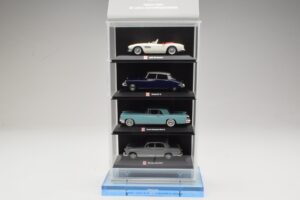


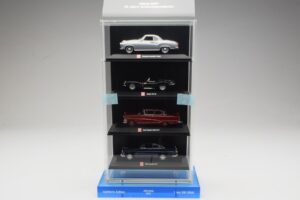




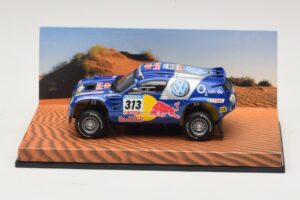

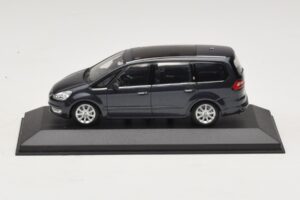


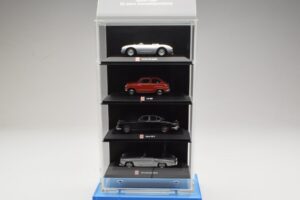





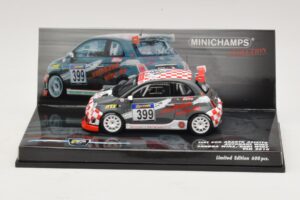
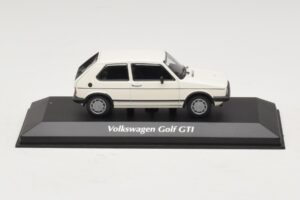




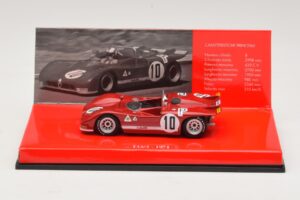



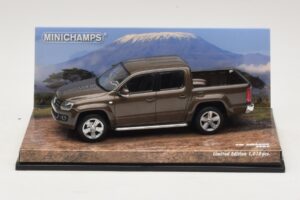

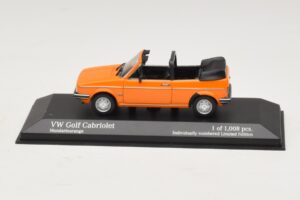

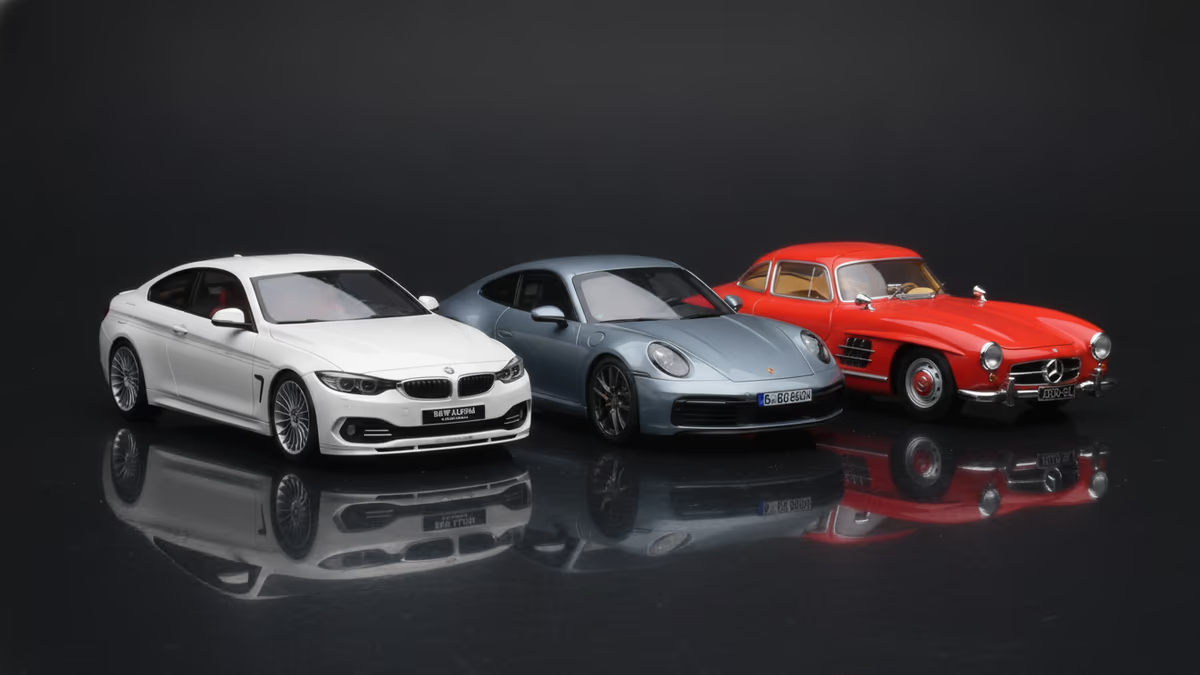
TL;DR: 1:43 scale model cars occupy a compact footprint, roughly 10 centimeters long, making comprehensive collecting practical. This range covers Formula 1, DTM touring cars, and GT racing alongside road cars from the 1970s through the 2010s, built in diecast and resin from Minichamps, IXO, Norev, and Spark.
Where 1:18 rewards close inspection of a single car, 1:43 rewards owning the whole story. This range leans into motorsport documentation and road car chronology, giving collectors the tools to build sets that would be physically impossible at larger scales.
At roughly 10 centimeters, a 1:43 car takes a fraction of the shelf space of its 1:18 counterpart, and eight to fifteen models fit comfortably on a single standard shelf depending on their length. That density is the entire argument for the scale: a collector can own every livery from a racing season, every generation of a model line, or a complete grid from a single race weekend without running out of room. Detail resolution is lower than at 1:18, but for subjects defined by livery, sponsor graphics, and variant, that trade-off rarely matters.
Motorsport is where 1:43 does its best work. Formula 1 collectors use the scale to document full grids and season progressions, since owning twenty cars from a single year is realistic here in a way it is not at 1:18. DTM touring car racing, with its dense sponsor liveries and closely related chassis across manufacturers like Mercedes, Audi, and BMW, rewards the same side-by-side comparison approach. GT and endurance racing subjects add a further layer, letting a collector track a chassis across different teams and seasons.
Minichamps, IXO, Norev, Spark, and AUTOart all work in this range, and construction quality varies more by release than by brand loyalty alone.
Because so many manufacturers cover overlapping motorsport subjects, comparing releases side by side before buying is standard practice among 1:43 collectors chasing accuracy in decals and wheel detail.
The density that makes 1:43 practical also demands organization. A shelf of forty identical-looking touring cars reads as clutter without a clear system, so most collectors group by season, by team, or by chassis generation rather than by manufacturer. Acrylic display cases sized for 1:43 protect against dust more efficiently than at larger scales, since a single case can hold an entire season's worth of cars. The tradeoff for that density is that individual paint and decal quality matters more under close inspection, since flaws are easier to spot when models sit shoulder to shoulder.
The compact footprint makes it realistic to own an entire grid, season, or livery set, something 1:18 cannot support on typical shelving. Detail resolution is lower, but for subjects defined by sponsor graphics and variant rather than cockpit stitching, that trade-off is worth the density gained.
Roughly eight to fifteen models per shelf, depending on vehicle length and spacing preference. That density is what makes complete season or lineage collecting realistic at this scale in a way it rarely is at 1:18 or larger.
Resin typically holds sharper panel lines and finer decal application, which matters on complex sponsor liveries, while diecast offers durability and wider availability at accessible pricing. Many motorsport collectors use both, choosing by specific release rather than material alone.
Grouping by season, team, or chassis generation reads far better than grouping by manufacturer, since it tells a visual story rather than presenting a wall of similar shapes. Acrylic cases sized for the scale also help keep dense collections dust-free and presentable.