Last one
Used

Supercars sell the fantasy before the fine print, and scale models let that fantasy live permanently on a shelf. This collection spans Ferrari, Lamborghini, Mercedes, Porsche, McLaren, Audi, Ford, and Bugatti across 1:18, 1:43, and 1:12 diecast, resin, and composite from the 1980s through the 2010s.










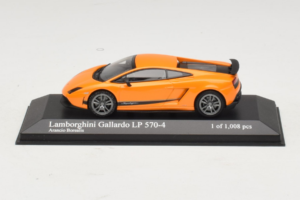
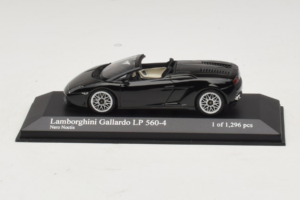

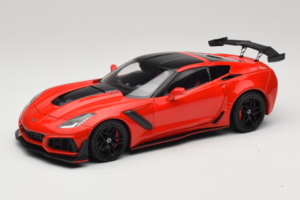

















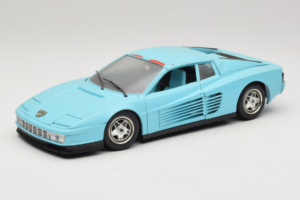


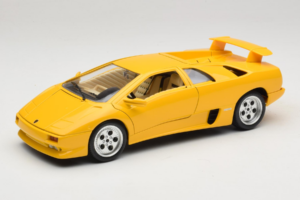


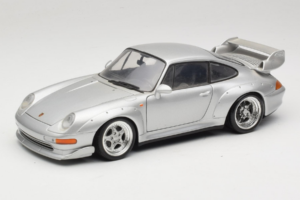



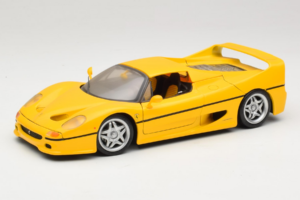


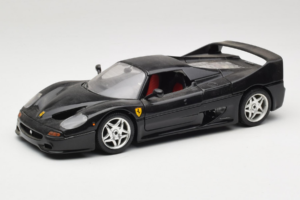


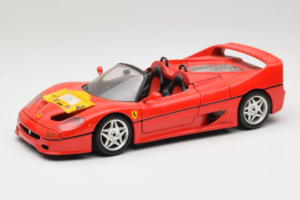

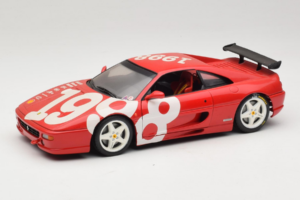


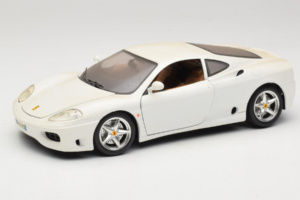
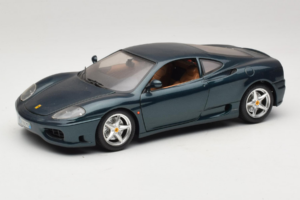
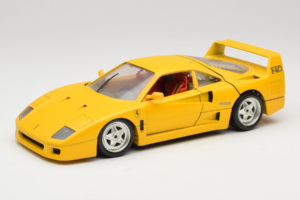

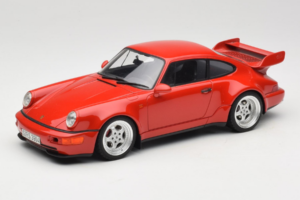

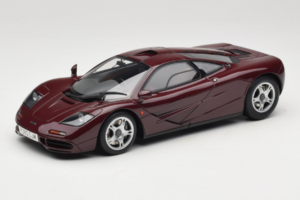

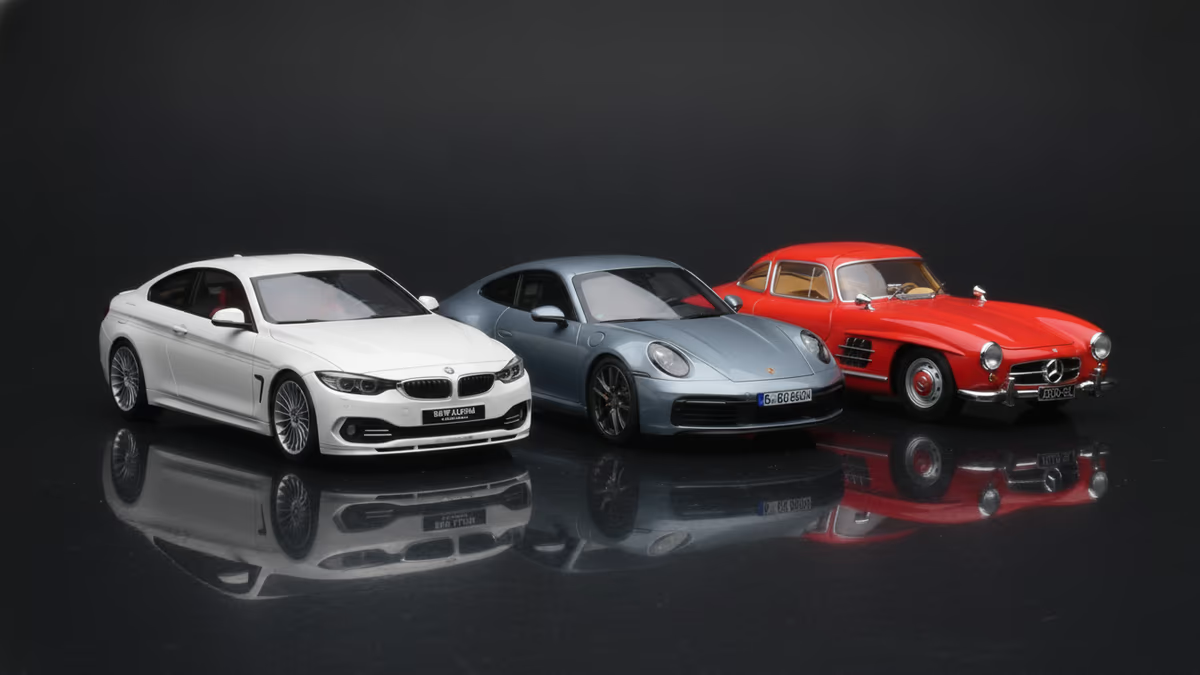
TL;DR: Supercar scale models cover Ferrari, Lamborghini, Mercedes, Porsche, McLaren, and Bugatti across 1:18, 1:43, and 1:12 diecast, resin, and composite, spanning entry-tier volume production through hand-built investment-grade pieces from the 1980s to the 2010s.
No category attracts new collectors faster than supercars, and few offer as wide a tier spread once they arrive. The same Ferrari or Lamborghini subject might exist as an accessible diecast toy and as a hand-finished resin piece costing many times more, and understanding that spread is the first real lesson in supercar collecting.
Bburago has long served as the accessible entry point into supercar collecting, offering recognizable Ferrari and Lamborghini subjects in durable diecast at a price that welcomes new hobbyists. Kyosho built a strong reputation in the 1990s and 2000s for high-detail 1:18 supercar diecast, particularly Ferrari and Lamborghini models prized for their finish quality. AUTOart occupies the upper-mid tier with diecast construction pushed toward resin-level panel precision, while Minichamps and GT Spirit bring resin treatment to subjects and liveries the mainstream diecast producers skip.
Price and prestige of the real car do not automatically translate to a higher scale model tier; a Bugatti replica can exist at entry level just as a lesser-known marque can receive investment-grade treatment. The signals that matter are the same across any supercar subject: panel gap consistency, interior stitching detail, and paint depth. A collector comparing the same subject across two manufacturers should judge construction directly rather than assuming the more expensive real car commands the better model.
1:18 is the standard for supercars, large enough to show the low, wide proportions and aggressive aerodynamic detailing that define the category, while still fitting several pieces on a shelf. 1:43 suits collectors building breadth across a marque's full model range or documenting an era's flagship releases side by side. 1:12 appears for a select few hero subjects where the extra size rewards the intricate engine and interior work that separates a true halo car from an ordinary sports coupe.
Bburago offers the most accessible entry point, with recognizable Ferrari and Lamborghini subjects in durable diecast. Collectors wanting sharper detail at a moderate step up often look to Kyosho or AUTOart before considering investment-tier resin.
No. Scale model tier is determined by construction quality and manufacturer positioning, not the real car's price or prestige. A Bugatti can appear in entry-tier diecast just as readily as a less expensive marque receives investment-grade treatment.
1:18 remains the standard, offering enough size to show aerodynamic detailing and low, wide proportions clearly while allowing several models to share a shelf without demanding excessive space.
Look at panel gap consistency, interior stitching detail, and paint depth rather than price alone. Investment-tier pieces are typically hand-built resin in small-batch runs with noticeably tighter tolerances than mass-produced diecast.