New arrival
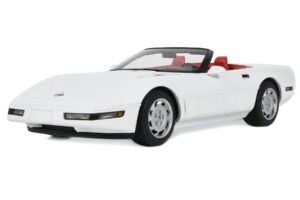
Before electronics took over, the 1990s produced some of the purest analog supercars and DTM touring car racing ever built. This range covers Porsche, BMW, Mercedes, and Ferrari across 1:18, 1:43, and 1:12 scales in diecast and resin.

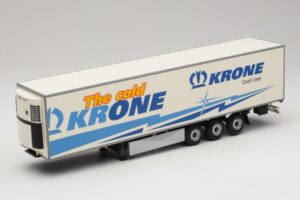
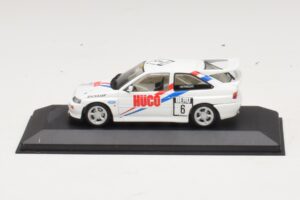
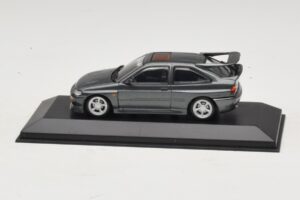
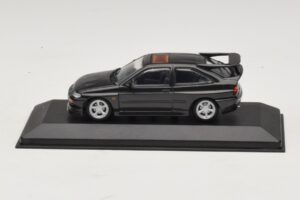
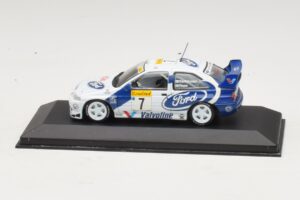
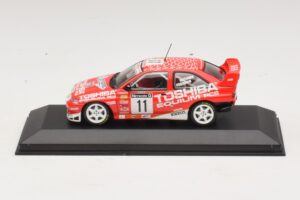
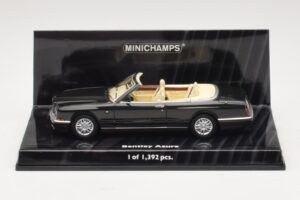
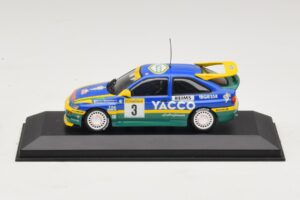
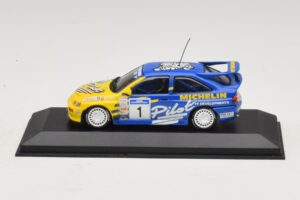
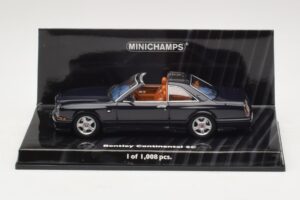
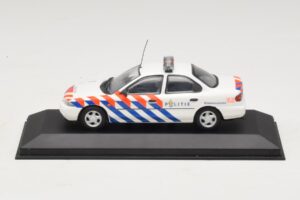
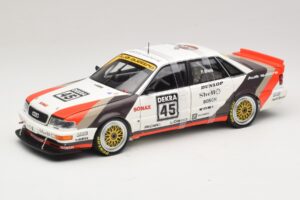



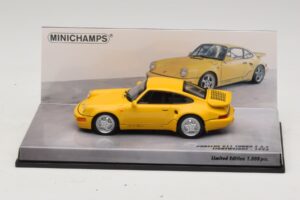
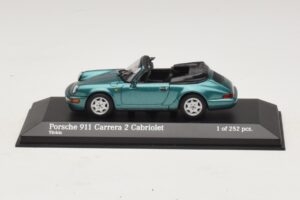
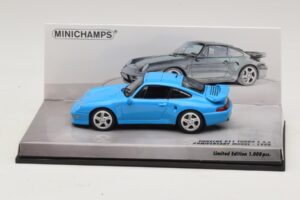
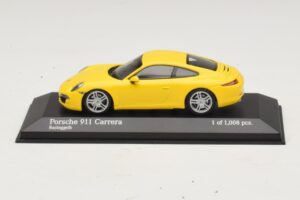
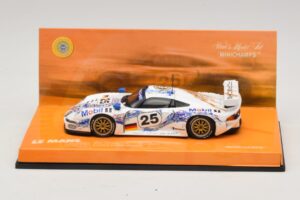
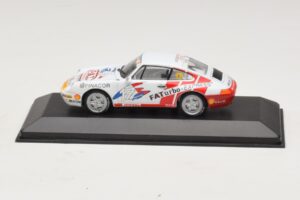
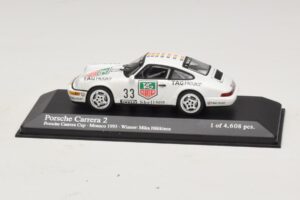
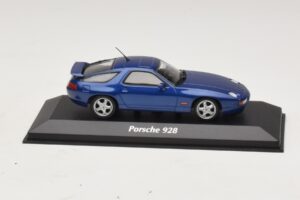



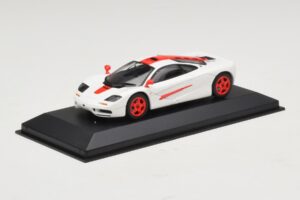

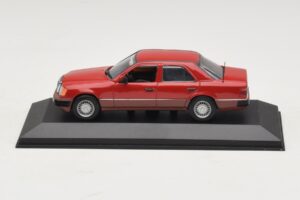
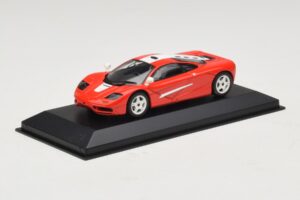
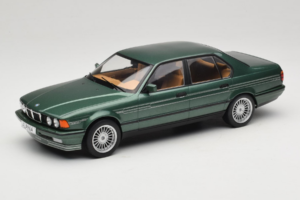

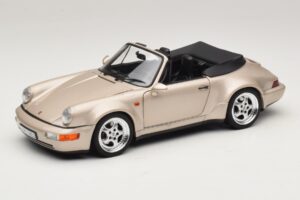
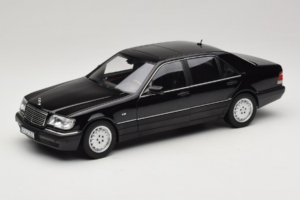
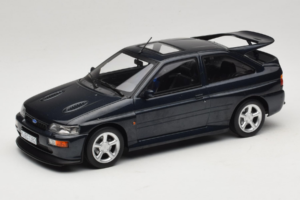
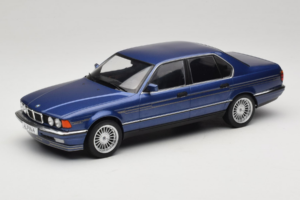
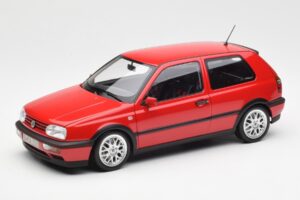
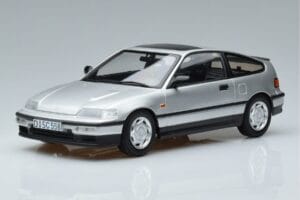
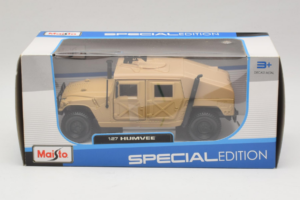
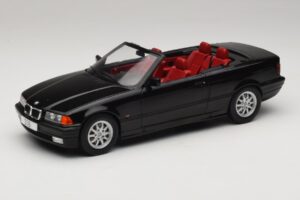
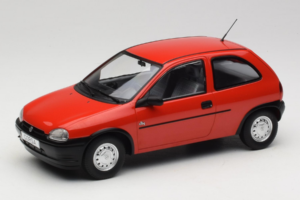

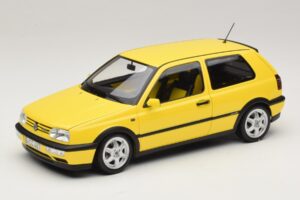
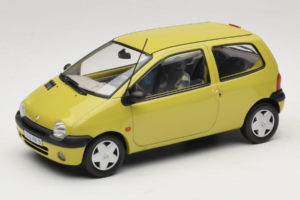
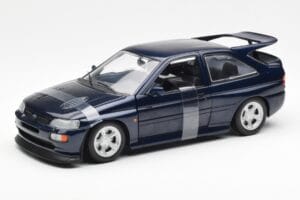
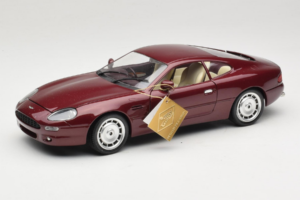
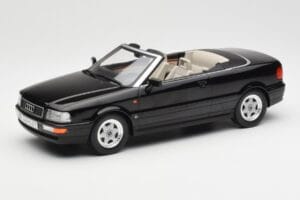
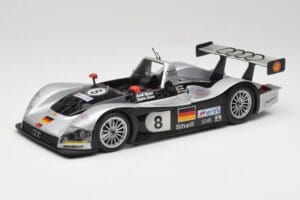
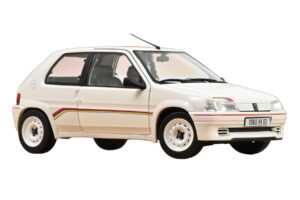
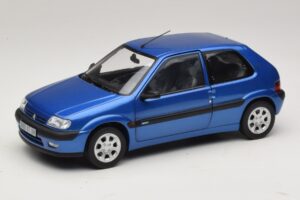
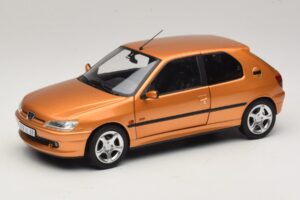
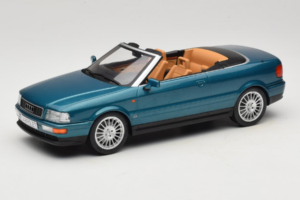
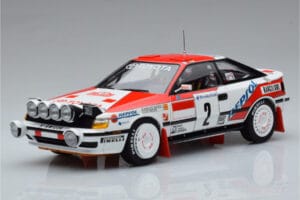
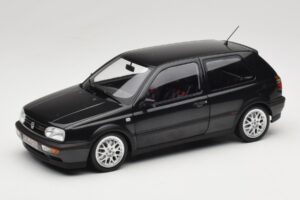

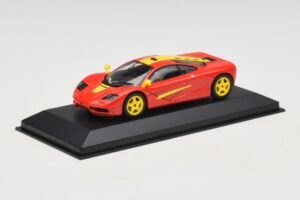
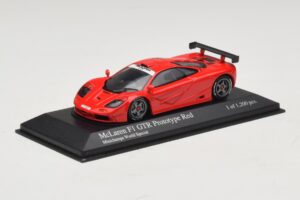
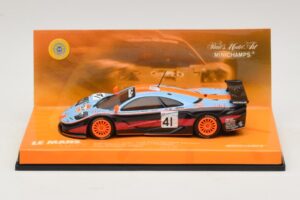
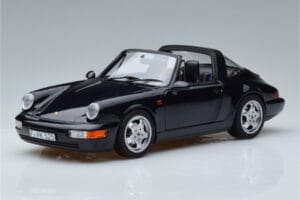
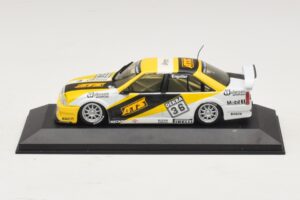

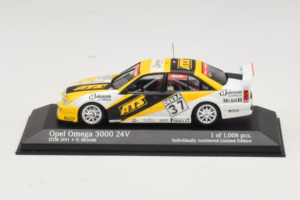
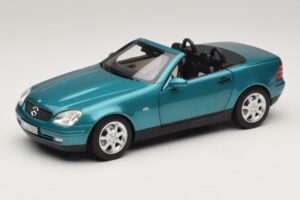
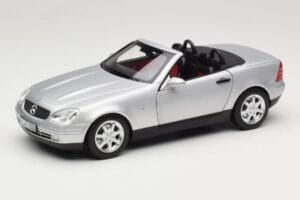

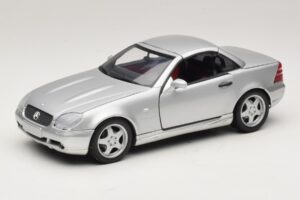
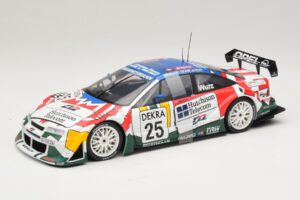

TL;DR: 1990s model cars capture analog-era supercars, DTM touring car racing, and early tuner culture from Porsche, BMW, Mercedes, and Ferrari, built across 1:18, 1:43, and 1:12 in diecast and resin. The decade sits at the last point before digital driver aids reshaped both road and race car design.
The 1990s occupies a specific sweet spot in automotive history: modern enough to feel current, analog enough to reward driver skill over software. This range covers the decade's supercars, DTM touring cars, and the tuner culture that grew alongside them.
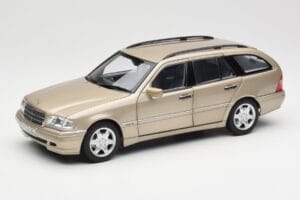
Before traction control and adaptive everything became standard, 1990s supercars from Ferrari, Porsche, and McLaren demanded genuine driver skill, and that raw character is a major part of why the decade holds such strong collector appeal today. Modern classics and historic GT subjects from this period document a design language that was cleaner and less aerodynamically extreme than what followed, giving the era a distinct visual identity worth building a display around.
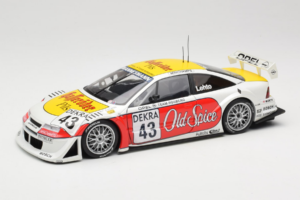
German Touring Car racing hit a genuine high point in the 1990s, with Mercedes, BMW, Audi, and Opel fielding heavily developed silhouette racers on shared technical rules. This range's DTM German Touring coverage captures that period's dense sponsor liveries and closely matched competition, a favorite theme for collectors who enjoy comparing near-identical machines from rival manufacturers on the same shelf.
Minichamps, UT Models, Otto, Bburago, and Norev all reproduce 1990s subjects:
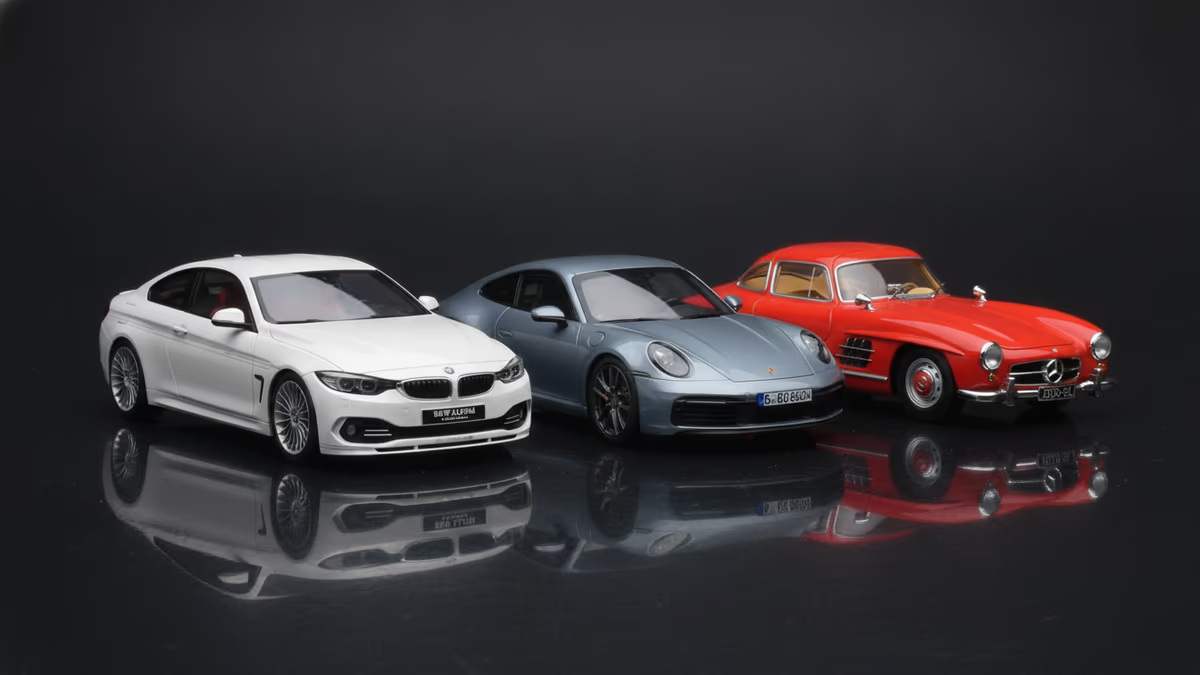
Tuner special coverage adds a further layer, reflecting how aftermarket culture began shaping mainstream collecting interest during this decade.
A 1990s display works well organized around either road-going supercars or DTM competition, since both themes carry enough depth to sustain a focused collection on their own. Collectors who lived through the decade often gravitate toward the specific subjects that defined their own introduction to car culture, which is part of why 1990s collecting tends to run on genuine personal nostalgia rather than pure investment thinking.
Electronic driver aids like traction and stability control were not yet standard on most performance cars, so 1990s supercars demanded more direct driver skill than what followed. That raw, unassisted character is central to the decade's ongoing collector appeal.
Shared technical rules across manufacturers like Mercedes, BMW, and Audi produced closely matched silhouette racers, resulting in tightly contested seasons that scale collectors still enjoy documenting car by car and team by team.
1:18 remains the standard choice, offering enough size for period-correct wheel and body kit detail to read clearly while keeping several cars practical on a single shelf.
Yes. The decade's aftermarket and tuner culture genuinely shaped mainstream car enthusiasm, and scale reproductions of that era's tuner specials give collectors a way to document a movement that still influences car culture today.