Last one
Used
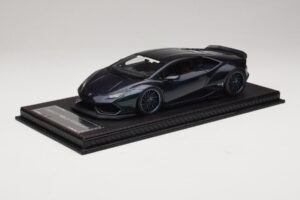
Hybrid hypercars and GT3 racing defined the 2010s, alongside a new turbo-hybrid Formula 1 era. This range covers Porsche, Mercedes, BMW, and McLaren across 1:18 and 1:43 scales in diecast, resin, and composite construction.
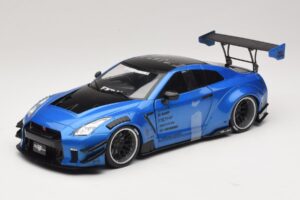

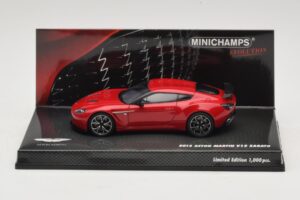

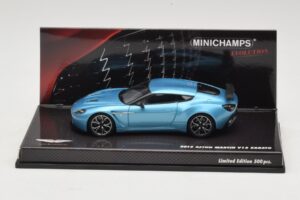












































TL;DR: 2010s model cars document hybrid hypercars, GT3 and GT4 racing, and Formula 1's turbo-hybrid era from Porsche, Mercedes, and McLaren, built across 1:18 and 1:43 in diecast, resin, and composite. The decade marks the point hybrid technology entered mainstream performance and racing.
Hybrid power stopped being a curiosity and became the performance standard in the 2010s, reshaping both hypercars and Formula 1 in the same stretch of years that GT3 racing grew into one of motorsport's most active grassroots-to-professional categories. This range covers all three threads.
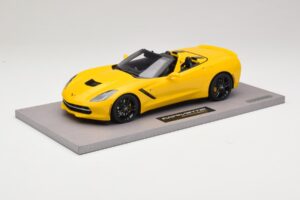
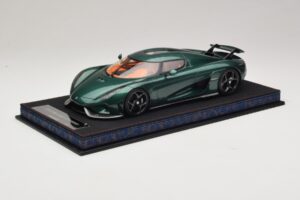
Hypercar development in the 2010s leaned heavily on hybrid powertrains pairing internal combustion with electric motors for previously unreachable performance figures. This range's hypercar and supercar coverage documents that shift, with manufacturers reproducing complex aerodynamic packages and hybrid-specific styling cues that set this generation apart from the naturally aspirated supercars of earlier decades.
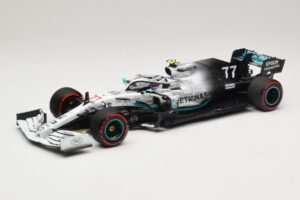
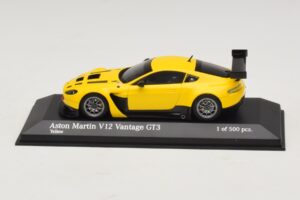
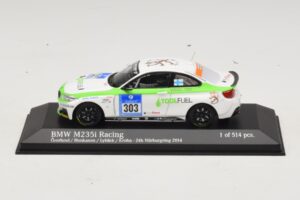
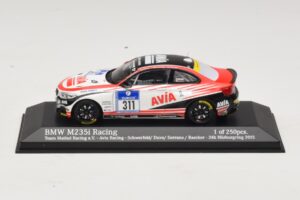
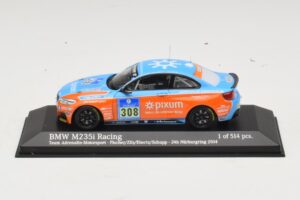
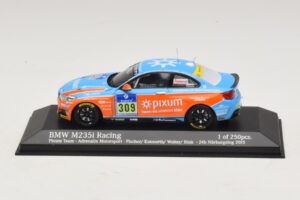
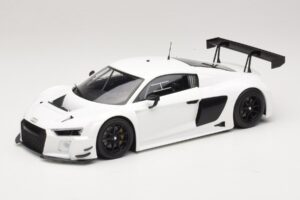
GT3 and GT4 racing expanded dramatically during this decade, with Porsche, Audi, McLaren, and Aston Martin all fielding cars that bridged amateur and professional competition under shared technical regulations. Formula 1 underwent its own transformation with the introduction of turbo-hybrid power units, a technical shift that reshaped both the sound and strategy of the sport and gave the decade's F1 models a genuinely distinct character from the naturally aspirated era before it.
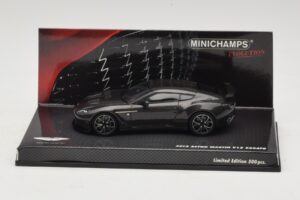
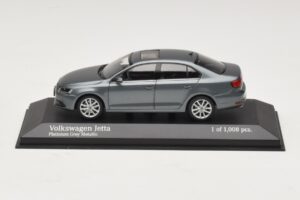
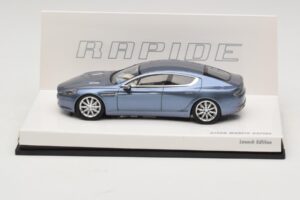
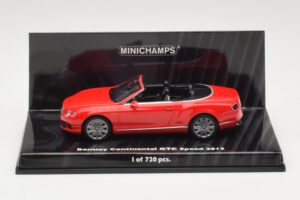
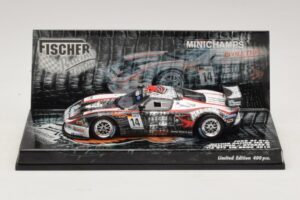
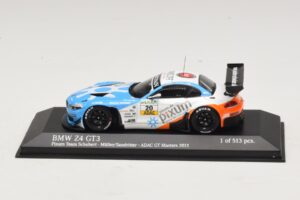
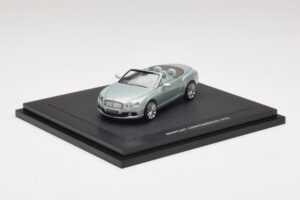
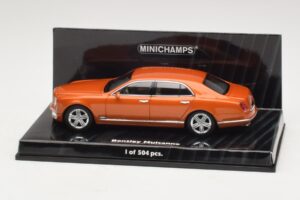
Minichamps, GT Spirit, Norev, AUTOart, and Otto all reproduce 2010s subjects:
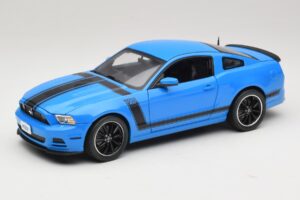
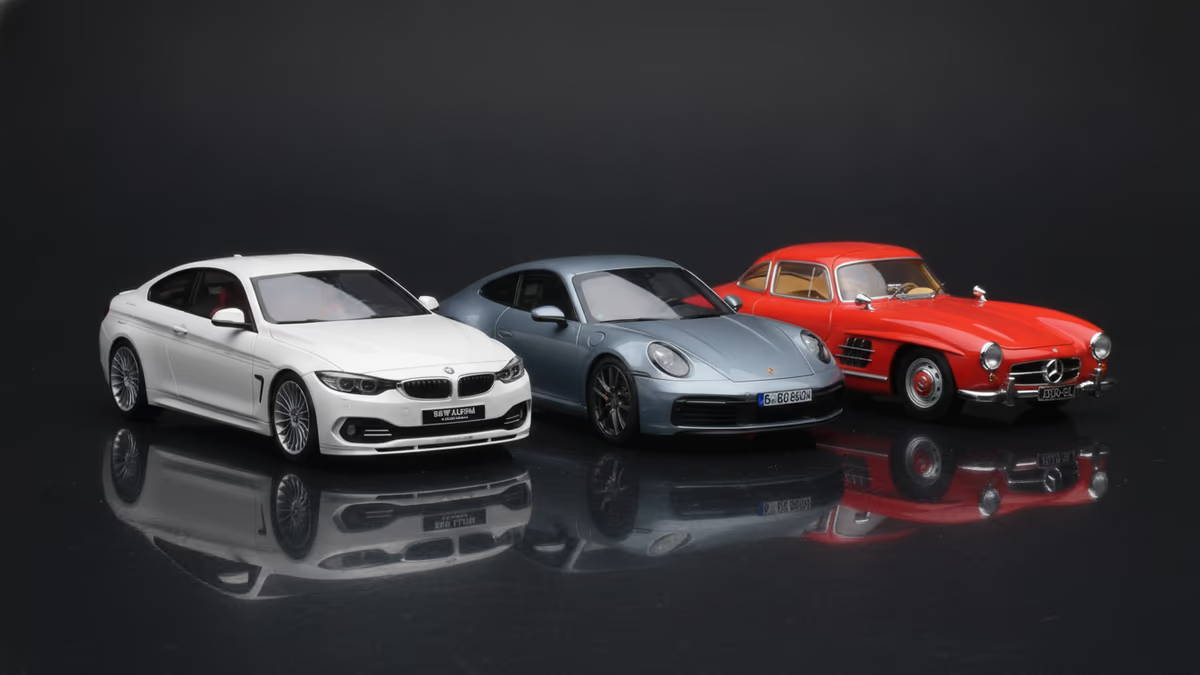
Tuner specials from the same period round out the range for collectors interested in aftermarket culture rather than factory-built performance alone.
Because the decade spans such technically distinct categories, a focused collection usually picks one thread: hybrid hypercars, GT3 racing, or Formula 1's turbo-hybrid grid. Each supports a genuinely deep display on its own, and the strong overlap between manufacturers across categories, Porsche and McLaren appearing in both road and race contexts, gives collectors natural ways to connect a themed shelf across subjects.
Hybrid powertrains combining combustion engines with electric motors became the performance standard, pushing figures beyond what naturally aspirated designs could achieve and introducing new styling cues tied to battery and motor packaging.
The change reflected a broader industry shift toward efficiency-focused technology, reshaping both the sound and race strategy of the sport. It gave the decade's Formula 1 models a distinct technical identity separate from the earlier naturally aspirated era.
Shared technical regulations across manufacturers like Porsche, Audi, and Aston Martin create closely matched competition, and the category's rapid 2010s growth means a wide range of liveries and teams are available to document.
Pairing a manufacturer's hypercar with its GT3 racing counterpart works well, since several brands active in this decade competed in both spaces, letting a collection show the connection between road and race technology directly.