Used
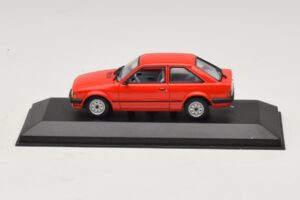
Modern classics occupy a distinct middle ground, cars too recent for vintage status yet old enough to trigger genuine nostalgia in collectors who remember them on ordinary streets. This collection spans Mercedes, Ford, BMW, Volvo, Opel, Volkswagen, Renault and Audi across 1:18, 1:43 and 1:12 diecast and resin.
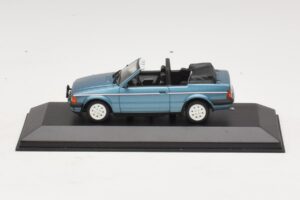
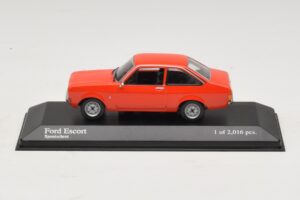

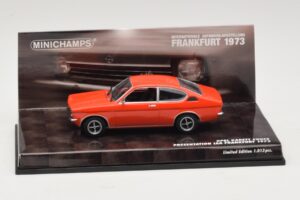

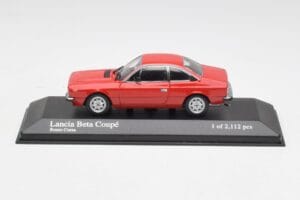


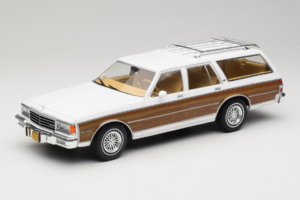
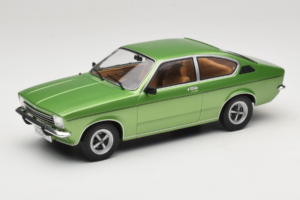
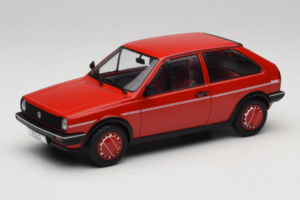
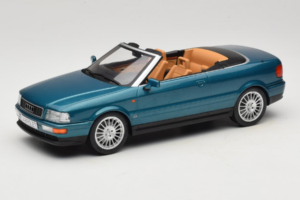

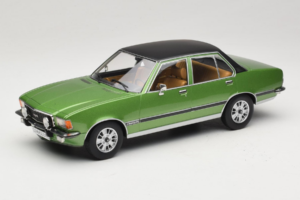
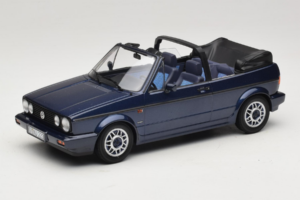
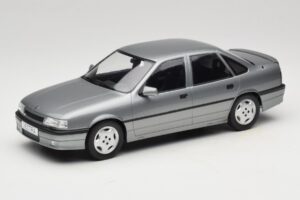
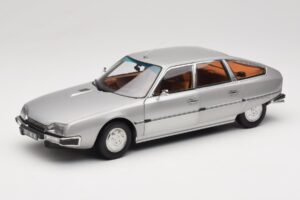
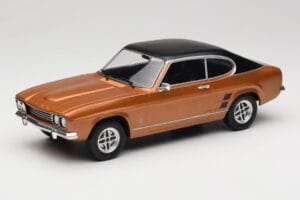


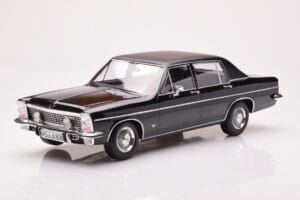
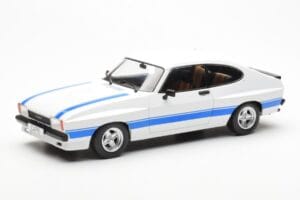

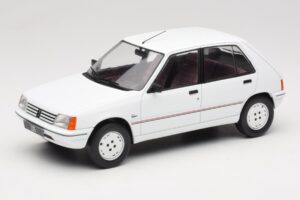
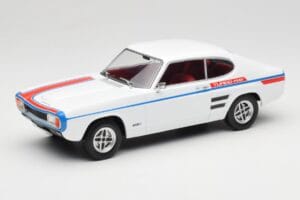

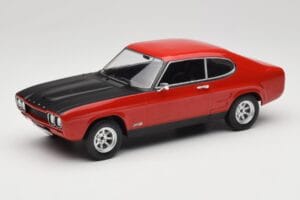


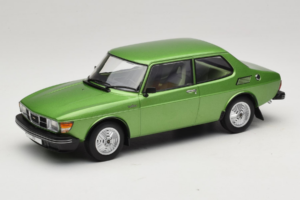
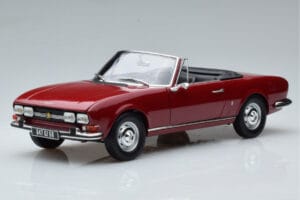

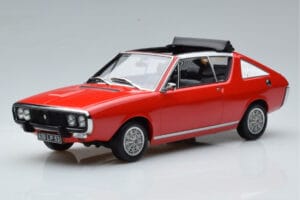

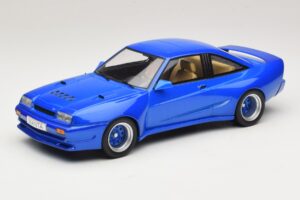


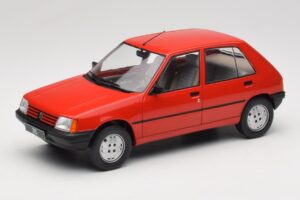
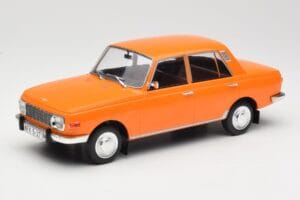
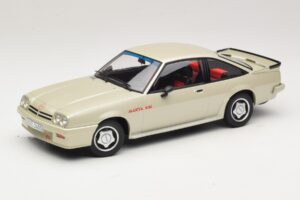

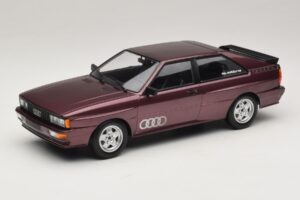
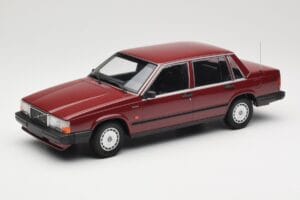
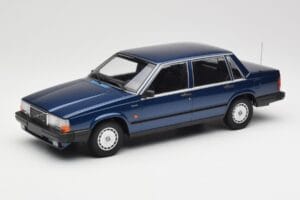

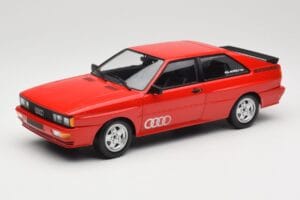

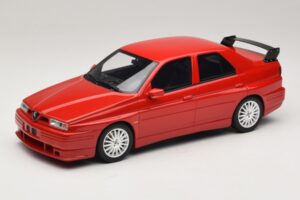
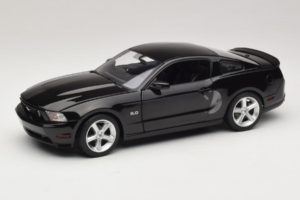

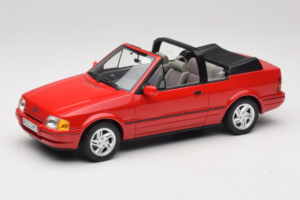


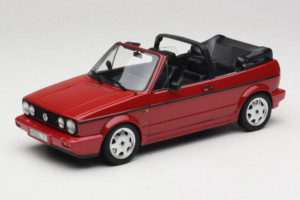
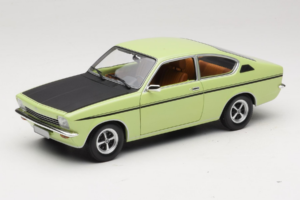
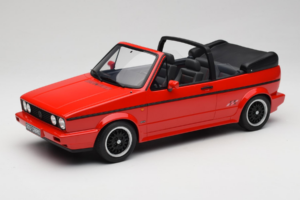


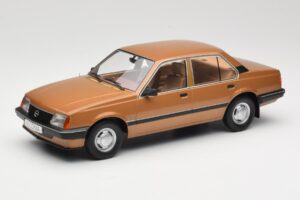


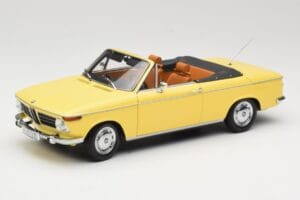


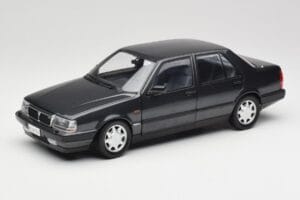


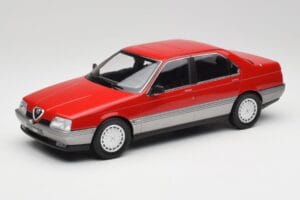

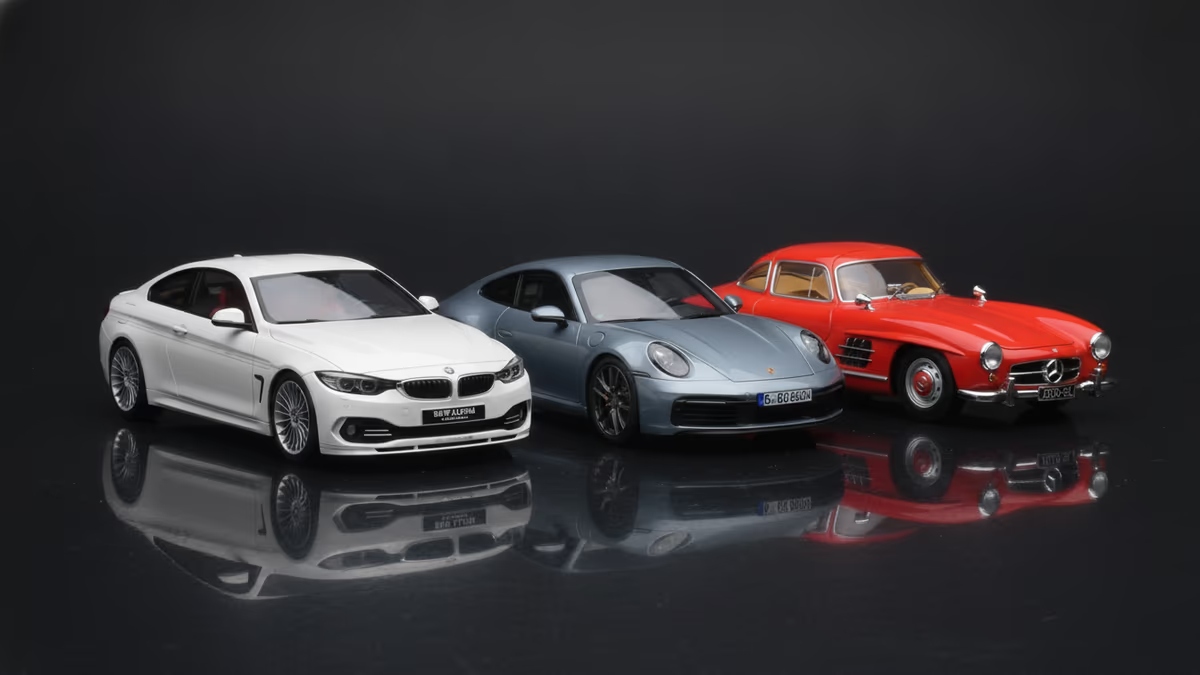
TL;DR: Modern classic scale models cover Mercedes, Ford, BMW, Volvo, Opel, Volkswagen, Renault and Audi in 1:18, 1:43 and 1:12 diecast and resin. Coverage concentrates on the 1970s through 1990s, documenting everyday European cars now reaching genuine collector status.
Modern classic scale models occupy a category that grows more interesting every year, cars from the 1970s through 1990s that were once simply ordinary transportation and are now old enough to carry real nostalgic and collecting weight. This is where scale modeling documents automotive history as it happened to actual people, not just headline supercars.
Minichamps and Norev lead coverage of this segment, both known for treating everyday European saloons and hatchbacks with the same care usually reserved for exotic subjects. MCG concentrates specifically on this era, filling gaps that larger manufacturers overlook, while Otto and IXO extend the range into resin and diecast subjects spanning multiple national manufacturers from Volvo to Renault.
Cars from this window are old enough that most examples have disappeared from daily roads, yet recent enough that many collectors remember them firsthand, riding in a parent's Volvo or a neighbor's Opel. That personal connection distinguishes modern classic collecting from pure historical interest in prewar or vintage subjects, and it drives demand for models of cars that were never celebrated as special when new.
A modern classic model documents design choices, boxy Volvo estates, angular Opel saloons, that reflected genuine engineering and stylistic thinking of their era, even when the cars themselves were never considered glamorous. Collecting across this category builds a picture of automotive design history that supercar-focused collections simply cannot provide.
1:18 works well for modern classics with distinctive interiors or dashboard designs worth close inspection, while 1:43 suits collectors building broader multi-manufacturer displays tracing the era across several national design traditions on a single shelf.
Modern classics generally date from the 1970s through 1990s, recent enough for many collectors to remember firsthand, while vintage classics typically reach further back to the 1950s and 1960s.
MCG concentrates specifically on this era, with Minichamps and Norev providing broader coverage across German, French and Scandinavian everyday classics.
Personal nostalgia plays a large role, since many collectors remember these cars firsthand from childhood or early driving years, unlike more distant vintage or prewar subjects.
1:43 works well for broader displays tracing the era across several national manufacturers, since it allows more subjects within manageable shelf space.