New arrival
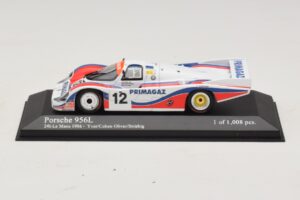
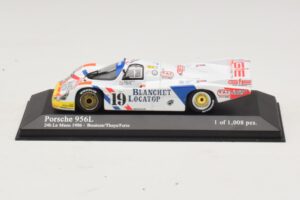
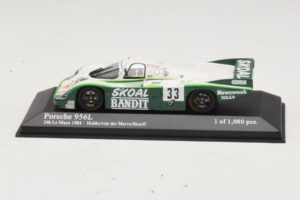
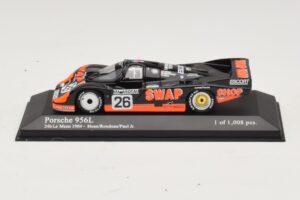
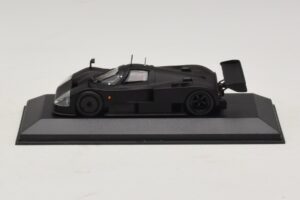
Porsche 956L #12 C. Yver / Cohen 24 Hours of Le Mans 1986 Minichamps 1:43
Only 2 left
Price:
47.00 €
Group C regulations produced some of the most technically advanced endurance racers ever built, balancing raw speed against fuel efficiency in a way no motorsport formula had attempted before. This collection covers Porsche, Sauber, Mercedes, and Peugeot prototypes in 1:18 and 1:43 diecast.
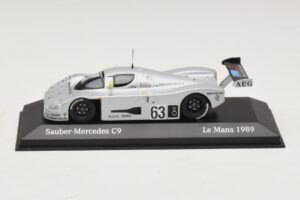
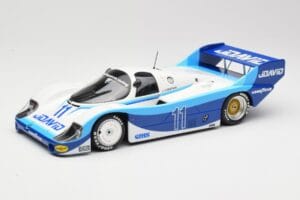
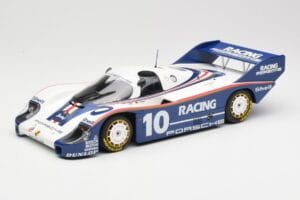

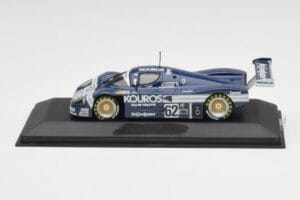
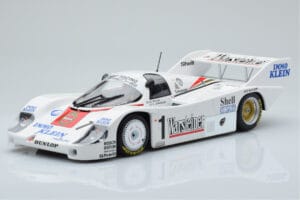
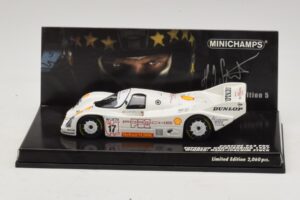
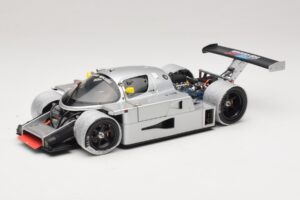
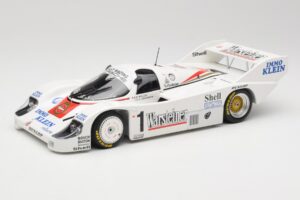
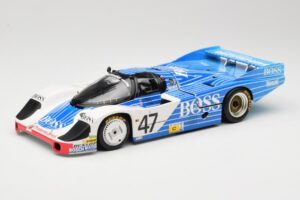
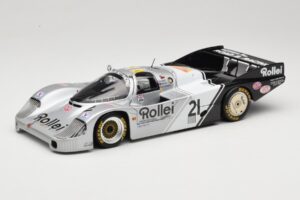
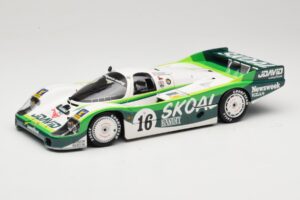
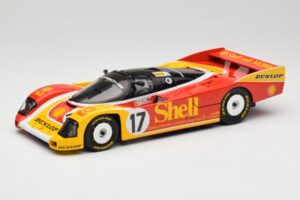
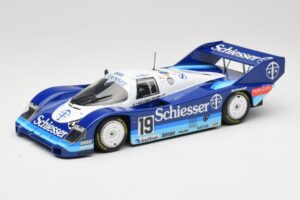
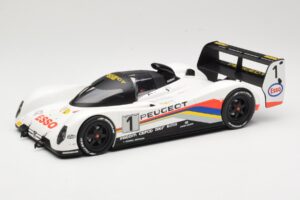
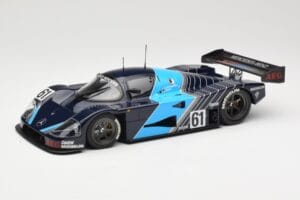
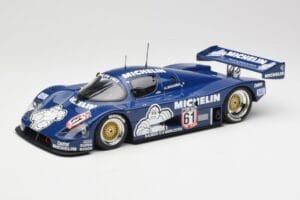
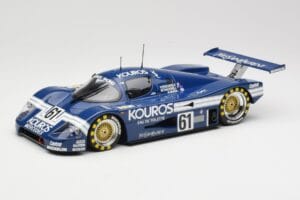
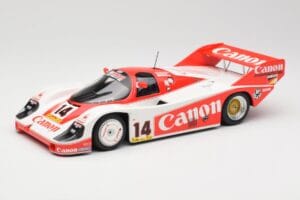

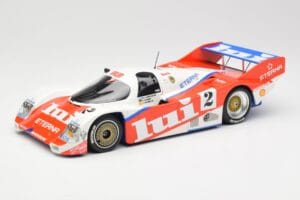


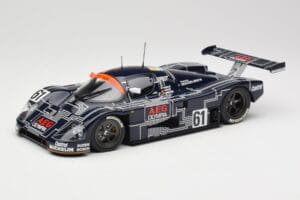
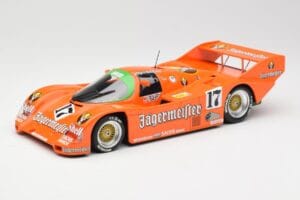
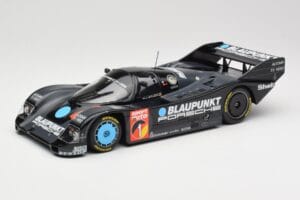
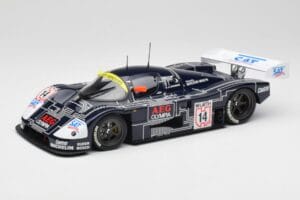
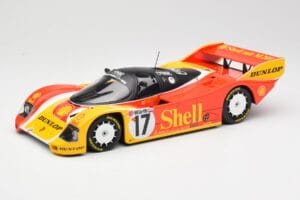
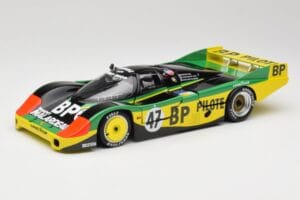
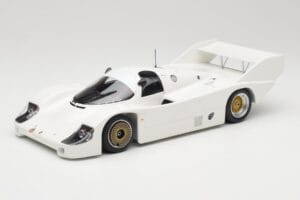
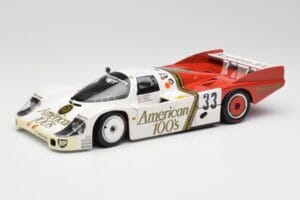
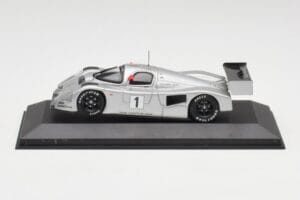
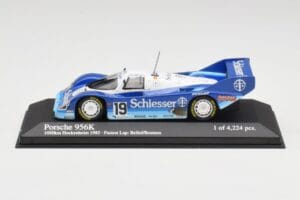
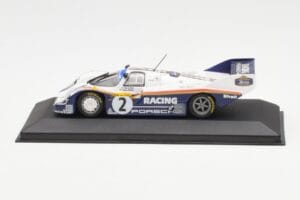
TL;DR: Group C scale models document 1980s endurance prototype racing from Porsche, Sauber, Mercedes, and Peugeot in 1:18 and 1:43 diecast from manufacturers including Minichamps, Norev, and Universal Hobbies, concentrated in the 1980s and 1990s.
Group C stands as one of endurance racing's most technically ambitious eras, forcing manufacturers to balance outright speed against strict fuel consumption limits, a genuinely novel engineering challenge for its time.
Minichamps, Norev, and Universal Hobbies document this era's defining prototypes, led by Porsche's dominant 962, Sauber's partnership with Mercedes that produced genuinely radical aerodynamic designs, and Peugeot's later-era challengers. The category's relatively contained subject pool, a handful of manufacturers competing intensely across roughly a decade, makes serious coverage achievable for a dedicated collector.
Group C's fuel consumption formula was genuinely unusual for its time, forcing teams to manage energy use across a race distance rather than simply chasing maximum horsepower, a challenge that produced some of the era's most sophisticated engineering solutions. That balance between efficiency and speed gives Group C prototypes a technical significance beyond their striking, aggressive bodywork.
Because the era's manufacturer rivalry was so concentrated, a Group C collection benefits from tracking the direct competition between Porsche and the Sauber-Mercedes program across specific seasons, giving a display genuine narrative tension rather than a scattered assortment of unrelated prototypes.
Group C regulations imposed fuel consumption limits alongside performance demands, forcing teams to balance efficiency against speed in a way few motorsport formulas had attempted. That challenge produced some of endurance racing's most sophisticated engineering of its era.
Porsche's 962 stands as the era's most successful and widely collected prototype, though Sauber's partnership with Mercedes produced genuinely competitive rivals with distinctive aerodynamic engineering during the later Group C years.
Yes, the era's relatively concentrated manufacturer rivalry across roughly a decade makes meaningful coverage achievable, unlike broader motorsport categories spanning many more manufacturers and decades of competition.
1:18 highlights the aggressive aerodynamic bodywork that defined these prototypes, while 1:43 allows collectors to track the Porsche versus Sauber-Mercedes rivalry across multiple seasons within a more compact display.