Last one
Used

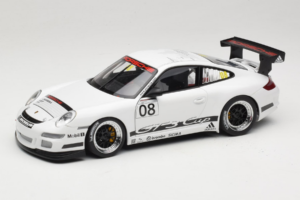
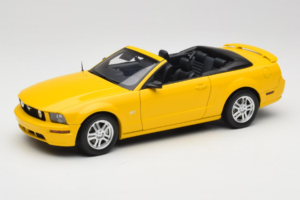
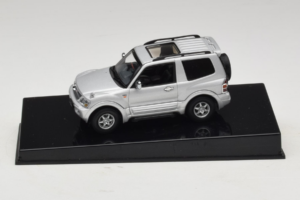
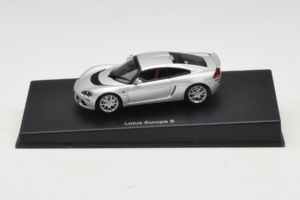
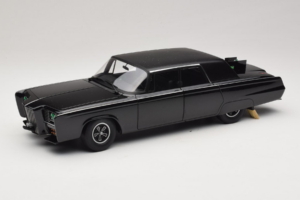
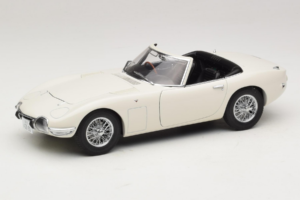
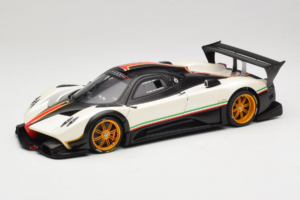
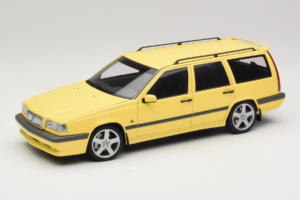
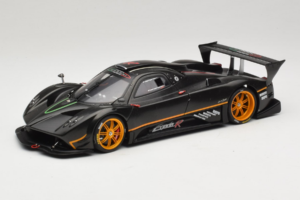
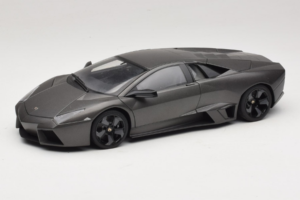
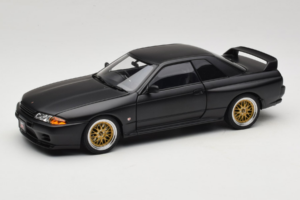
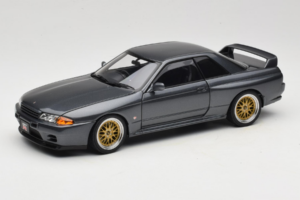
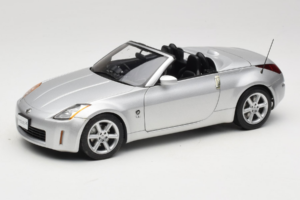
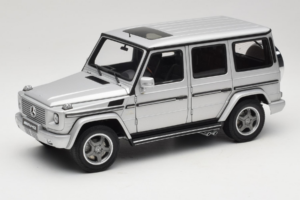
AUTOart occupies a distinct middle ground in scale model construction, pairing diecast metal bodies with resin and plastic detailing for a composite approach that opening panels alone can’t fully replicate. This range covers Porsche, Lamborghini, Nissan, and Jaguar across 1:18 and 1:43.



















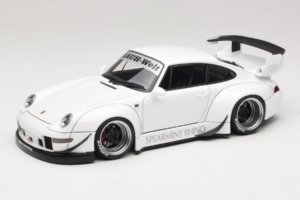


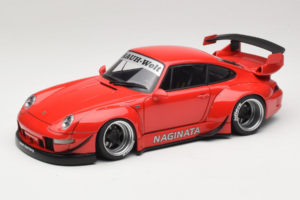
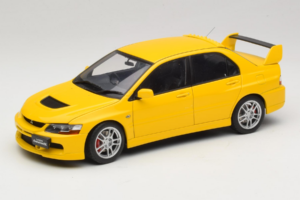
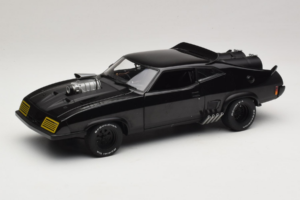







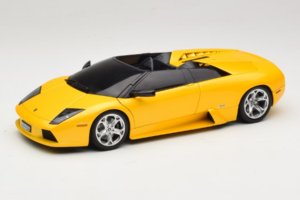
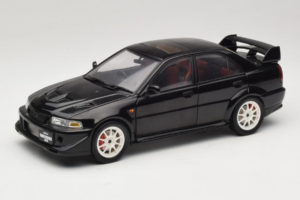
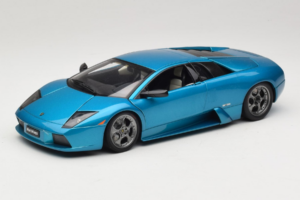
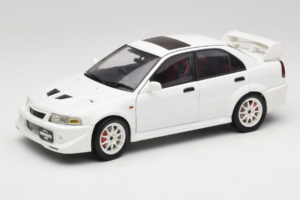
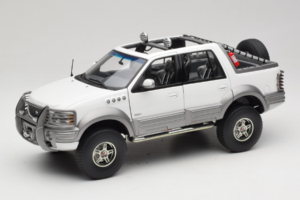



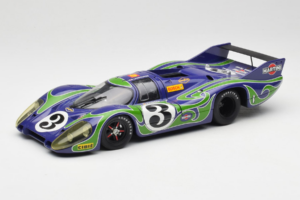

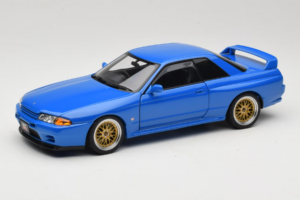
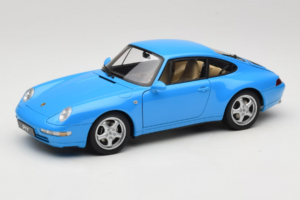




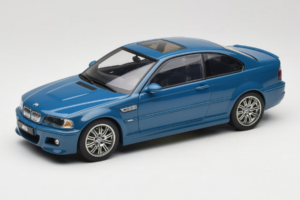
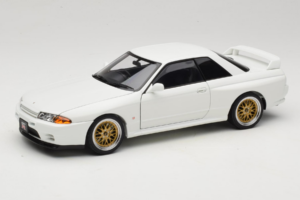


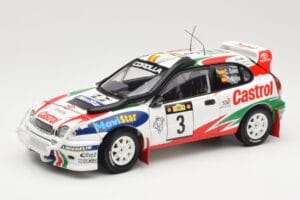



TL;DR: AUTOart scale models use composite construction pairing diecast bodies with detailed resin and plastic interiors, covering supercars, JDM icons, and classic sports cars from Porsche, Lamborghini, Nissan, and Jaguar at 1:18 and 1:43. Coverage spans the 1980s through the 2010s.
AUTOart built its reputation on a construction approach that splits the difference between pure diecast and sealed resin, and this range shows how that philosophy plays out across supercars, JDM performance icons, and classic sports subjects.
Composite construction, a diecast metal body paired with resin or plastic interior and detail components, lets AUTOart pursue opening features alongside interior detail levels that pure diecast struggles to match at the same scale. This approach shows most clearly on the manufacturer's supercar and JDM sports subjects, where engine bay and cabin detail carry real weight in how collectors judge accuracy against the original car.
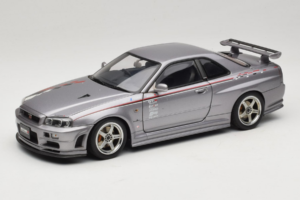
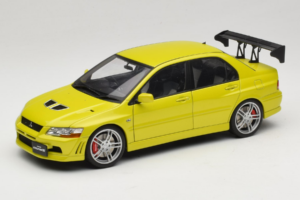
AUTOart's JDM sports car coverage, including Nissan performance subjects, reflects a segment where enthusiast demand for accuracy runs especially high, since JDM collectors tend to know their subject cars in exacting detail. Grand tourer and vintage classic coverage rounds out the range, showing that the composite construction approach applies across eras rather than being limited to modern performance subjects alone.
AUTOart sits in the upper-mid construction tier, above mass-market diecast but distinct from fully hand-built resin specialists:
Reading AUTOart's construction against a pure resin specialist or a mass-market diecast producer helps a collector understand exactly where the trade-offs sit: more detail than diecast alone, more interaction than sealed resin.
Collectors drawn to AUTOart often build around a specific performance segment, JDM icons or European supercars, rather than spreading across the manufacturer's full range at once. Because composite construction rewards close inspection, a smaller, carefully chosen AUTOart collection often makes a stronger visual statement than a broader, less focused one.
Composite construction pairs a diecast metal body with resin or plastic interior and detail parts, letting a manufacturer combine opening features with a higher level of interior detail than pure diecast typically achieves at the same price point.
AUTOart sits in an upper-mid construction tier, offering more interior and engine bay detail than mass-market diecast while retaining opening features that sealed resin specialists give up entirely. It occupies genuine middle ground between the two approaches.
JDM enthusiasts tend to know their subject cars in exacting detail, and AUTOart's composite construction supports the interior and engine bay accuracy that this particularly demanding collector segment expects from its models.
1:18 is the primary scale for AUTOart's supercar and JDM coverage, giving composite construction enough physical space to show off its interior and engine bay detail advantage over simpler diecast builds.