Last one
Used

Chevrolet’s muscle car era gave American collecting one of its most enduring themes, and this range keeps that identity front and center. Muscle cars, vintage classics, and service vehicles span 1:18, 1:24, 1:43, and 1:12, in diecast and resin.

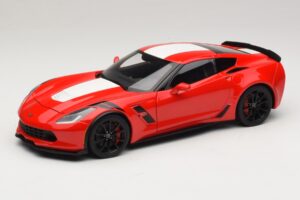



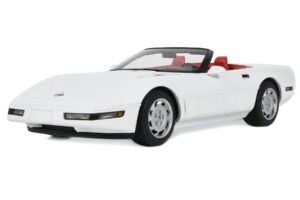


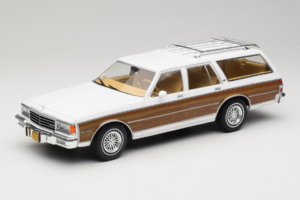
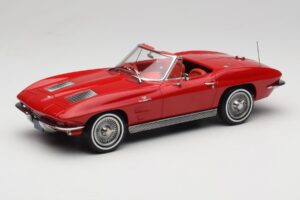

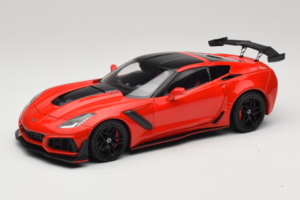
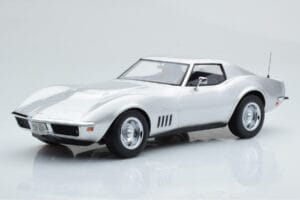



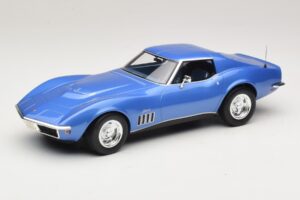

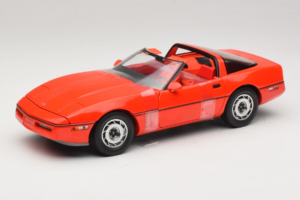



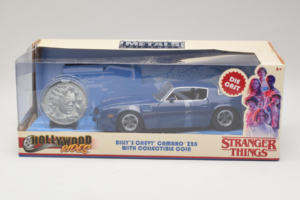

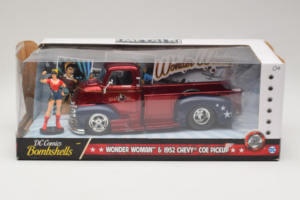


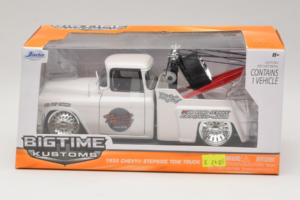
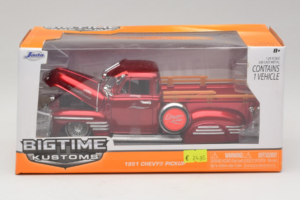




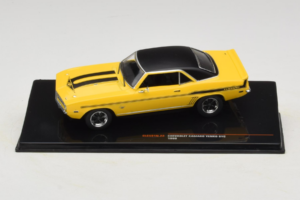
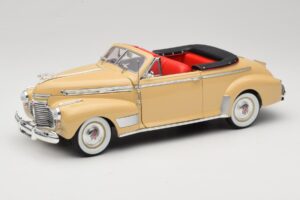


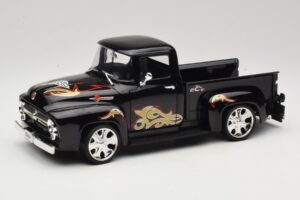
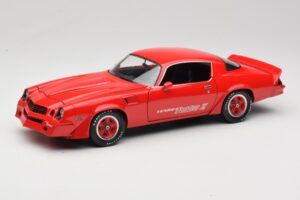
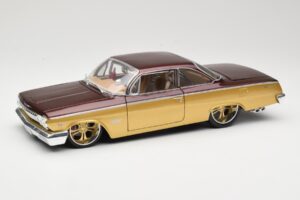
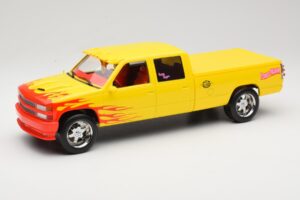



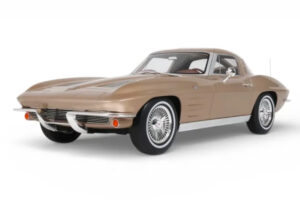
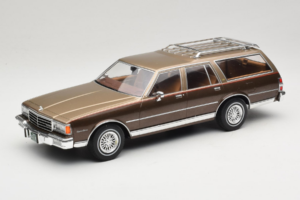

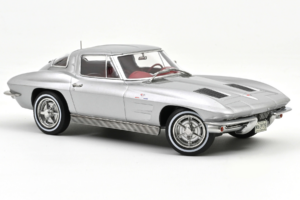
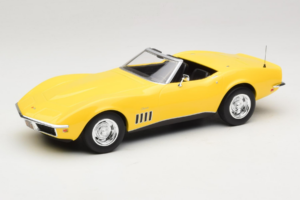
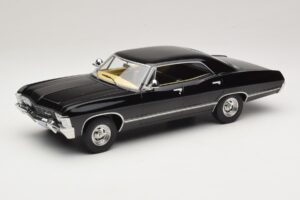




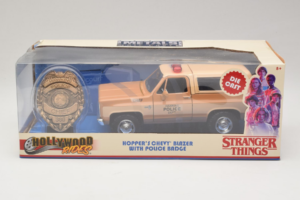


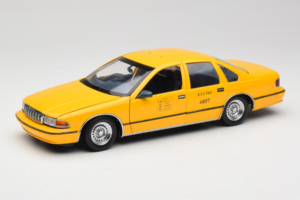
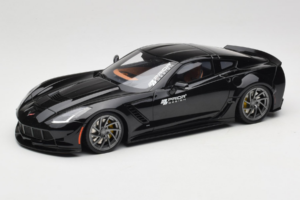
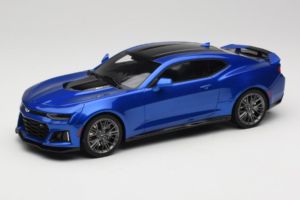


TL;DR: Chevrolet scale models span muscle cars, vintage classics, and service vehicles from Maisto, UT Models, AUTOart, and Bburago, built at 1:18, 1:24, 1:43, and 1:12 in diecast and resin. Coverage spans the 1950s through the 1990s, centered on the brand's muscle car heritage.
Chevrolet helped define the American muscle car as its own category, and that identity carries the weight of this range. Camaro and Chevelle-era subjects sit alongside vintage classics and service vehicles, spanning decades of a genuinely American design story.
Muscle cars anchor this range, reflecting Chevrolet's central role in a genre defined by big-displacement engines and straight-line performance during the 1960s and 1970s. Scale reproductions of this era lean into detailed engine bays and period-correct stripe and wheel packages, since those details are central to what separates a specific muscle car variant from a visually similar sibling.
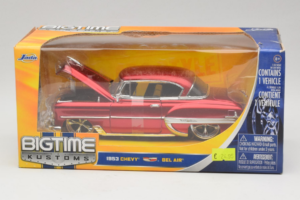
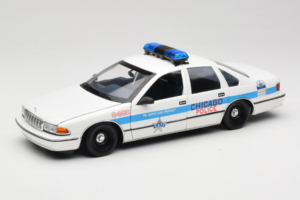
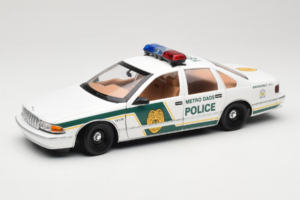
Vintage classics from the 1950s document Chevrolet's earlier design language, tracing the brand's evolution from postwar chrome styling toward the muscle era that followed. Service and emergency vehicle subjects add an unexpected but genuine layer of American automotive history, capturing utility vehicles that rarely get the collecting attention of performance models but carry real cultural significance.
Maisto, UT Models, AUTOart, Bburago, and GT Spirit all reproduce Chevrolet subjects:
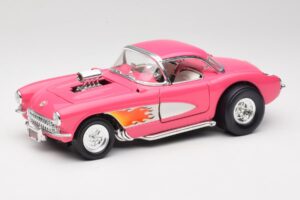
Tuner special and concept subjects extend the range further, showing Chevrolet's performance identity continuing well past the classic muscle car era.
A Chevrolet collection built around muscle cars benefits from tracking a specific model line, Camaro or Chevelle, across its most significant model years, since engine and trim variations within a single generation can be as collectible as the differences between generations. Collectors interested in broader American automotive history often pair muscle car subjects with vintage classics or service vehicles for contrast.
Chevrolet produced some of the genre's defining models during the 1960s and 1970s, and that period remains central to the brand's collecting identity today, reflected in this range's strong muscle car coverage across multiple scales.
1:18 gives period-correct engine bays and stripe packages enough physical space to read clearly, which matters for a genre where specific trim variations define a model's collecting significance.
Yes. Vintage classics from the 1950s and service and emergency vehicle subjects broaden the range beyond pure performance, offering collectors a fuller picture of Chevrolet's role in American automotive history.
Tracking a specific model line across its most significant years lets a collector build depth around engine and trim variations, which are often as collectible within the muscle car genre as differences between entirely separate models.