New arrival
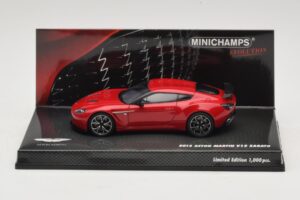
Factory specials sit apart from a manufacturer’s standard lineup, built in smaller numbers with unique specifications straight from the factory. This range covers Porsche, BMW, Ferrari, and Ford factory specials across 1:18, 1:43, and 1:12, in diecast and resin.
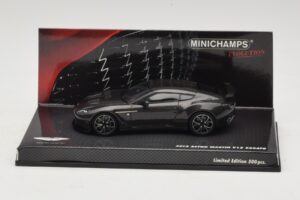
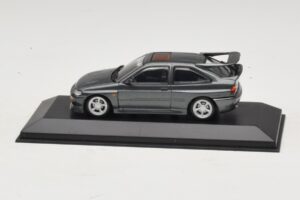
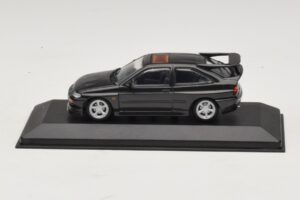
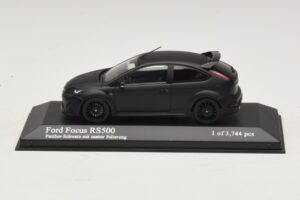
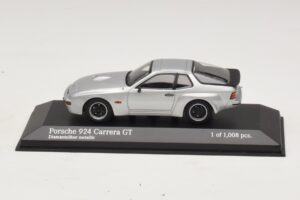
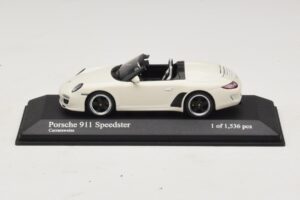
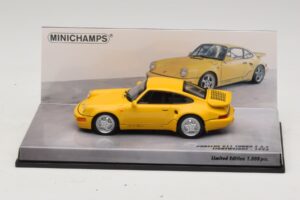
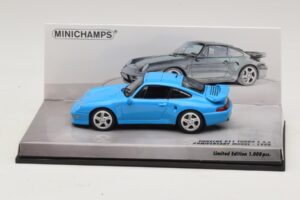
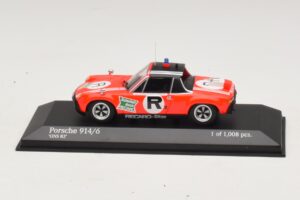
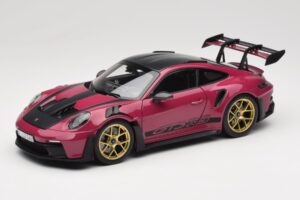
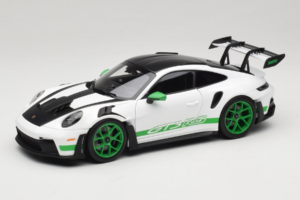
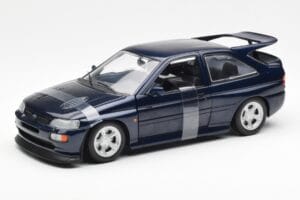
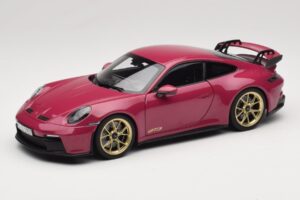



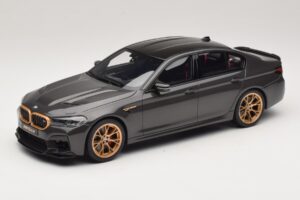
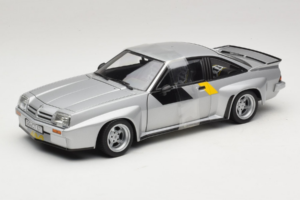
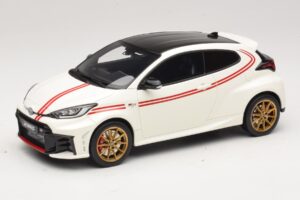

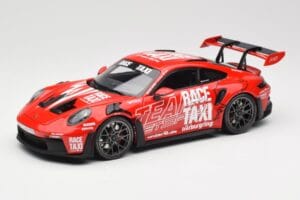
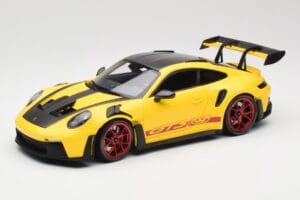
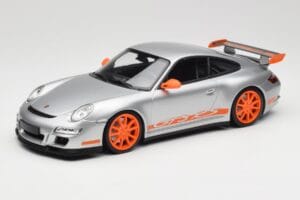

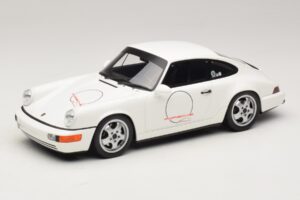
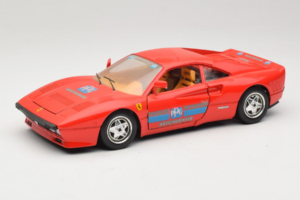


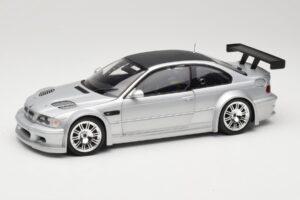
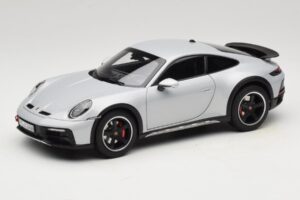

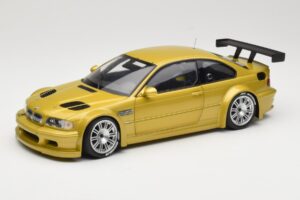


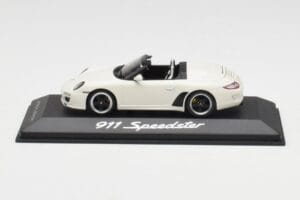


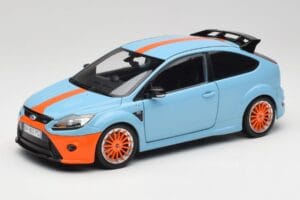
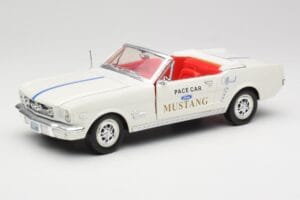
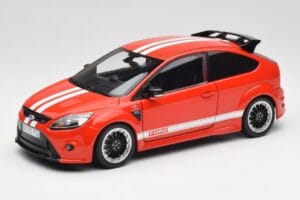
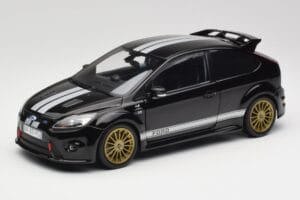

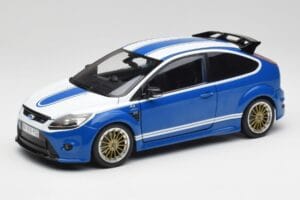



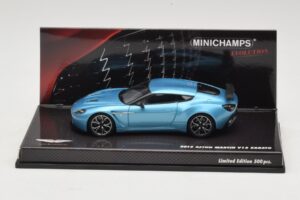
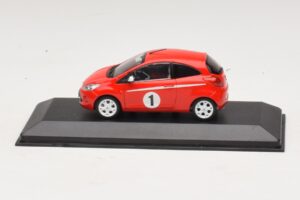
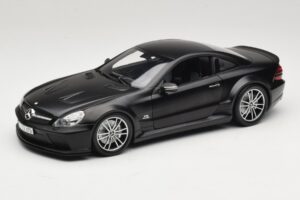
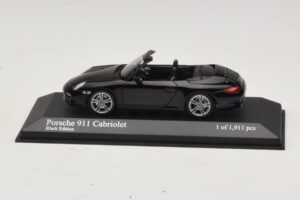
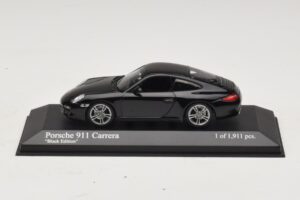
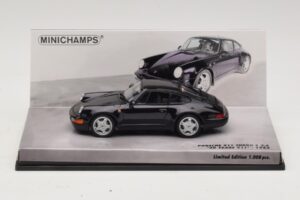
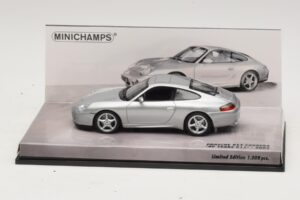
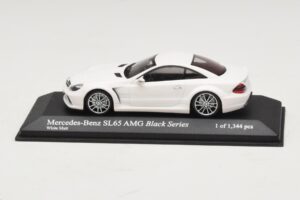
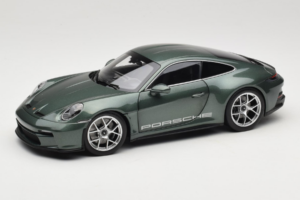

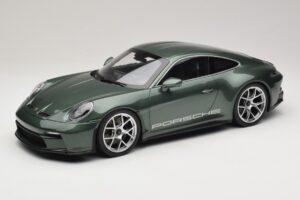

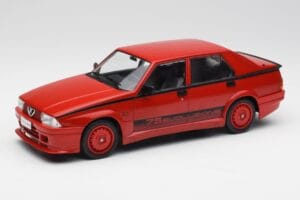
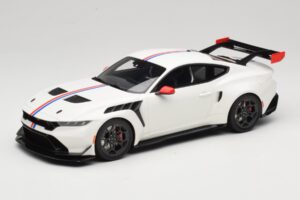
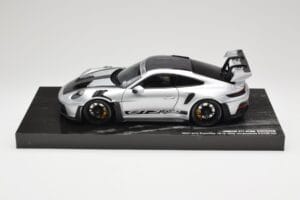
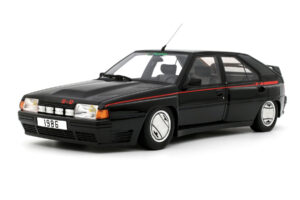
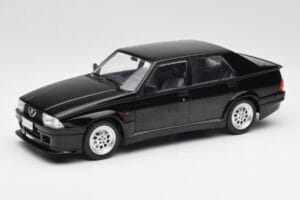
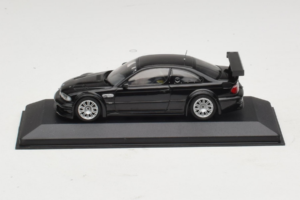
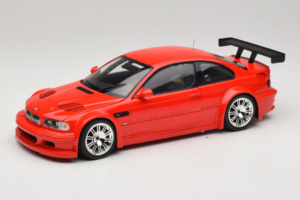
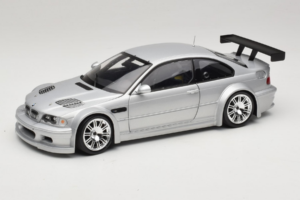
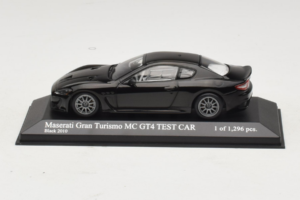
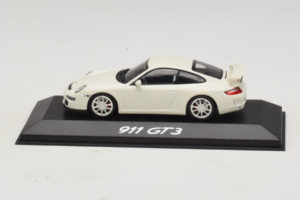
TL;DR: Factory special scale models document limited manufacturer variants from Porsche, BMW, Ferrari, and Ford, built at 1:18, 1:43, and 1:12 in diecast and resin from Minichamps, Norev, and GT Spirit. Coverage spans the 1990s through the 2020s, capturing cars built in smaller numbers with unique factory specifications.
A factory special exists to push a standard model further, whether through a homologation requirement, an anniversary commission, or simply a manufacturer's desire to build something more extreme in limited numbers. This range documents that tradition across several decades.
What distinguishes a factory special from a standard production model is intent: these cars leave the factory with specifications, lightweight materials, or performance upgrades not offered on the regular lineup. Porsche, BMW, and Ferrari have each built factory specials that became more collectible than their standard-issue siblings precisely because of that intentional rarity and enhanced specification, giving scale reproductions of these subjects a documentary significance beyond typical model variety.
Some factory specials exist purely to satisfy motorsport homologation requirements, built in the minimum numbers regulations demanded before a manufacturer could race a more radical variant. Others mark brand anniversaries or specific achievements, giving collectors a way to trace a manufacturer's own sense of its most significant milestones through the special editions it chose to commission.
Minichamps, Norev, GT Spirit, Bburago, and Otto all reproduce factory special subjects:
Era coverage running from the 1990s through the 2020s gives collectors access to both classic homologation specials and more recent anniversary and performance commissions.
A factory special collection benefits from research into exactly what made each subject special, since the appeal of this category rests entirely on understanding the specific rarity or performance enhancement behind each model. Collectors interested in motorsport connections often prioritize homologation specials, while those drawn to brand history build around anniversary and milestone commissions.
Factory specials leave the production line with unique specifications, lightweight materials, or performance upgrades not offered on the regular lineup, an intentional rarity that often makes them more collectible than their standard-issue siblings.
Motorsport regulations sometimes required manufacturers to build a minimum number of road-going units before a more radical race variant could compete, resulting in limited-production factory specials built purely to satisfy those rules.
Anniversary specials mark brand milestones or achievements rather than motorsport requirements, giving collectors a way to trace a manufacturer's own view of its most significant moments through the limited editions it chose to commission.
1:18 gives the specific trim and performance upgrades that define a factory special enough physical space to read clearly, which matters since those exact details are what separate the special from its standard-issue sibling.