Last one
Used
Back in stock
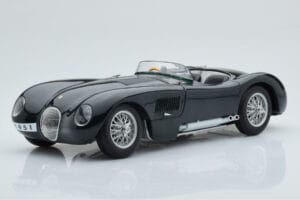
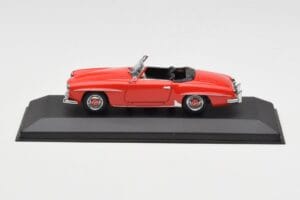
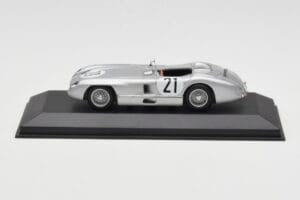
Postwar optimism turned into full design confidence in the 1950s, and the results still anchor vintage collecting today: tailfins, chrome grilles, and the first generation of purpose-built sports cars. This range spans Mercedes, Chevrolet, Ferrari, and Jaguar across 1:18, 1:43, 1:24, and 1:12 scales, in diecast and resin.
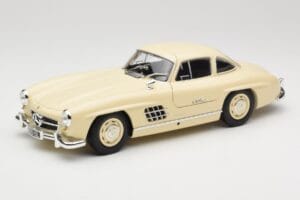
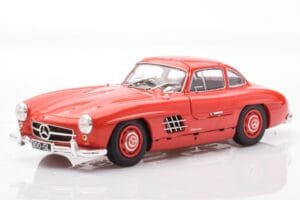
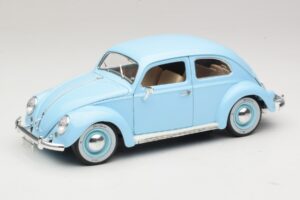

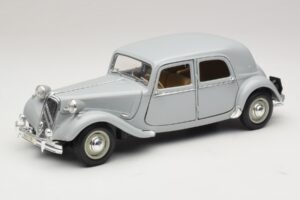
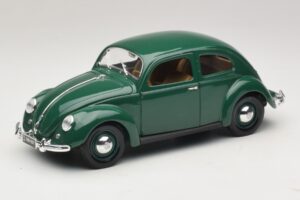
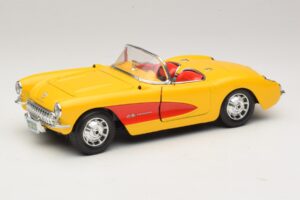
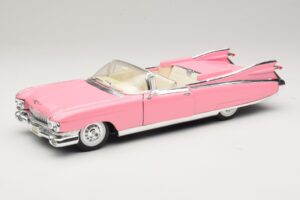
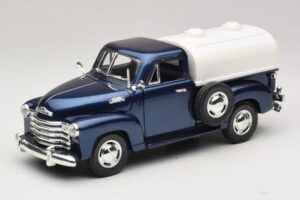
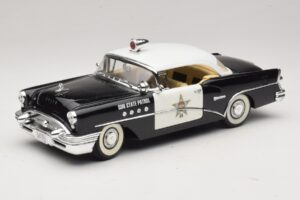
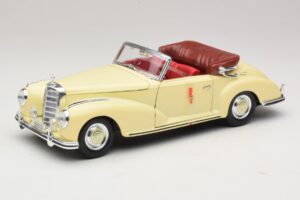
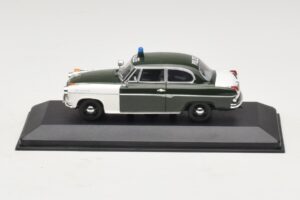
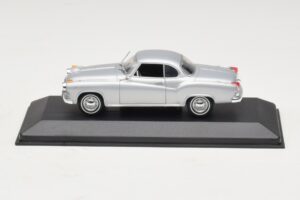
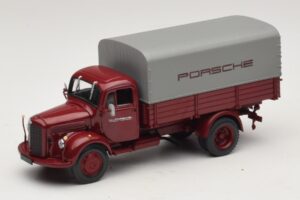
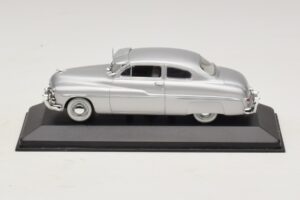
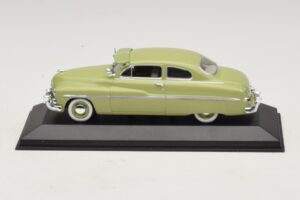

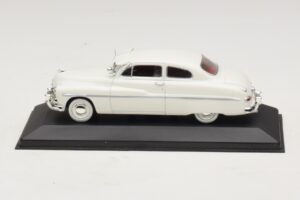
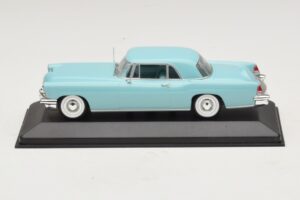
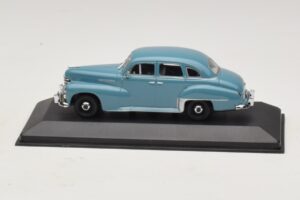
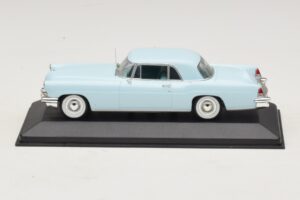
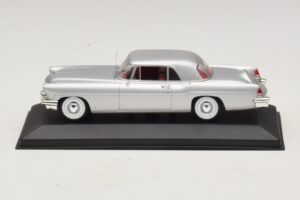
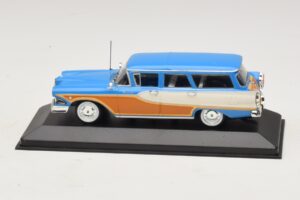
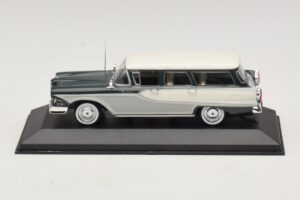

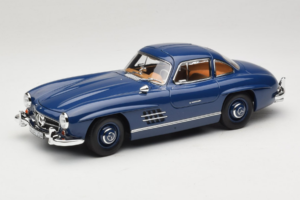
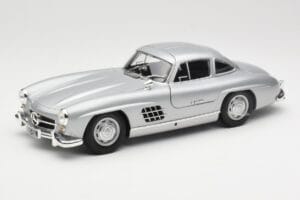
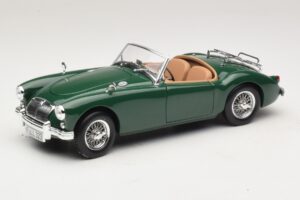
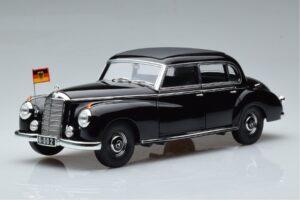
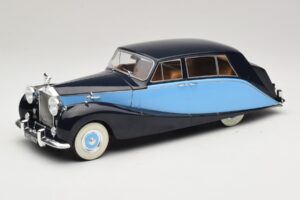
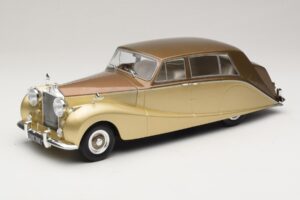

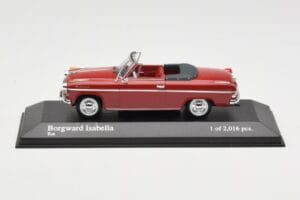






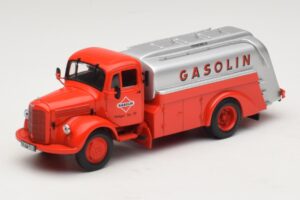
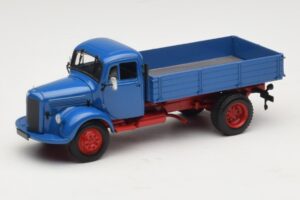
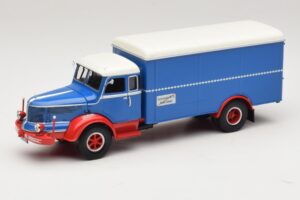



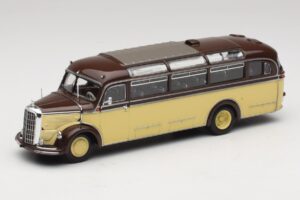
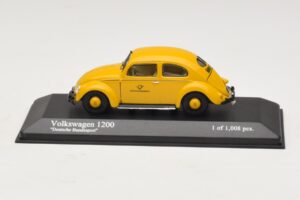
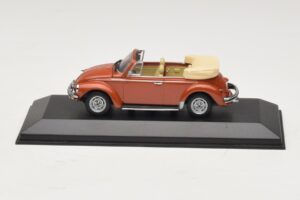
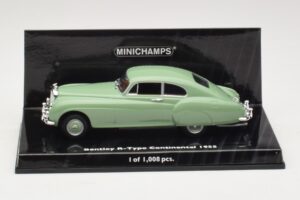
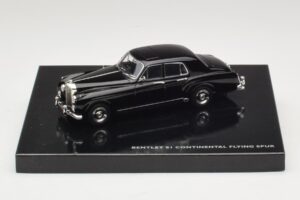
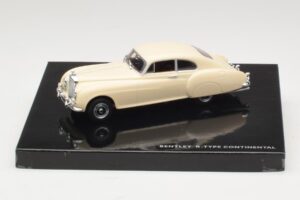
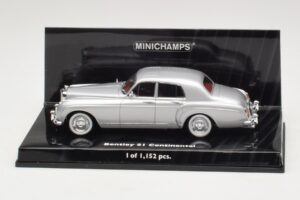
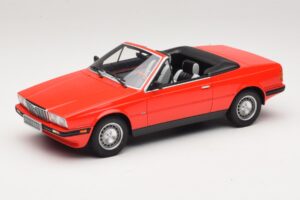
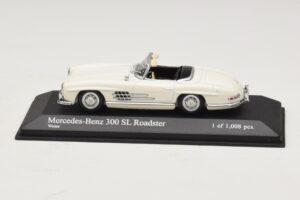
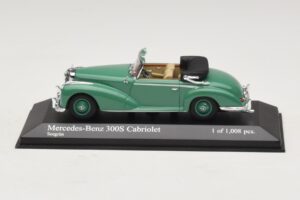
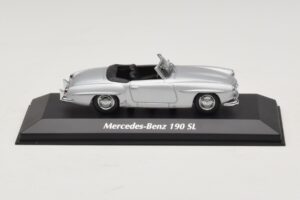
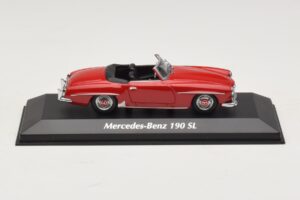
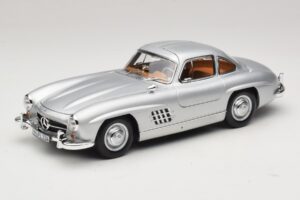
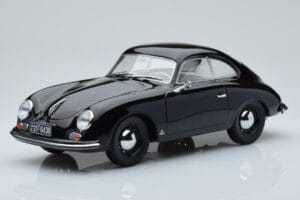
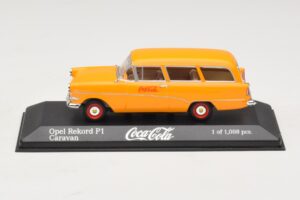


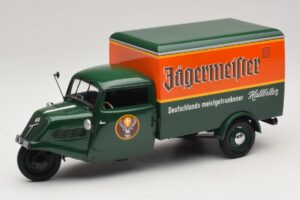
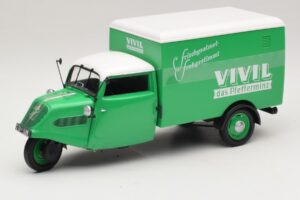

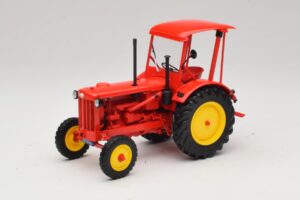
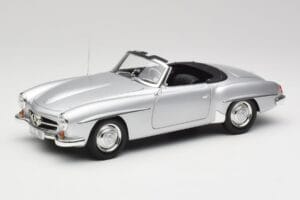
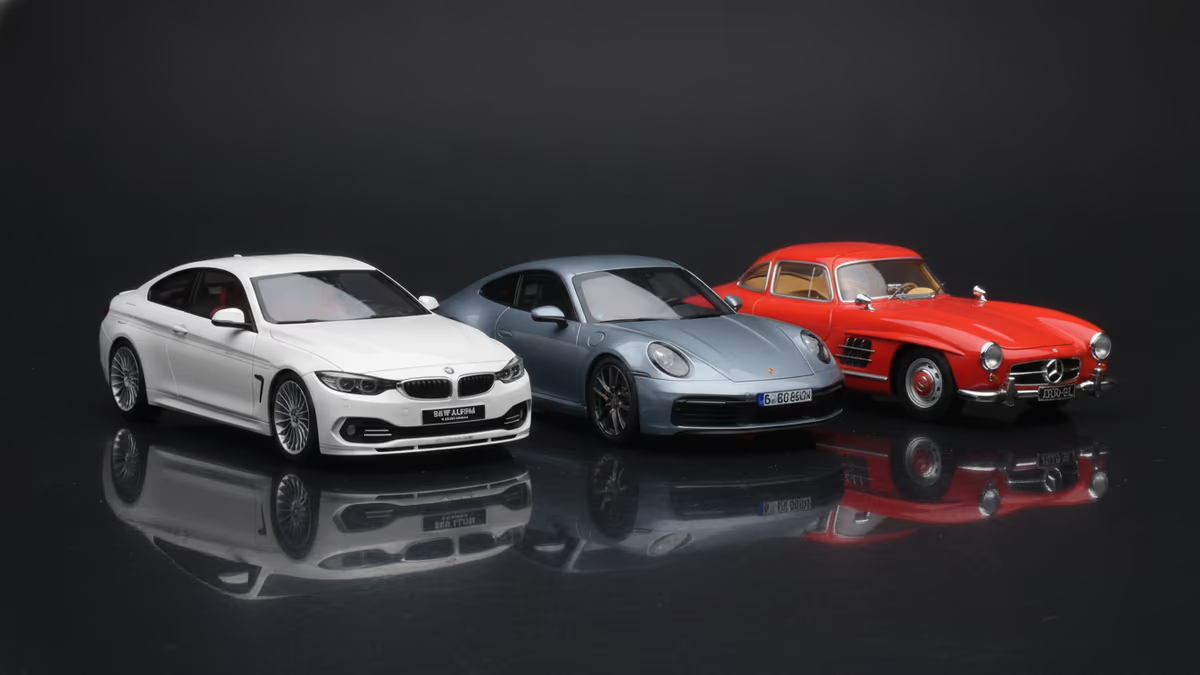
TL;DR: 1950s model cars capture chrome-era styling and early sports car heritage from Mercedes, Chevrolet, Ferrari, and Jaguar, built across 1:18, 1:43, 1:24, and 1:12 in diecast and resin. The decade's design confidence and racing origins make it a favorite for vintage-classic and classic-sports collectors.
The 1950s is where postwar recovery turned into genuine design ambition. Tailfins, wraparound windshields, and chrome grilles defined American road cars, while Europe produced the first generation of dedicated sports cars built for racing as much as the road, and this range reproduces both traditions.
Where the 1940s was defined by recovery, the 1950s was defined by expression. American manufacturers embraced size, chrome, and tailfin styling as a statement of postwar prosperity, while European marques like Mercedes, Ferrari, and Jaguar pursued a leaner, motorsport-driven design language. Reproducing both in scale means the decade's models range from wide, ornate American classics to compact, purposeful European sports cars, often on the same shelf.
This is the decade where the sports car as a category truly took shape, and the range's classic sports and historic GT coverage reflects that. Ferrari, Jaguar, and Mercedes road-going sports cars from this period carry direct links to period racing, so a 1950s sports car model often documents both a road-going design and a competition pedigree in one subject. Special and unique models round out the picture with coachbuilt one-offs and concept-adjacent designs that never reached full production.
Minichamps, Maisto, Bburago, Revell, and Norev all reproduce 1950s subjects across a wide scale range:
Diecast handles the era's broader coverage well, while resin releases tend to focus on the more specialist sports and coachbuilt subjects where surface precision on curved bodywork counts for more.
A 1950s shelf benefits from choosing a lane rather than trying to cover everything at once. American chrome-era classics and European sports cars are visually and thematically distinct enough that mixing them without intent can feel scattered. Collectors focused on styling tend to chase the biggest, most ornate American subjects, while those drawn to motorsport heritage build around the European sports cars whose racing pedigree gives each model a documented history beyond its looks.
Design confidence. Where the 1940s prioritized recovery and utility, the 1950s introduced tailfins, chrome grilles, and the first purpose-built sports cars, giving the decade a much bolder visual identity that scale reproductions lean into directly.
Many European sports cars from this era, particularly from Ferrari and Jaguar, were developed alongside genuine competition programs, so a road-going model often shares its underpinnings with a race-winning variant. That dual identity is part of what makes the subjects collectible beyond styling alone.
1:18 gives the era's chrome grilles, tailfins, and wide cabins enough physical space to read properly, which matters more here than on smaller, simpler shapes. 1:43 remains a strong option for collectors prioritizing full lineage coverage over individual detail.
It can, but a clearer collection usually picks a lane first. American chrome-era classics and European sports cars represent distinct design philosophies, so grouping by theme within the decade tends to read better than combining everything without a stated focus.