Last one
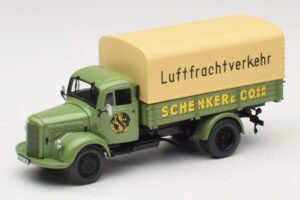
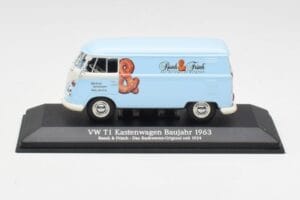
Delivery vans and light trucks rarely get the spotlight in automotive history, yet they carry decades of livery, branding and regional character that scale manufacturers document with real care. This collection spans Volkswagen, Mercedes, Citroen, Renault and Ford across 1:18 and 1:43 diecast and resin.
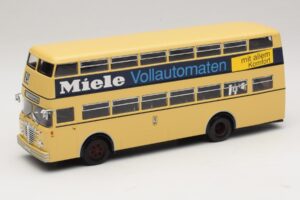
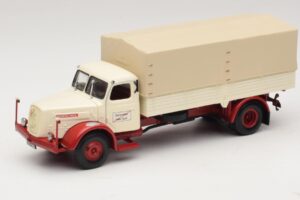
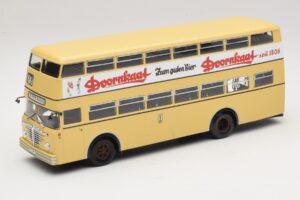
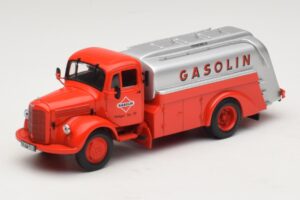
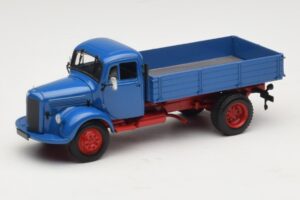
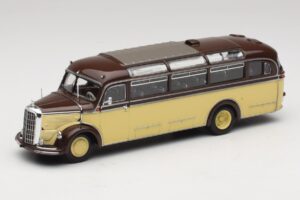
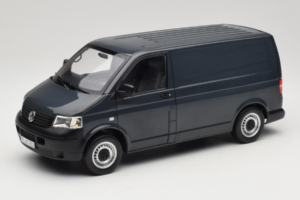
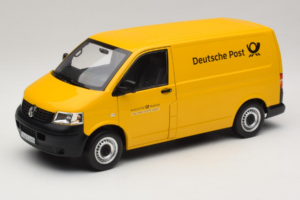
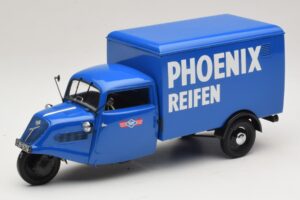
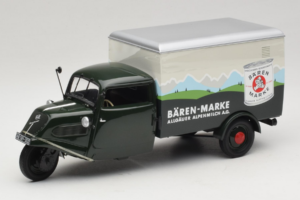
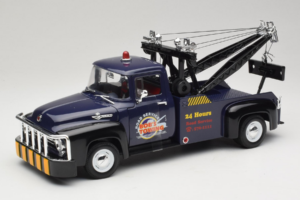
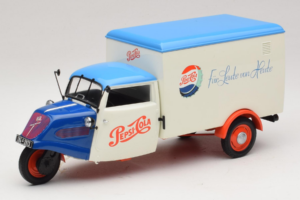

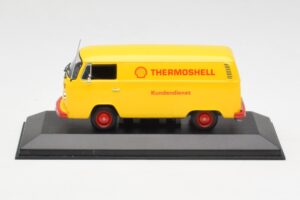


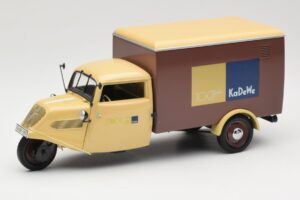
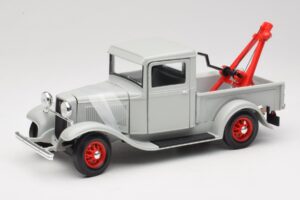
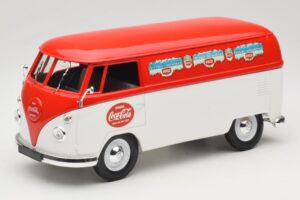


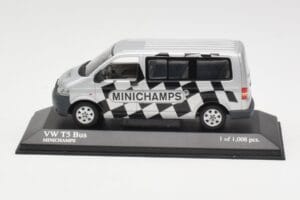

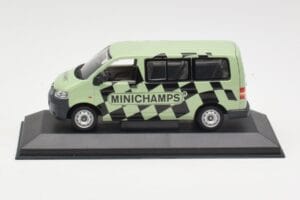
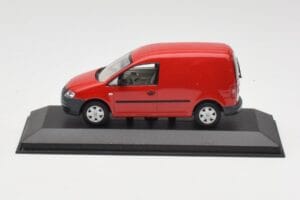

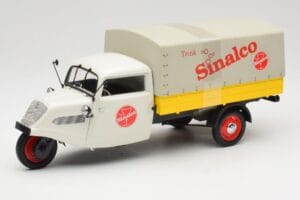


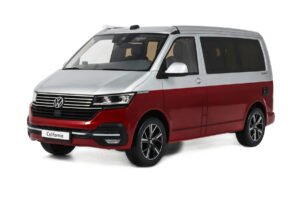
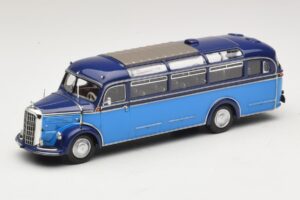
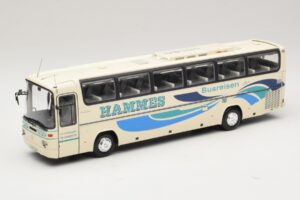
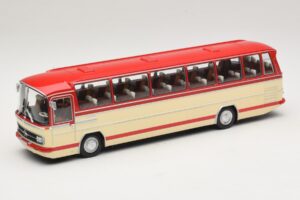
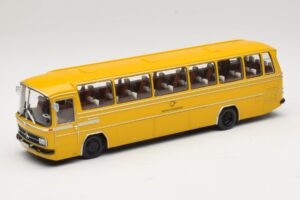
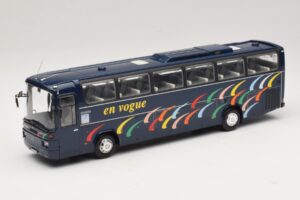
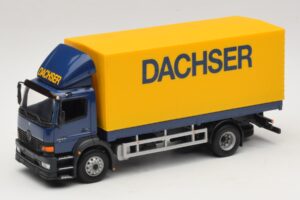
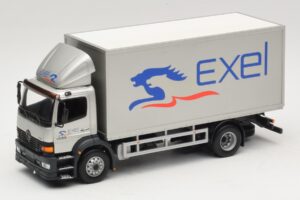


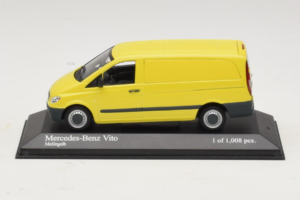


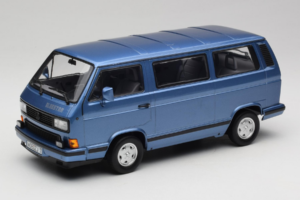
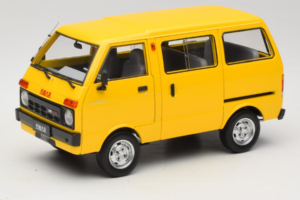


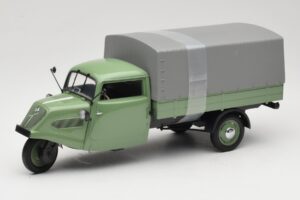

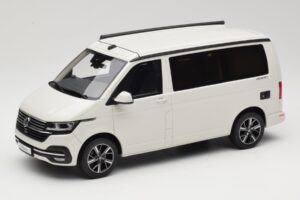

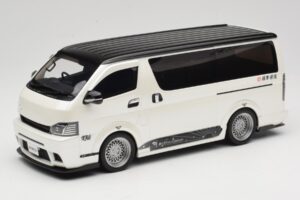


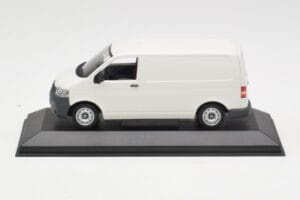


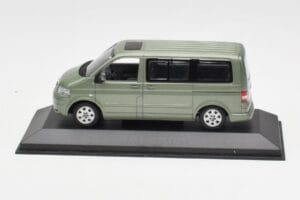


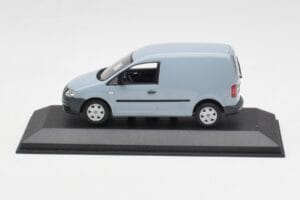
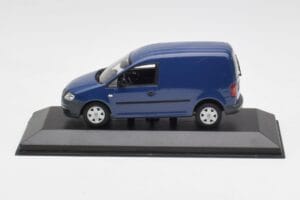


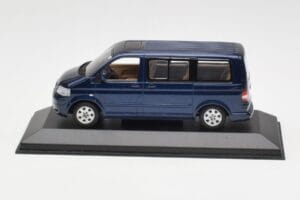
TL;DR: Light commercial vehicle scale models cover Volkswagen, Mercedes, Citroen, Tempo, Renault, Ford, Toyota and Opel vans and light trucks in 1:18 and 1:43 diecast and resin. Coverage spans the 1950s through 2010s, favoring European delivery and utility vehicles.
Light commercial vehicle scale models cover ground that most collectors overlook until they discover it: delivery vans, utility trucks and service vehicles carrying decades of branding, regional design quirks and genuine everyday-life history that passenger cars rarely capture in the same way.
Minichamps and Norev lead the field here, both known for treating commercial vehicle liveries with the same seriousness they apply to passenger cars, right down to correct period signage and paint schemes. Schuco and Solido bring German and French utility vehicle heritage into sharper focus, particularly on 1950s and 1960s subjects, while Otto extends the range with resin builds for rarer or more specialized commercial variants.
The Volkswagen van in particular carries cultural weight far beyond its original commercial purpose, tied to surf culture, road trips and a design so distinctive it remains instantly recognizable decades after production ended. That crossover appeal, part commercial history, part cultural icon, is what pulls collectors into a category most would otherwise pass by in favor of sports cars and sedans.
Commercial vehicles collect differently from passenger cars because livery is often the whole point of the subject. A delivery van's painted branding, a service vehicle's utility markings, these details define the model as much as the vehicle's shape does, which is why manufacturers working in this space put particular effort into decal and tampo accuracy.
1:18 suits commercial vans well, large enough to show interior cargo space and dashboard detail that defines the utility character of these vehicles. 1:43 supports broader fleet-style collecting, letting collectors assemble multiple liveries or regional variants of the same van model without excessive shelf space.
Commercial vehicles often carry distinctive livery and regional design history that passenger cars lack, and subjects like the Volkswagen van combine genuine commercial history with broader cultural recognition.
Minichamps and Norev provide the broadest coverage, with Schuco and Solido adding depth to German and French postwar utility vehicles specifically.
1:18 shows interior cargo and dashboard detail effectively, while 1:43 allows a broader collection of liveries and regional variants within manageable shelf space.
Yes, subjects from the 1950s including Tempo's three-wheeled utility vehicles sit alongside more modern 2000s and 2010s commercial van subjects.