Last one
Used
Back in stock

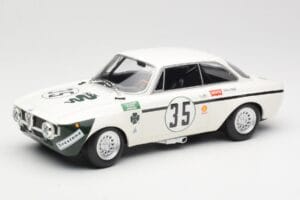
Alfa Romeo GTA 1300 Junior #33 T. Hezemans / G. van Lennep Division 1 Winners 4 Hours of Jarama 1972 Minichamps 1:18
Only 1 left
Price:
189.00 €
Before GT3 standardized the modern formula, historic GT and GTE racing produced some of endurance motorsport’s most celebrated rivalries. This range covers Ferrari, Porsche, McLaren, and Alfa Romeo across 1:18, 1:43, and 1:12, in diecast and resin.





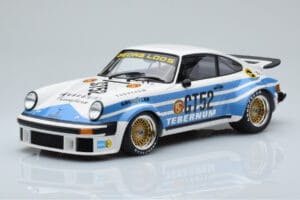



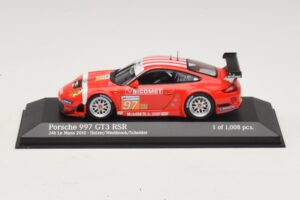
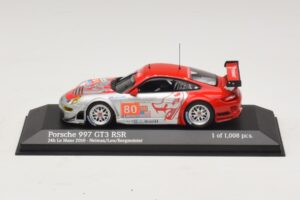
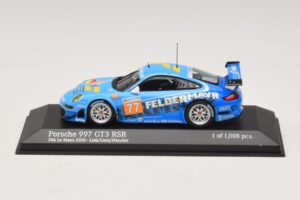
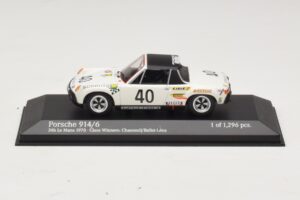
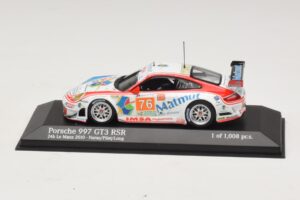
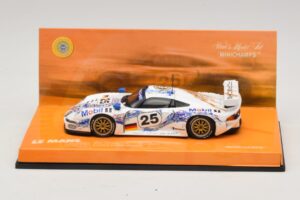
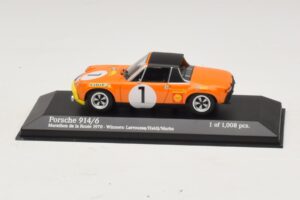
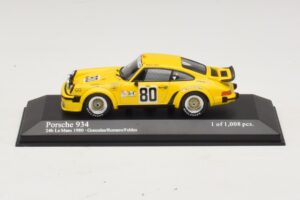
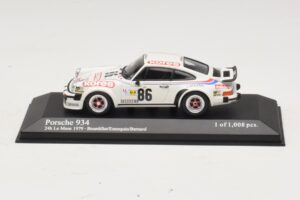
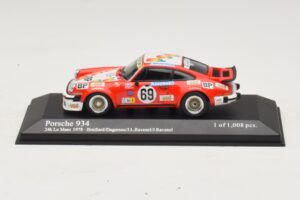
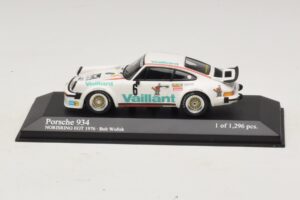
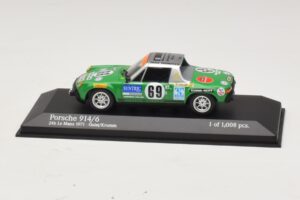


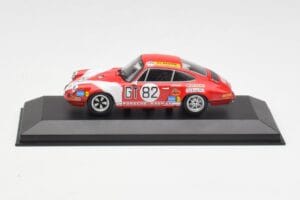
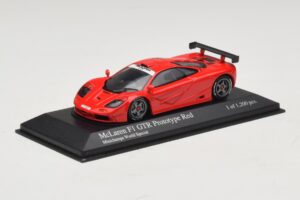
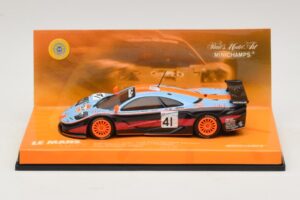
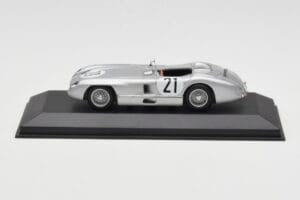


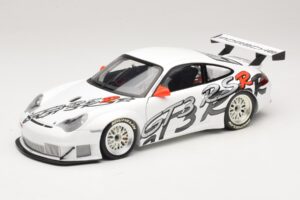
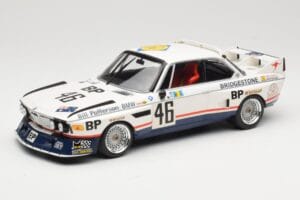
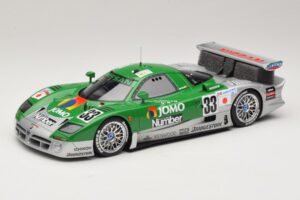

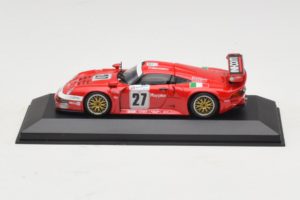
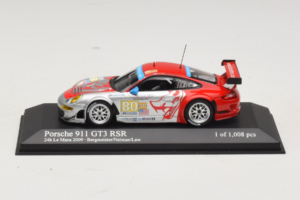
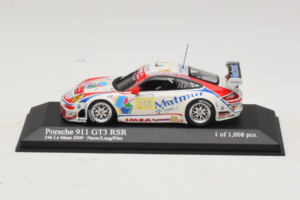
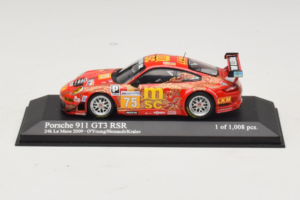


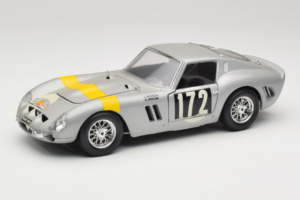


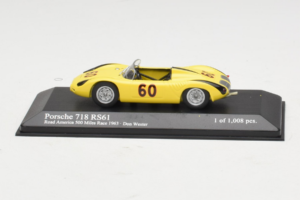


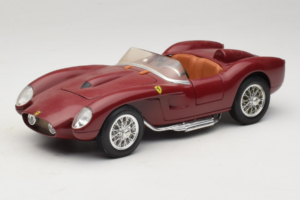
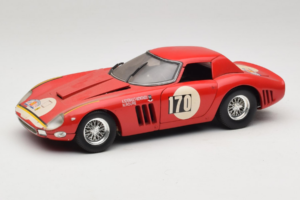
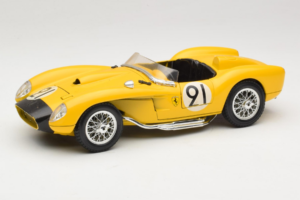

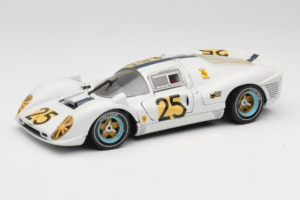
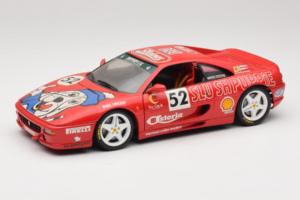

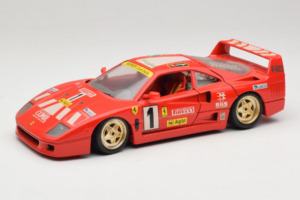
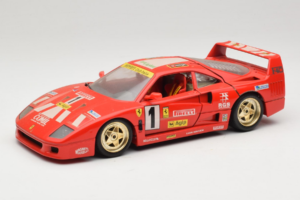
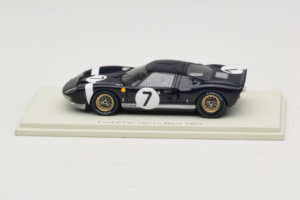

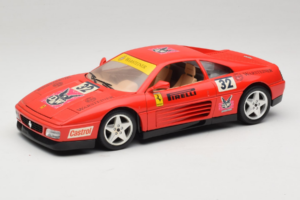
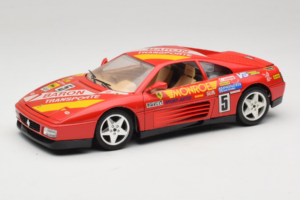
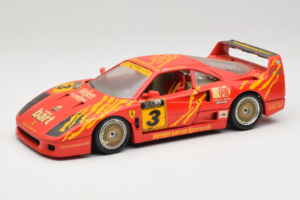

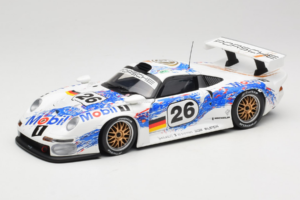
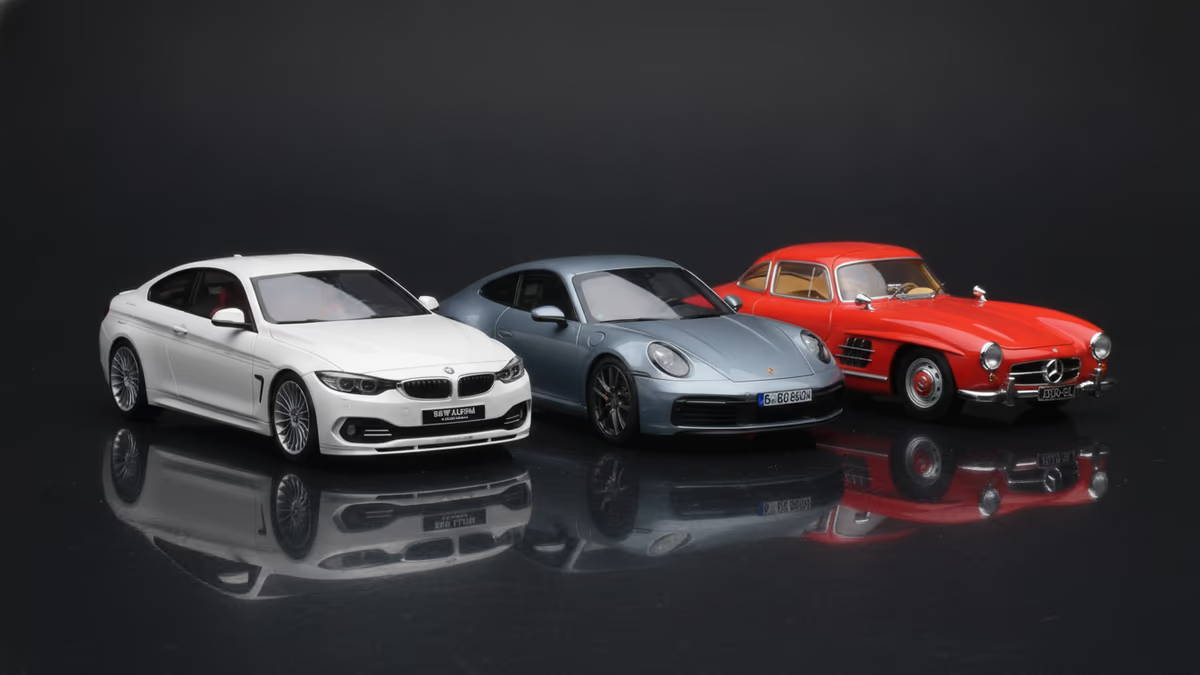
TL;DR: Historic GT and GTE scale models document endurance racing from Ferrari, Porsche, McLaren, and Alfa Romeo across the 1960s through the 1990s, built at 1:18, 1:43, and 1:12 in diecast and resin from Minichamps, Bburago, and CMC. Coverage predates the modern GT3 standardization that reshaped the category.
Before shared GT3 technical regulations standardized modern sports car racing, historic GT and GTE competition produced some of endurance motorsport's most celebrated rivalries, often between manufacturers pursuing very different engineering solutions to the same racing problem.
Ferrari and Porsche's historic GT rivalry spans multiple technical eras, from 1960s front-engined racers through 1990s GT1 and GTE-class competitors, and this range documents that sustained competitive history in detail. McLaren's entry into GT racing during the 1990s added a further compelling chapter, bringing Formula 1-derived engineering knowledge into endurance competition for the first time.
Era coverage running from the 1960s through the 1990s spans a genuine technical transformation, as historic GT racing shifted from front-engined, road-relevant race cars toward increasingly specialized, purpose-built GT1 and GTE machinery by the decade's end. Alfa Romeo and BMW subjects round out the manufacturer coverage, reflecting genuine multi-brand competition throughout this extended period.
Minichamps, Bburago, UT Models, Kyosho, and CMC all reproduce subjects from this category:
Comparing Ferrari and Porsche subjects from the same competitive season directly shows how differently the two manufacturers approached endurance racing engineering during this extended rivalry.
A collection focused on this category benefits from tracking a single manufacturer rivalry, Ferrari versus Porsche especially, across multiple seasons, since that sustained competitive history offers genuine collecting depth. Collectors interested in technical evolution can instead trace how GT racing shifted from front-engined classics toward specialized GT1 and GTE machinery by decade's end.
GT1 and GTE represent earlier, less standardized eras of endurance GT racing that predate the shared technical regulations defining modern GT3 competition, giving each era its own distinct engineering approach and manufacturer rivalry.
The rivalry spans multiple technical eras from the 1960s through the 1990s, making it one of endurance racing's most sustained manufacturer competitions and a particularly rich theme for collectors building comparison-focused displays.
McLaren entered GT competition during the 1990s, bringing Formula 1-derived engineering knowledge into endurance racing and adding a compelling new manufacturer rivalry to the historic GT and GTE category.
1:43 works well for tracking a full season across multiple competing manufacturers, while 1:18 suits collectors who want to study livery and body detail on a smaller number of specific hero subjects.