Last one
New arrival
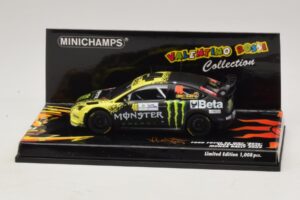
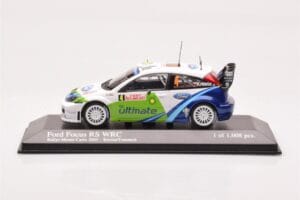
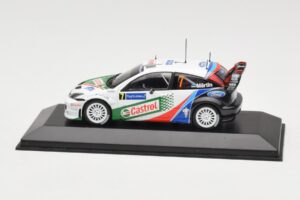
Ford Focus RS WRC #46 V. Rossi / C. Cassina Monza Rally Show 2009 Minichamps 1:43
Only 1 left
Price:
75.00 €
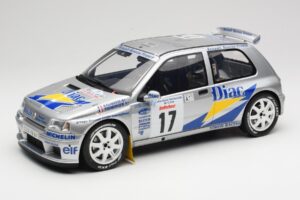
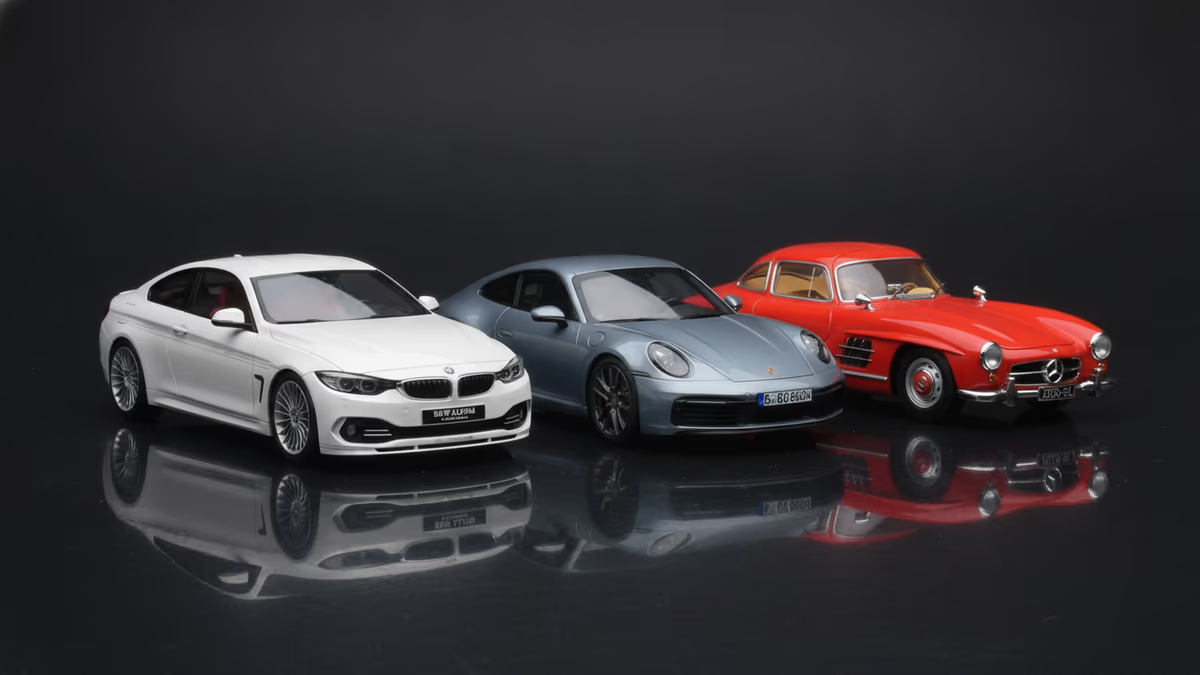
Few motorsport eras produce the drama that Group B and Group A rallying did, unrestrained horsepower thrown at gravel, tarmac, and snow stages across the world. This collection covers Ford, Lancia, Toyota, Subaru, Skoda, Fiat, Opel, and Renault WRC Classic subjects across 1:18, 1:43, and 1:12 diecast and resin.
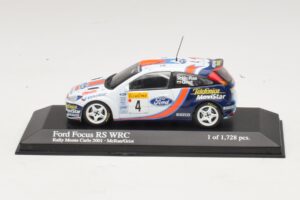
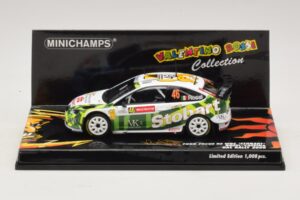
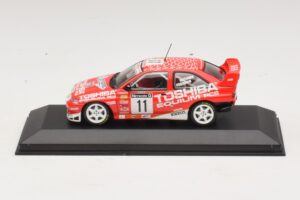
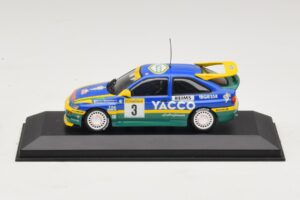
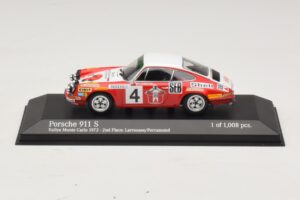
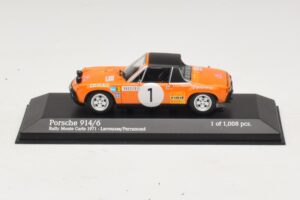
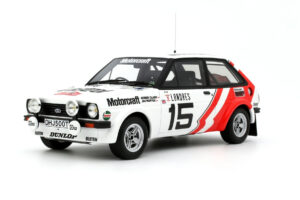

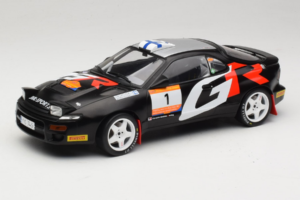
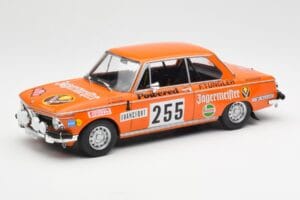
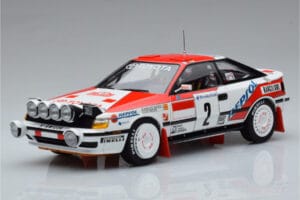
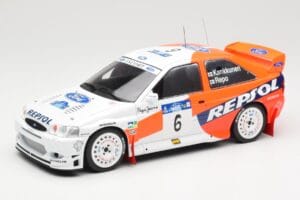

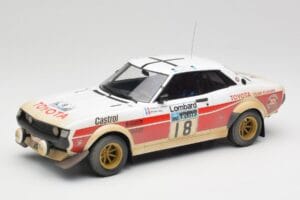
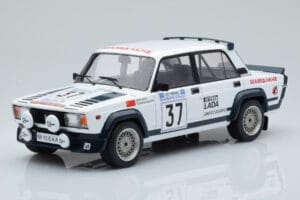
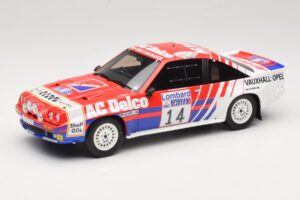
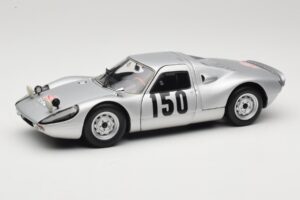
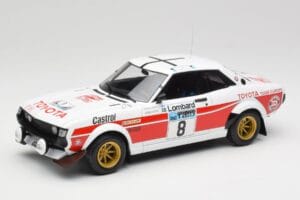
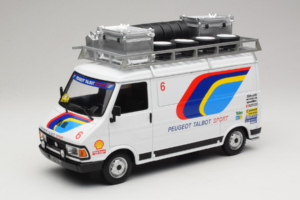
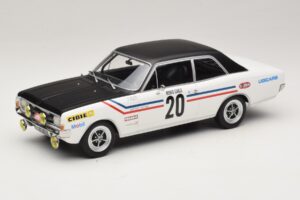
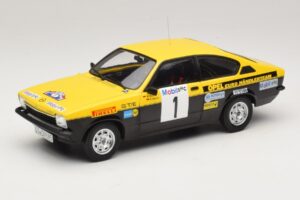
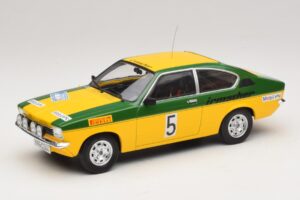
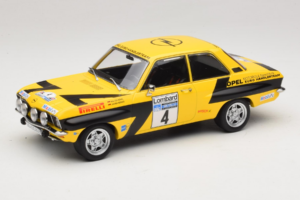
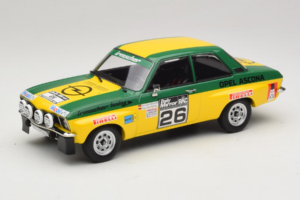
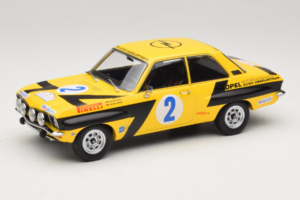
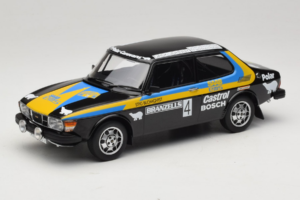


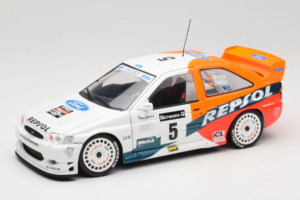
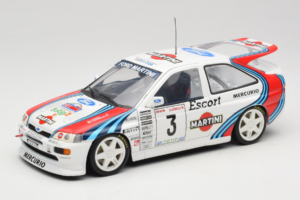
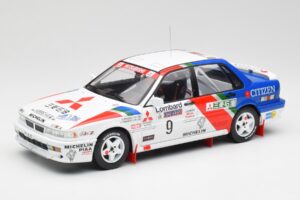
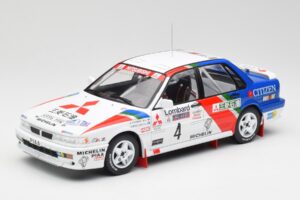


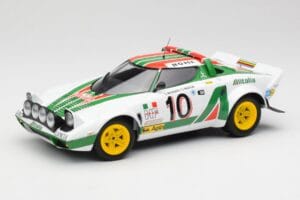
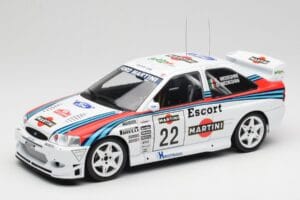
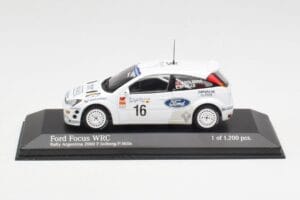
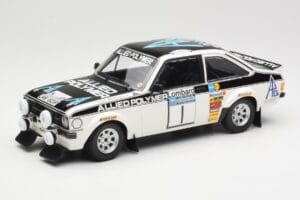
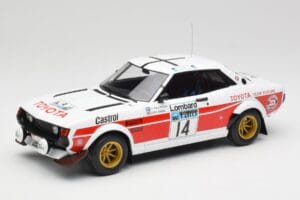
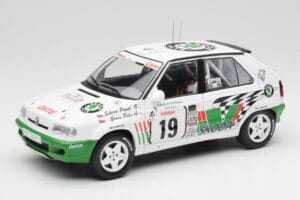
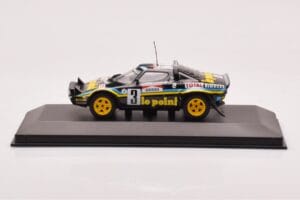
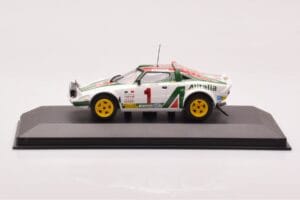


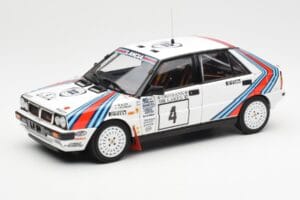
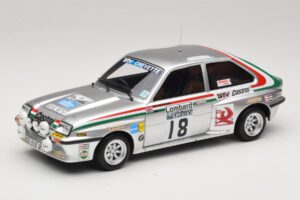
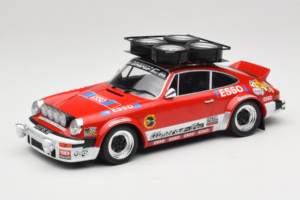
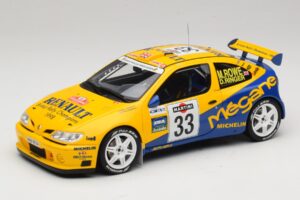


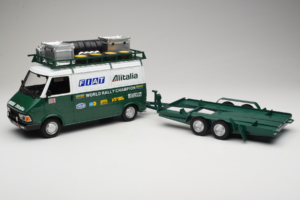

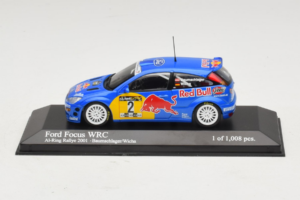
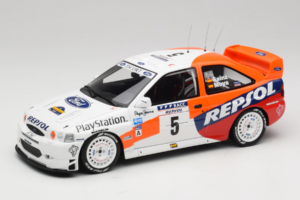
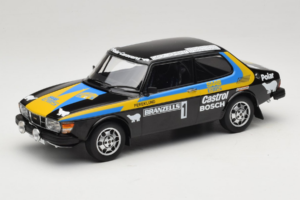
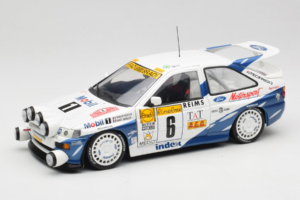
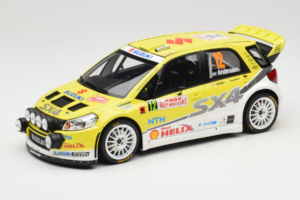


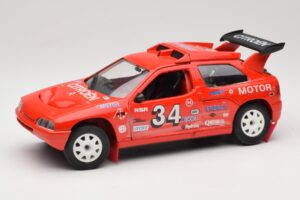
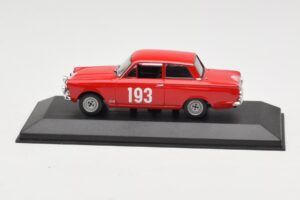

TL;DR: WRC Classic scale models document Group B and Group A rally cars from Lancia, Ford, Toyota, Subaru, and Fiat across the 1970s through 2000s, built in diecast and resin at 1:18, 1:43, and 1:12, spanning motorsport's most visually dramatic and heavily collected rally era.
Group B rallying, and the Group A era that followed it, produced some of the most dramatic competition machinery ever built for public roads and closed stages, and the livery diversity across marques and eras gives WRC Classic collectors more variety to chase than almost any other motorsport theme.
IXO has built extensive coverage of WRC Classic subjects across marques and seasons, offering the kind of season-by-season depth serious rally collectors look for. Minichamps and Otto bring higher-finish diecast and resin treatment to standout cars, particularly the Lancia Delta Integrale and Ford Sierra and Escort Cosworth lineage. Kyosho, with its Japanese manufacturing background, gives particular attention to Toyota and Subaru's rally history, while MCG fills the mid-tier with accessible coverage of less prominent liveries and seasons.
Group B's regulations allowed manufacturers to build purpose-designed rally weapons with minimal restriction, producing cars with power outputs and aerodynamic aggression that road-going homologation rules never intended, before safety concerns ended the category. That short, intense era left behind some of the most visually striking and widely collected rally cars in motorsport history, and it remains the reference point every subsequent rally era gets compared against.
Rally collectors often organize around a specific championship season, documenting every competing marque's livery from that year to recreate the full grid in miniature. Others focus on a single marque's evolution from Group B through Group A, showing how regulation changes reshaped the same manufacturer's competition approach across consecutive eras.
Group B allowed manufacturers to build purpose-designed rally cars with minimal restriction, producing extreme power and aerodynamics before safety concerns ended the category, leaving behind some of the most visually dramatic and widely collected rally cars in motorsport history.
IXO has built extensive season-by-season coverage across multiple marques, making it a common choice for rally collectors documenting a complete championship year rather than a handful of headline cars.
Group A regulations followed, requiring closer ties to production road cars, and marques including Lancia, Toyota, and Subaru continued strong competition records through this successor era, well documented in this collection.
1:43 suits collectors documenting a full season's grid across multiple marques, while 1:18 works better for a smaller number of hero cars where livery and roll-cage detail matter most.