On sale:
-5%
New arrival
Pre-order

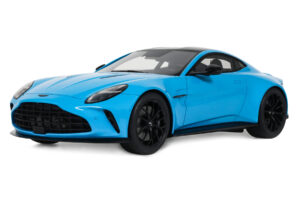
Aston Martin Vantage S Satin Xenon Grey GT Spirit 1:18
Expected 04-14.11.2026
Limited slots
Price:
was
105.00 €
100.00 €
You save 5.00 €
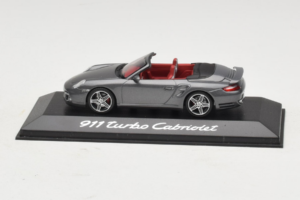
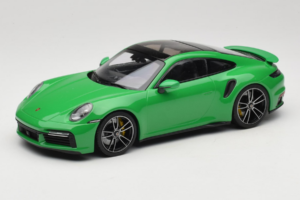
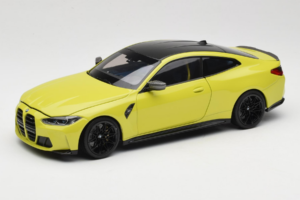
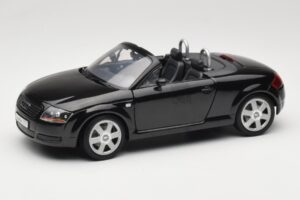
Premium sports car scale models cover Porsche, BMW, Audi, Mercedes, Alpine, Chevrolet, Alfa Romeo, and Jaguar, spanning four scales from 1:43 up to a rare 1:8. Minichamps, GT Spirit, Norev, UT Models, and Kyosho bring both diecast and resin construction to a segment built around road-going performance and racing pedigree alike.
You save 5.00 €
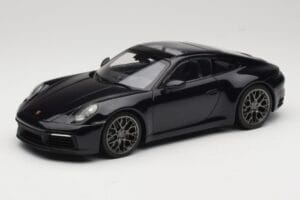
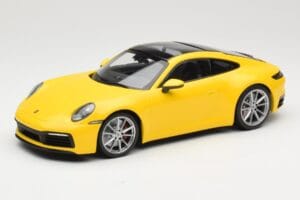
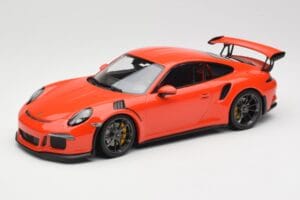
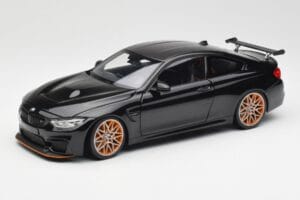
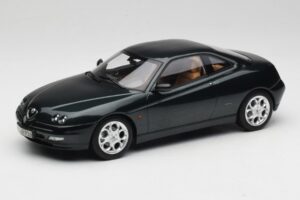
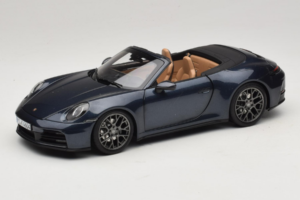
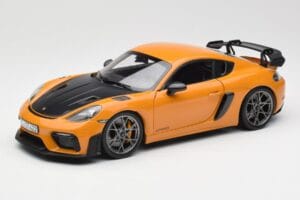
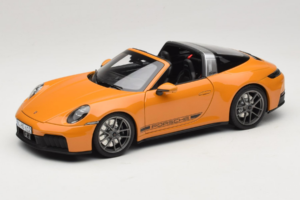

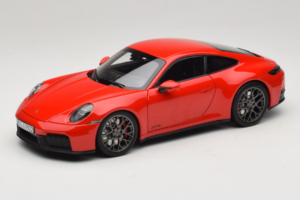
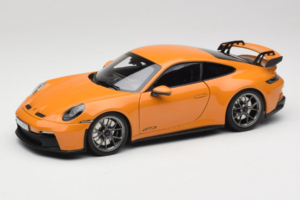
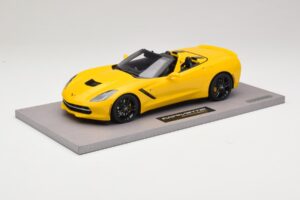
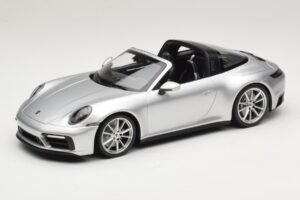

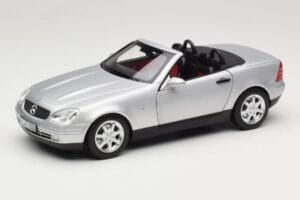
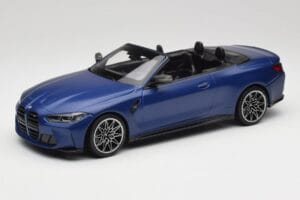

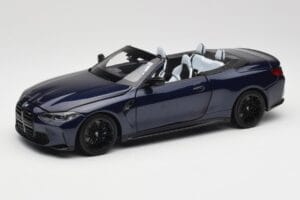
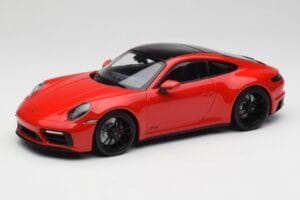
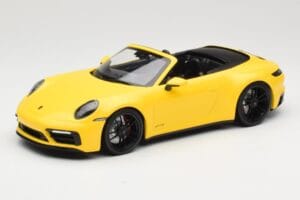
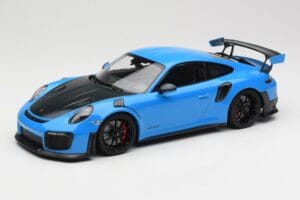

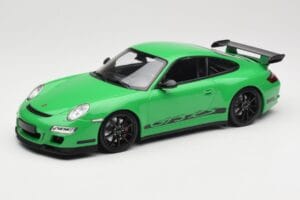
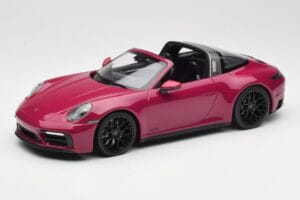

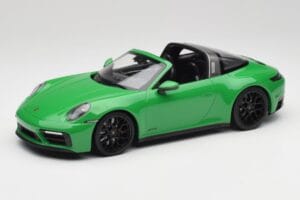
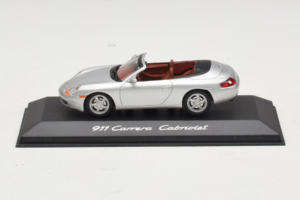
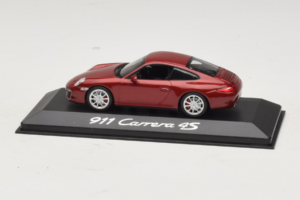

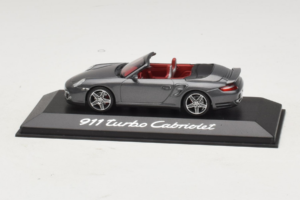
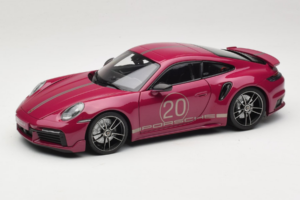
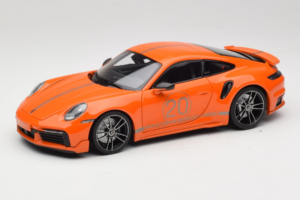
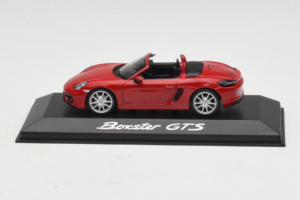



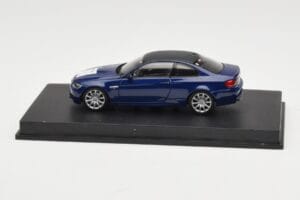


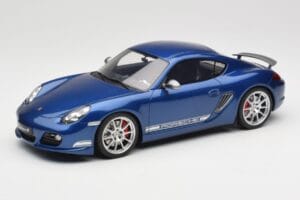

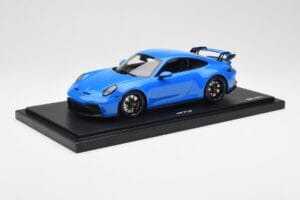
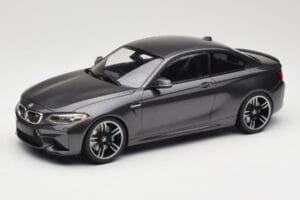
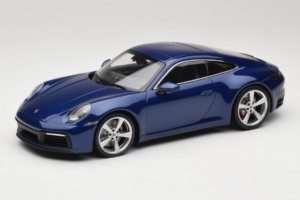

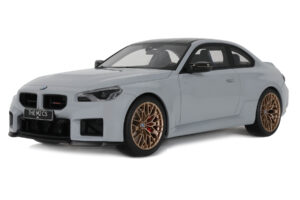
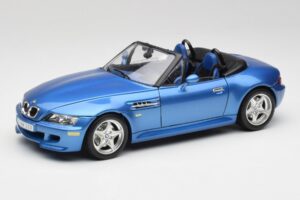
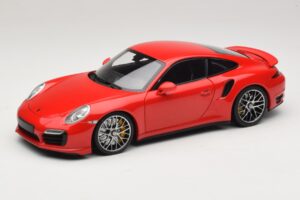
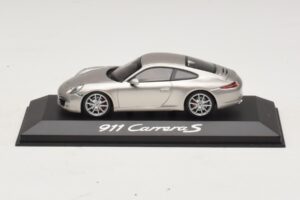
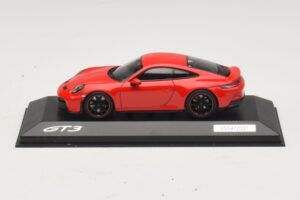


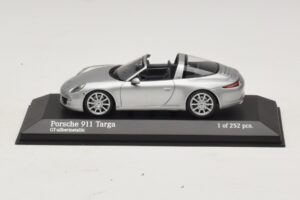
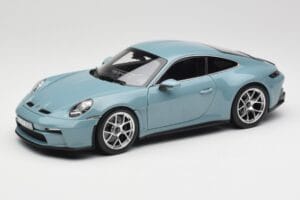
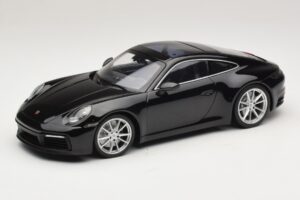
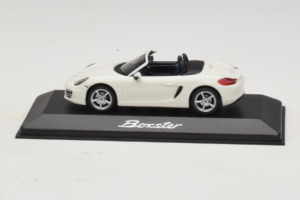
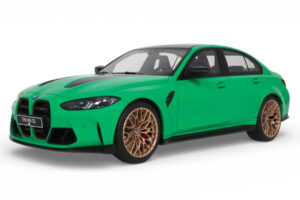
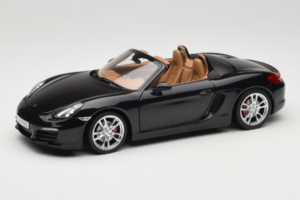
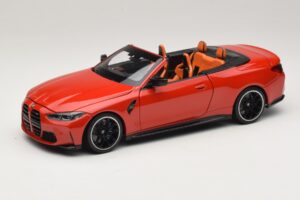
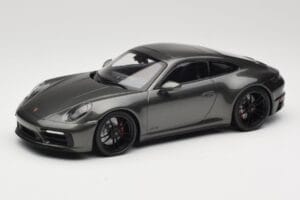
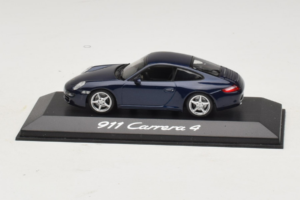
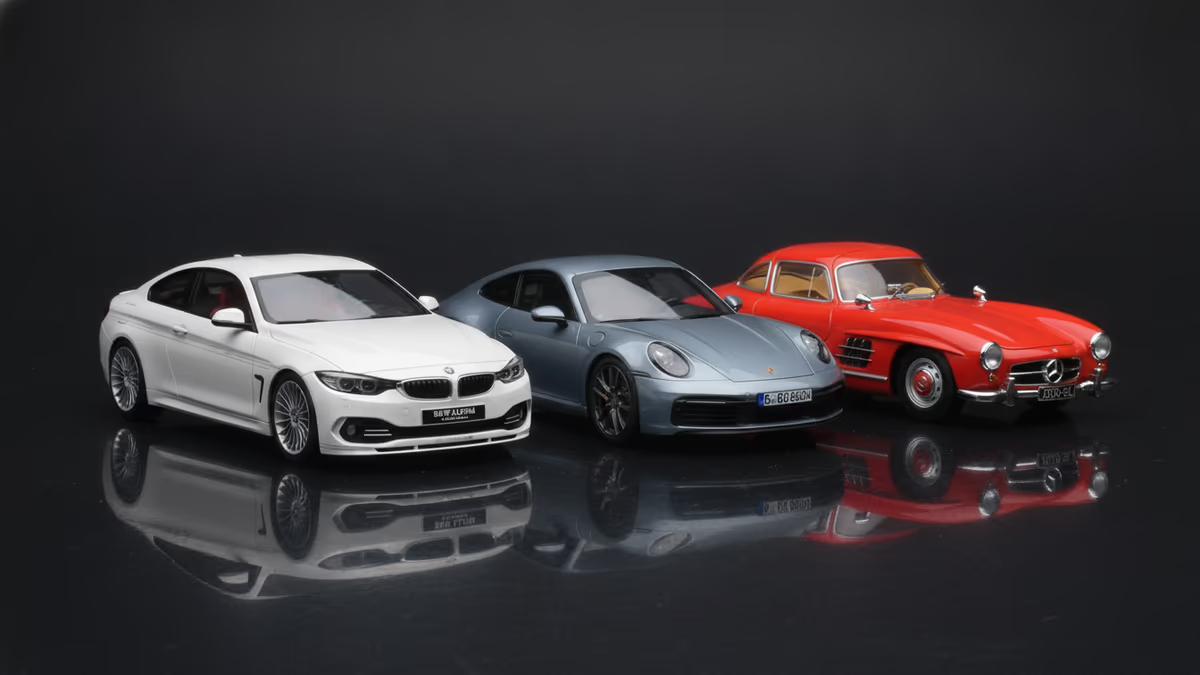
TL;DR: Premium sports car scale models span Porsche, BMW, Audi, Mercedes, Alpine, Chevrolet, Alfa Romeo, and Jaguar across four scales, from a rare 1:8 down to 1:43. Minichamps, GT Spirit, Norev, UT Models, and Kyosho cover the segment in diecast and resin, spanning three decades of road and race performance.
Premium sports car scale models sit at the more emotionally driven end of the collecting hobby, cars bought and built for driving pleasure rather than daily transportation. That distinction shows up in the scale range on offer: this is one of the few segments where 1:8 exists at all, a size normally reserved for the most detail-obsessed manufacturers and the most significant subjects. Porsche and BMW anchor the mainstream side of the segment, while Alpine, Alfa Romeo, and Jaguar bring genuine European sporting pedigree, and Chevrolet represents American performance within an otherwise European-leaning catalog.
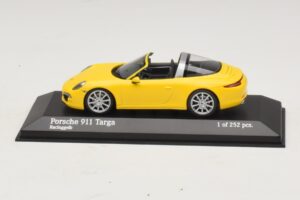
Minichamps covers this segment more broadly than any single competitor, producing Porsche, BMW, Audi, and Mercedes sports subjects across 1:18 and 1:43 with construction geared toward accuracy over flash. GT Spirit works exclusively in sealed resin and gravitates toward specific limited variants and motorsport-adjacent road cars, the kind of subject a volume diecast manufacturer typically skips.
Norev's diecast coverage leans toward Alpine and other French performance marques, giving the brand a genuine niche within a catalog otherwise dominated by German names. UT Models represents older production runs, useful for 1990s subjects. Kyosho stands apart for scale range alone, being one of the few manufacturers active at 1:12 and, on rare subjects, 1:8, where engine bay and cockpit detail reach a level no smaller scale can match.
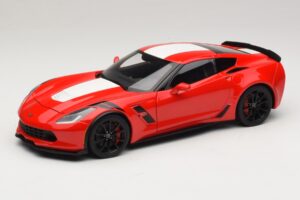
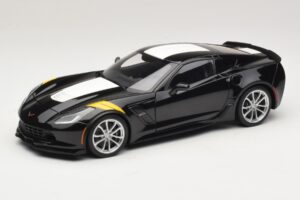
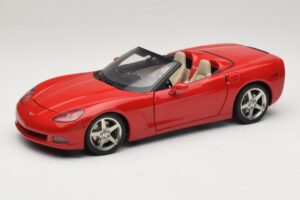
The marques covered here range from mainstream performance to genuinely niche sporting pedigree. Porsche anchors the segment with the broadest model-generation coverage of any single marque, while BMW and Audi contribute their own performance sub-brands. Mercedes brings its AMG-adjacent sports models into the mix, offering a different flavor of German performance than Porsche's sports-car-only focus. Alpine, revived as a standalone sporting marque, gives collectors access to distinctly French performance engineering, lighter and more compact than most of its German competition. Alfa Romeo and Jaguar round out the European side with decades of sports-car heritage that predates most of the other marques in this segment. Chevrolet's presence, largely through the Corvette, gives the catalog its one significant American entry, a useful contrast piece for a shelf otherwise built around European engineering philosophy.
Scale range is where this segment genuinely stands apart from most others in the catalog. 1:43 remains the entry point for collectors wanting broad model coverage without a large footprint, while 1:18 is where most manufacturers concentrate their most detailed opening-feature work. 1:12 pieces, produced by a smaller number of manufacturers including Kyosho, roughly double the display footprint of 1:18 and reveal engine and cockpit detail that smaller scales simply cannot fit. 1:8, the rarest scale in the entire catalog, exists for only the most significant subjects, delivering a display presence closer to a piece of furniture than a typical shelf model. Choosing a scale here comes down to whether the goal is comprehensive marque coverage or a single, room-dominating centerpiece.
Much of what makes this segment collectible traces back to motorsport rather than showroom specification sheets. Porsche's endurance-racing record, built across decades of Le Mans competition, gives its road-going sports cars a credibility that few rivals can match. Alfa Romeo's racing heritage reaches back even further, into the prewar Grand Prix era that helped establish the marque's sporting identity long before most of the other manufacturers in this segment existed. Jaguar's competition history, headlined by multiple Le Mans victories through the 1950s with the C-Type and D-Type, gives its road cars similar weight. Alpine's rally heritage from the A110's competition era adds a different kind of motorsport pedigree, one built on stage rallying rather than circuit endurance. Collectors chasing this segment for its racing connections often pair a road-going model with a period-correct competition livery of the same chassis.
1:8 is the largest scale regularly produced for sports subjects, delivering engine bay and cockpit detail that smaller scales cannot match. It's reserved for the most significant subjects, and Kyosho is among the few manufacturers producing it in this segment.
Minichamps covers the broadest range of Porsche generations across 1:18 and 1:43, making it the practical starting point for collectors tracking Porsche's model history. GT Spirit supplements this with limited and motorsport-adjacent variants that Minichamps typically doesn't cover.
Yes, particularly through Norev, which has a genuine strength in French performance marques. Alpine's revival as a standalone sporting brand has increased manufacturer interest, giving collectors more options than were available even a decade ago.
Marques with strong competition records, like Porsche's Le Mans history or Jaguar's C-Type and D-Type victories, tend to draw deeper manufacturer coverage and more collector interest in period-correct racing liveries alongside standard road-car releases.