Used
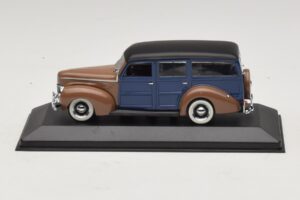
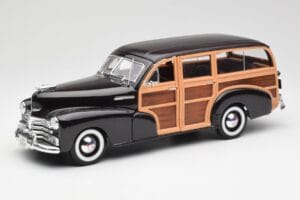
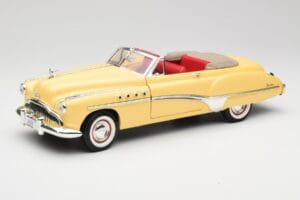
The 1940s split cleanly between wartime necessity and the design optimism that followed it, and this range reflects both. Off-road pioneers, early Jeeps, and the first true post-war classics from Ford, Chevrolet, and Cadillac sit alongside service vehicles, all reproduced in diecast and resin across several scales.
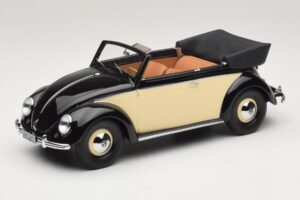
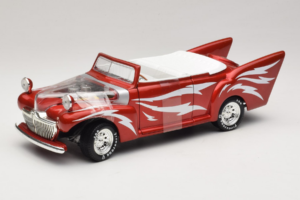

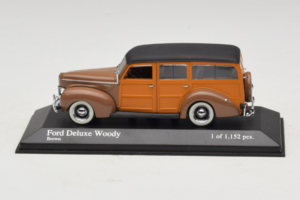
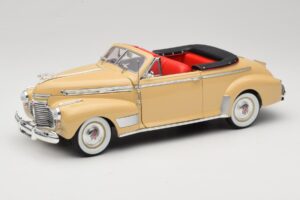
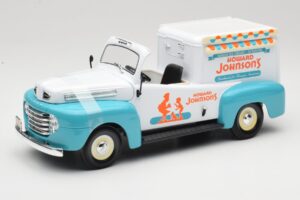
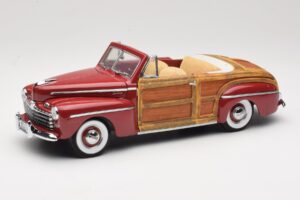
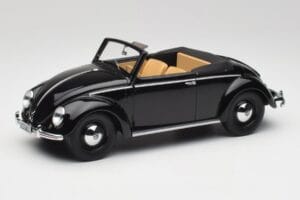
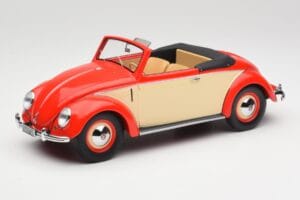
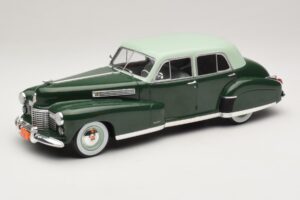
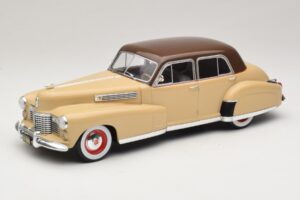
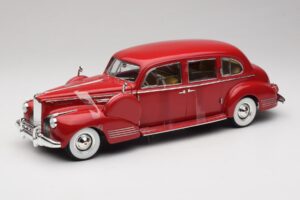
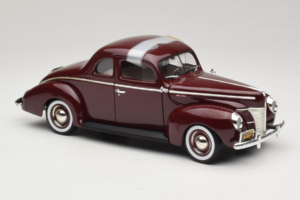

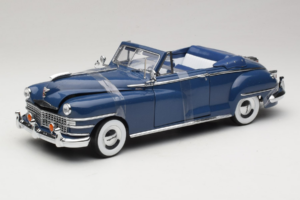
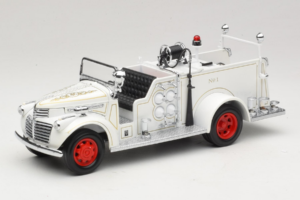
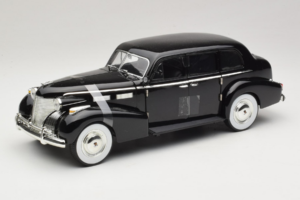


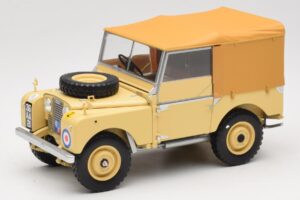
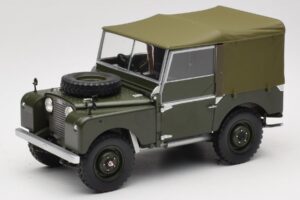
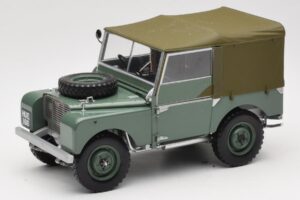
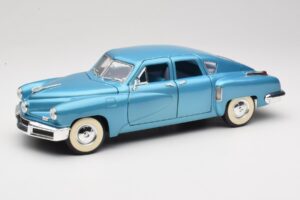
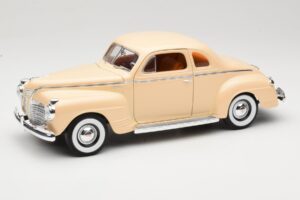
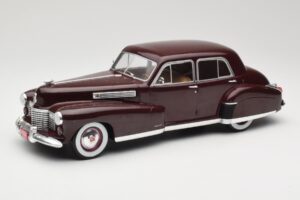


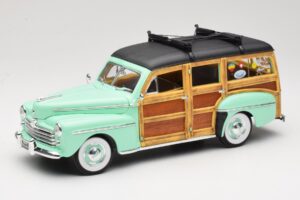
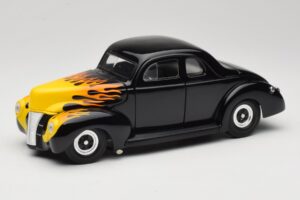
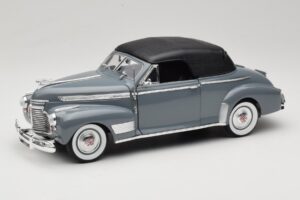


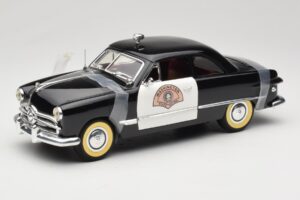

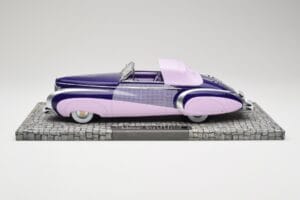

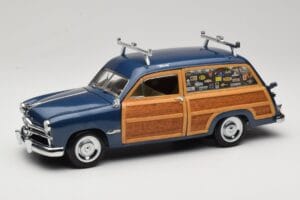
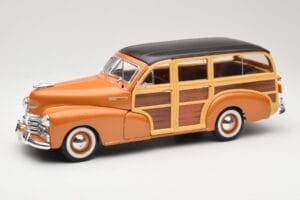
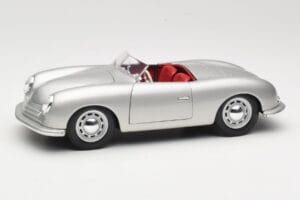
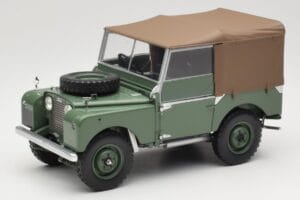


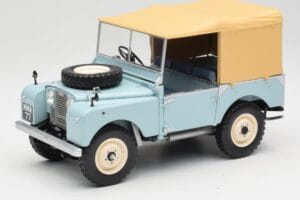
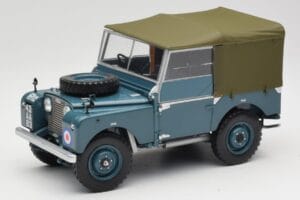
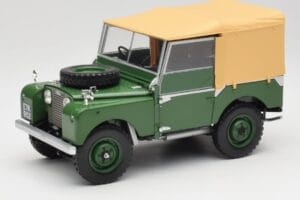
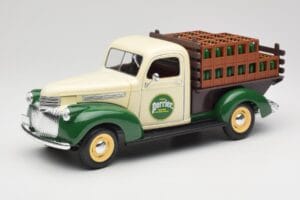
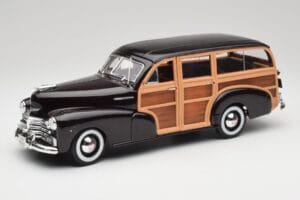
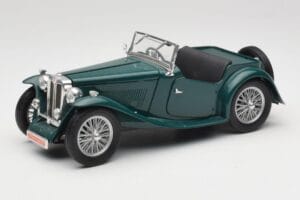

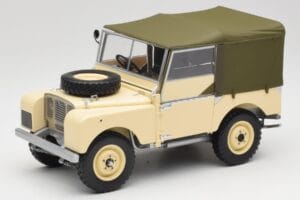

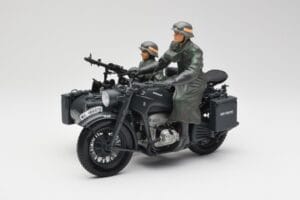
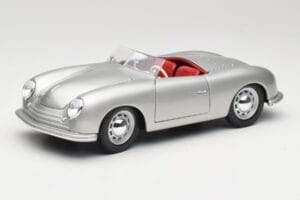
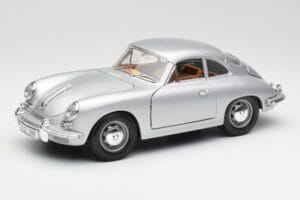
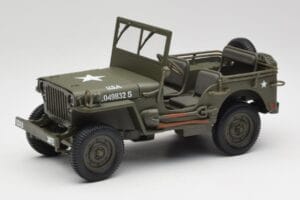
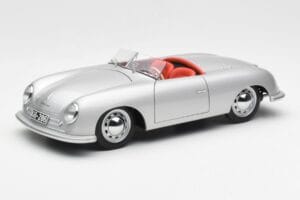
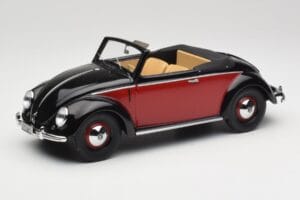
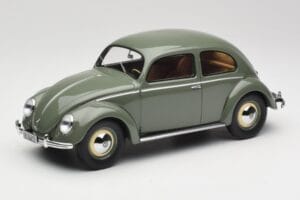
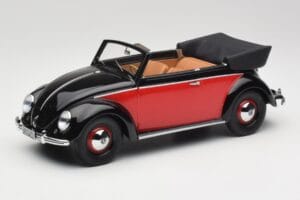
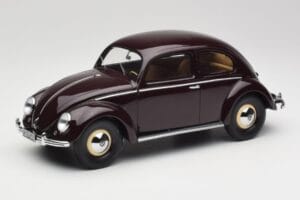
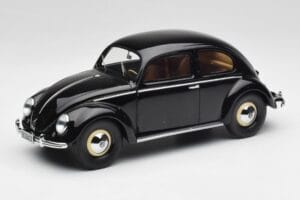
TL;DR: 1940s model cars span post-war classics, off-road pioneers, and service vehicles from Ford, Land Rover, Chevrolet, and Jeep, built in diecast and resin across 1:18, 1:43, and 1:10 scales. The decade's collecting appeal centers on the shift from wartime utility to post-war design confidence.
Few decades in automotive history carry as sharp a dividing line as the 1940s. The first half was shaped entirely by wartime production, the second by a rush of pent-up demand and fresh design thinking, and this range covers both sides of that divide.
Civilian car production largely paused during the early 1940s, so much of the decade's vehicle output was utilitarian: Jeeps, off-road platforms, and service vehicles built for durability over style. The back half of the decade tells a different story, as manufacturers like Ford, Cadillac, and Volkswagen resumed civilian output with rounded, confident postwar styling that set the tone for the following decade. Reproducing both halves in scale means covering fundamentally different design languages under one era label.
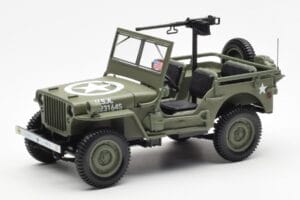
This range's off-road and service vehicle coverage is where the 1940s truly stands apart from surrounding decades. Early Jeep and Land Rover platforms defined a vehicle category from scratch, and their scale reproductions favor rugged, exposed mechanical detail over polish, since that utilitarian honesty is the entire point of the subject. Service and emergency vehicles from the same period round out the picture, giving collectors a working-vehicle counterpoint to the era's passenger cars.
Manufacturers including Minichamps, Road Signature, Maisto, Hot Wheels, and Solido reproduce 1940s subjects, spread across 1:18, 1:43, and 1:10 depending on the vehicle type:
Diecast dominates the era's reproductions, with resin appearing on more limited or specialist releases where surface precision on chrome trim and body curves matters more.
A 1940s collection reads well when it leans into the era's contrast rather than smoothing it over. Pairing a wartime Jeep with a chrome-heavy postwar Cadillac tells a more interesting visual story than either subject alone, and it mirrors how the real decade actually unfolded. Collectors focused purely on styling tend to concentrate on 1947 onward, while those drawn to mechanical history and off-road heritage gravitate toward the earlier, utility-driven half of the decade.
The decade split between wartime utility production and postwar civilian design, so early Jeeps and off-road platforms sit alongside classic passenger cars from the back half of the decade. Both reflect genuine 1940s automotive history, just from opposite sides of the war's dividing line.
1:10 appears in this range for off-road subjects, giving enough size for mechanical and suspension detail to register clearly. 1:18 and 1:43 cover passenger classics and service vehicles where cabin trim or fleet-scale display matters more than mechanical scale.
Diecast dominates this era's reproductions, offering durability suited to the rugged off-road and service vehicle subjects. Resin appears on more limited releases, particularly where chrome trim and body curves on postwar classics benefit from a sharper cast surface.
Leaning into the decade's contrast, wartime utility against postwar design confidence, creates a more compelling shelf than focusing on one half alone. Deciding whether the era's collecting interest is styling or mechanical heritage helps narrow which half of the decade to prioritize first.