Last one
New arrival
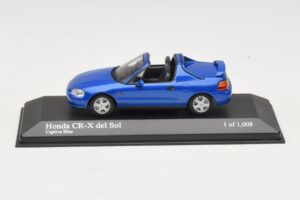
The 1990s Japanese sports car boom produced some of the most obsessed-over shapes in modern collecting, from the Skyline’s turbocharged bulk to the RX-7’s rotary-powered curves. This collection covers Nissan, Toyota, Honda, Subaru, Mitsubishi and Mazda across 1:18, 1:43 and 1:12 in diecast, resin and composite.
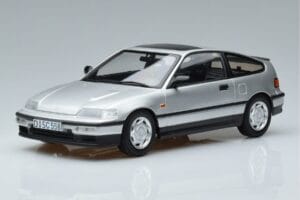
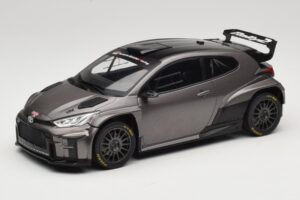

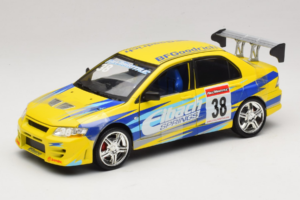
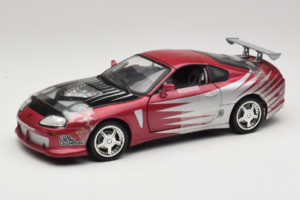

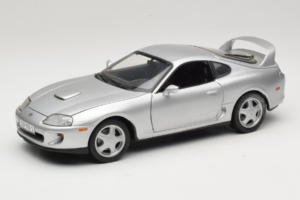
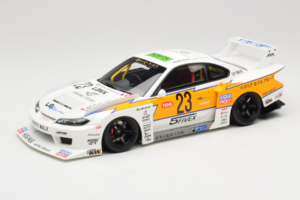
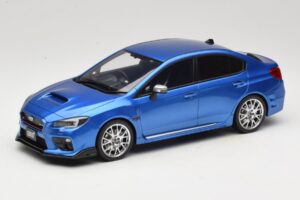

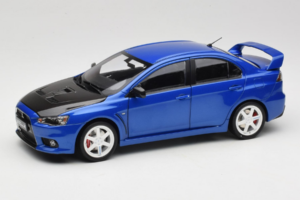
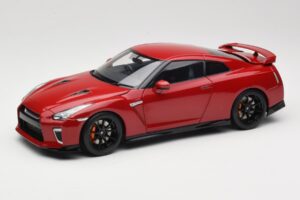
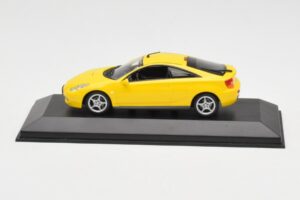

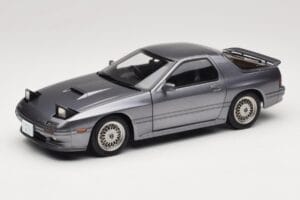


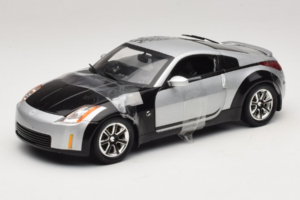
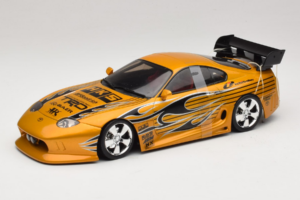
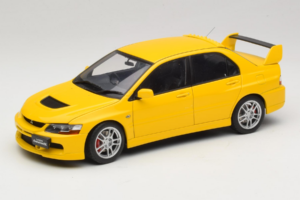

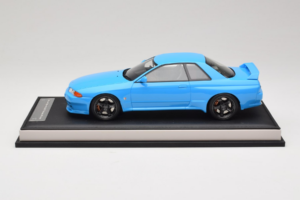
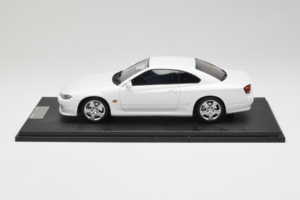

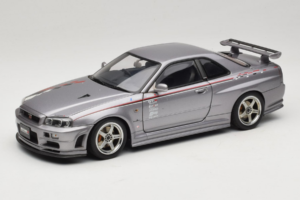
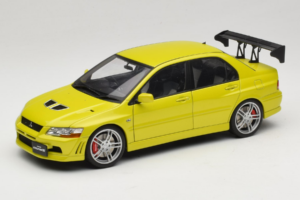
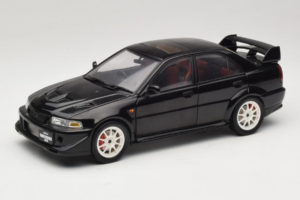
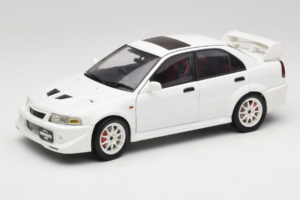

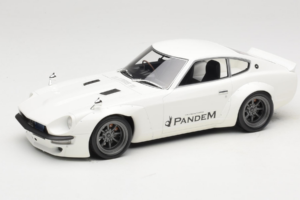

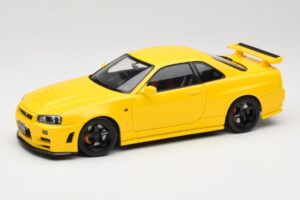
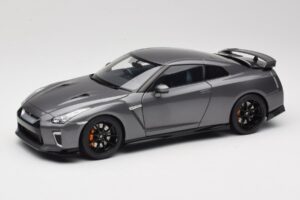

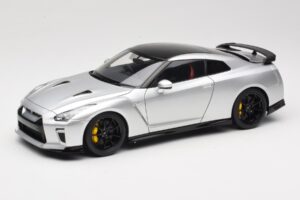

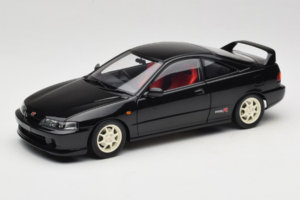

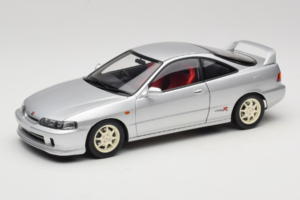
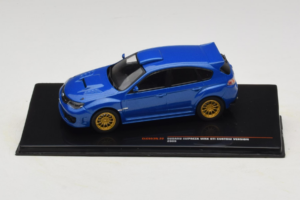
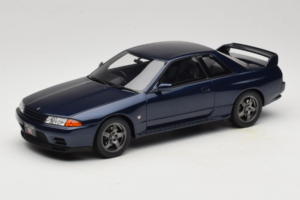
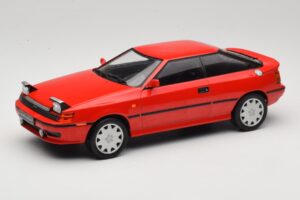
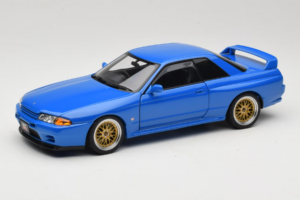
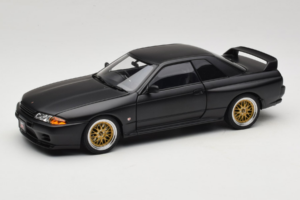
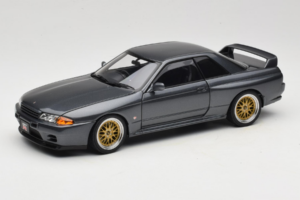
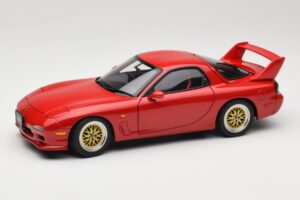
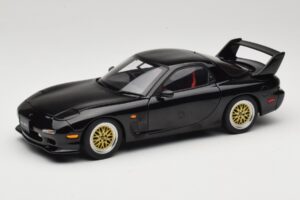
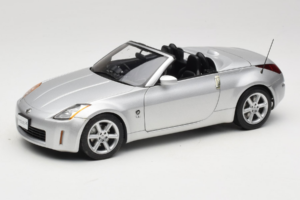
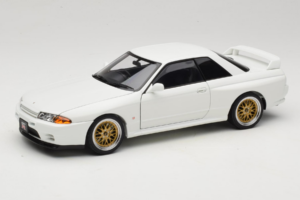
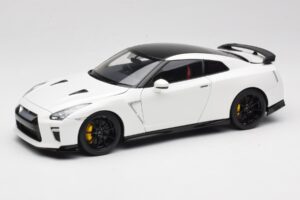
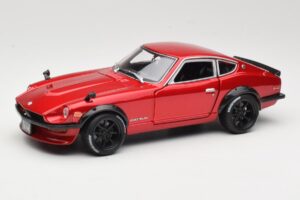
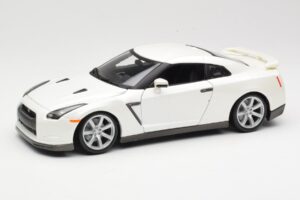
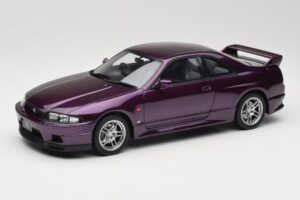
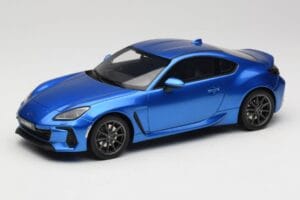


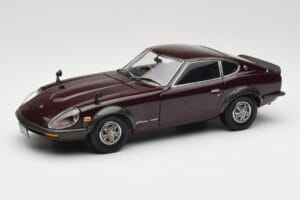
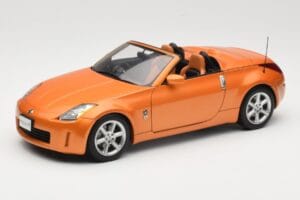

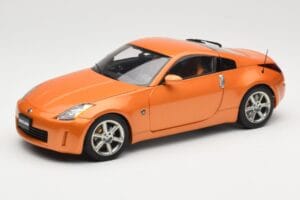
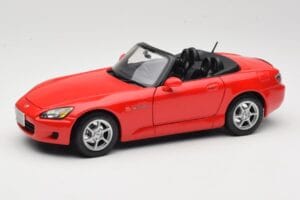
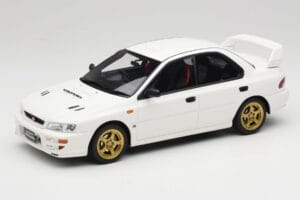
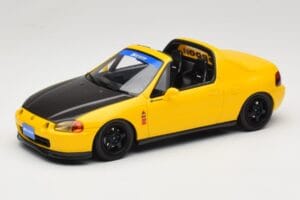


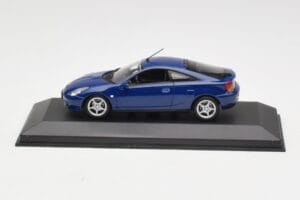

TL;DR: JDM sports scale models cover Nissan, Toyota, Honda, Subaru, Mitsubishi, Mazda, Datsun and Lexus across 1:18, 1:43 and 1:12, in diecast, resin and composite construction. Coverage centers on the 1990s and 2000s golden era, extending into 2010s and 2020s modern interpretations.
JDM sports cars built a global collector following that has little to do with production numbers and everything to do with cultural weight. A turbocharged Nissan Skyline or a rotary-powered Mazda RX-7 carries reputation far beyond what its factory specifications alone would suggest, and JDM sports scale models let collectors chase that reputation without needing garage space or an import title.
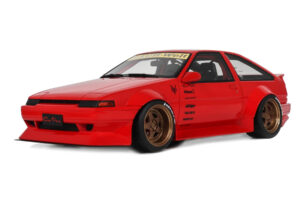
Otto and Kyosho anchor much of the finer detail work in this segment, both known for resin and composite builds that resolve the aggressive body kits and aftermarket wheel fitments that define tuned JDM subjects. AUTOart brings sharper panel accuracy to marquee subjects like the Skyline and Supra, while MotorHelix and GT Spirit fill specialist niches with subjects that mainstream producers often skip. This spread across construction methods matters more here than in most categories, since JDM styling frequently includes wide-body kits and aggressive stance modifications that test a manufacturer's tooling in unusual ways.
Japan's late-1980s economic boom funded a brief window where manufacturers competed on outright engineering ambition rather than cost, producing twin-turbo inline-sixes, rotary engines and all-wheel-drive rally homologation cars within a few short years of each other. That window closed by the early 2000s, which is exactly why the era holds such weight in scale model form. A collector building a 1990s JDM shelf is documenting a period that will not repeat, not just assembling a set of fast cars.
1:18 remains the preferred scale for JDM sports cars, since it resolves body kit details, wheel fitment and interior modifications that define tuner culture far better than smaller formats. 1:43 supports broader model-lineage documentation across generations of a single platform, while 1:12 appears occasionally for hero subjects where engine bay detail on a heavily modified example justifies the larger footprint.
Many collectors organize JDM shelves by platform generation rather than manufacturer, tracing a single chassis code like the Skyline's R32 through R34 evolution, or by tuning style, contrasting factory-stock examples against widebody or drift-spec builds. Both approaches work because JDM culture itself was built around exactly this kind of platform obsession and stylistic variation.
The era produced technically ambitious cars in a short window before economic conditions changed Japan's manufacturing priorities, giving these subjects a defined, non-repeating historical window that collectors value documenting.
1:18 handles widebody and aftermarket styling most accurately, since the larger surface area lets manufacturers resolve flared arches and aggressive wheel fitments that smaller scales compress or simplify.
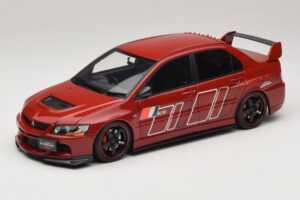
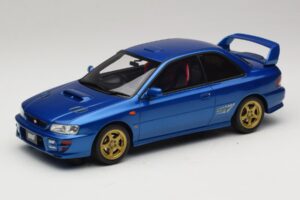
Yes, Subaru and Mitsubishi's homologation-special road cars sit within this collection, reflecting how rally technology filtered directly into Japan's performance car lineup during the 1990s.
Both appear regularly. Diecast suits collectors wanting opening features on stock configurations, while resin and composite builds from specialists handle heavily modified or widebody variants with sharper accuracy.