Last one
Used
Back in stock
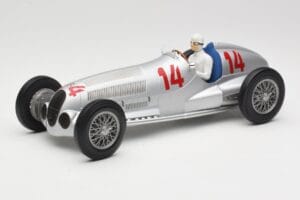
Mercedes W125 #14 Daimler-Benz AG M. von Brauchitsch 2nd Place German GP 1937 Minichamps 1:18
Only 1 left
Price:
142.00 €
Open-wheel racing spans far more than just Formula 1, and this range covers the wider single-seater ladder alongside it. Formula 1, Formula 2/3/E, and IndyCar subjects span 1:18 and 1:43, in diecast and resin.
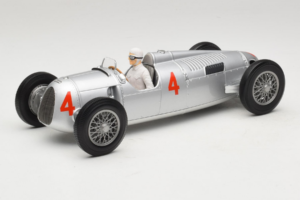
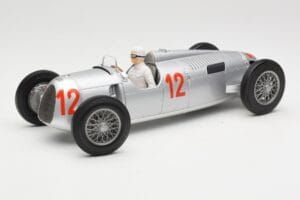
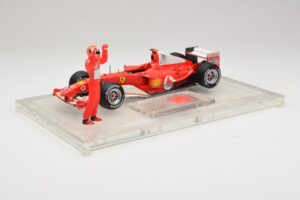


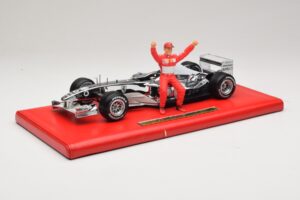
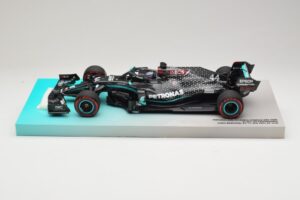
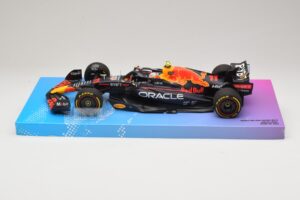
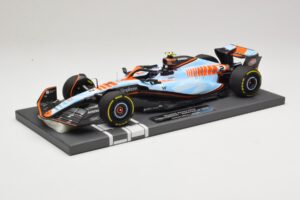
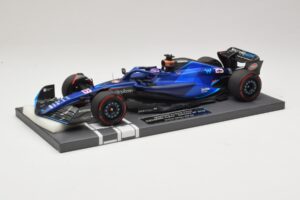
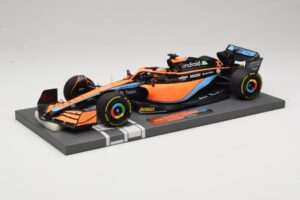
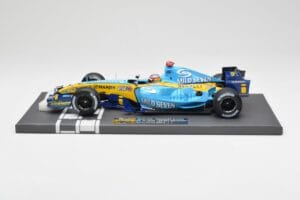
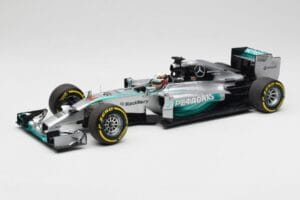

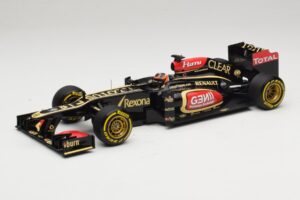


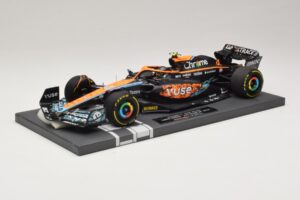

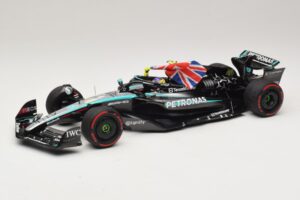
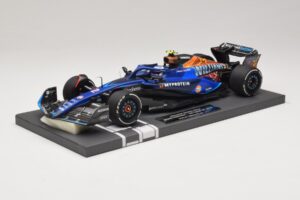
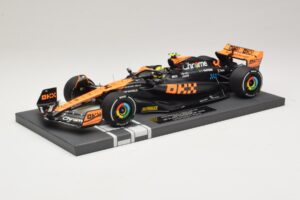
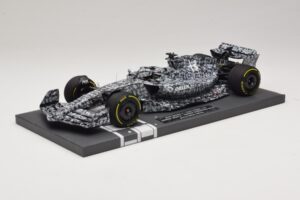
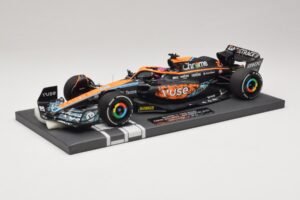
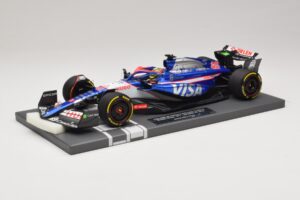
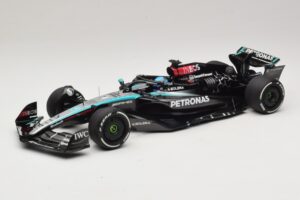
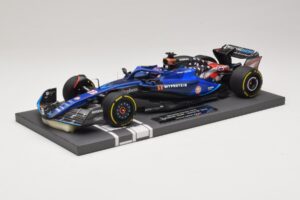
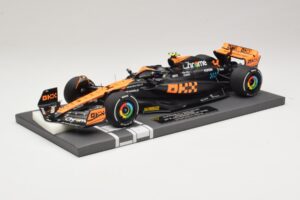
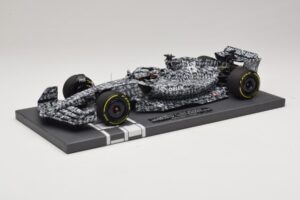
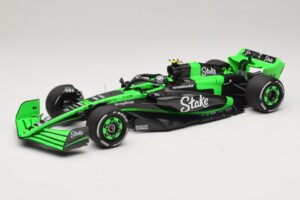
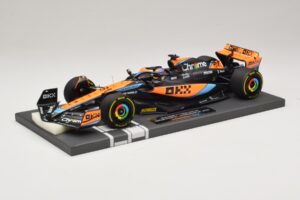
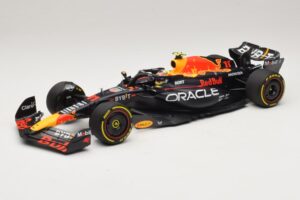
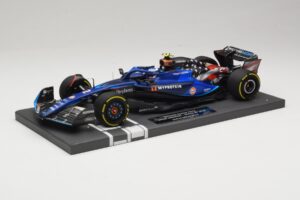
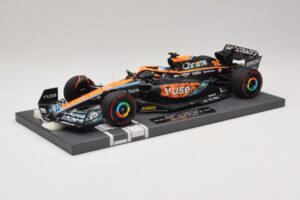
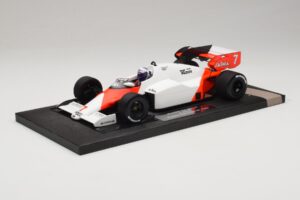
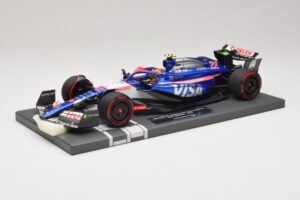
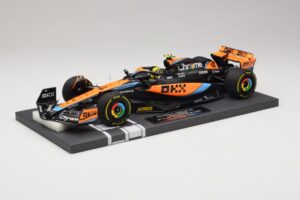
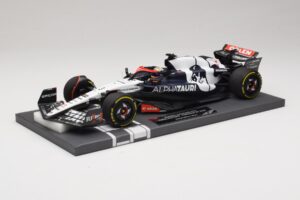
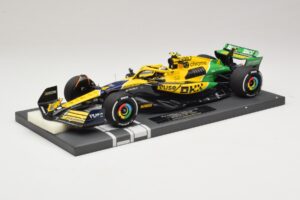

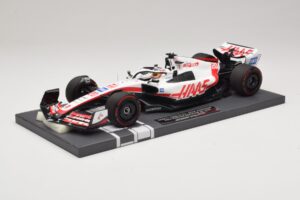
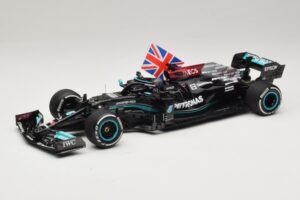
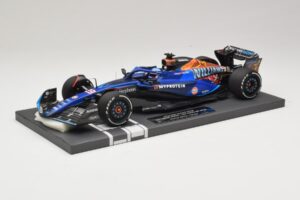
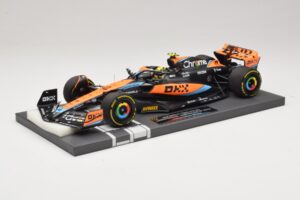
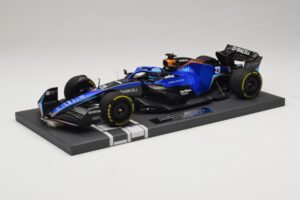
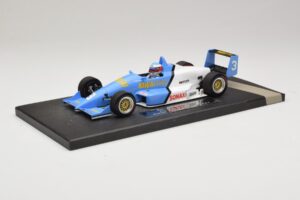

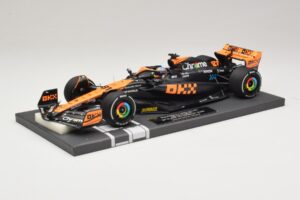

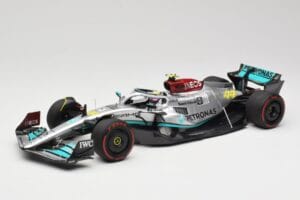
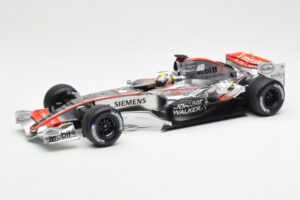
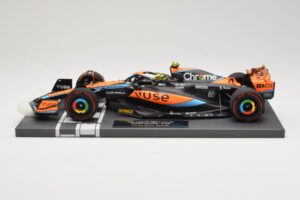

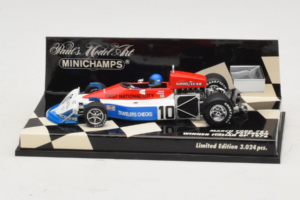
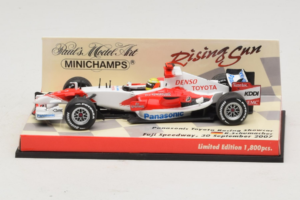

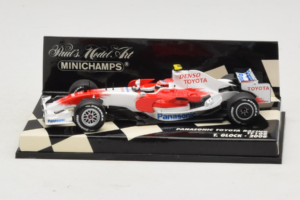


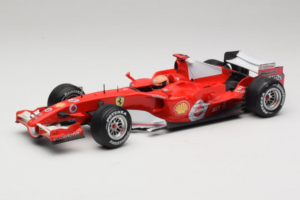
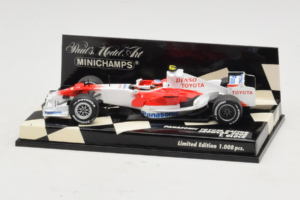
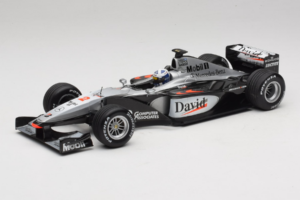
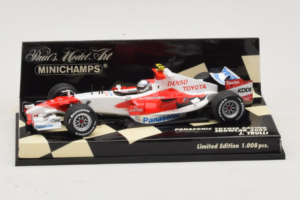

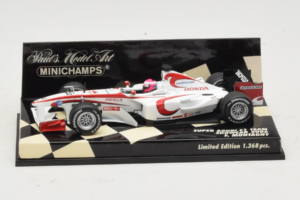

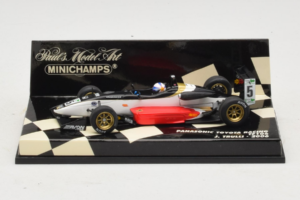

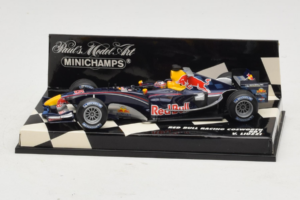
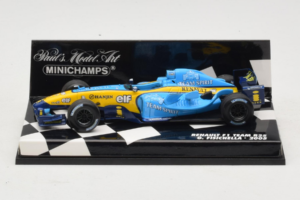

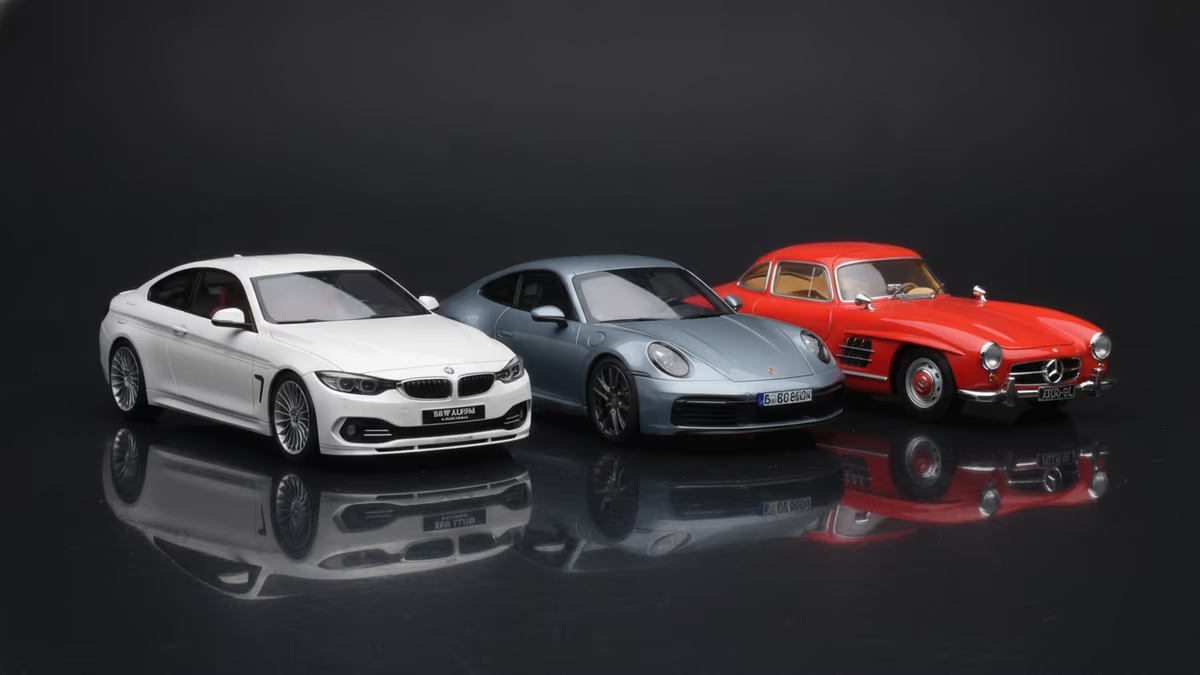
TL;DR: Formula scale models cover open-wheel racing across Formula 1, Formula 2/3/E, and IndyCar categories from Minichamps, MCG, and BBR, built at 1:18 and 1:43 in diecast and resin. Coverage spans the 1990s through the 2020s, documenting the full single-seater racing ladder.
Formula 1 sits at the top of a much larger single-seater racing pyramid, and this range gives that wider ladder its own home, covering Formula 2, Formula 3, Formula E, and IndyCar alongside the sport's headline category.
Open-wheel racing operates as a genuine development pyramid, with drivers progressing through Formula 3 and Formula 2 before reaching Formula 1, and this range's coverage of that full ladder gives collectors the chance to document a driver's career from junior categories through to the top level. Formula E adds a distinct electric racing dimension, representing a genuinely different technical approach within the same open-wheel body style.
IndyCar represents American open-wheel racing's own long-running tradition, distinct from the European-rooted Formula categories in both technical regulation and racing culture. Including IndyCar alongside Formula 1 and its feeder categories gives this range a genuinely global picture of single-seater competition rather than a Europe-only focus.
Minichamps, MCG, BBR, Hot Wheels, and CMC all reproduce formula and open-wheel subjects:
Era coverage from the 1990s through the 2020s spans multiple technical generations across every category represented in this range.
A collection built around the full formula ladder works especially well for collectors following a specific driver's career progression, since tracing a competitor from Formula 3 through Formula 2 into Formula 1 tells a genuinely compelling development story. Collectors more interested in a single category can instead focus purely on IndyCar or Formula E for a narrower, still deeply rewarding theme.
Drivers typically progress through Formula 3 and Formula 2 as development categories before reaching Formula 1, and this range's coverage of that full pyramid lets collectors document a driver's career from junior categories through to the top level.
Formula E uses electric powertrains rather than combustion engines, representing a genuinely distinct technical approach within the same open-wheel body style as traditional formula racing categories.
No, IndyCar operates under its own distinct technical regulations and represents American open-wheel racing's separate long-running tradition, giving this range a genuinely global picture of single-seater motorsport beyond Europe-rooted categories.
1:43 works well for collecting across multiple feeder-series seasons compactly, while 1:18 suits collectors who want to highlight a driver's flagship Formula 1 or IndyCar cars with greater individual detail.