Last one
Used
Back in stock
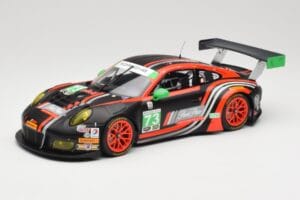
Porsche 911 991.2 GT3 R Park Place Motorsport #73 P. Lindsey / J. Bergmeister / M. McMurry / N. Siedler 24 Hours of Daytona 2017 Minichamps 1:18
Only 1 left
Price:
113.00 €
American endurance racing built its own identity apart from Le Mans, from Daytona floodlights to Sebring’s punishing surface, and this collection follows that identity in miniature. Porsche, BMW, Ferrari, Audi and Detroit’s own Dodge and Chevrolet all appear across 1:18 and 1:43 diecast and resin.
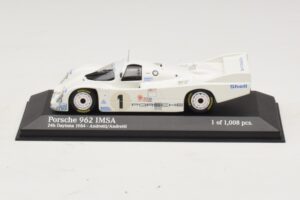
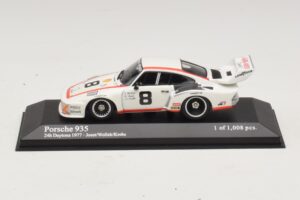
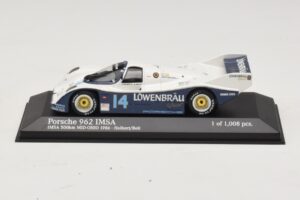
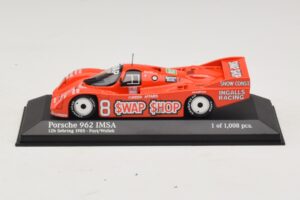
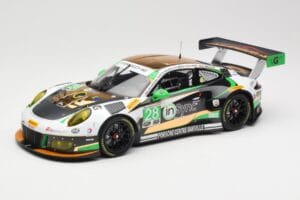
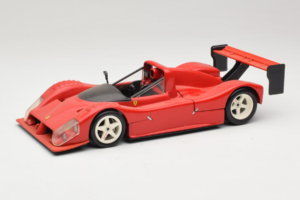
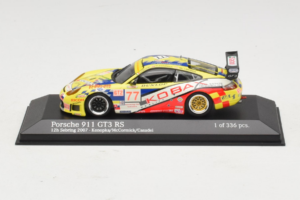
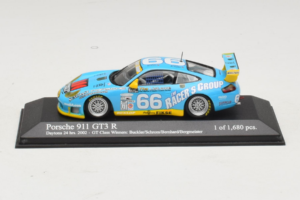
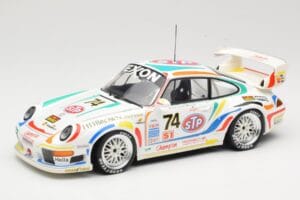

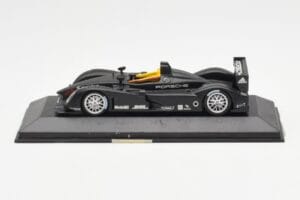
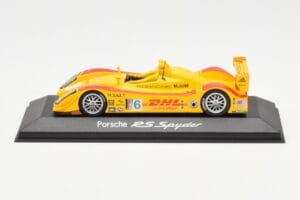

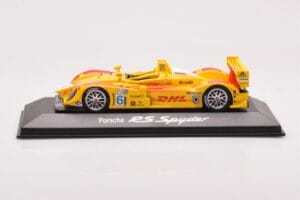

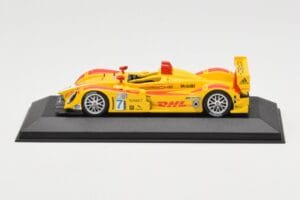
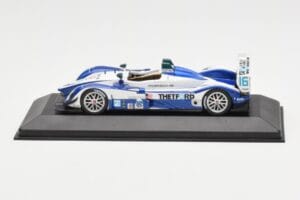

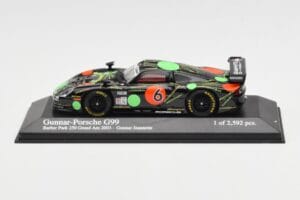
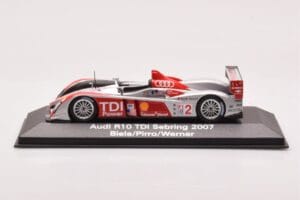
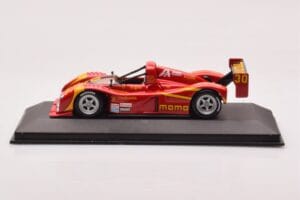
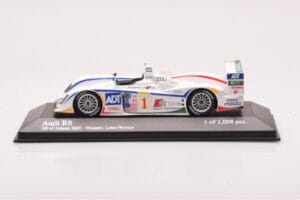
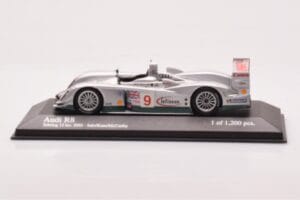

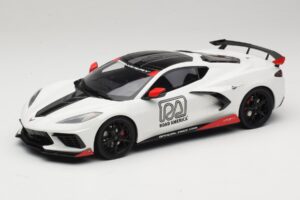
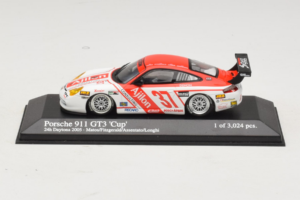
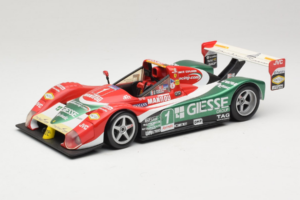


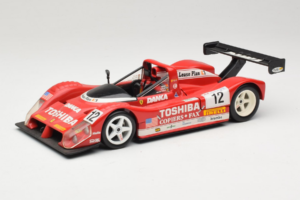


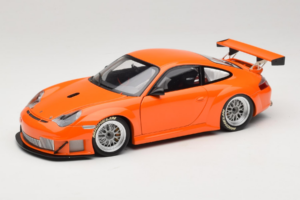
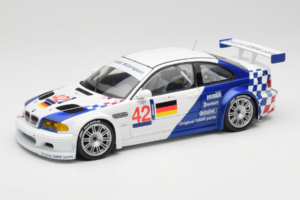
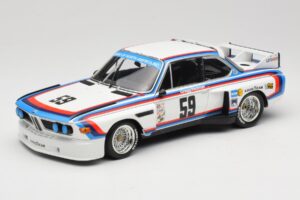
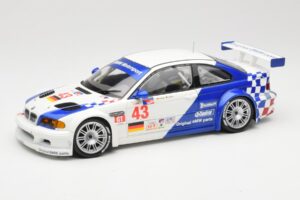
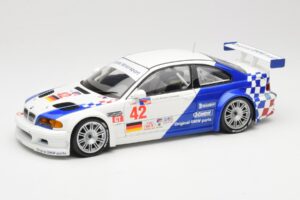
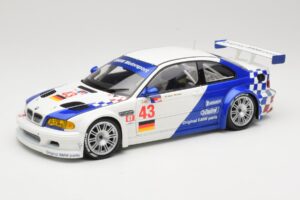
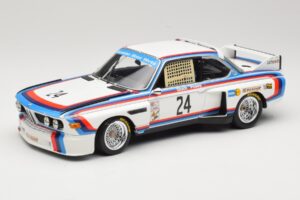

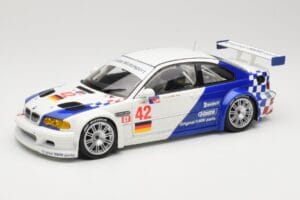
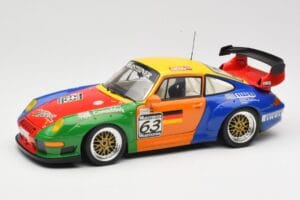


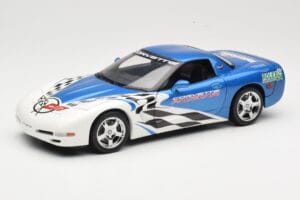
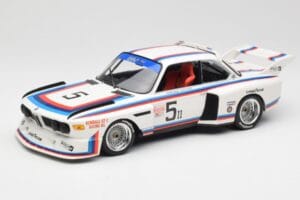




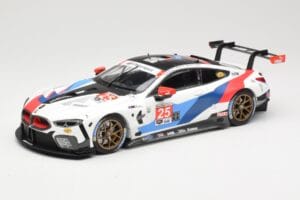
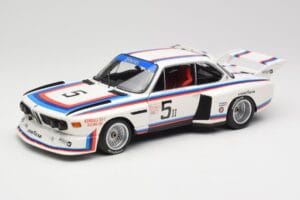
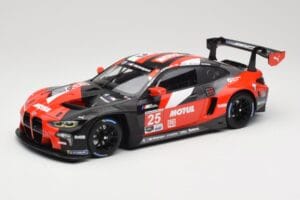
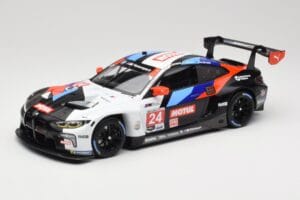
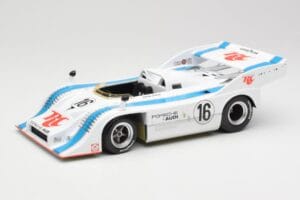


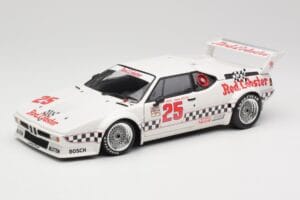

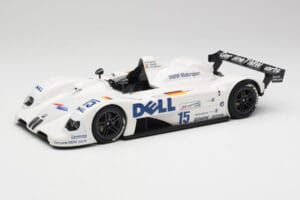
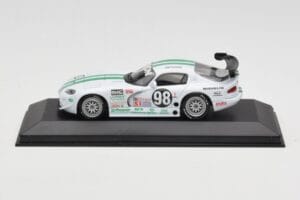

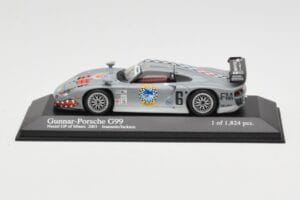
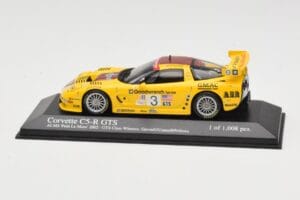
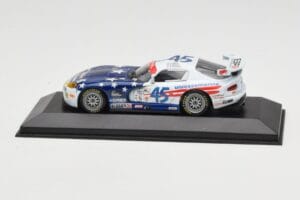
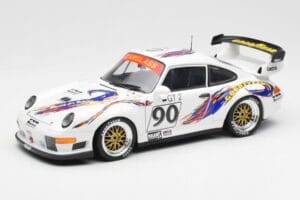


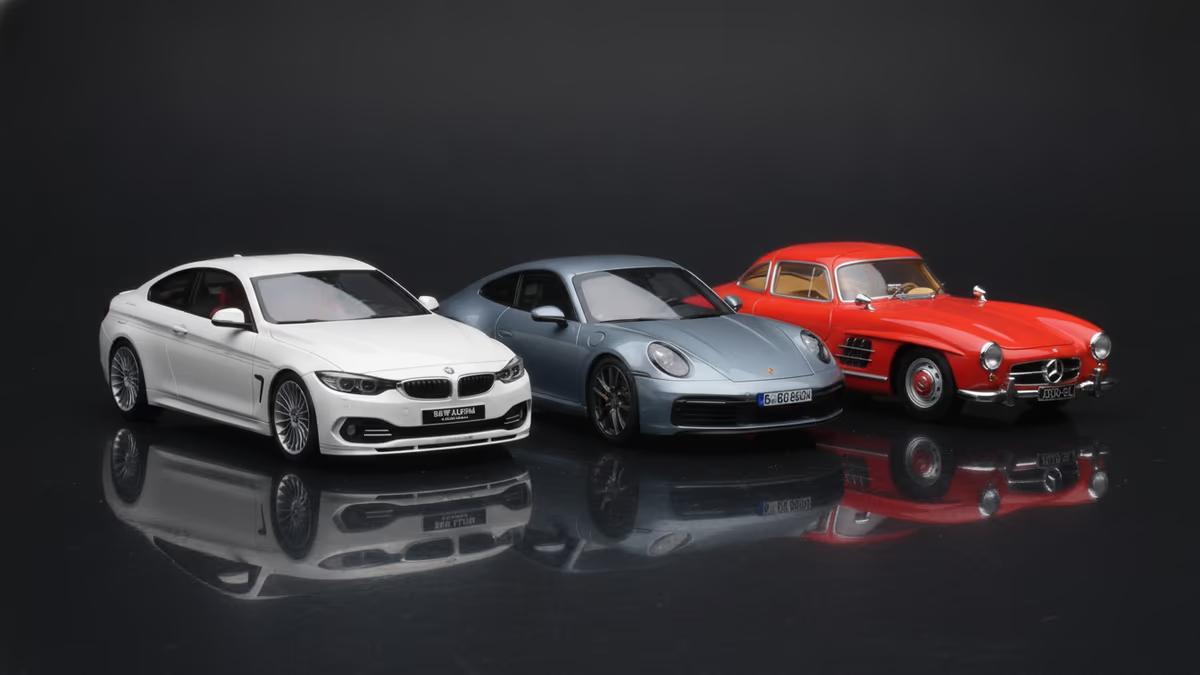
TL;DR: IMSA and North American sportscar scale models span Porsche, BMW, Ferrari, Audi, Dodge, Chevrolet, Acura and Bentley in 1:18 and 1:43 diecast and resin, drawn mainly from the 1990s through 2010s with earlier 1970s subjects included. Manufacturer coverage runs from Minichamps and AUTOart to Hot Wheels and UT Models.
IMSA and North American sportscar racing carved out a motorsport identity distinct from European endurance racing, running its own prototype and GT classes across circuits like Daytona and Sebring. The IMSA sportscar scale models collected here reflect that identity, spanning German precision, Italian flair and Detroit muscle on the same grid.
Minichamps anchors much of the deeper motorsport documentation here, its diecast and resin builds covering multiple seasons and liveries with the kind of consistency serious collectors rely on for chronological displays. AUTOart brings sharper detail work to marquee subjects, while UT Models and MCG fill in earlier-era and niche entries that broaden the field beyond the obvious names. Hot Wheels sits at the accessible end, useful for newer collectors testing the waters of American sportscar racing before committing to pricier resin builds.
Unlike a single-marque motorsport theme, IMSA and North American sportscar racing has always mixed manufacturers, classes and eras on the same entry list, which is part of its appeal for collectors. A Daytona-winning Porsche prototype can sit beside a Trans-Am-descended Chevrolet and a Ferrari GT entry without feeling out of place, because that mix is exactly how the series has always run. Bentley's presence in the field, alongside Acura's prototype program, shows how the discipline pulled in marques that rarely overlap in other racing categories.
1:18 dominates for GT and prototype subjects where cockpit and aero detail matter, while 1:43 lets collectors build out full grids from a single season without the shelf space that larger scales demand. Era coverage runs deepest in the 1990s and 2000s, when IMSA's prototype and GT classes produced some of the most collected liveries, though 1970s subjects extend the story back to the series' earlier Trans-Am-adjacent roots.
Minichamps and AUTOart provide the deepest season-by-season documentation, with UT Models and MCG filling earlier-era and specialist gaps. Hot Wheels offers an accessible entry point for newer collectors.
1:43 is the practical choice for assembling multiple cars from a single season, since it keeps a full grid within reasonable shelf space while still showing correct livery detail.
Yes, the collection spans both prototype entries from Porsche, Audi and Acura and GT-class cars from Ferrari, BMW and Chevrolet, reflecting how IMSA racing has always run mixed classes together.
Dodge and Chevrolet both appear, reflecting American manufacturers' long-standing participation in North American endurance racing alongside European and Japanese rivals.