New arrival
Pre-order
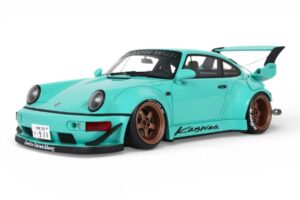
Porsche 911 964 RWB Kashiwa Blue GT Spirit 1:18
Expected 29.09-09.10.2026
Pre-order now
Price:
100.00 €
Few marques offer a single continuous nameplate spanning six decades of evolution the way Porsche’s 911 does, and this collection follows that lineage alongside premium sports cars and one-make racing. Minichamps, GT Spirit, Norev, AUTOart and UT Models produce these subjects across 1:18, 1:43 and 1:12 diecast and resin.
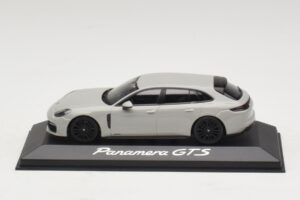
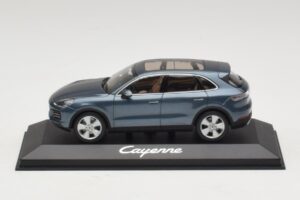
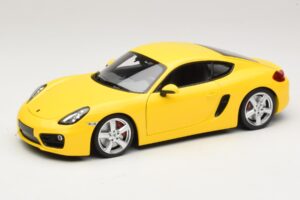
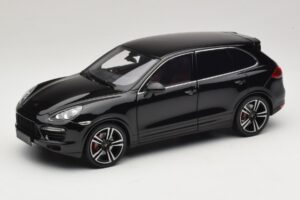
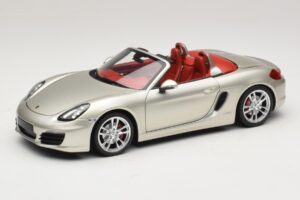
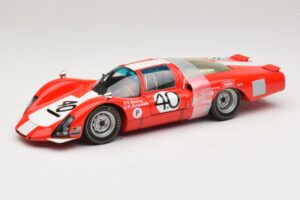
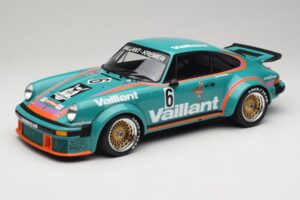
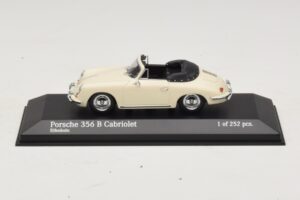
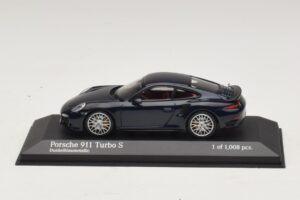
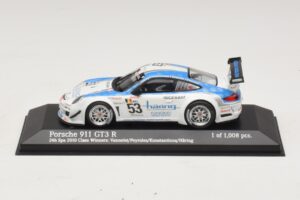
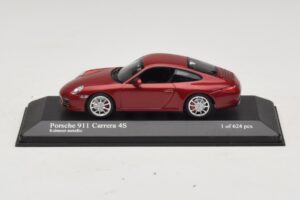
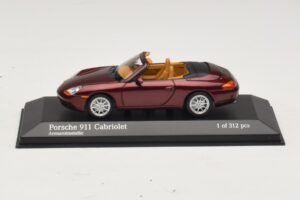
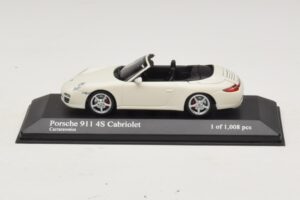
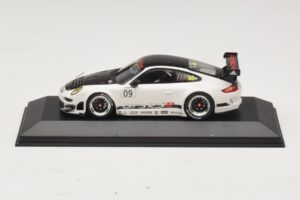
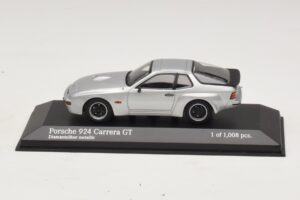
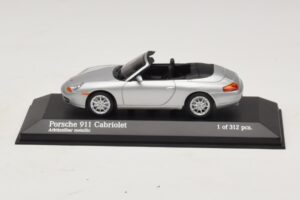
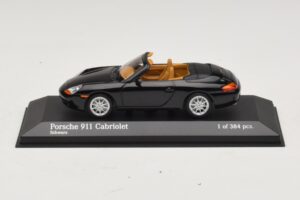
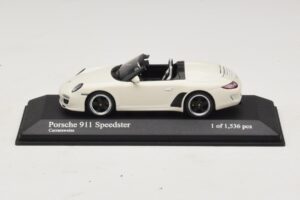
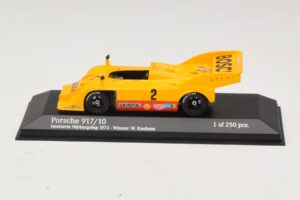
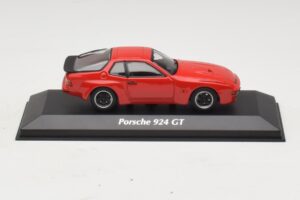
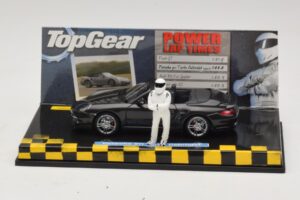
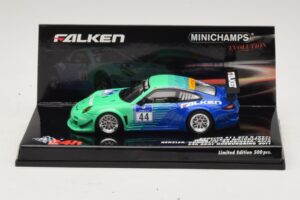
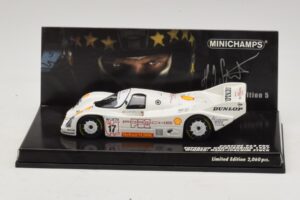
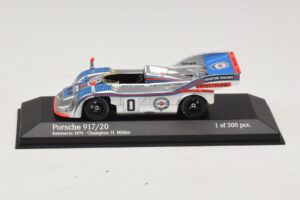
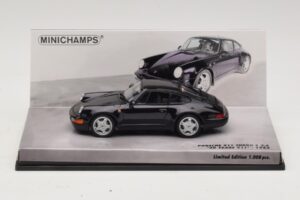
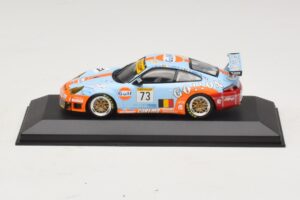
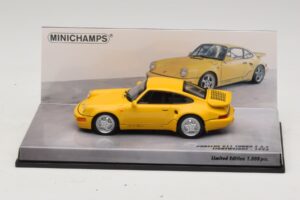
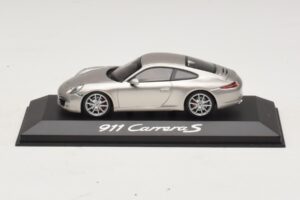
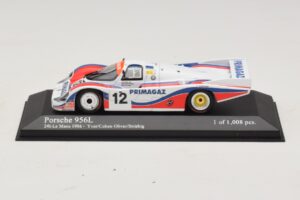
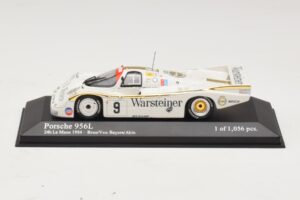
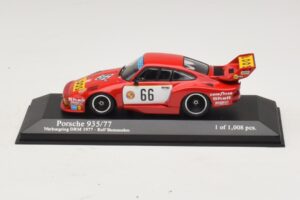
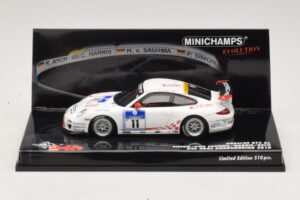
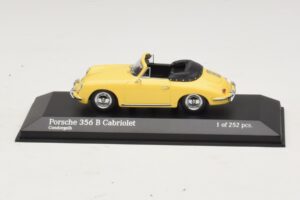
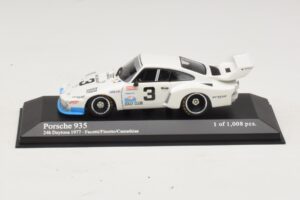
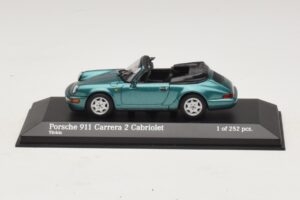
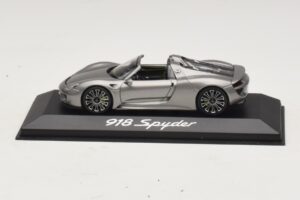
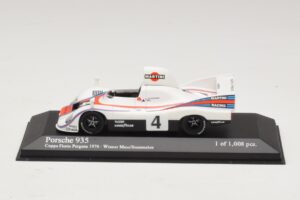
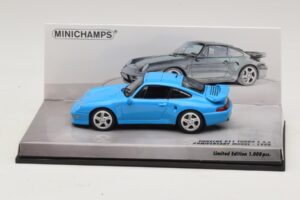
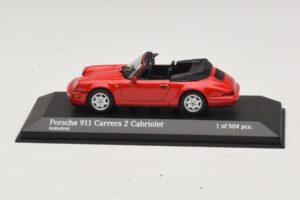
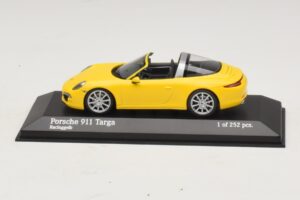
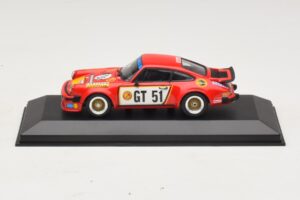
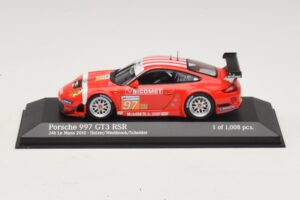
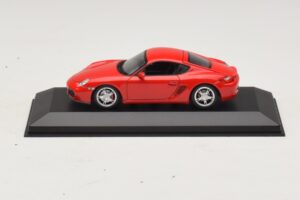
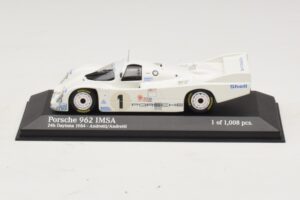
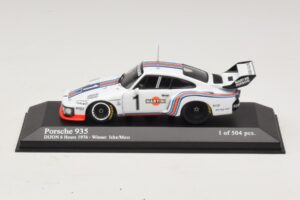
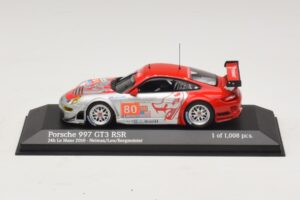
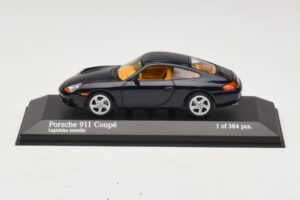
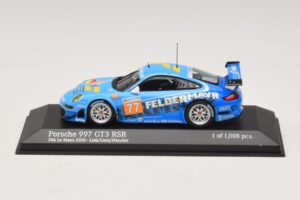
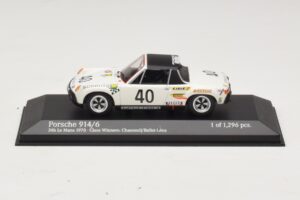
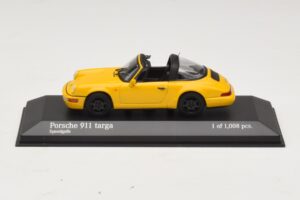
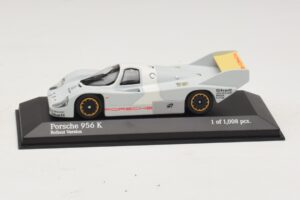
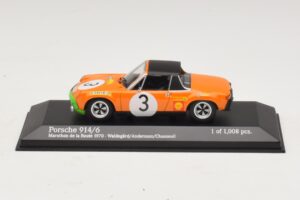
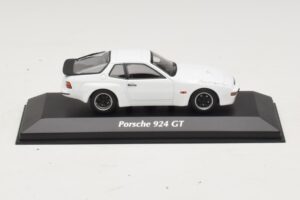
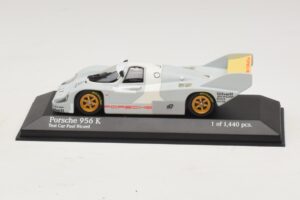
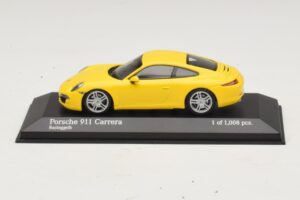
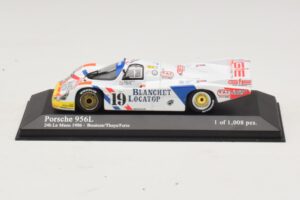
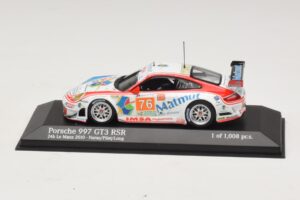
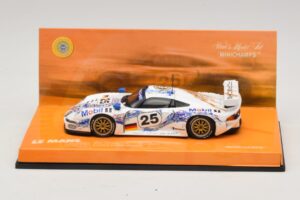
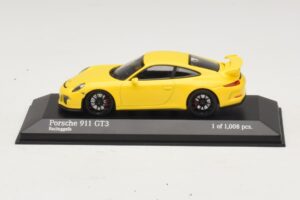
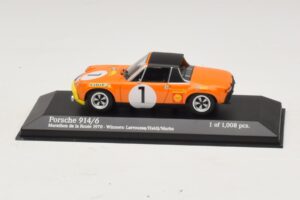
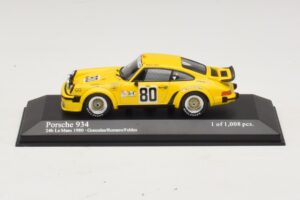
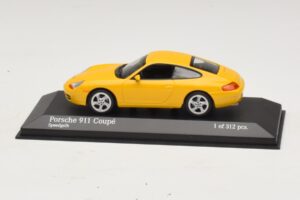
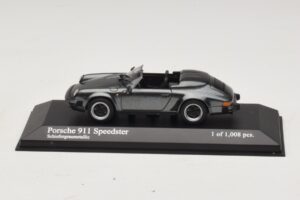
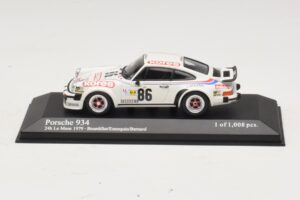
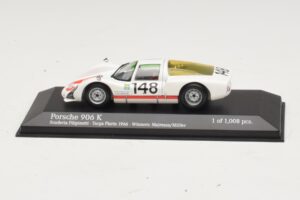
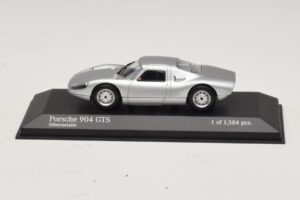
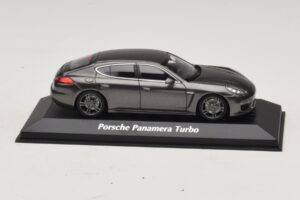
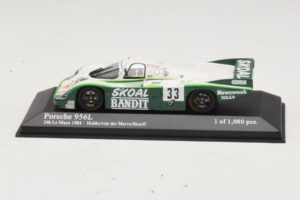
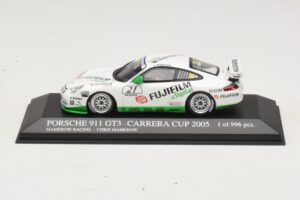
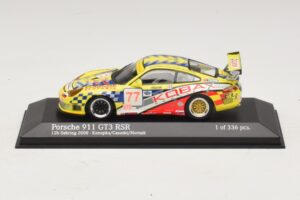
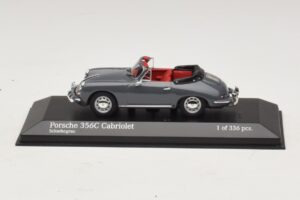
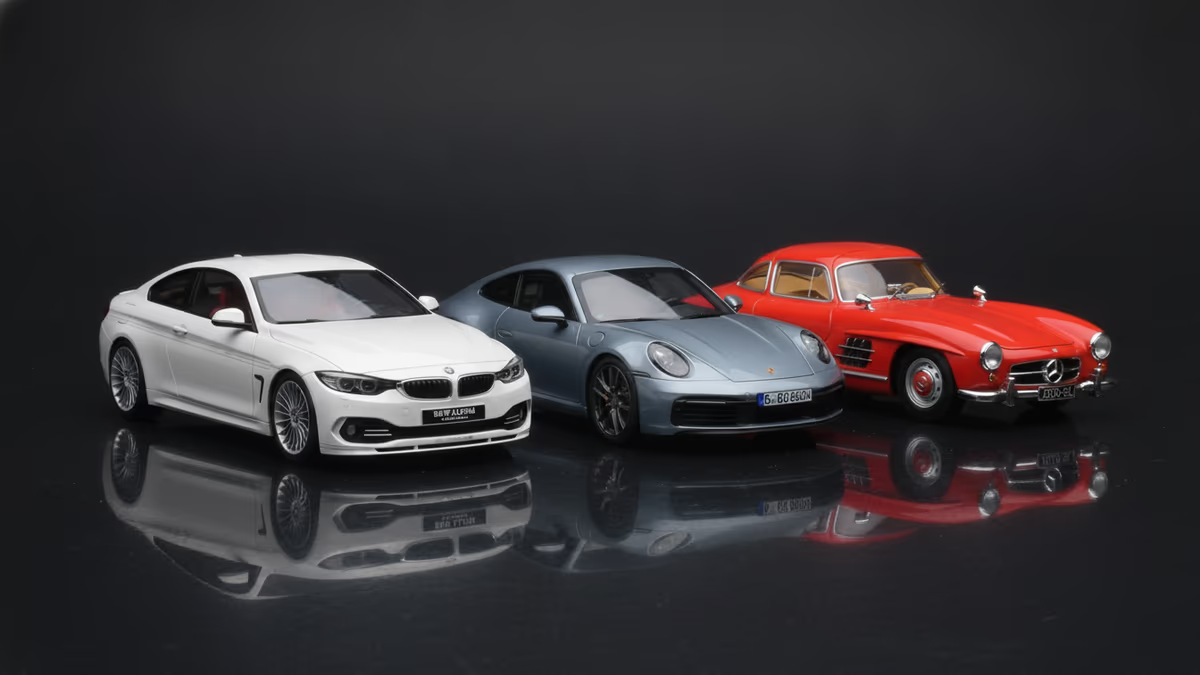
TL;DR: Porsche is one of the most collected car brands in scale, and this page gathers over a thousand Porsche model cars in one place — 1:18, 1:43 and 1:12 replicas in diecast and resin from manufacturers including Minichamps, AUTOart, Norev and GT Spirit, sold new and as discontinued references from the secondary market. Below: how the scales compare, what separates diecast from resin, and how collectors turn a stack of boxes into a real Porsche collection.
Ask a room of collectors what they collect and “only Porsche” comes up more often than almost any other answer. The brand rewards that kind of focus: a road-car story that runs from the earliest 356 through every generation of the 911 to the mid-engine Boxster and Cayman lines, plus a racing history deep enough to keep an entire display cabinet busy on its own. This page gathers every Porsche model car we stock — more than a thousand references across scales, manufacturers and eras — so you can hunt in one place instead of ten. The sections below cover why the brand holds such a grip on the hobby, how to choose between scales and materials, and the questions that come up again and again when collectors start buying Porsche in scale.
Part of it is the shape. The 911 silhouette has stayed recognizable through decades of evolution, so a row of 911 replicas reads like one story told in chapters — line the generations up side by side and the family resemblance does the narrative work for you. Few car brands offer that continuity, and it is precisely what makes a single-brand collection feel coherent instead of random. Add the air-cooled classics, the transaxle coupes and the limited GT cars, and you have a brand that can anchor decades of collecting without ever feeling finished.
Then there is the racing side. Porsche’s endurance-racing heritage — the 917, the Group C prototypes, the long line of GT racers that followed — hands manufacturers an almost bottomless supply of liveries to reproduce. Racing liveries are catnip for collectors: the same car in Gulf colors, in Martini stripes or in a privateer scheme becomes three distinct models on the shelf, and chasing a complete grid from a single season is a collecting project in its own right. It is no accident that some of the most hunted Porsche references in scale are racing cars rather than road cars.
It also matters that Porsche is one of the most thoroughly documented car brands anywhere, with a canonical encyclopedia record and a paper trail behind nearly every chassis. For a collector, that documentation is worth more than it sounds: when a replica reproduces a specific car, you can trace the original, check the livery against period photography and know precisely what is sitting on your shelf. That traceability is a big part of what separates a collector-grade replica from a generic model of “a sports car,” and Porsche subjects offer more of it than almost any other brand.
Scale is the first decision, because it fixes size, price and detail in a single stroke. In 1:18 scale, a Porsche 911 becomes a replica roughly a foot long, with room for opening doors, a modeled engine and cabin detail you can genuinely study — the format most collectors treat as the flagship. 1:43 scale models shrink the same car to about four inches, which is why the format can hold whole racing grids and complete marque histories in a single cabinet; it has long been the classic collector size in Europe. And 1:12 sits at the museum end of the range: fewer subjects and larger budgets, but a level of detail that turns one model into a centerpiece rather than part of a row.
Material is the second decision. A diecast Porsche carries a zamak alloy body, real weight in the hand and usually opening parts — doors, hood, engine cover — which makes it the natural choice if you like to handle what you collect. Resin bodies are cast in polyurethane and sealed shut, but the material holds sharper surface lines and suits smaller production runs, which is why so many limited Porsche editions come out of resin catalogs. Neither material is simply better; they reward different habits. Diecast spans the widest price range, from entry level to premium, while resin leans toward short runs that sell out and then resurface only on the secondary market.
The manufacturer’s name on the box matters as much as the car inside it. Minichamps has built one of the deepest Porsche catalogs in diecast, covering road and racing subjects alike; AUTOart is prized for densely detailed 1:18 replicas; Norev covers the brand at approachable prices; and GT Spirit casts sealed resin in limited runs with a modern focus. Learn two or three manufacturers whose finish you trust, then let their release calendars guide your buying — it is a far better filter than price alone, and it keeps a collection consistent in quality as it grows.
Finally, decide how you buy. New Porsche releases arrive in waves and popular subjects sell through quickly, because production runs are finite: once a run is gone, the manufacturer moves on and that reference is finished. This is where the used side of the catalog earns its keep — discontinued Porsche models, no longer available in regular distribution, sourced from the secondary market and often in mint condition with the original box. A used reference is not a cheaper compromise; in this hobby it is frequently the only way to get the model at all, and the models collectors chase hardest are almost always the ones nobody can order new anymore.
Value follows the same fundamentals across the hobby: a finite production run, a subject people actually want, and condition. Porsche references from premium manufacturers tend to hold their value best once a run has sold out and demand keeps arriving — racing liveries tied to famous entries, limited resin editions and first-in-series releases are the recurring winners. Condition does the rest of the work: a model kept with its original box and packaging is worth meaningfully more than the same reference displayed loose for years. If future value matters to you, buy clean examples from limited production runs rather than whatever happens to be discounted, and keep every box.
The demand map in scale looks a lot like the full-size one. The 911 dominates, with the air-cooled generations leading the pack, and racing Porsches sit right behind: the 917 in its classic liveries, the Group C prototypes and the GT racers that followed. Limited road cars such as the 959 live in the same tier — built in small numbers in full size and carrying the same aura in scale. Which exact reference tops the list depends on livery, scale and production run more than on the car itself; a sold-out variant of a common subject is often harder to find than an obscure one.
A grail is personal, but the mechanics behind every grail are the same: a reference produced in a small run, long since discontinued, and wanted by more collectors than there are examples left. For one collector that is a particular 917 livery; for another it is an early limited resin release, or the exact 911 variant that hung as a poster on a childhood wall. The practical advice is to define your grail early and check the used listings patiently — when a genuine grail resurfaces in mint condition with its original box, it tends to sell fast, because every other hunter has the same search saved.
Start in 1:43, or with the value tier of 1:18 diecast. A 1:43 Porsche from an established manufacturer costs a fraction of a premium 1:18 and takes up a fraction of the space, which is why so many large Porsche collections began on a 1:43 shelf. In 1:18, Norev’s Porsche range is the classic entry point: honest proportions and clean paint at prices that leave room for a learning curve. Skip bargain models with no recognizable manufacturer on the box — one well-made replica teaches you more about what to look for than five forgettable ones, and you will still be glad to own it when your standards climb.