Last one
New arrival
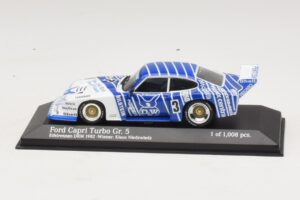
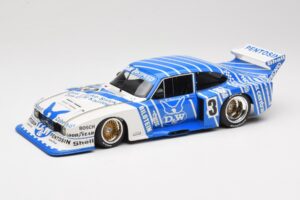
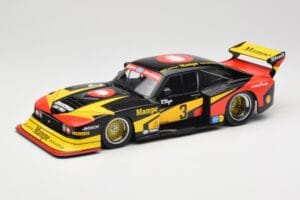
Ford Capri Turbo Gr.5 Zakspeed #3 K. Niedzwiedz Eifelrennen DRM 1982 Minichamps 1:43
Only 1 left
Price:
75.00 €
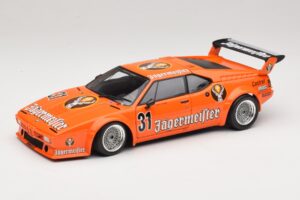
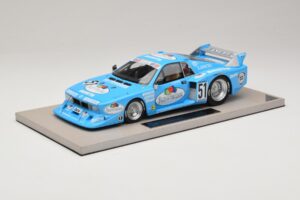
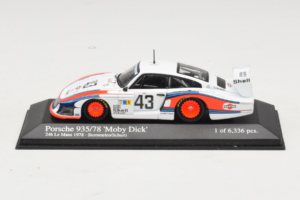
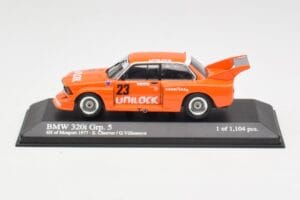
Group 5 silhouette racing turned road cars into flared, wide-bodied monsters that barely resembled their showroom origins, giving 1970s and 80s motorsport some of its most visually extreme machinery. This collection covers BMW, Porsche, Ford, and Lancia entries in 1:18 and 1:43 diecast.
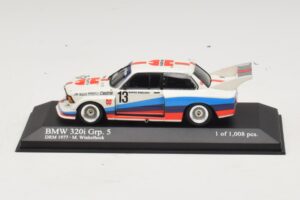
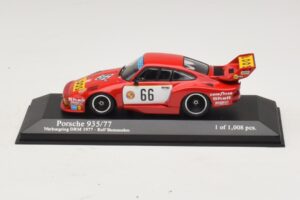
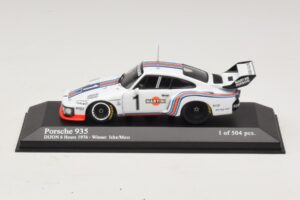
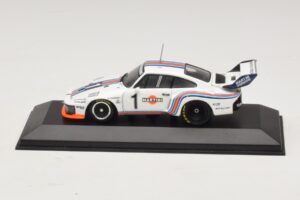
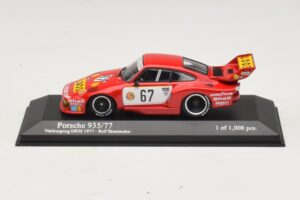
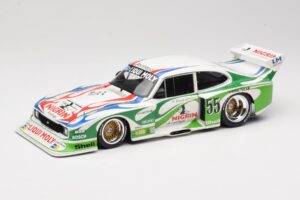

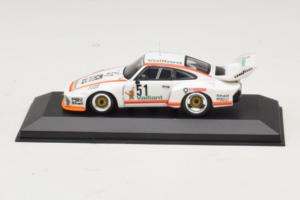
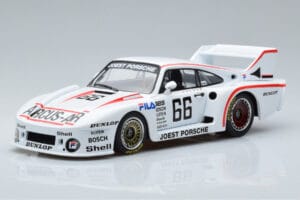
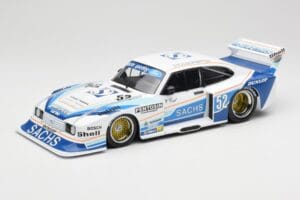
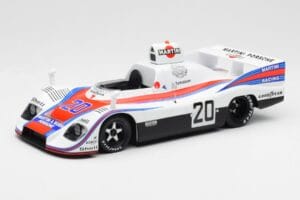
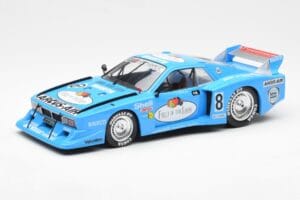

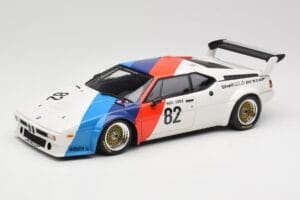
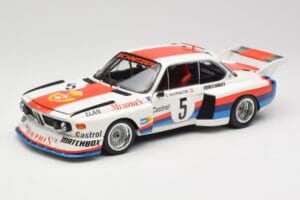
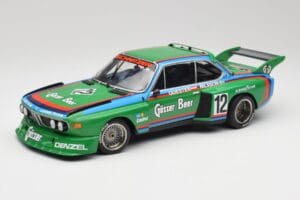
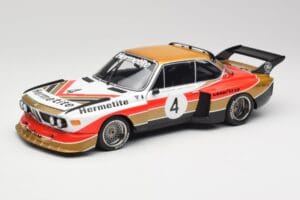
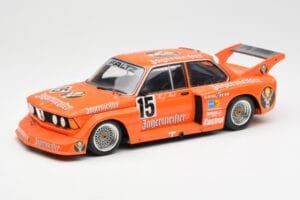
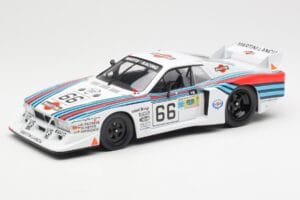
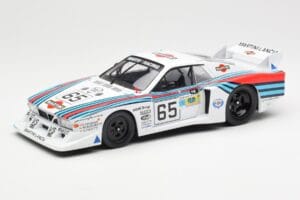

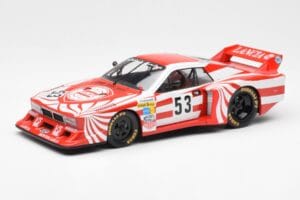
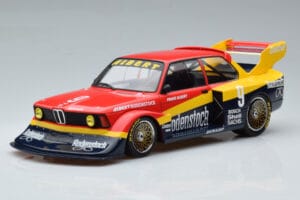
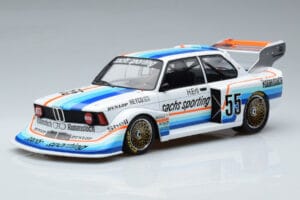
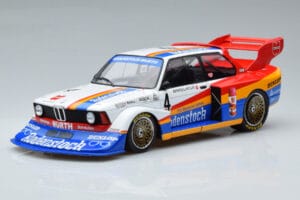
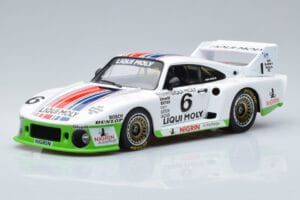
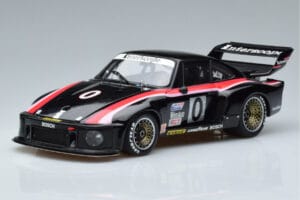

TL;DR: Group 5 silhouette racing scale models cover wide-body racers from BMW, Porsche, Ford, and Lancia in 1:18 and 1:43 diecast from manufacturers including Minichamps and MCG. Coverage concentrates on the 1970s and 1980s, the era's technical peak.
Group 5 regulations produced some of motorsport's most visually extreme machinery, permitting such radical bodywork modification that these silhouette racers barely resembled the road cars they were nominally based on.
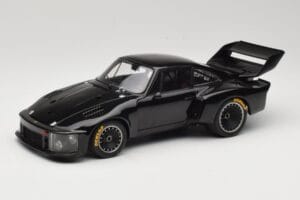
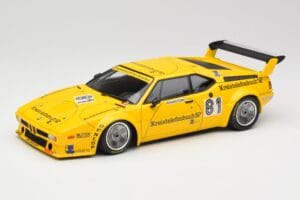
Minichamps, MCG, Exoto, and Werk83 document this era's most iconic entries, with BMW's M1 Procar and Porsche's 935 standing as the category's defining subjects. Ford and Lancia's own silhouette entries add further variety, and the exaggerated wheel arches and aggressive aerodynamics that defined these cars translate dramatically well into scale, giving collectors genuinely eye-catching display pieces.
Group 5's rules permitted manufacturers to modify bodywork far beyond what production-based racing categories typically allowed, provided certain structural elements remained from the road car. That regulatory freedom let engineers chase pure aerodynamic and mechanical performance, producing cars with flared fenders and turbocharged power outputs that transformed relatively ordinary road cars into genuine racing monsters.
Because the road-car origins remain visually recognizable beneath the extreme bodywork, a Group 5 collection pairs naturally with the standard road-going version of the same model, letting a display contrast the silhouette racer's dramatic transformation against its comparatively tame street counterpart.
Group 5 regulations allowed extensive bodywork modification beyond typical production-based racing rules, permitting flared wide-body fenders and aggressive aerodynamics. That freedom transformed relatively ordinary road cars into visually radical racing machines.
The BMW M1 Procar and Porsche 935 stand as the category's defining subjects, both showcasing the extreme wide-body styling and turbocharged power that characterized Group 5 competition through the 1970s and 1980s.
Many collectors do pair them, since the road-car origins remain recognizable beneath the extreme bodywork, and displaying both together highlights just how dramatically Group 5 regulations transformed a standard production car.
1:18 shows off the exaggerated wheel arches and aggressive aerodynamic details most dramatically, while 1:43 allows collectors to track multiple manufacturers and seasons within a compact display footprint.