Last one
Used
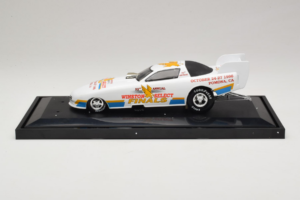
Winston Drag Racing Club of America Fun Car 1999 Racing Collectables 1:24
Only 1 left
Price:
104.00 €
1:24 scale lands between the compact density of 1:43 and the display presence of 1:18, giving a car roughly 18 to 20 centimeters of body length with real surface area for paint and panel detail. It has long served as a workhorse scale for American muscle cars, vintage reissues, and everyday collector diecast.












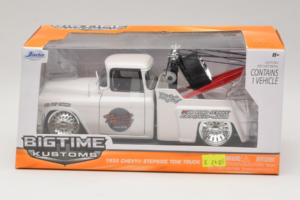
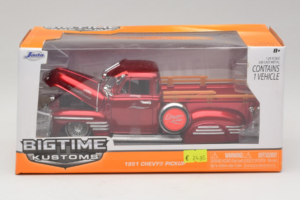


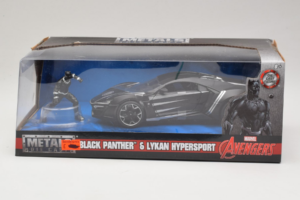

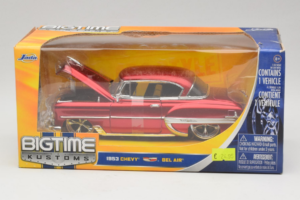

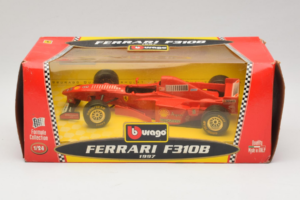
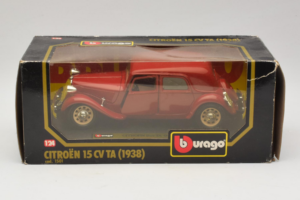

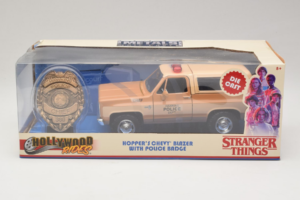


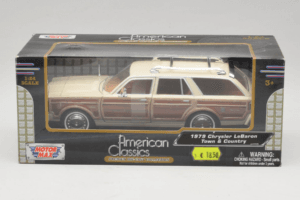


TL;DR: 1:24 scale model cars run about 18-20 centimeters, sitting between 1:18 detail and 1:43 shelf density. This collection spans muscle cars, vintage classics, Formula 1 subjects, and service vehicles in diecast from Pre-War through the 1980s.
1:24 scale model cars occupy a practical middle ground in the hobby. Large enough to show real body lines and interior texture, compact enough that a dozen fit comfortably on a single shelf, the scale has quietly anchored American diecast collecting for decades.
At roughly three-quarters the length of a 1:18 piece, a 1:24 model gives up some of the opening-feature theater of the larger scale but keeps enough heft to feel substantial in hand. Diecast construction dominates this scale, and the zinc-alloy body typically supports opening doors and hoods even at accessible price points. The trade-off is proportional: less room for cockpit detail than 1:18, but a display footprint that lets a themed collection grow without demanding a dedicated cabinet.
The subject range here leans toward American muscle cars and vintage classics, with pockets of pre-war coachbuilt subjects, 1970s special editions, and Formula 1 replicas rounding out the picture. That mix reflects how 1:24 has historically served the American market: it was the scale that introduced generations of collectors to Detroit horsepower before graduating to 1:18. Service and emergency vehicles and tuner specials add variety without disrupting the core identity, giving a collector both nostalgia pieces and offbeat subjects to chase.
Manufacturers active in this scale range from long-running mass-market diecast names to smaller specialty producers, and quality varies by release rather than by brand alone. Judge a 1:24 piece the way any diecast collector should: check panel gaps around the doors, look for crisp tampo-printed badging, and confirm the wheels and interior trim carry real color separation rather than a single molded tone. Because the scale spans decades of production, older tooling can feel simpler than recent releases even from the same manufacturer, so treat each casting on its own merits.
A 1:24 model runs about three-quarters the length of a 1:18 piece, so it fits more models per shelf but shows less interior and engine bay detail. Collectors who want breadth over close-up examination often favor 1:24 for building larger themed runs.
American muscle cars and vintage classics dominate the 1:24 landscape, reflecting the scale's long history as an entry point for Detroit performance. Formula 1 replicas, service vehicles, and tuner specials appear in smaller numbers alongside the muscle car core.
This scale is overwhelmingly diecast metal, valued for its opening doors and hood at accessible pricing. Resin is rare at 1:24, since the scale's appeal has always centered on affordable, durable metal construction rather than sealed-body precision.
Start with a muscle car or vintage classic from a well-established manufacturer, since these subjects have the deepest tooling history and most consistent quality. From there, branching into F1 or service vehicle subjects rounds out a collection without straining a starter budget.