Used
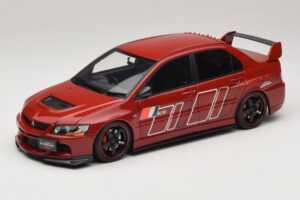
Ignition Model builds 1:18 resin replicas of Japanese performance cars around the stance and body-kit proportion that define the domestic tuning scene, with Mitsubishi’s Lancer Evolution generations forming the catalog’s most recognizable subjects. Fewer models, built to a narrower and more scrutinized standard than mass-market diecast.
TL;DR: Ignition Model's 1:18 resin releases document Mitsubishi and other Japanese performance cars with a stance-focused eye that mainstream diecast rarely matches. Working in cast resin rather than tooled metal, the manufacturer holds tighter body lines and finer wheel-arch detail, positioning its catalog in the premium tier of JDM-focused scale collecting.
Ignition Model scale cars grew out of Japan's home-market performance culture, where correct ride height, wheel offset, and body-kit proportion matter as much as engine specification to the enthusiasts who follow these cars. The manufacturer works almost exclusively in cast resin at 1:18, a combination that lets it chase the exact stance a Lancer Evolution or Supra carries on Japanese show circuits rather than the slightly compromised proportions a diecast tool sometimes forces. That attention to stance, more than badge recognition, is what draws collectors to this catalog.
Japan's domestic tuning scene built its own aesthetic language long before it crossed over to Western enthusiasts, and stance sits at the center of it: lowered ride height, aggressive wheel offset, and flush body panels define whether a build reads as authentic. Ignition Model's Mitsubishi subjects, largely drawn from the Lancer Evolution and GTO era of the 2000s, reproduce that stance rather than a generic factory ride height, which is the detail JDM collectors check first. Getting it wrong is more noticeable to this audience than a missing badge or an off paint shade, since the whole visual identity of a tuned Japanese car rests on how it sits over its wheels. That focus is also why the manufacturer's catalog reads narrower and deeper than a mass-market range: fewer subjects, but each one built around the details this specific collecting culture actually scrutinizes.
Cast resin gives a manufacturer tighter tolerances than a diecast tool allows, and that shows most clearly in wheel-arch clearance, side-skirt thickness, and the crispness of a body kit's edges, exactly the areas where JDM tuning subjects live or die on accuracy. Judge a resin release by the evenness of its panel gaps, the depth of its paint under direct light, and whether the interior carries separate dash and seat detail rather than a single molded tub. Ignition Model sits in the premium tier for this reason: the material and finishing cost more to produce than a mass-market diecast run, and the price reflects smaller production numbers rather than added features. Whether a specific release has opening panels or a sealed body varies by model and is worth checking on the individual listing rather than assuming from the material, since resin bodies appear both ways across this kind of catalog.
Mitsubishi forms the most visible part of this catalog, anchored by the Lancer Evolution generations that defined the brand's rally-bred performance identity through the 2000s. That focus gives collectors building a Mitsubishi shelf a genuine depth to draw from, spanning the different Evolution generations and their factory or tuner-style variants. The wider JDM range extends the same stance-first approach to other Japanese performance subjects, though the exact scope of any manufacturer's output shifts release to release, so it is worth browsing the current lineup directly rather than assuming a fixed roster. What stays consistent is the approach: resin construction, 1:18 scale, and a visual standard built around how these cars actually sat when tuned rather than how they left the factory.
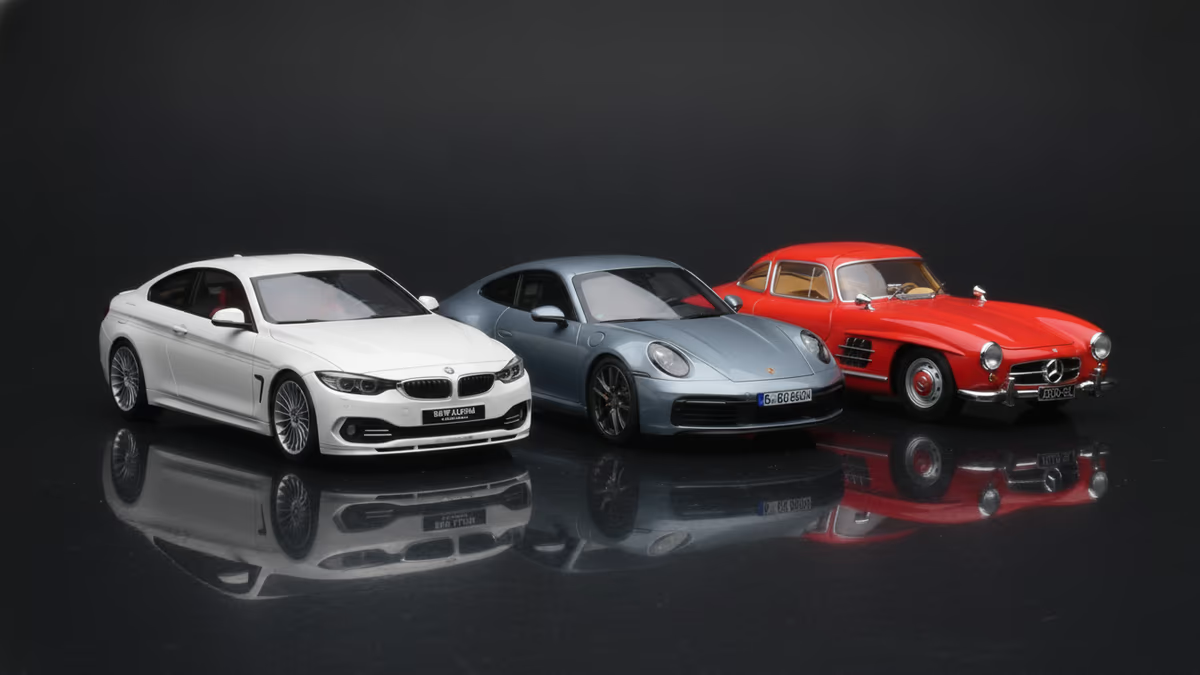
A JDM-focused shelf rewards a narrower theme better than a broad one, since the visual language of stance and body kit reads most clearly when several cars share it side by side. Grouping Mitsubishi generations together, or mixing Ignition Model's Japanese subjects with resin from other manufacturers covering the same performance era, builds a display where the shared aesthetic does the storytelling. Because resin runs tend to be smaller than diecast production, availability shifts faster than in mass-market categories, which makes it worth deciding on a theme early and acquiring pieces as they appear rather than waiting for a complete lineup to accumulate at once.
Ignition Model works in cast resin rather than tooled metal, which allows tighter panel gaps and more accurate body-kit proportions on Japanese performance subjects. That construction, combined with a narrower and more specialized catalog, places it in the premium tier above typical mass-market diecast.
Mitsubishi's Lancer Evolution generations carry deep significance in Japan's domestic performance culture, making them a natural focus for a manufacturer built around stance and tuning accuracy. The subject's rally heritage and enthusiast following give it lasting collector demand.
No. Whether doors, hood, or trunk open varies by individual release rather than by material or brand, so check the specific product listing for that detail rather than assuming it from the resin construction or the JDM subject matter.
This catalog centers on 1:18, a scale large enough to show wheel offset, ride height, and body-kit fitment clearly, exactly the details JDM collectors use to judge whether a model captures a tuned car's real-world stance.