Last one
Back in stock
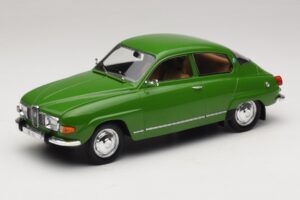
Saab’s scale model catalog centers on a genuinely distinctive engineering story, the 96’s rally success and the 900’s turbocharged Modern Classic status, both reflecting a manufacturer that approached car design from an aerospace background. Diecast and resin releases in 1:18 and 1:43 span the 1960s through the 1990s.
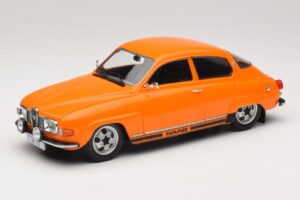
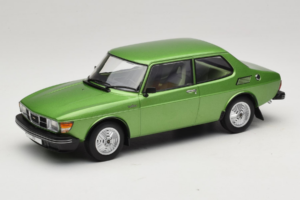
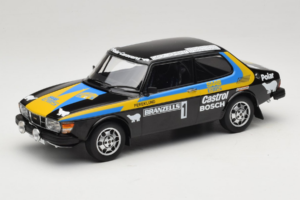

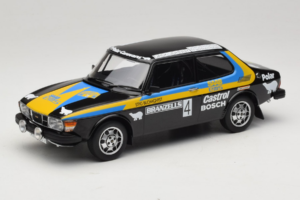
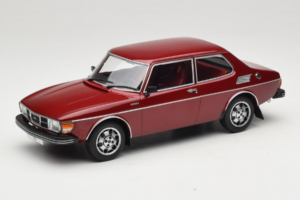
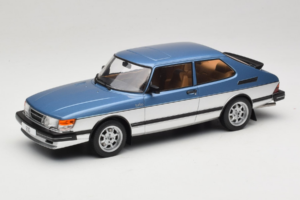
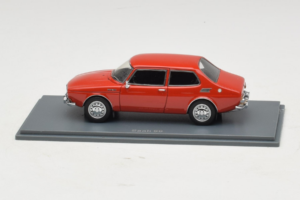
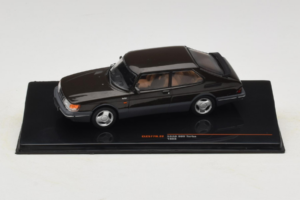
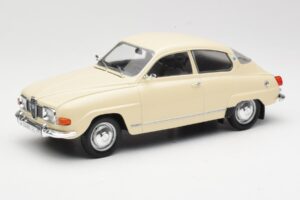
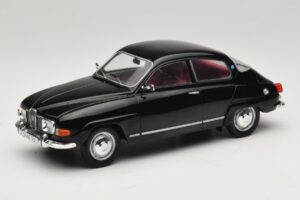
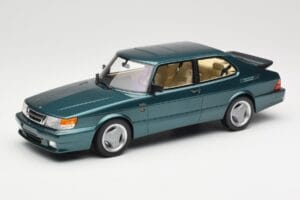
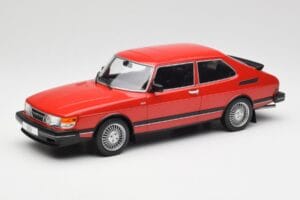
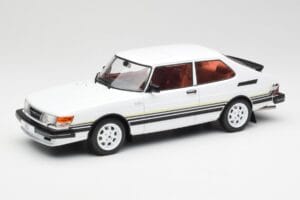
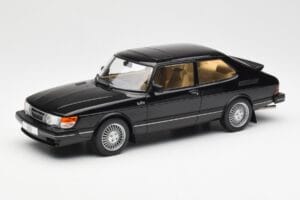
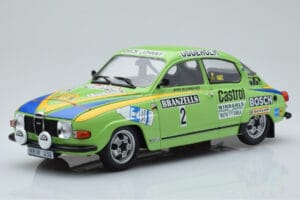
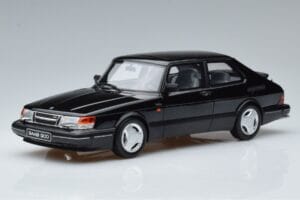
TL;DR: Saab scale models cover the rally-winning 96, the turbocharged 900, and Vintage Classics from the 1960s through the 1990s, in 1:18 and 1:43 diecast and resin. MCG and IXO anchor coverage, with DNA and NEO adding specialist resin depth.
Saab arrived at car design from aircraft manufacturing, and that background shows in an engineering approach that prioritized aerodynamics and structural logic over convention. The Saab 96's rally success through the 1960s, including strong showings on snow and ice, gave the brand a competitive reputation disproportionate to its size.
MCG and IXO cover the broadest range of Saab subjects, including rally-liveried 96 variants and the turbocharged 900, at mid-tier pricing. DNA and NEO work in resin, chasing the distinctive aerodynamic surfacing that defines Saab's design language, particularly the 900's sloped hatchback profile. Otto rounds out accessible coverage of Vintage Classics and Modern Classics subjects.
The 96's rally-winning era through the 1960s and 1970s gives collectors a motorsport thread distinct from most Scandinavian marques of the period, while the 900's arrival in the late 1970s and its turbocharged variants through the 1980s established Saab as a genuine performance brand for daily driving, a reputation the WRC Classic category subjects still trade on today.
A rally-liveried 96 alongside a turbocharged 900 gives a shelf both the underdog motorsport story and the brand's later performance identity. Because Saab attracts a smaller but genuinely dedicated collector base, sourcing specific liveries sometimes takes more patience than with higher-volume marques, which is part of the appeal for collectors drawn to less crowded territory.
Saab's aerospace-influenced engineering background gave the 96 strong aerodynamics and structural rigidity, translating into competitive performance on snow and ice rally stages through the 1960s and 1970s, despite the car's modest size.
MCG and IXO provide the broadest coverage of rally-liveried 96 variants at mid-tier pricing, while DNA and NEO's resin work captures the aerodynamic surfacing that defines Saab's distinctive design language.
The 900's turbocharged variants through the 1980s established Saab as a genuine performance brand for everyday driving, giving the model Modern Classic status and a following distinct from the earlier 96's rally reputation.
Sourcing specific Saab liveries can take more patience given the smaller dedicated collector base, but this relative scarcity is part of the appeal for collectors seeking less crowded, more distinctive territory.