TL;DR: Vehicle class organizes scale models by function and purpose rather than marque or era, spanning supercars, sedans, SUVs, trucks, and emergency vehicles across every major scale and material. It is the most practical lens for collectors comparing how different marques solved the same design brief.
A marque tells a collector who built the car; an era tells a collector when. Vehicle class tells a collector what the car was actually for, and that distinction turns out to be one of the most useful ways to browse a catalog spanning dozens of manufacturers and decades.
How Vehicle Class Organizes a Scale Model Collection
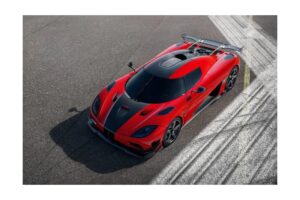
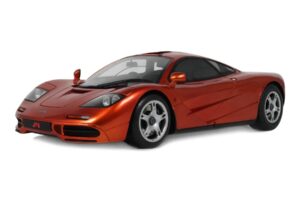
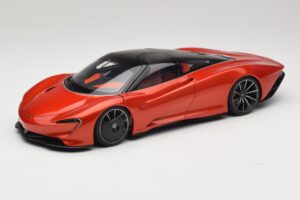
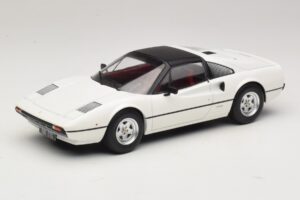
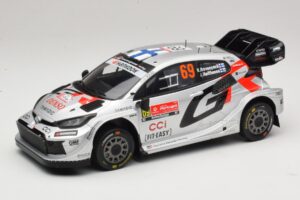
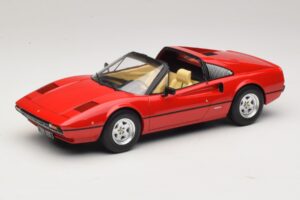
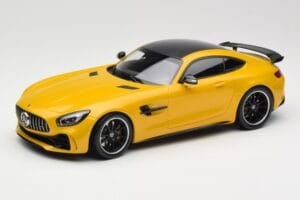
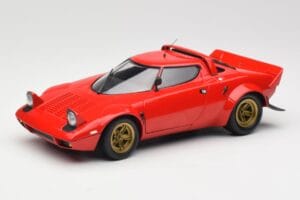
Grouping by vehicle class puts a Ferrari supercar next to a Lamborghini and McLaren of the same era rather than next to a Ferrari sedan from a different decade, which is a more useful comparison for most collectors chasing a specific kind of driving experience or design statement. It also surfaces categories that a marque-first or era-first browsing approach can bury entirely, such as service and emergency vehicles, which cut across nearly every marque and decade but rarely headline a manufacturer's own catalog page.
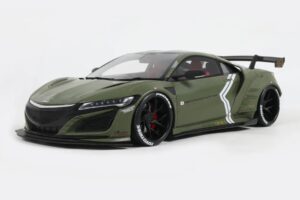
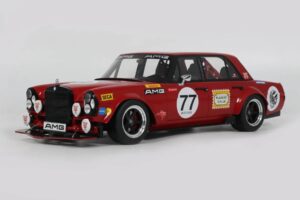
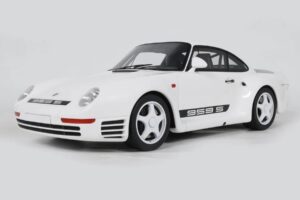
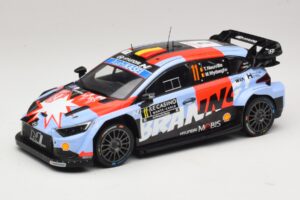
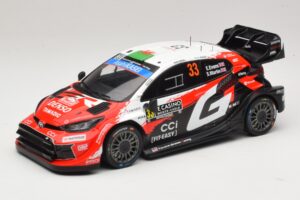
- Performance classes: supercars, track specials, and tuner subjects built for speed.
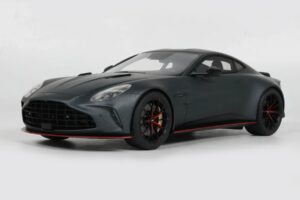
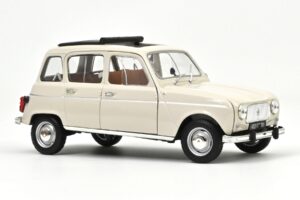
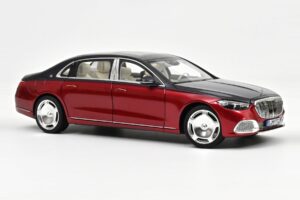
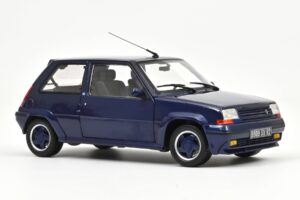
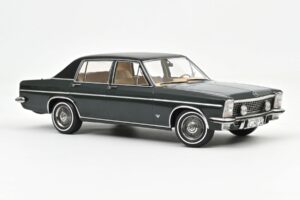
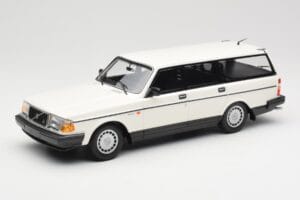
- Practical classes: sedans, SUVs, and urban runabouts built for everyday use.
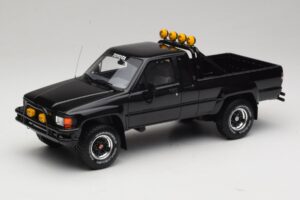
- Working classes: trucks and commercial vans built for cargo and utility duty.
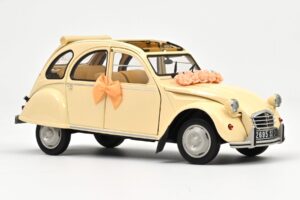
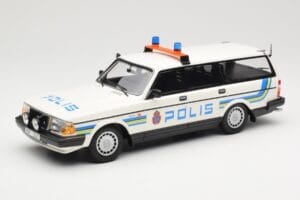
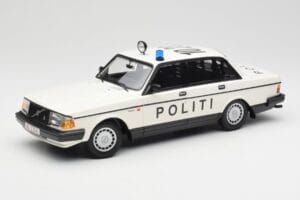
- Special classes: service and emergency vehicles, and unique or unusual subjects.
Comparing Manufacturers Within a Single Vehicle Class
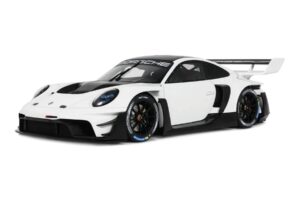
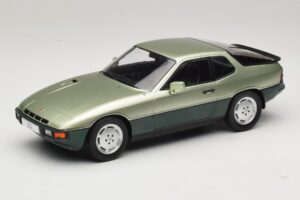
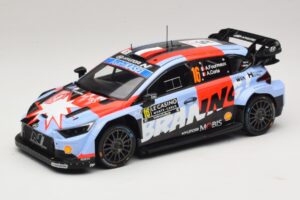
Vehicle class browsing rewards direct manufacturer comparison in a way marque browsing cannot: placing a Porsche track special next to a McLaren of the same category shows how differently two manufacturers solved the identical design brief, stripped weight and maximum cornering grip, using entirely different engineering philosophies. That comparison is harder to make when a catalog is organized purely by badge.
Building a Collection Around Vehicle Class
Some of the most coherent themed displays come from a strict vehicle-class focus: an all-supercar shelf spanning several marques, or a service-and-emergency-vehicle case documenting how police livery design evolved across decades regardless of the underlying sedan platform. This approach works particularly well for collectors more interested in a category of driving experience than in any single manufacturer's complete history.
Frequently Asked Questions
What is the advantage of browsing by vehicle class instead of marque?
Vehicle class groups cars by function and design brief, letting a collector directly compare how different manufacturers solved the same problem, such as outright performance or working utility, rather than seeing only one marque's output at a time.
Does vehicle class organization work well for themed displays?
Yes, an all-supercar or all-emergency-vehicle shelf spanning several marques often produces a more coherent, focused display than a single-marque collection that mixes vehicle types across decades.
Are niche vehicle classes as well covered as mainstream ones?
Coverage varies by class. Mainstream categories like sedans and supercars draw from more manufacturers, while niche classes such as track specials or unique vehicles rely on a smaller number of specialist producers.
Can a collector mix vehicle classes on the same shelf?
Certainly, though many collectors find that grouping by class first, then by marque or era within that class, produces a more organized and visually coherent display than mixing classes freely.