
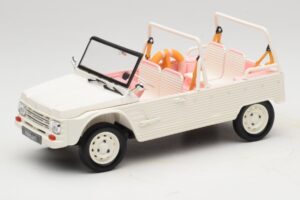
Citroen Mehari Azur White Norev 1:18
Sold out

1
/
7
Norev's 1:18 diecast Citroen Mehari Azur arrives in white, capturing France's lightweight plastic-bodied beach car from 1983. Doors open and the roof detail reflects the original's simple, open-air design. A distinctive, characterful piece for collectors who want French automotive quirks alongside mainstream classics.
1 / 7
[{"index":0,"id":"209569","thumb":"https:\/\/models118.com\/wp-content\/uploads\/2026\/03\/citroen-mehari-azur-white-norev-1-18-300x200.jpg","medium":"https:\/\/models118.com\/wp-content\/uploads\/2026\/03\/citroen-mehari-azur-white-norev-1-18-800x533.jpg","full":"https:\/\/models118.com\/wp-content\/uploads\/2026\/03\/citroen-mehari-azur-white-norev-1-18.jpg","srcset":"https:\/\/models118.com\/wp-content\/uploads\/2026\/03\/citroen-mehari-azur-white-norev-1-18-800x533.jpg 800w, https:\/\/models118.com\/wp-content\/uploads\/2026\/03\/citroen-mehari-azur-white-norev-1-18-64x43.jpg 64w, https:\/\/models118.com\/wp-content\/uploads\/2026\/03\/citroen-mehari-azur-white-norev-1-18-300x200.jpg 300w, https:\/\/models118.com\/wp-content\/uploads\/2026\/03\/citroen-mehari-azur-white-norev-1-18-480x320.jpg 480w, https:\/\/models118.com\/wp-content\/uploads\/2026\/03\/citroen-mehari-azur-white-norev-1-18.jpg 1800w","sizes":"(max-width: 1023px) 400px, 640px","srcsetAvif":"https:\/\/models118.com\/wp-content\/uploads\/2026\/03\/citroen-mehari-azur-white-norev-1-18-800x533.jpg.avif 800w, https:\/\/models118.com\/wp-content\/uploads\/2026\/03\/citroen-mehari-azur-white-norev-1-18-64x43.jpg.avif 64w, https:\/\/models118.com\/wp-content\/uploads\/2026\/03\/citroen-mehari-azur-white-norev-1-18-300x200.jpg.avif 300w, https:\/\/models118.com\/wp-content\/uploads\/2026\/03\/citroen-mehari-azur-white-norev-1-18-480x320.jpg.avif 480w, https:\/\/models118.com\/wp-content\/uploads\/2026\/03\/citroen-mehari-azur-white-norev-1-18.jpg.avif 1800w","srcsetWebp":"https:\/\/models118.com\/wp-content\/uploads\/2026\/03\/citroen-mehari-azur-white-norev-1-18-800x533.jpg.webp 800w, https:\/\/models118.com\/wp-content\/uploads\/2026\/03\/citroen-mehari-azur-white-norev-1-18-64x43.jpg.webp 64w, https:\/\/models118.com\/wp-content\/uploads\/2026\/03\/citroen-mehari-azur-white-norev-1-18-300x200.jpg.webp 300w, https:\/\/models118.com\/wp-content\/uploads\/2026\/03\/citroen-mehari-azur-white-norev-1-18-480x320.jpg.webp 480w, https:\/\/models118.com\/wp-content\/uploads\/2026\/03\/citroen-mehari-azur-white-norev-1-18.jpg.webp 1800w","alt":"Citroen Mehari Azur White Norev 1:18 181800 Diecast"},{"index":1,"id":209596,"thumb":"https:\/\/models118.com\/wp-content\/uploads\/2026\/03\/citroen-mehari-azur-white-norev-1-18-1-300x200.jpg","medium":"https:\/\/models118.com\/wp-content\/uploads\/2026\/03\/citroen-mehari-azur-white-norev-1-18-1-800x533.jpg","full":"https:\/\/models118.com\/wp-content\/uploads\/2026\/03\/citroen-mehari-azur-white-norev-1-18-1.jpg","srcset":"https:\/\/models118.com\/wp-content\/uploads\/2026\/03\/citroen-mehari-azur-white-norev-1-18-1-800x533.jpg 800w, https:\/\/models118.com\/wp-content\/uploads\/2026\/03\/citroen-mehari-azur-white-norev-1-18-1-64x43.jpg 64w, https:\/\/models118.com\/wp-content\/uploads\/2026\/03\/citroen-mehari-azur-white-norev-1-18-1-300x200.jpg 300w, https:\/\/models118.com\/wp-content\/uploads\/2026\/03\/citroen-mehari-azur-white-norev-1-18-1.jpg 1800w","sizes":"(max-width: 1023px) 400px, 640px","srcsetAvif":"https:\/\/models118.com\/wp-content\/uploads\/2026\/03\/citroen-mehari-azur-white-norev-1-18-1-800x533.jpg.avif 800w, https:\/\/models118.com\/wp-content\/uploads\/2026\/03\/citroen-mehari-azur-white-norev-1-18-1-64x43.jpg.avif 64w, https:\/\/models118.com\/wp-content\/uploads\/2026\/03\/citroen-mehari-azur-white-norev-1-18-1-300x200.jpg.avif 300w, https:\/\/models118.com\/wp-content\/uploads\/2026\/03\/citroen-mehari-azur-white-norev-1-18-1.jpg.avif 1800w","srcsetWebp":"https:\/\/models118.com\/wp-content\/uploads\/2026\/03\/citroen-mehari-azur-white-norev-1-18-1-800x533.jpg.webp 800w, https:\/\/models118.com\/wp-content\/uploads\/2026\/03\/citroen-mehari-azur-white-norev-1-18-1-64x43.jpg.webp 64w, https:\/\/models118.com\/wp-content\/uploads\/2026\/03\/citroen-mehari-azur-white-norev-1-18-1-300x200.jpg.webp 300w, https:\/\/models118.com\/wp-content\/uploads\/2026\/03\/citroen-mehari-azur-white-norev-1-18-1.jpg.webp 1800w","alt":"Citroen Mehari Azur White Norev 1:18 181800 Diecast - image 2 of 7"},{"index":2,"id":209623,"thumb":"https:\/\/models118.com\/wp-content\/uploads\/2026\/03\/citroen-mehari-azur-white-norev-1-18-2-300x200.jpg","medium":"https:\/\/models118.com\/wp-content\/uploads\/2026\/03\/citroen-mehari-azur-white-norev-1-18-2-800x533.jpg","full":"https:\/\/models118.com\/wp-content\/uploads\/2026\/03\/citroen-mehari-azur-white-norev-1-18-2.jpg","srcset":"https:\/\/models118.com\/wp-content\/uploads\/2026\/03\/citroen-mehari-azur-white-norev-1-18-2-800x533.jpg 800w, https:\/\/models118.com\/wp-content\/uploads\/2026\/03\/citroen-mehari-azur-white-norev-1-18-2-64x43.jpg 64w, https:\/\/models118.com\/wp-content\/uploads\/2026\/03\/citroen-mehari-azur-white-norev-1-18-2-300x200.jpg 300w, https:\/\/models118.com\/wp-content\/uploads\/2026\/03\/citroen-mehari-azur-white-norev-1-18-2.jpg 1800w","sizes":"(max-width: 1023px) 400px, 640px","srcsetAvif":"https:\/\/models118.com\/wp-content\/uploads\/2026\/03\/citroen-mehari-azur-white-norev-1-18-2-800x533.jpg.avif 800w, https:\/\/models118.com\/wp-content\/uploads\/2026\/03\/citroen-mehari-azur-white-norev-1-18-2-64x43.jpg.avif 64w, https:\/\/models118.com\/wp-content\/uploads\/2026\/03\/citroen-mehari-azur-white-norev-1-18-2-300x200.jpg.avif 300w, https:\/\/models118.com\/wp-content\/uploads\/2026\/03\/citroen-mehari-azur-white-norev-1-18-2.jpg.avif 1800w","srcsetWebp":"https:\/\/models118.com\/wp-content\/uploads\/2026\/03\/citroen-mehari-azur-white-norev-1-18-2-800x533.jpg.webp 800w, https:\/\/models118.com\/wp-content\/uploads\/2026\/03\/citroen-mehari-azur-white-norev-1-18-2-64x43.jpg.webp 64w, https:\/\/models118.com\/wp-content\/uploads\/2026\/03\/citroen-mehari-azur-white-norev-1-18-2-300x200.jpg.webp 300w, https:\/\/models118.com\/wp-content\/uploads\/2026\/03\/citroen-mehari-azur-white-norev-1-18-2.jpg.webp 1800w","alt":"Citroen Mehari Azur White Norev 1:18 181800 Diecast - image 3 of 7"},{"index":3,"id":209650,"thumb":"https:\/\/models118.com\/wp-content\/uploads\/2026\/03\/citroen-mehari-azur-white-norev-1-18-3-300x200.jpg","medium":"https:\/\/models118.com\/wp-content\/uploads\/2026\/03\/citroen-mehari-azur-white-norev-1-18-3-800x533.jpg","full":"https:\/\/models118.com\/wp-content\/uploads\/2026\/03\/citroen-mehari-azur-white-norev-1-18-3.jpg","srcset":"https:\/\/models118.com\/wp-content\/uploads\/2026\/03\/citroen-mehari-azur-white-norev-1-18-3-800x533.jpg 800w, https:\/\/models118.com\/wp-content\/uploads\/2026\/03\/citroen-mehari-azur-white-norev-1-18-3-64x43.jpg 64w, https:\/\/models118.com\/wp-content\/uploads\/2026\/03\/citroen-mehari-azur-white-norev-1-18-3-300x200.jpg 300w, https:\/\/models118.com\/wp-content\/uploads\/2026\/03\/citroen-mehari-azur-white-norev-1-18-3.jpg 1800w","sizes":"(max-width: 1023px) 400px, 640px","srcsetAvif":"https:\/\/models118.com\/wp-content\/uploads\/2026\/03\/citroen-mehari-azur-white-norev-1-18-3-800x533.jpg.avif 800w, https:\/\/models118.com\/wp-content\/uploads\/2026\/03\/citroen-mehari-azur-white-norev-1-18-3-64x43.jpg.avif 64w, https:\/\/models118.com\/wp-content\/uploads\/2026\/03\/citroen-mehari-azur-white-norev-1-18-3-300x200.jpg.avif 300w, https:\/\/models118.com\/wp-content\/uploads\/2026\/03\/citroen-mehari-azur-white-norev-1-18-3.jpg.avif 1800w","srcsetWebp":"https:\/\/models118.com\/wp-content\/uploads\/2026\/03\/citroen-mehari-azur-white-norev-1-18-3-800x533.jpg.webp 800w, https:\/\/models118.com\/wp-content\/uploads\/2026\/03\/citroen-mehari-azur-white-norev-1-18-3-64x43.jpg.webp 64w, https:\/\/models118.com\/wp-content\/uploads\/2026\/03\/citroen-mehari-azur-white-norev-1-18-3-300x200.jpg.webp 300w, https:\/\/models118.com\/wp-content\/uploads\/2026\/03\/citroen-mehari-azur-white-norev-1-18-3.jpg.webp 1800w","alt":"Citroen Mehari Azur White Norev 1:18 181800 Diecast - image 4 of 7"},{"index":4,"id":209677,"thumb":"https:\/\/models118.com\/wp-content\/uploads\/2026\/03\/citroen-mehari-azur-white-norev-1-18-4-300x200.jpg","medium":"https:\/\/models118.com\/wp-content\/uploads\/2026\/03\/citroen-mehari-azur-white-norev-1-18-4-800x533.jpg","full":"https:\/\/models118.com\/wp-content\/uploads\/2026\/03\/citroen-mehari-azur-white-norev-1-18-4.jpg","srcset":"https:\/\/models118.com\/wp-content\/uploads\/2026\/03\/citroen-mehari-azur-white-norev-1-18-4-800x533.jpg 800w, https:\/\/models118.com\/wp-content\/uploads\/2026\/03\/citroen-mehari-azur-white-norev-1-18-4-64x43.jpg 64w, https:\/\/models118.com\/wp-content\/uploads\/2026\/03\/citroen-mehari-azur-white-norev-1-18-4-300x200.jpg 300w, https:\/\/models118.com\/wp-content\/uploads\/2026\/03\/citroen-mehari-azur-white-norev-1-18-4.jpg 1800w","sizes":"(max-width: 1023px) 400px, 640px","srcsetAvif":"https:\/\/models118.com\/wp-content\/uploads\/2026\/03\/citroen-mehari-azur-white-norev-1-18-4-800x533.jpg.avif 800w, https:\/\/models118.com\/wp-content\/uploads\/2026\/03\/citroen-mehari-azur-white-norev-1-18-4-64x43.jpg.avif 64w, https:\/\/models118.com\/wp-content\/uploads\/2026\/03\/citroen-mehari-azur-white-norev-1-18-4-300x200.jpg.avif 300w, https:\/\/models118.com\/wp-content\/uploads\/2026\/03\/citroen-mehari-azur-white-norev-1-18-4.jpg.avif 1800w","srcsetWebp":"https:\/\/models118.com\/wp-content\/uploads\/2026\/03\/citroen-mehari-azur-white-norev-1-18-4-800x533.jpg.webp 800w, https:\/\/models118.com\/wp-content\/uploads\/2026\/03\/citroen-mehari-azur-white-norev-1-18-4-64x43.jpg.webp 64w, https:\/\/models118.com\/wp-content\/uploads\/2026\/03\/citroen-mehari-azur-white-norev-1-18-4-300x200.jpg.webp 300w, https:\/\/models118.com\/wp-content\/uploads\/2026\/03\/citroen-mehari-azur-white-norev-1-18-4.jpg.webp 1800w","alt":"Citroen Mehari Azur White Norev 1:18 181800 Diecast - image 5 of 7"},{"index":5,"id":209704,"thumb":"https:\/\/models118.com\/wp-content\/uploads\/2026\/03\/citroen-mehari-azur-white-norev-1-18-5-300x200.jpg","medium":"https:\/\/models118.com\/wp-content\/uploads\/2026\/03\/citroen-mehari-azur-white-norev-1-18-5-800x533.jpg","full":"https:\/\/models118.com\/wp-content\/uploads\/2026\/03\/citroen-mehari-azur-white-norev-1-18-5.jpg","srcset":"https:\/\/models118.com\/wp-content\/uploads\/2026\/03\/citroen-mehari-azur-white-norev-1-18-5-800x533.jpg 800w, https:\/\/models118.com\/wp-content\/uploads\/2026\/03\/citroen-mehari-azur-white-norev-1-18-5-64x43.jpg 64w, https:\/\/models118.com\/wp-content\/uploads\/2026\/03\/citroen-mehari-azur-white-norev-1-18-5-300x200.jpg 300w, https:\/\/models118.com\/wp-content\/uploads\/2026\/03\/citroen-mehari-azur-white-norev-1-18-5.jpg 1800w","sizes":"(max-width: 1023px) 400px, 640px","srcsetAvif":"https:\/\/models118.com\/wp-content\/uploads\/2026\/03\/citroen-mehari-azur-white-norev-1-18-5-800x533.jpg.avif 800w, https:\/\/models118.com\/wp-content\/uploads\/2026\/03\/citroen-mehari-azur-white-norev-1-18-5-64x43.jpg.avif 64w, https:\/\/models118.com\/wp-content\/uploads\/2026\/03\/citroen-mehari-azur-white-norev-1-18-5-300x200.jpg.avif 300w, https:\/\/models118.com\/wp-content\/uploads\/2026\/03\/citroen-mehari-azur-white-norev-1-18-5.jpg.avif 1800w","srcsetWebp":"https:\/\/models118.com\/wp-content\/uploads\/2026\/03\/citroen-mehari-azur-white-norev-1-18-5-800x533.jpg.webp 800w, https:\/\/models118.com\/wp-content\/uploads\/2026\/03\/citroen-mehari-azur-white-norev-1-18-5-64x43.jpg.webp 64w, https:\/\/models118.com\/wp-content\/uploads\/2026\/03\/citroen-mehari-azur-white-norev-1-18-5-300x200.jpg.webp 300w, https:\/\/models118.com\/wp-content\/uploads\/2026\/03\/citroen-mehari-azur-white-norev-1-18-5.jpg.webp 1800w","alt":"Citroen Mehari Azur White Norev 1:18 181800 Diecast - image 6 of 7"},{"index":6,"id":209731,"thumb":"https:\/\/models118.com\/wp-content\/uploads\/2026\/03\/citroen-mehari-azur-white-norev-1-18-6-300x200.jpg","medium":"https:\/\/models118.com\/wp-content\/uploads\/2026\/03\/citroen-mehari-azur-white-norev-1-18-6-800x533.jpg","full":"https:\/\/models118.com\/wp-content\/uploads\/2026\/03\/citroen-mehari-azur-white-norev-1-18-6.jpg","srcset":"https:\/\/models118.com\/wp-content\/uploads\/2026\/03\/citroen-mehari-azur-white-norev-1-18-6-800x533.jpg 800w, https:\/\/models118.com\/wp-content\/uploads\/2026\/03\/citroen-mehari-azur-white-norev-1-18-6-64x43.jpg 64w, https:\/\/models118.com\/wp-content\/uploads\/2026\/03\/citroen-mehari-azur-white-norev-1-18-6-300x200.jpg 300w, https:\/\/models118.com\/wp-content\/uploads\/2026\/03\/citroen-mehari-azur-white-norev-1-18-6.jpg 1800w","sizes":"(max-width: 1023px) 400px, 640px","srcsetAvif":"https:\/\/models118.com\/wp-content\/uploads\/2026\/03\/citroen-mehari-azur-white-norev-1-18-6-800x533.jpg.avif 800w, https:\/\/models118.com\/wp-content\/uploads\/2026\/03\/citroen-mehari-azur-white-norev-1-18-6-64x43.jpg.avif 64w, https:\/\/models118.com\/wp-content\/uploads\/2026\/03\/citroen-mehari-azur-white-norev-1-18-6-300x200.jpg.avif 300w, https:\/\/models118.com\/wp-content\/uploads\/2026\/03\/citroen-mehari-azur-white-norev-1-18-6.jpg.avif 1800w","srcsetWebp":"https:\/\/models118.com\/wp-content\/uploads\/2026\/03\/citroen-mehari-azur-white-norev-1-18-6-800x533.jpg.webp 800w, https:\/\/models118.com\/wp-content\/uploads\/2026\/03\/citroen-mehari-azur-white-norev-1-18-6-64x43.jpg.webp 64w, https:\/\/models118.com\/wp-content\/uploads\/2026\/03\/citroen-mehari-azur-white-norev-1-18-6-300x200.jpg.webp 300w, https:\/\/models118.com\/wp-content\/uploads\/2026\/03\/citroen-mehari-azur-white-norev-1-18-6.jpg.webp 1800w","alt":"Citroen Mehari Azur White Norev 1:18 181800 Diecast - image 7 of 7"}]
Citroen Mehari Azur White Norev 1:18
Current price:
61.00 €
Sold out
This model is currently sold out. Enter your email and we'll let you know when it's back in stock. We'll also send you news about new models. Unsubscribe anytime.
Shipping to 79 countries
Worldwide delivery
Prices incl. 23% VAT
No hidden costs
Shipping rates by country
Tracked & insured
Pay in EUR €
Local currency
100% authentic
Direct from manufacturers
5-layer carton
Foam-filled interior
Easy returns
14 days from delivery
Secure payment
256-bit SSL encryption
About the Citroen Mehari Azur White Norev 1:18
TL;DR: Norev's 1:18 diecast Citroen Mehari Azur reproduces the 1983 plastic-bodied beach car in white, with opening doors. A lighthearted, distinctly French open-top model built for collectors seeking character over spec-sheet performance.
Few cars wear their eccentricity as openly as the Citroen Mehari, a car built from ABS plastic panels over a 2CV-derived chassis, designed for beaches and rough tracks rather than boulevards.
Norev's Diecast Approach to a Plastic Original
Norev renders the Mehari in metal diecast despite the real car's plastic bodywork, and the contrast is part of the model's appeal: a lightweight-looking shape given genuine shelf weight. The doors open, letting a collector see the simplified cabin the Mehari was known for, minimal upholstery and an open, airy layout that matched its beach-car brief. Norev's paint work holds the Azur white evenly across the model's flat plastic-style panels, and its diecast tolerances at this scale keep the shape crisp without the wider seams older tooling sometimes shows. It is a small, honest model of an unusual car, and that honesty is the point.
The Mehari as a French Design Curiosity
Citroen built the Mehari from 1968 into the early 1980s, targeting buyers who wanted something rugged, cheap, and easy to hose out after a day at the beach or on a farm. Its plastic panels resisted rust and dents in a way steel bodies could not, an unusual engineering choice that made the Mehari genuinely practical despite its toy-like appearance. That practicality, paired with an open-top, doorless-feeling cabin, made it a fixture of French coastal life through the 1970s and into this 1983 example.
Where the Mehari Fits a Collection
This Mehari works best as a change of pace on a shelf otherwise built around performance sedans or racing liveries, a reminder that not every collectible car needs to be fast to be interesting. It pairs naturally with other Citroen models, particularly the 2CV it shares mechanical roots with, or with a broader theme of quirky European open-air cars. Its small footprint and light color make it an easy piece to slot into a crowded display without overwhelming its neighbors.
From the same collection

Last one

Last one

Last one
Used

Collectors also bought
Browse all 1:18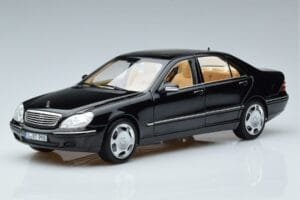
Mercedes S-Class W220 S600 Limited Edition Norev 1:18
Price:
100.00 €

Mercedes 500 SL R129 Limited Edition Norev 1:18
Price:
96.00 €

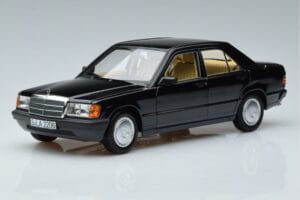
Mercedes 190 E W201 Limited Edition Norev 1:18
Price:
102.00 €
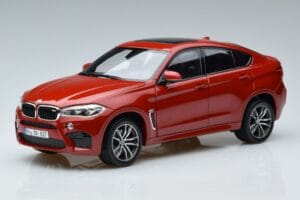
BMW X6M F86 Red Norev 1:18
Price:
94.00 €
Back in stock

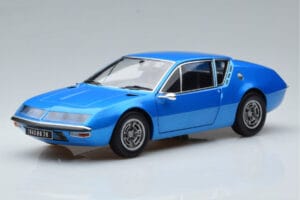
Volvo 1800 ES Green Norev 1:18
Price:
71.00 €

Recently viewed
{"id":209758,"name":"Citroen Mehari Azur White Norev 1:18","price":"61.00 €<\/span><\/bdi><\/span>","image":"https:\/\/models118.com\/wp-content\/uploads\/2026\/03\/citroen-mehari-azur-white-norev-1-18-400x400.jpg","permalink":"https:\/\/models118.com\/citroen-mehari-azur-white-norev-1-18-181800\/","brand":"Citroen"}