Back in stock
Pre-order
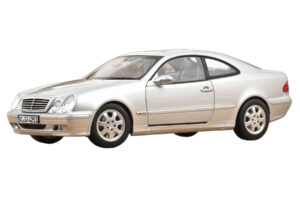
Mercedes CLK C208 Brilliant Silver Norev 1:18
Expected Oct 21–31, 2026
Pre-order now
Price:
100.00 €
Diecast remains the backbone material of scale model collecting: cast zinc alloy that delivers real heft, opening doors and hoods, and durability that survives years of handling. This range spans vintage classics, Formula 1, and supercars across every major scale.
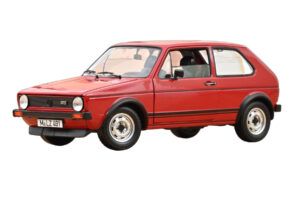

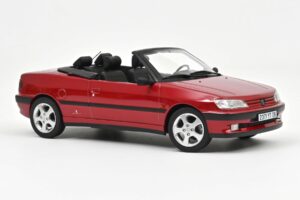
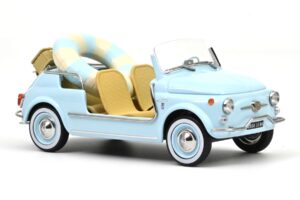
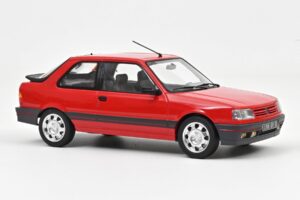



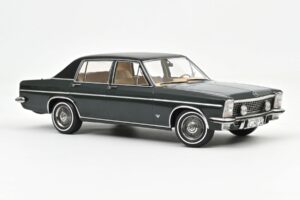





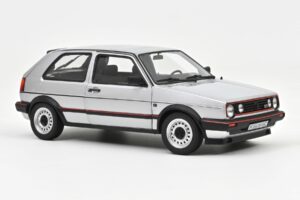
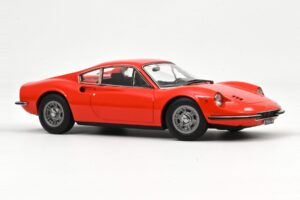




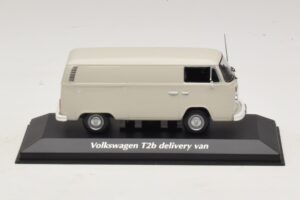
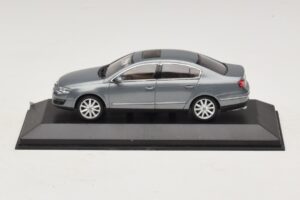
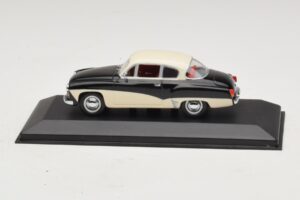
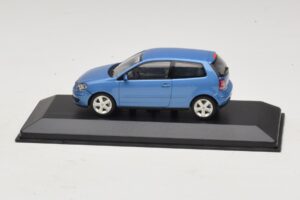
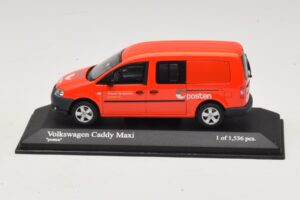
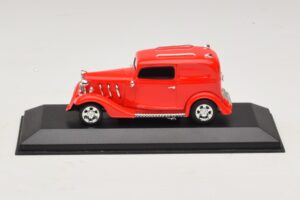
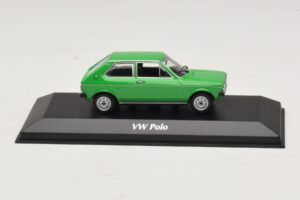
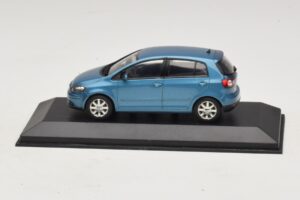
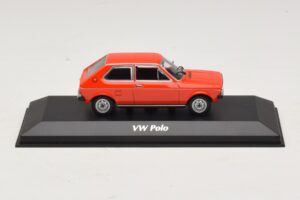
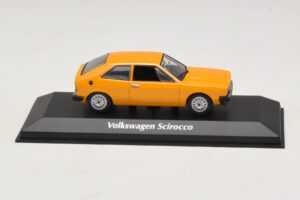
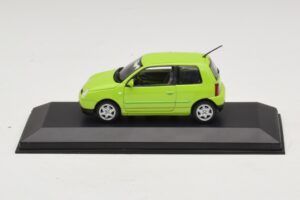
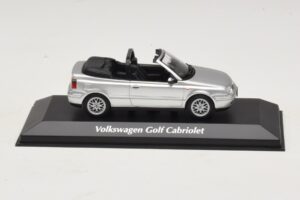
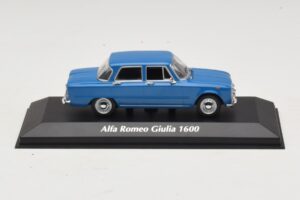
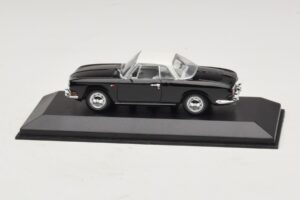
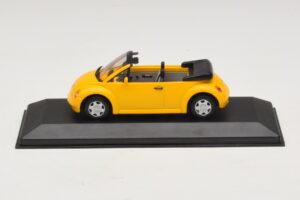
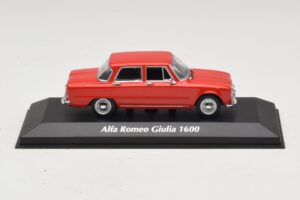
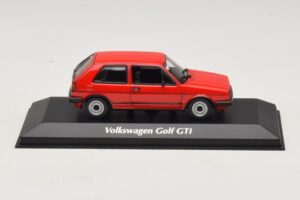
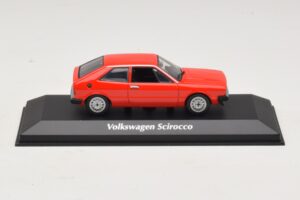
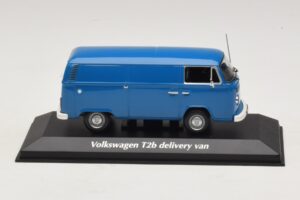
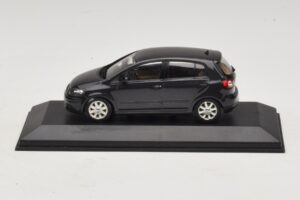
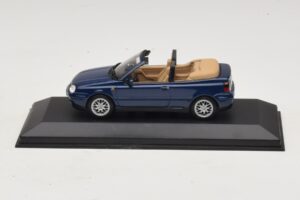
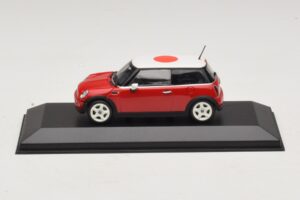

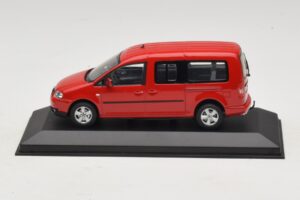
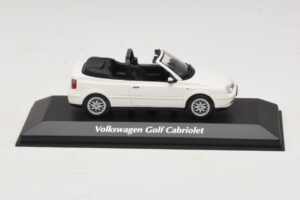


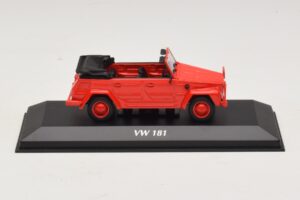
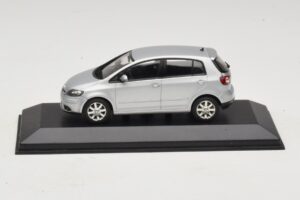
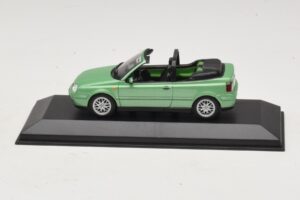
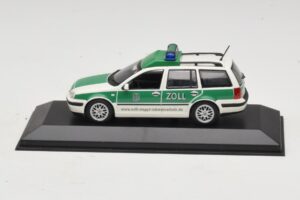
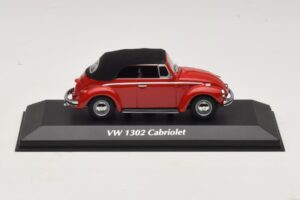
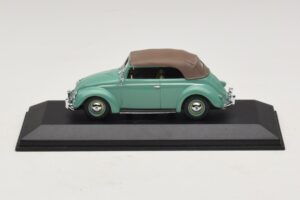
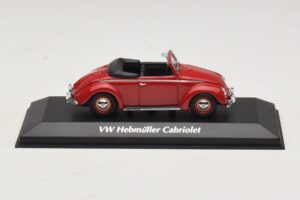
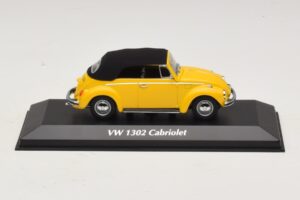
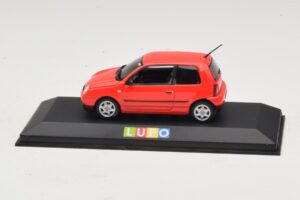
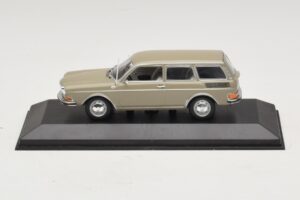
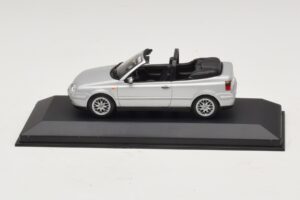
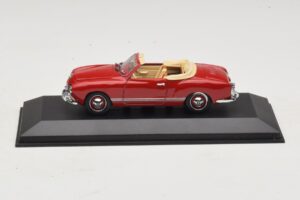
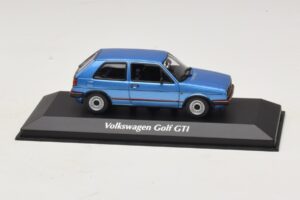
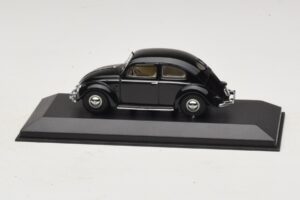

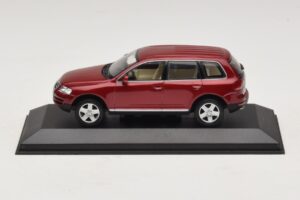
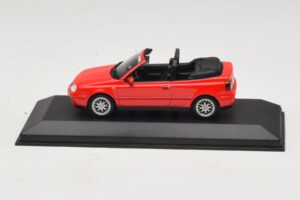
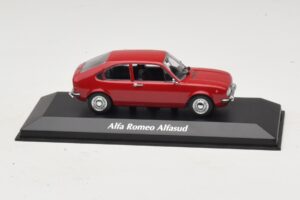
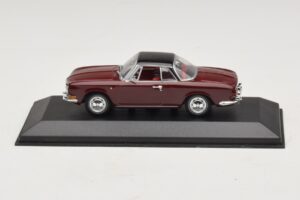
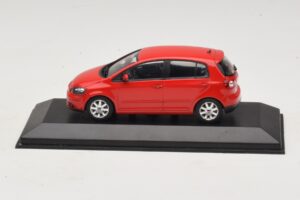
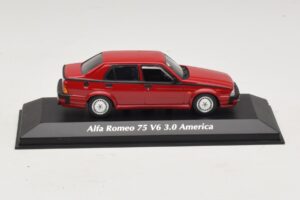
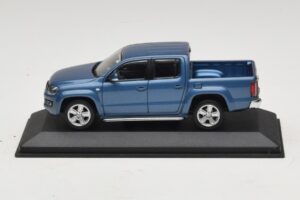
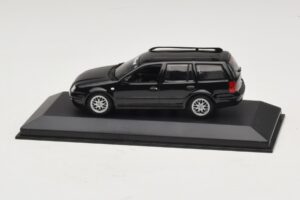

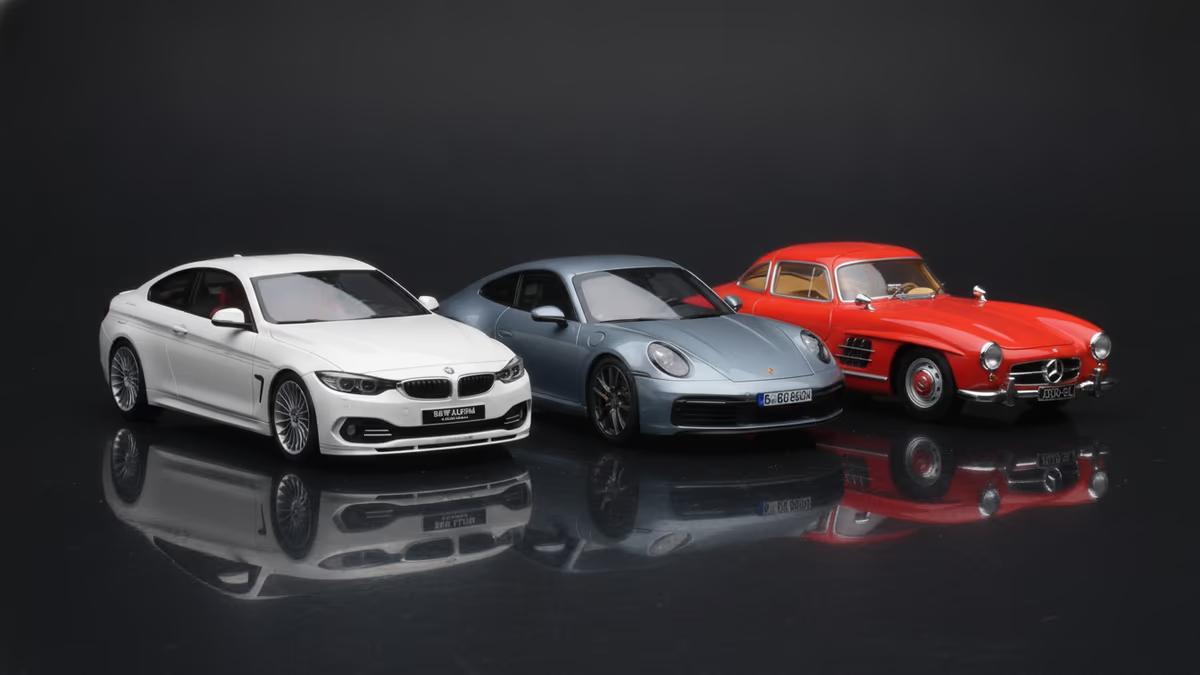
TL;DR: Diecast scale models use cast zinc alloy construction, typically with opening doors, hoods, and trunks, from Minichamps, Norev, Bburago, and AUTOart. Coverage spans vintage classics, Formula 1, supercars, and historic GT subjects at 1:18, 1:43, 1:12, and 1:24.
Diecast is where most collectors start, and for good reason. Cast zinc alloy construction delivers weight, durability, and opening features that make a model genuinely satisfying to handle, and this range covers that material across nearly every subject and scale in the catalogue.
Diecast construction uses cast zinc alloy for the body, which delivers real heft in hand and the durability to survive years of handling without the fragility that lighter materials risk. Opening doors, hoods, and trunks are the material's signature feature, letting a collector inspect engine bay and interior detail directly rather than viewing it only through molded windows. That interaction is a major part of diecast's enduring appeal, particularly for collectors who enjoy handling their pieces rather than displaying strictly behind glass.
Vintage classics, Formula 1, classic sports, and supercars all appear in diecast form across this catalogue, spanning eras from the 1980s through the 2010s. Historic GT and modern classic subjects round out the range, showing that diecast serves both accessible entry-tier collecting and more considered mid-tier releases with sharper shut lines and more refined paint finishes.
Understanding where diecast sits against resin helps set the right expectations for any given release:
Reading a specific release's construction rather than assuming from price or brand name remains the most reliable way to know what a model will deliver on the shelf.
Diecast's durability makes it a practical choice for collectors who plan to handle their models regularly, display them without a glass case, or simply want the widest possible subject coverage at accessible pricing. Many collections mix diecast for breadth with a smaller number of resin pieces reserved for subjects where surface precision matters most.
Diecast scale models use cast zinc alloy for the body, a durable metal construction that delivers genuine weight and supports opening doors, hoods, and trunks on most releases across this catalogue.
Generally yes. Cast zinc alloy withstands handling and minor impacts better than resin, which is lighter and more brittle, making diecast a practical choice for collectors who handle their models regularly rather than displaying strictly behind glass.
No. Price tracks construction quality and run size rather than material alone, and a well-finished diecast release can cost more than a mass-produced resin piece. Reading the specific release matters more than assuming from material type.
Cast metal construction supports hinges and moving parts more reliably than sealed resin, which is why opening doors, hoods, and trunks are diecast's signature feature and a major part of its appeal for hands-on collectors.