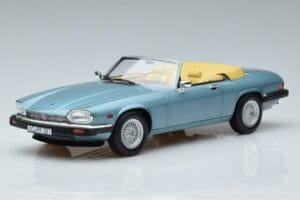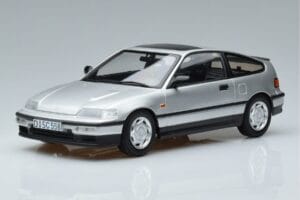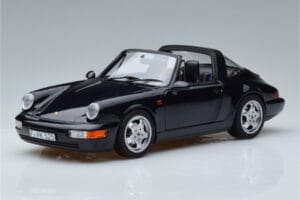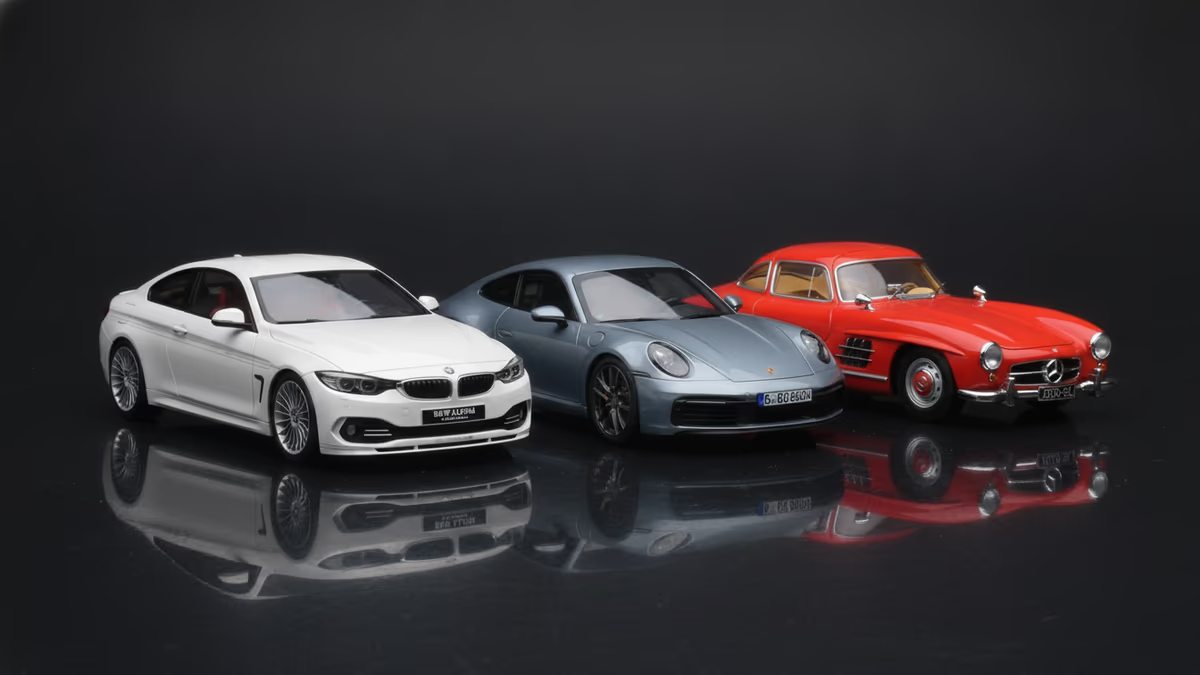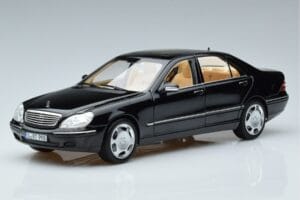
Mercedes S-Class W220 S600 Limited Edition Norev 1:18
Price:
91.00 €
This model is currently sold out. Enter your email and we'll let you know when it's back in stock.
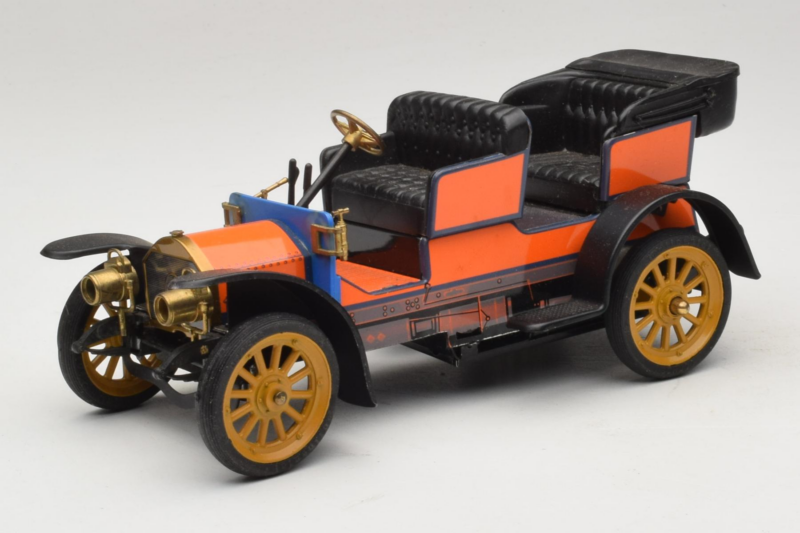
TL;DR: Schuco's 1:18 diecast Mercedes Simplex reproduces the 1902 car engineered by Wilhelm Maybach, widely credited with the first automobile proportions recognizable as a car rather than a modified carriage. A pre-war centerpiece for collectors tracing motoring's earliest decades.
Before the Simplex, most cars still looked like horse carriages with an engine bolted underneath. This one didn't, and that shift is the entire reason it still matters to collectors today.
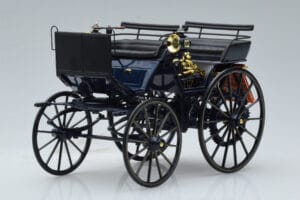
Schuco has built its reputation on precisely this kind of subject, early and often overlooked automotive history rendered with the same seriousness usually reserved for modern supercars. The Simplex's low, elongated bonnet housing a front-mounted engine, its exposed mechanical components, and its simple, minimal bodywork are all details that a mid-century diecast might have simplified away, but Schuco's 1:18 scale gives enough size to render the wire wheels, brass fittings, and open cabin with genuine texture. At 1:18 the model has real shelf presence despite the car's modest original dimensions, and the finish carries the period-correct combination of painted body and bare mechanical elements rather than a uniform modern gloss.
The Simplex earned its name because it genuinely was simpler and more integrated than the vehicles around it, and design historians point to it as the moment automotive design broke from carriage-building convention. For a pre-war collection, it functions less as a display centerpiece and more as an origin point, the model that explains why everything built after it looks the way it does. Placed at the start of a chronological automotive shelf, it gives later, more familiar cars a clear point of comparison and context they otherwise lack.