
Ferrari F512 M Red Hot Wheels 1:18
Sold out
1
/
8
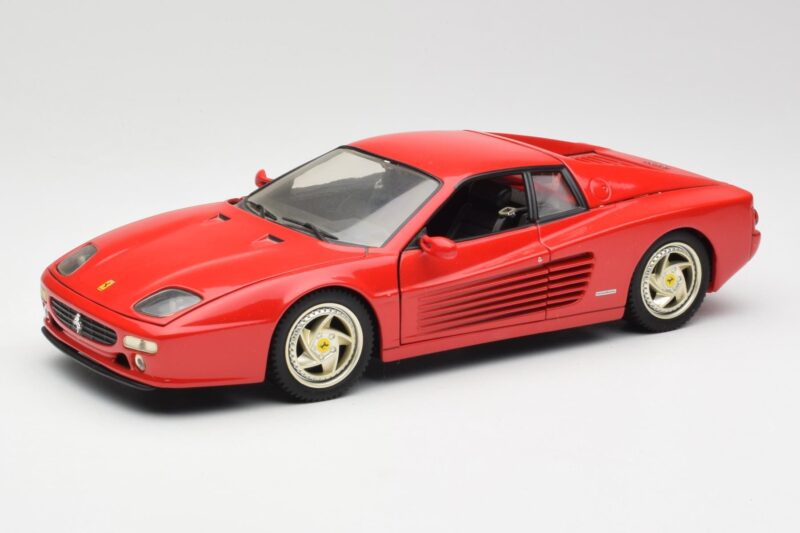
Hot Wheels' 1:18 diecast Ferrari F512 M in red reproduces the final evolution of Ferrari's Testarossa lineage, distinguished by fixed headlights and a shorter production run before the 550 Maranello arrived. An accessible entry into Ferrari flat-twelve collecting.
1 / 8
[{"index":0,"id":"1352103","thumb":"https:\/\/models118.com\/wp-content\/uploads\/2026\/06\/ferrari-f512-m-red-hot-wheels-1-18-300x200.jpg","medium":"https:\/\/models118.com\/wp-content\/uploads\/2026\/06\/ferrari-f512-m-red-hot-wheels-1-18-800x533.jpg","full":"https:\/\/models118.com\/wp-content\/uploads\/2026\/06\/ferrari-f512-m-red-hot-wheels-1-18.jpg","srcset":"https:\/\/models118.com\/wp-content\/uploads\/2026\/06\/ferrari-f512-m-red-hot-wheels-1-18-800x533.jpg 800w, https:\/\/models118.com\/wp-content\/uploads\/2026\/06\/ferrari-f512-m-red-hot-wheels-1-18-64x43.jpg 64w, https:\/\/models118.com\/wp-content\/uploads\/2026\/06\/ferrari-f512-m-red-hot-wheels-1-18-300x200.jpg 300w, https:\/\/models118.com\/wp-content\/uploads\/2026\/06\/ferrari-f512-m-red-hot-wheels-1-18.jpg 1800w","sizes":"(max-width: 1023px) 400px, 640px","srcsetAvif":"https:\/\/models118.com\/wp-content\/uploads\/2026\/06\/ferrari-f512-m-red-hot-wheels-1-18-800x533.jpg.avif 800w, https:\/\/models118.com\/wp-content\/uploads\/2026\/06\/ferrari-f512-m-red-hot-wheels-1-18-64x43.jpg.avif 64w, https:\/\/models118.com\/wp-content\/uploads\/2026\/06\/ferrari-f512-m-red-hot-wheels-1-18-300x200.jpg.avif 300w, https:\/\/models118.com\/wp-content\/uploads\/2026\/06\/ferrari-f512-m-red-hot-wheels-1-18.jpg.avif 1800w","srcsetWebp":"https:\/\/models118.com\/wp-content\/uploads\/2026\/06\/ferrari-f512-m-red-hot-wheels-1-18-800x533.jpg.webp 800w, https:\/\/models118.com\/wp-content\/uploads\/2026\/06\/ferrari-f512-m-red-hot-wheels-1-18-64x43.jpg.webp 64w, https:\/\/models118.com\/wp-content\/uploads\/2026\/06\/ferrari-f512-m-red-hot-wheels-1-18-300x200.jpg.webp 300w, https:\/\/models118.com\/wp-content\/uploads\/2026\/06\/ferrari-f512-m-red-hot-wheels-1-18.jpg.webp 1800w","alt":"Ferrari F512 M Red Hot Wheels 1:18 29758 Diecast"},{"index":1,"id":1352208,"thumb":"https:\/\/models118.com\/wp-content\/uploads\/2026\/06\/ferrari-f512-m-red-hot-wheels-1-18-1-300x200.jpg","medium":"https:\/\/models118.com\/wp-content\/uploads\/2026\/06\/ferrari-f512-m-red-hot-wheels-1-18-1-800x533.jpg","full":"https:\/\/models118.com\/wp-content\/uploads\/2026\/06\/ferrari-f512-m-red-hot-wheels-1-18-1.jpg","srcset":"https:\/\/models118.com\/wp-content\/uploads\/2026\/06\/ferrari-f512-m-red-hot-wheels-1-18-1-800x533.jpg 800w, https:\/\/models118.com\/wp-content\/uploads\/2026\/06\/ferrari-f512-m-red-hot-wheels-1-18-1-64x43.jpg 64w, https:\/\/models118.com\/wp-content\/uploads\/2026\/06\/ferrari-f512-m-red-hot-wheels-1-18-1-300x200.jpg 300w, https:\/\/models118.com\/wp-content\/uploads\/2026\/06\/ferrari-f512-m-red-hot-wheels-1-18-1.jpg 1800w","sizes":"(max-width: 1023px) 400px, 640px","srcsetAvif":"https:\/\/models118.com\/wp-content\/uploads\/2026\/06\/ferrari-f512-m-red-hot-wheels-1-18-1-800x533.jpg.avif 800w, https:\/\/models118.com\/wp-content\/uploads\/2026\/06\/ferrari-f512-m-red-hot-wheels-1-18-1-64x43.jpg.avif 64w, https:\/\/models118.com\/wp-content\/uploads\/2026\/06\/ferrari-f512-m-red-hot-wheels-1-18-1-300x200.jpg.avif 300w, https:\/\/models118.com\/wp-content\/uploads\/2026\/06\/ferrari-f512-m-red-hot-wheels-1-18-1.jpg.avif 1800w","srcsetWebp":"https:\/\/models118.com\/wp-content\/uploads\/2026\/06\/ferrari-f512-m-red-hot-wheels-1-18-1-800x533.jpg.webp 800w, https:\/\/models118.com\/wp-content\/uploads\/2026\/06\/ferrari-f512-m-red-hot-wheels-1-18-1-64x43.jpg.webp 64w, https:\/\/models118.com\/wp-content\/uploads\/2026\/06\/ferrari-f512-m-red-hot-wheels-1-18-1-300x200.jpg.webp 300w, https:\/\/models118.com\/wp-content\/uploads\/2026\/06\/ferrari-f512-m-red-hot-wheels-1-18-1.jpg.webp 1800w","alt":"Ferrari F512 M Red Hot Wheels 1:18 29758 Diecast - image 2 of 8"},{"index":2,"id":1352287,"thumb":"https:\/\/models118.com\/wp-content\/uploads\/2026\/06\/ferrari-f512-m-red-hot-wheels-1-18-2-300x200.jpg","medium":"https:\/\/models118.com\/wp-content\/uploads\/2026\/06\/ferrari-f512-m-red-hot-wheels-1-18-2-800x533.jpg","full":"https:\/\/models118.com\/wp-content\/uploads\/2026\/06\/ferrari-f512-m-red-hot-wheels-1-18-2.jpg","srcset":"https:\/\/models118.com\/wp-content\/uploads\/2026\/06\/ferrari-f512-m-red-hot-wheels-1-18-2-800x533.jpg 800w, https:\/\/models118.com\/wp-content\/uploads\/2026\/06\/ferrari-f512-m-red-hot-wheels-1-18-2-64x43.jpg 64w, https:\/\/models118.com\/wp-content\/uploads\/2026\/06\/ferrari-f512-m-red-hot-wheels-1-18-2-300x200.jpg 300w, https:\/\/models118.com\/wp-content\/uploads\/2026\/06\/ferrari-f512-m-red-hot-wheels-1-18-2.jpg 1800w","sizes":"(max-width: 1023px) 400px, 640px","srcsetAvif":"https:\/\/models118.com\/wp-content\/uploads\/2026\/06\/ferrari-f512-m-red-hot-wheels-1-18-2-800x533.jpg.avif 800w, https:\/\/models118.com\/wp-content\/uploads\/2026\/06\/ferrari-f512-m-red-hot-wheels-1-18-2-64x43.jpg.avif 64w, https:\/\/models118.com\/wp-content\/uploads\/2026\/06\/ferrari-f512-m-red-hot-wheels-1-18-2-300x200.jpg.avif 300w, https:\/\/models118.com\/wp-content\/uploads\/2026\/06\/ferrari-f512-m-red-hot-wheels-1-18-2.jpg.avif 1800w","srcsetWebp":"https:\/\/models118.com\/wp-content\/uploads\/2026\/06\/ferrari-f512-m-red-hot-wheels-1-18-2-800x533.jpg.webp 800w, https:\/\/models118.com\/wp-content\/uploads\/2026\/06\/ferrari-f512-m-red-hot-wheels-1-18-2-64x43.jpg.webp 64w, https:\/\/models118.com\/wp-content\/uploads\/2026\/06\/ferrari-f512-m-red-hot-wheels-1-18-2-300x200.jpg.webp 300w, https:\/\/models118.com\/wp-content\/uploads\/2026\/06\/ferrari-f512-m-red-hot-wheels-1-18-2.jpg.webp 1800w","alt":"Ferrari F512 M Red Hot Wheels 1:18 29758 Diecast - image 3 of 8"},{"index":3,"id":1352430,"thumb":"https:\/\/models118.com\/wp-content\/uploads\/2026\/06\/ferrari-f512-m-red-hot-wheels-1-18-3-300x200.jpg","medium":"https:\/\/models118.com\/wp-content\/uploads\/2026\/06\/ferrari-f512-m-red-hot-wheels-1-18-3-800x533.jpg","full":"https:\/\/models118.com\/wp-content\/uploads\/2026\/06\/ferrari-f512-m-red-hot-wheels-1-18-3.jpg","srcset":"https:\/\/models118.com\/wp-content\/uploads\/2026\/06\/ferrari-f512-m-red-hot-wheels-1-18-3-800x533.jpg 800w, https:\/\/models118.com\/wp-content\/uploads\/2026\/06\/ferrari-f512-m-red-hot-wheels-1-18-3-64x43.jpg 64w, https:\/\/models118.com\/wp-content\/uploads\/2026\/06\/ferrari-f512-m-red-hot-wheels-1-18-3-300x200.jpg 300w, https:\/\/models118.com\/wp-content\/uploads\/2026\/06\/ferrari-f512-m-red-hot-wheels-1-18-3.jpg 1800w","sizes":"(max-width: 1023px) 400px, 640px","srcsetAvif":"https:\/\/models118.com\/wp-content\/uploads\/2026\/06\/ferrari-f512-m-red-hot-wheels-1-18-3-800x533.jpg.avif 800w, https:\/\/models118.com\/wp-content\/uploads\/2026\/06\/ferrari-f512-m-red-hot-wheels-1-18-3-64x43.jpg.avif 64w, https:\/\/models118.com\/wp-content\/uploads\/2026\/06\/ferrari-f512-m-red-hot-wheels-1-18-3-300x200.jpg.avif 300w, https:\/\/models118.com\/wp-content\/uploads\/2026\/06\/ferrari-f512-m-red-hot-wheels-1-18-3.jpg.avif 1800w","srcsetWebp":"https:\/\/models118.com\/wp-content\/uploads\/2026\/06\/ferrari-f512-m-red-hot-wheels-1-18-3-800x533.jpg.webp 800w, https:\/\/models118.com\/wp-content\/uploads\/2026\/06\/ferrari-f512-m-red-hot-wheels-1-18-3-64x43.jpg.webp 64w, https:\/\/models118.com\/wp-content\/uploads\/2026\/06\/ferrari-f512-m-red-hot-wheels-1-18-3-300x200.jpg.webp 300w, https:\/\/models118.com\/wp-content\/uploads\/2026\/06\/ferrari-f512-m-red-hot-wheels-1-18-3.jpg.webp 1800w","alt":"Ferrari F512 M Red Hot Wheels 1:18 29758 Diecast - image 4 of 8"},{"index":4,"id":1352521,"thumb":"https:\/\/models118.com\/wp-content\/uploads\/2026\/06\/ferrari-f512-m-red-hot-wheels-1-18-4-300x200.jpg","medium":"https:\/\/models118.com\/wp-content\/uploads\/2026\/06\/ferrari-f512-m-red-hot-wheels-1-18-4-800x533.jpg","full":"https:\/\/models118.com\/wp-content\/uploads\/2026\/06\/ferrari-f512-m-red-hot-wheels-1-18-4.jpg","srcset":"https:\/\/models118.com\/wp-content\/uploads\/2026\/06\/ferrari-f512-m-red-hot-wheels-1-18-4-800x533.jpg 800w, https:\/\/models118.com\/wp-content\/uploads\/2026\/06\/ferrari-f512-m-red-hot-wheels-1-18-4-64x43.jpg 64w, https:\/\/models118.com\/wp-content\/uploads\/2026\/06\/ferrari-f512-m-red-hot-wheels-1-18-4-300x200.jpg 300w, https:\/\/models118.com\/wp-content\/uploads\/2026\/06\/ferrari-f512-m-red-hot-wheels-1-18-4.jpg 1800w","sizes":"(max-width: 1023px) 400px, 640px","srcsetAvif":"https:\/\/models118.com\/wp-content\/uploads\/2026\/06\/ferrari-f512-m-red-hot-wheels-1-18-4-800x533.jpg.avif 800w, https:\/\/models118.com\/wp-content\/uploads\/2026\/06\/ferrari-f512-m-red-hot-wheels-1-18-4-64x43.jpg.avif 64w, https:\/\/models118.com\/wp-content\/uploads\/2026\/06\/ferrari-f512-m-red-hot-wheels-1-18-4-300x200.jpg.avif 300w, https:\/\/models118.com\/wp-content\/uploads\/2026\/06\/ferrari-f512-m-red-hot-wheels-1-18-4.jpg.avif 1800w","srcsetWebp":"https:\/\/models118.com\/wp-content\/uploads\/2026\/06\/ferrari-f512-m-red-hot-wheels-1-18-4-800x533.jpg.webp 800w, https:\/\/models118.com\/wp-content\/uploads\/2026\/06\/ferrari-f512-m-red-hot-wheels-1-18-4-64x43.jpg.webp 64w, https:\/\/models118.com\/wp-content\/uploads\/2026\/06\/ferrari-f512-m-red-hot-wheels-1-18-4-300x200.jpg.webp 300w, https:\/\/models118.com\/wp-content\/uploads\/2026\/06\/ferrari-f512-m-red-hot-wheels-1-18-4.jpg.webp 1800w","alt":"Ferrari F512 M Red Hot Wheels 1:18 29758 Diecast - image 5 of 8"},{"index":5,"id":1352611,"thumb":"https:\/\/models118.com\/wp-content\/uploads\/2026\/06\/ferrari-f512-m-red-hot-wheels-1-18-5-300x200.jpg","medium":"https:\/\/models118.com\/wp-content\/uploads\/2026\/06\/ferrari-f512-m-red-hot-wheels-1-18-5-800x533.jpg","full":"https:\/\/models118.com\/wp-content\/uploads\/2026\/06\/ferrari-f512-m-red-hot-wheels-1-18-5.jpg","srcset":"https:\/\/models118.com\/wp-content\/uploads\/2026\/06\/ferrari-f512-m-red-hot-wheels-1-18-5-800x533.jpg 800w, https:\/\/models118.com\/wp-content\/uploads\/2026\/06\/ferrari-f512-m-red-hot-wheels-1-18-5-64x43.jpg 64w, https:\/\/models118.com\/wp-content\/uploads\/2026\/06\/ferrari-f512-m-red-hot-wheels-1-18-5-300x200.jpg 300w, https:\/\/models118.com\/wp-content\/uploads\/2026\/06\/ferrari-f512-m-red-hot-wheels-1-18-5.jpg 1800w","sizes":"(max-width: 1023px) 400px, 640px","srcsetAvif":"https:\/\/models118.com\/wp-content\/uploads\/2026\/06\/ferrari-f512-m-red-hot-wheels-1-18-5-800x533.jpg.avif 800w, https:\/\/models118.com\/wp-content\/uploads\/2026\/06\/ferrari-f512-m-red-hot-wheels-1-18-5-64x43.jpg.avif 64w, https:\/\/models118.com\/wp-content\/uploads\/2026\/06\/ferrari-f512-m-red-hot-wheels-1-18-5-300x200.jpg.avif 300w, https:\/\/models118.com\/wp-content\/uploads\/2026\/06\/ferrari-f512-m-red-hot-wheels-1-18-5.jpg.avif 1800w","srcsetWebp":"https:\/\/models118.com\/wp-content\/uploads\/2026\/06\/ferrari-f512-m-red-hot-wheels-1-18-5-800x533.jpg.webp 800w, https:\/\/models118.com\/wp-content\/uploads\/2026\/06\/ferrari-f512-m-red-hot-wheels-1-18-5-64x43.jpg.webp 64w, https:\/\/models118.com\/wp-content\/uploads\/2026\/06\/ferrari-f512-m-red-hot-wheels-1-18-5-300x200.jpg.webp 300w, https:\/\/models118.com\/wp-content\/uploads\/2026\/06\/ferrari-f512-m-red-hot-wheels-1-18-5.jpg.webp 1800w","alt":"Ferrari F512 M Red Hot Wheels 1:18 29758 Diecast - image 6 of 8"},{"index":6,"id":1352735,"thumb":"https:\/\/models118.com\/wp-content\/uploads\/2026\/06\/ferrari-f512-m-red-hot-wheels-1-18-6-300x200.jpg","medium":"https:\/\/models118.com\/wp-content\/uploads\/2026\/06\/ferrari-f512-m-red-hot-wheels-1-18-6-800x533.jpg","full":"https:\/\/models118.com\/wp-content\/uploads\/2026\/06\/ferrari-f512-m-red-hot-wheels-1-18-6.jpg","srcset":"https:\/\/models118.com\/wp-content\/uploads\/2026\/06\/ferrari-f512-m-red-hot-wheels-1-18-6-800x533.jpg 800w, https:\/\/models118.com\/wp-content\/uploads\/2026\/06\/ferrari-f512-m-red-hot-wheels-1-18-6-64x43.jpg 64w, https:\/\/models118.com\/wp-content\/uploads\/2026\/06\/ferrari-f512-m-red-hot-wheels-1-18-6-300x200.jpg 300w, https:\/\/models118.com\/wp-content\/uploads\/2026\/06\/ferrari-f512-m-red-hot-wheels-1-18-6.jpg 1800w","sizes":"(max-width: 1023px) 400px, 640px","srcsetAvif":"https:\/\/models118.com\/wp-content\/uploads\/2026\/06\/ferrari-f512-m-red-hot-wheels-1-18-6-800x533.jpg.avif 800w, https:\/\/models118.com\/wp-content\/uploads\/2026\/06\/ferrari-f512-m-red-hot-wheels-1-18-6-64x43.jpg.avif 64w, https:\/\/models118.com\/wp-content\/uploads\/2026\/06\/ferrari-f512-m-red-hot-wheels-1-18-6-300x200.jpg.avif 300w, https:\/\/models118.com\/wp-content\/uploads\/2026\/06\/ferrari-f512-m-red-hot-wheels-1-18-6.jpg.avif 1800w","srcsetWebp":"https:\/\/models118.com\/wp-content\/uploads\/2026\/06\/ferrari-f512-m-red-hot-wheels-1-18-6-800x533.jpg.webp 800w, https:\/\/models118.com\/wp-content\/uploads\/2026\/06\/ferrari-f512-m-red-hot-wheels-1-18-6-64x43.jpg.webp 64w, https:\/\/models118.com\/wp-content\/uploads\/2026\/06\/ferrari-f512-m-red-hot-wheels-1-18-6-300x200.jpg.webp 300w, https:\/\/models118.com\/wp-content\/uploads\/2026\/06\/ferrari-f512-m-red-hot-wheels-1-18-6.jpg.webp 1800w","alt":"Ferrari F512 M Red Hot Wheels 1:18 29758 Diecast - image 7 of 8"},{"index":7,"id":1352865,"thumb":"https:\/\/models118.com\/wp-content\/uploads\/2026\/06\/ferrari-f512-m-red-hot-wheels-1-18-7-300x200.jpg","medium":"https:\/\/models118.com\/wp-content\/uploads\/2026\/06\/ferrari-f512-m-red-hot-wheels-1-18-7-800x533.jpg","full":"https:\/\/models118.com\/wp-content\/uploads\/2026\/06\/ferrari-f512-m-red-hot-wheels-1-18-7.jpg","srcset":"https:\/\/models118.com\/wp-content\/uploads\/2026\/06\/ferrari-f512-m-red-hot-wheels-1-18-7-800x533.jpg 800w, https:\/\/models118.com\/wp-content\/uploads\/2026\/06\/ferrari-f512-m-red-hot-wheels-1-18-7-64x43.jpg 64w, https:\/\/models118.com\/wp-content\/uploads\/2026\/06\/ferrari-f512-m-red-hot-wheels-1-18-7-300x200.jpg 300w, https:\/\/models118.com\/wp-content\/uploads\/2026\/06\/ferrari-f512-m-red-hot-wheels-1-18-7.jpg 1800w","sizes":"(max-width: 1023px) 400px, 640px","srcsetAvif":"https:\/\/models118.com\/wp-content\/uploads\/2026\/06\/ferrari-f512-m-red-hot-wheels-1-18-7-800x533.jpg.avif 800w, https:\/\/models118.com\/wp-content\/uploads\/2026\/06\/ferrari-f512-m-red-hot-wheels-1-18-7-64x43.jpg.avif 64w, https:\/\/models118.com\/wp-content\/uploads\/2026\/06\/ferrari-f512-m-red-hot-wheels-1-18-7-300x200.jpg.avif 300w, https:\/\/models118.com\/wp-content\/uploads\/2026\/06\/ferrari-f512-m-red-hot-wheels-1-18-7.jpg.avif 1800w","srcsetWebp":"https:\/\/models118.com\/wp-content\/uploads\/2026\/06\/ferrari-f512-m-red-hot-wheels-1-18-7-800x533.jpg.webp 800w, https:\/\/models118.com\/wp-content\/uploads\/2026\/06\/ferrari-f512-m-red-hot-wheels-1-18-7-64x43.jpg.webp 64w, https:\/\/models118.com\/wp-content\/uploads\/2026\/06\/ferrari-f512-m-red-hot-wheels-1-18-7-300x200.jpg.webp 300w, https:\/\/models118.com\/wp-content\/uploads\/2026\/06\/ferrari-f512-m-red-hot-wheels-1-18-7.jpg.webp 1800w","alt":"Ferrari F512 M Red Hot Wheels 1:18 29758 Diecast - image 8 of 8"}]
Ferrari F512 M Red Hot Wheels 1:18
Current price:
86.00 €
Sold out
This model is currently sold out. Enter your email and we'll let you know when it's back in stock.
Shipping to 78 countries
Worldwide delivery
Prices incl. 23% VAT
No hidden costs
Shipping rates by country
Tracked & insured
Pay in EUR €
Local currency
Specifications
- Brand
- Ferrari
- Manufacturer
- Hot Wheels
- Scale
- 1:18
- Material
- Diecast
- Model Condition
- Used Model
- SKU
- 29758
100% authentic
5-layer carton
Foam-filled interior
Easy returns
14 days, no questions asked
Secure payment
256-bit SSL encryption
About the Ferrari F512 M Red Hot Wheels 1:18
TL;DR: Hot Wheels' 1:18 diecast Ferrari F512 M in red reproduces the final evolution of the Testarossa lineage, running from 1994 with fixed headlights replacing the earlier pop-up design. Diecast construction and accessible pricing suit a broad Ferrari flat-twelve collection.
The F512 M closed out a design lineage that started with the original Testarossa a decade earlier, and it did so by changing the one detail longtime fans noticed immediately.
Hot Wheels' Diecast Approach to the F512 M
Red paint across the F512 M's wide, strake-sided bodywork lets the diecast tooling show off the car's signature side intakes clearly, a detail that defined the entire Testarossa lineage's visual identity. Fixed headlights, replacing the earlier pop-up units, give the nose a cleaner profile that Hot Wheels' diecast reproduces without the mechanical complexity a pop-up feature would require. Panel gaps and interior detail sit at an accessible, mass-market standard rather than premium resin precision, a fair trade for a price point that lets newer collectors add a genuine flat-twelve Ferrari shape to their shelf without hero-piece spending.
The Last Chapter Before the Maranello Era
Arriving in 1994, the F512 M represented Ferrari's final update to a body style that had defined the brand's flagship look since the original Testarossa's debut a decade before, and it stayed in production only a short time before the front-engined 550 Maranello replaced it entirely, closing out the mid-engine flat-twelve format for Ferrari's range-topping cars. That short window makes the F512 M a genuine endpoint rather than just another variant, a car built to say goodbye to a specific era of Ferrari design. For a collector tracing that lineage from its origin to its final form, this model marks the closing chapter.
From the same collection
Last one
Used
Last one
Used

Last one
Back in stock

Ferrari 250 GTO #1 P. Rodriguez / W. Mairesse Paris 1000km 1962 CMC 1:18
Only 4 left
Price:
626.00 €


Collectors also bought
Browse all 1:18
Used

Last one
Used
Last one
Used

Used

Last one
Used

Last one
Used

Last one
Used

Used
Recently viewed
{"id":1352929,"name":"Ferrari F512 M Red Hot Wheels 1:18","price":"86.00 €<\/span><\/bdi><\/span>","image":"https:\/\/models118.com\/wp-content\/uploads\/2026\/06\/ferrari-f512-m-red-hot-wheels-1-18-400x400.jpg","permalink":"https:\/\/models118.com\/ferrari-f512-m-red-hot-wheels-1-18-29758\/","brand":"Ferrari"}