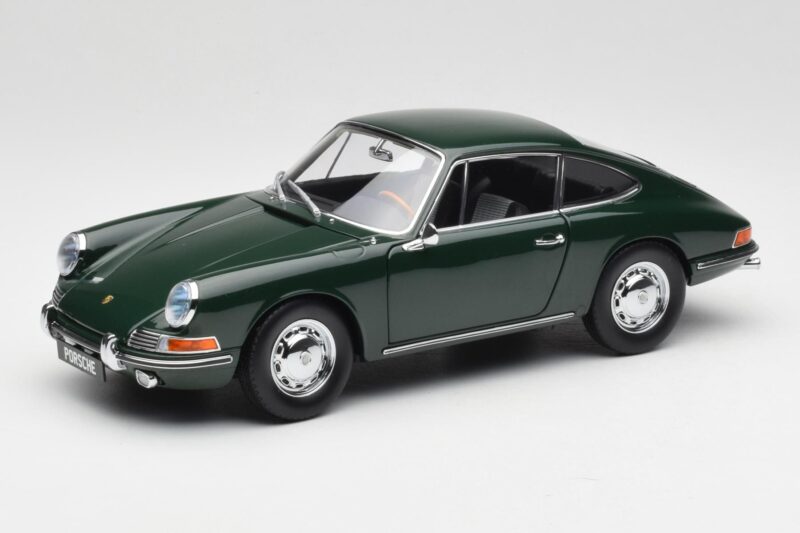
Porsche 911 901 Irish Green Kyosho 1:18
Sold out
1
/
8
Kyosho's 1:18 diecast Porsche 911 901 in Irish green reproduces the original 1963 body Porsche sold before renaming the car from Type 901 to 911 under pressure from Peugeot's trademark claim. This uncommon green suits the car's rounded lines differently than the brighter colorways more often seen on early 911s, and opening doors reveal Kyosho's mapped early cabin with its narrow five-gauge dashboard. A distinctive second colorway for collectors building an early 911 timeline.
1 / 8
[{"index":0,"id":"527272","thumb":"https:\/\/models118.com\/wp-content\/uploads\/2026\/06\/porsche-911-901-irish-green-kyosho-1-18-300x200.jpg","medium":"https:\/\/models118.com\/wp-content\/uploads\/2026\/06\/porsche-911-901-irish-green-kyosho-1-18-800x533.jpg","full":"https:\/\/models118.com\/wp-content\/uploads\/2026\/06\/porsche-911-901-irish-green-kyosho-1-18.jpg","srcset":"https:\/\/models118.com\/wp-content\/uploads\/2026\/06\/porsche-911-901-irish-green-kyosho-1-18-800x533.jpg 800w, https:\/\/models118.com\/wp-content\/uploads\/2026\/06\/porsche-911-901-irish-green-kyosho-1-18-64x43.jpg 64w, https:\/\/models118.com\/wp-content\/uploads\/2026\/06\/porsche-911-901-irish-green-kyosho-1-18-300x200.jpg 300w, https:\/\/models118.com\/wp-content\/uploads\/2026\/06\/porsche-911-901-irish-green-kyosho-1-18.jpg 1800w","sizes":"(max-width: 1023px) 400px, 640px","srcsetAvif":"https:\/\/models118.com\/wp-content\/uploads\/2026\/06\/porsche-911-901-irish-green-kyosho-1-18-800x533.jpg.avif 800w, https:\/\/models118.com\/wp-content\/uploads\/2026\/06\/porsche-911-901-irish-green-kyosho-1-18-64x43.jpg.avif 64w, https:\/\/models118.com\/wp-content\/uploads\/2026\/06\/porsche-911-901-irish-green-kyosho-1-18-300x200.jpg.avif 300w, https:\/\/models118.com\/wp-content\/uploads\/2026\/06\/porsche-911-901-irish-green-kyosho-1-18.jpg.avif 1800w","srcsetWebp":"https:\/\/models118.com\/wp-content\/uploads\/2026\/06\/porsche-911-901-irish-green-kyosho-1-18-800x533.jpg.webp 800w, https:\/\/models118.com\/wp-content\/uploads\/2026\/06\/porsche-911-901-irish-green-kyosho-1-18-64x43.jpg.webp 64w, https:\/\/models118.com\/wp-content\/uploads\/2026\/06\/porsche-911-901-irish-green-kyosho-1-18-300x200.jpg.webp 300w, https:\/\/models118.com\/wp-content\/uploads\/2026\/06\/porsche-911-901-irish-green-kyosho-1-18.jpg.webp 1800w","alt":"Porsche 911 901 Irish Green Kyosho 1:18 08969G Diecast"},{"index":1,"id":527394,"thumb":"https:\/\/models118.com\/wp-content\/uploads\/2026\/06\/porsche-911-901-irish-green-kyosho-1-18-1-300x200.jpg","medium":"https:\/\/models118.com\/wp-content\/uploads\/2026\/06\/porsche-911-901-irish-green-kyosho-1-18-1-800x533.jpg","full":"https:\/\/models118.com\/wp-content\/uploads\/2026\/06\/porsche-911-901-irish-green-kyosho-1-18-1.jpg","srcset":"https:\/\/models118.com\/wp-content\/uploads\/2026\/06\/porsche-911-901-irish-green-kyosho-1-18-1-800x533.jpg 800w, https:\/\/models118.com\/wp-content\/uploads\/2026\/06\/porsche-911-901-irish-green-kyosho-1-18-1-64x43.jpg 64w, https:\/\/models118.com\/wp-content\/uploads\/2026\/06\/porsche-911-901-irish-green-kyosho-1-18-1-300x200.jpg 300w, https:\/\/models118.com\/wp-content\/uploads\/2026\/06\/porsche-911-901-irish-green-kyosho-1-18-1.jpg 1800w","sizes":"(max-width: 1023px) 400px, 640px","srcsetAvif":"https:\/\/models118.com\/wp-content\/uploads\/2026\/06\/porsche-911-901-irish-green-kyosho-1-18-1-800x533.jpg.avif 800w, https:\/\/models118.com\/wp-content\/uploads\/2026\/06\/porsche-911-901-irish-green-kyosho-1-18-1-64x43.jpg.avif 64w, https:\/\/models118.com\/wp-content\/uploads\/2026\/06\/porsche-911-901-irish-green-kyosho-1-18-1-300x200.jpg.avif 300w, https:\/\/models118.com\/wp-content\/uploads\/2026\/06\/porsche-911-901-irish-green-kyosho-1-18-1.jpg.avif 1800w","srcsetWebp":"https:\/\/models118.com\/wp-content\/uploads\/2026\/06\/porsche-911-901-irish-green-kyosho-1-18-1-800x533.jpg.webp 800w, https:\/\/models118.com\/wp-content\/uploads\/2026\/06\/porsche-911-901-irish-green-kyosho-1-18-1-64x43.jpg.webp 64w, https:\/\/models118.com\/wp-content\/uploads\/2026\/06\/porsche-911-901-irish-green-kyosho-1-18-1-300x200.jpg.webp 300w, https:\/\/models118.com\/wp-content\/uploads\/2026\/06\/porsche-911-901-irish-green-kyosho-1-18-1.jpg.webp 1800w","alt":"Porsche 911 901 Irish Green Kyosho 1:18 08969G Diecast - image 2 of 8"},{"index":2,"id":527516,"thumb":"https:\/\/models118.com\/wp-content\/uploads\/2026\/06\/porsche-911-901-irish-green-kyosho-1-18-2-300x200.jpg","medium":"https:\/\/models118.com\/wp-content\/uploads\/2026\/06\/porsche-911-901-irish-green-kyosho-1-18-2-800x533.jpg","full":"https:\/\/models118.com\/wp-content\/uploads\/2026\/06\/porsche-911-901-irish-green-kyosho-1-18-2.jpg","srcset":"https:\/\/models118.com\/wp-content\/uploads\/2026\/06\/porsche-911-901-irish-green-kyosho-1-18-2-800x533.jpg 800w, https:\/\/models118.com\/wp-content\/uploads\/2026\/06\/porsche-911-901-irish-green-kyosho-1-18-2-64x43.jpg 64w, https:\/\/models118.com\/wp-content\/uploads\/2026\/06\/porsche-911-901-irish-green-kyosho-1-18-2-300x200.jpg 300w, https:\/\/models118.com\/wp-content\/uploads\/2026\/06\/porsche-911-901-irish-green-kyosho-1-18-2.jpg 1800w","sizes":"(max-width: 1023px) 400px, 640px","srcsetAvif":"https:\/\/models118.com\/wp-content\/uploads\/2026\/06\/porsche-911-901-irish-green-kyosho-1-18-2-800x533.jpg.avif 800w, https:\/\/models118.com\/wp-content\/uploads\/2026\/06\/porsche-911-901-irish-green-kyosho-1-18-2-64x43.jpg.avif 64w, https:\/\/models118.com\/wp-content\/uploads\/2026\/06\/porsche-911-901-irish-green-kyosho-1-18-2-300x200.jpg.avif 300w, https:\/\/models118.com\/wp-content\/uploads\/2026\/06\/porsche-911-901-irish-green-kyosho-1-18-2.jpg.avif 1800w","srcsetWebp":"https:\/\/models118.com\/wp-content\/uploads\/2026\/06\/porsche-911-901-irish-green-kyosho-1-18-2-800x533.jpg.webp 800w, https:\/\/models118.com\/wp-content\/uploads\/2026\/06\/porsche-911-901-irish-green-kyosho-1-18-2-64x43.jpg.webp 64w, https:\/\/models118.com\/wp-content\/uploads\/2026\/06\/porsche-911-901-irish-green-kyosho-1-18-2-300x200.jpg.webp 300w, https:\/\/models118.com\/wp-content\/uploads\/2026\/06\/porsche-911-901-irish-green-kyosho-1-18-2.jpg.webp 1800w","alt":"Porsche 911 901 Irish Green Kyosho 1:18 08969G Diecast - image 3 of 8"},{"index":3,"id":527577,"thumb":"https:\/\/models118.com\/wp-content\/uploads\/2026\/06\/porsche-911-901-irish-green-kyosho-1-18-3-300x200.jpg","medium":"https:\/\/models118.com\/wp-content\/uploads\/2026\/06\/porsche-911-901-irish-green-kyosho-1-18-3-800x533.jpg","full":"https:\/\/models118.com\/wp-content\/uploads\/2026\/06\/porsche-911-901-irish-green-kyosho-1-18-3.jpg","srcset":"https:\/\/models118.com\/wp-content\/uploads\/2026\/06\/porsche-911-901-irish-green-kyosho-1-18-3-800x533.jpg 800w, https:\/\/models118.com\/wp-content\/uploads\/2026\/06\/porsche-911-901-irish-green-kyosho-1-18-3-64x43.jpg 64w, https:\/\/models118.com\/wp-content\/uploads\/2026\/06\/porsche-911-901-irish-green-kyosho-1-18-3-300x200.jpg 300w, https:\/\/models118.com\/wp-content\/uploads\/2026\/06\/porsche-911-901-irish-green-kyosho-1-18-3.jpg 1800w","sizes":"(max-width: 1023px) 400px, 640px","srcsetAvif":"https:\/\/models118.com\/wp-content\/uploads\/2026\/06\/porsche-911-901-irish-green-kyosho-1-18-3-800x533.jpg.avif 800w, https:\/\/models118.com\/wp-content\/uploads\/2026\/06\/porsche-911-901-irish-green-kyosho-1-18-3-64x43.jpg.avif 64w, https:\/\/models118.com\/wp-content\/uploads\/2026\/06\/porsche-911-901-irish-green-kyosho-1-18-3-300x200.jpg.avif 300w, https:\/\/models118.com\/wp-content\/uploads\/2026\/06\/porsche-911-901-irish-green-kyosho-1-18-3.jpg.avif 1800w","srcsetWebp":"https:\/\/models118.com\/wp-content\/uploads\/2026\/06\/porsche-911-901-irish-green-kyosho-1-18-3-800x533.jpg.webp 800w, https:\/\/models118.com\/wp-content\/uploads\/2026\/06\/porsche-911-901-irish-green-kyosho-1-18-3-64x43.jpg.webp 64w, https:\/\/models118.com\/wp-content\/uploads\/2026\/06\/porsche-911-901-irish-green-kyosho-1-18-3-300x200.jpg.webp 300w, https:\/\/models118.com\/wp-content\/uploads\/2026\/06\/porsche-911-901-irish-green-kyosho-1-18-3.jpg.webp 1800w","alt":"Porsche 911 901 Irish Green Kyosho 1:18 08969G Diecast - image 4 of 8"},{"index":4,"id":527703,"thumb":"https:\/\/models118.com\/wp-content\/uploads\/2026\/06\/porsche-911-901-irish-green-kyosho-1-18-4-300x200.jpg","medium":"https:\/\/models118.com\/wp-content\/uploads\/2026\/06\/porsche-911-901-irish-green-kyosho-1-18-4-800x533.jpg","full":"https:\/\/models118.com\/wp-content\/uploads\/2026\/06\/porsche-911-901-irish-green-kyosho-1-18-4.jpg","srcset":"https:\/\/models118.com\/wp-content\/uploads\/2026\/06\/porsche-911-901-irish-green-kyosho-1-18-4-800x533.jpg 800w, https:\/\/models118.com\/wp-content\/uploads\/2026\/06\/porsche-911-901-irish-green-kyosho-1-18-4-64x43.jpg 64w, https:\/\/models118.com\/wp-content\/uploads\/2026\/06\/porsche-911-901-irish-green-kyosho-1-18-4-300x200.jpg 300w, https:\/\/models118.com\/wp-content\/uploads\/2026\/06\/porsche-911-901-irish-green-kyosho-1-18-4.jpg 1800w","sizes":"(max-width: 1023px) 400px, 640px","srcsetAvif":"https:\/\/models118.com\/wp-content\/uploads\/2026\/06\/porsche-911-901-irish-green-kyosho-1-18-4-800x533.jpg.avif 800w, https:\/\/models118.com\/wp-content\/uploads\/2026\/06\/porsche-911-901-irish-green-kyosho-1-18-4-64x43.jpg.avif 64w, https:\/\/models118.com\/wp-content\/uploads\/2026\/06\/porsche-911-901-irish-green-kyosho-1-18-4-300x200.jpg.avif 300w, https:\/\/models118.com\/wp-content\/uploads\/2026\/06\/porsche-911-901-irish-green-kyosho-1-18-4.jpg.avif 1800w","srcsetWebp":"https:\/\/models118.com\/wp-content\/uploads\/2026\/06\/porsche-911-901-irish-green-kyosho-1-18-4-800x533.jpg.webp 800w, https:\/\/models118.com\/wp-content\/uploads\/2026\/06\/porsche-911-901-irish-green-kyosho-1-18-4-64x43.jpg.webp 64w, https:\/\/models118.com\/wp-content\/uploads\/2026\/06\/porsche-911-901-irish-green-kyosho-1-18-4-300x200.jpg.webp 300w, https:\/\/models118.com\/wp-content\/uploads\/2026\/06\/porsche-911-901-irish-green-kyosho-1-18-4.jpg.webp 1800w","alt":"Porsche 911 901 Irish Green Kyosho 1:18 08969G Diecast - image 5 of 8"},{"index":5,"id":527827,"thumb":"https:\/\/models118.com\/wp-content\/uploads\/2026\/06\/porsche-911-901-irish-green-kyosho-1-18-5-300x200.jpg","medium":"https:\/\/models118.com\/wp-content\/uploads\/2026\/06\/porsche-911-901-irish-green-kyosho-1-18-5-800x533.jpg","full":"https:\/\/models118.com\/wp-content\/uploads\/2026\/06\/porsche-911-901-irish-green-kyosho-1-18-5.jpg","srcset":"https:\/\/models118.com\/wp-content\/uploads\/2026\/06\/porsche-911-901-irish-green-kyosho-1-18-5-800x533.jpg 800w, https:\/\/models118.com\/wp-content\/uploads\/2026\/06\/porsche-911-901-irish-green-kyosho-1-18-5-64x43.jpg 64w, https:\/\/models118.com\/wp-content\/uploads\/2026\/06\/porsche-911-901-irish-green-kyosho-1-18-5-300x200.jpg 300w, https:\/\/models118.com\/wp-content\/uploads\/2026\/06\/porsche-911-901-irish-green-kyosho-1-18-5.jpg 1800w","sizes":"(max-width: 1023px) 400px, 640px","srcsetAvif":"https:\/\/models118.com\/wp-content\/uploads\/2026\/06\/porsche-911-901-irish-green-kyosho-1-18-5-800x533.jpg.avif 800w, https:\/\/models118.com\/wp-content\/uploads\/2026\/06\/porsche-911-901-irish-green-kyosho-1-18-5-64x43.jpg.avif 64w, https:\/\/models118.com\/wp-content\/uploads\/2026\/06\/porsche-911-901-irish-green-kyosho-1-18-5-300x200.jpg.avif 300w, https:\/\/models118.com\/wp-content\/uploads\/2026\/06\/porsche-911-901-irish-green-kyosho-1-18-5.jpg.avif 1800w","srcsetWebp":"https:\/\/models118.com\/wp-content\/uploads\/2026\/06\/porsche-911-901-irish-green-kyosho-1-18-5-800x533.jpg.webp 800w, https:\/\/models118.com\/wp-content\/uploads\/2026\/06\/porsche-911-901-irish-green-kyosho-1-18-5-64x43.jpg.webp 64w, https:\/\/models118.com\/wp-content\/uploads\/2026\/06\/porsche-911-901-irish-green-kyosho-1-18-5-300x200.jpg.webp 300w, https:\/\/models118.com\/wp-content\/uploads\/2026\/06\/porsche-911-901-irish-green-kyosho-1-18-5.jpg.webp 1800w","alt":"Porsche 911 901 Irish Green Kyosho 1:18 08969G Diecast - image 6 of 8"},{"index":6,"id":527931,"thumb":"https:\/\/models118.com\/wp-content\/uploads\/2026\/06\/porsche-911-901-irish-green-kyosho-1-18-6-300x200.jpg","medium":"https:\/\/models118.com\/wp-content\/uploads\/2026\/06\/porsche-911-901-irish-green-kyosho-1-18-6-800x533.jpg","full":"https:\/\/models118.com\/wp-content\/uploads\/2026\/06\/porsche-911-901-irish-green-kyosho-1-18-6.jpg","srcset":"https:\/\/models118.com\/wp-content\/uploads\/2026\/06\/porsche-911-901-irish-green-kyosho-1-18-6-800x533.jpg 800w, https:\/\/models118.com\/wp-content\/uploads\/2026\/06\/porsche-911-901-irish-green-kyosho-1-18-6-64x43.jpg 64w, https:\/\/models118.com\/wp-content\/uploads\/2026\/06\/porsche-911-901-irish-green-kyosho-1-18-6-300x200.jpg 300w, https:\/\/models118.com\/wp-content\/uploads\/2026\/06\/porsche-911-901-irish-green-kyosho-1-18-6.jpg 1800w","sizes":"(max-width: 1023px) 400px, 640px","srcsetAvif":"https:\/\/models118.com\/wp-content\/uploads\/2026\/06\/porsche-911-901-irish-green-kyosho-1-18-6-800x533.jpg.avif 800w, https:\/\/models118.com\/wp-content\/uploads\/2026\/06\/porsche-911-901-irish-green-kyosho-1-18-6-64x43.jpg.avif 64w, https:\/\/models118.com\/wp-content\/uploads\/2026\/06\/porsche-911-901-irish-green-kyosho-1-18-6-300x200.jpg.avif 300w, https:\/\/models118.com\/wp-content\/uploads\/2026\/06\/porsche-911-901-irish-green-kyosho-1-18-6.jpg.avif 1800w","srcsetWebp":"https:\/\/models118.com\/wp-content\/uploads\/2026\/06\/porsche-911-901-irish-green-kyosho-1-18-6-800x533.jpg.webp 800w, https:\/\/models118.com\/wp-content\/uploads\/2026\/06\/porsche-911-901-irish-green-kyosho-1-18-6-64x43.jpg.webp 64w, https:\/\/models118.com\/wp-content\/uploads\/2026\/06\/porsche-911-901-irish-green-kyosho-1-18-6-300x200.jpg.webp 300w, https:\/\/models118.com\/wp-content\/uploads\/2026\/06\/porsche-911-901-irish-green-kyosho-1-18-6.jpg.webp 1800w","alt":"Porsche 911 901 Irish Green Kyosho 1:18 08969G Diecast - image 7 of 8"},{"index":7,"id":528032,"thumb":"https:\/\/models118.com\/wp-content\/uploads\/2026\/06\/porsche-911-901-irish-green-kyosho-1-18-7-300x200.jpg","medium":"https:\/\/models118.com\/wp-content\/uploads\/2026\/06\/porsche-911-901-irish-green-kyosho-1-18-7-800x533.jpg","full":"https:\/\/models118.com\/wp-content\/uploads\/2026\/06\/porsche-911-901-irish-green-kyosho-1-18-7.jpg","srcset":"https:\/\/models118.com\/wp-content\/uploads\/2026\/06\/porsche-911-901-irish-green-kyosho-1-18-7-800x533.jpg 800w, https:\/\/models118.com\/wp-content\/uploads\/2026\/06\/porsche-911-901-irish-green-kyosho-1-18-7-64x43.jpg 64w, https:\/\/models118.com\/wp-content\/uploads\/2026\/06\/porsche-911-901-irish-green-kyosho-1-18-7-300x200.jpg 300w, https:\/\/models118.com\/wp-content\/uploads\/2026\/06\/porsche-911-901-irish-green-kyosho-1-18-7.jpg 1800w","sizes":"(max-width: 1023px) 400px, 640px","srcsetAvif":"https:\/\/models118.com\/wp-content\/uploads\/2026\/06\/porsche-911-901-irish-green-kyosho-1-18-7-800x533.jpg.avif 800w, https:\/\/models118.com\/wp-content\/uploads\/2026\/06\/porsche-911-901-irish-green-kyosho-1-18-7-64x43.jpg.avif 64w, https:\/\/models118.com\/wp-content\/uploads\/2026\/06\/porsche-911-901-irish-green-kyosho-1-18-7-300x200.jpg.avif 300w, https:\/\/models118.com\/wp-content\/uploads\/2026\/06\/porsche-911-901-irish-green-kyosho-1-18-7.jpg.avif 1800w","srcsetWebp":"https:\/\/models118.com\/wp-content\/uploads\/2026\/06\/porsche-911-901-irish-green-kyosho-1-18-7-800x533.jpg.webp 800w, https:\/\/models118.com\/wp-content\/uploads\/2026\/06\/porsche-911-901-irish-green-kyosho-1-18-7-64x43.jpg.webp 64w, https:\/\/models118.com\/wp-content\/uploads\/2026\/06\/porsche-911-901-irish-green-kyosho-1-18-7-300x200.jpg.webp 300w, https:\/\/models118.com\/wp-content\/uploads\/2026\/06\/porsche-911-901-irish-green-kyosho-1-18-7.jpg.webp 1800w","alt":"Porsche 911 901 Irish Green Kyosho 1:18 08969G Diecast - image 8 of 8"}]
Porsche 911 901 Irish Green Kyosho 1:18
Current price:
229.00 €
Sold out
This model is currently sold out. Enter your email and we'll let you know when it's back in stock.
Shipping to 78 countries
Worldwide delivery
Prices incl. 23% VAT
No hidden costs
Shipping rates by country
Tracked & insured
Pay in EUR €
Local currency
100% authentic
Direct from manufacturers
5-layer carton
Foam-filled interior
Easy returns
14 days, no questions asked
Secure payment
256-bit SSL encryption
About the Porsche 911 901 Irish Green Kyosho 1:18
TL;DR: Kyosho's 1:18 diecast Porsche 911 901 reproduces the 1963 original in Irish green, an uncommon colorway for the car Porsche renamed from Type 901 to 911 under Peugeot trademark pressure. Opening doors, a mapped early cabin, and correct narrow-body proportions make this a distinctive companion to more common early 911 colors.
Green was never the obvious choice for an early 911, which makes this Irish green Kyosho replica stand out against the reds and silvers collectors usually associate with the car's first years on the road.
Kyosho's 901-Era 911 in an Uncommon Green
The Renaming from 901 to 911
Porsche's earliest production sports cars carried the internal project number 901, badged as such when the car debuted in 1963. Peugeot's existing claim over three-digit names with a central zero forced a quick change, and Porsche settled on 911 before the car reached significant numbers of customers. Kyosho's replica reproduces that original, slim-bumper body from before the rename mattered to anyone outside the factory.
Build Quality and Panel Gaps
The zinc alloy body carries real weight for its size, and the doors, hood, and rear lid open on metal hinges without the looseness that develops on lower-grade diecast after repeated handling. Panel gaps stay narrow and even around the front trunk lid and doors, a detail that shows more readily on the 901's slim, rounded shape than it would on a bulkier modern car. That consistency across the body's curves is where a mid-tier Kyosho earns its keep against cheaper early-911 castings.
Irish Green and Early Chrome Detailing
Paint Depth and Badge Work
The green carries a muted, slightly cool cast that reads differently under changing light than the warmer champagne or red tones more commonly seen on this subject, giving the model a distinct identity on a shelf of early Porsches. Chrome window surrounds, bumper overriders, and the Porsche crest on the hood are finished brightly and applied with clean registration, small details that matter on a car with so little ornamentation to begin with.
Cabin Layout and Seats
Inside, the narrow five-gauge dashboard that defined the first 911s is molded with legible dial faces, and the thin, upright bucket seats hold the correct period angle rather than a more reclined modern posture. The wood-rimmed steering wheel is represented with a visible grain texture rather than a smooth loop, a small touch that helps sell the cabin's period accuracy.
Diecast Weight and Fidelity Checks for an Early 911
Picking this model up, the zinc alloy construction gives it noticeably more heft than a resin casting at the same scale, part of what makes an opening-door diecast feel substantial rather than hollow in the hand. At this price point, expect accurate proportions and correctly opening panels over the ultra-fine paint depth a sealed resin piece commands at a higher tier. The 1:18 scale earns its place with a subject this small in real life, since the narrow chrome bumpers and slim window surrounds need real size to read clearly rather than blur into the body color. Comparing this green example directly against a champagne-yellow casting of the same body is also a useful way to see how differently two colors can read on identical panel lines. Checking headlight angle, bumper narrowness, and the rear engine grille's shape against period photographs is the fastest way to judge fidelity.
A Second Color for an Early 911 Display
At roughly 21 centimeters long, this green example sits easily alongside a champagne or red example of the same casting, and building a small run of colorways on one early 911 is a common way collectors explore how factory color choices shaped a single, otherwise identical body. Displayed next to a later G-series or modern 911, this 901-era green car also demonstrates just how little the silhouette changed at its core across six decades. Pairing multiple colorways of the same early 911 casting is also a straightforward way to see how differently identical panel lines read under different factory finishes.
From the same collection
Last one
Used
Last one
Used
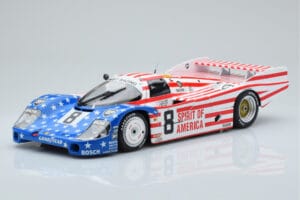
Porsche 956L Spirit of America #8 G. Follmer / J. Morton / K. Miller 24 Hours of Le Mans 1986 Minichamps 1:18
Only 1 left
Price:
119.00 €
Used
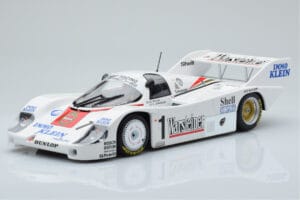
Porsche 956K Warsteiner #1 B. Wollek / S. Johansson DRM Zolder Winner 1983 Minichamps 1:18
Only 2 left
Price:
90.00 €
Last one
Used

Porsche 911 991.2 GT3 R #69 Team Iron Force Racing Ring Police L. Luhr / M. Holzer ADAC GT Masters 2019 Minichamps 1:18
Only 1 left
Price:
113.00 €
Last one
Used
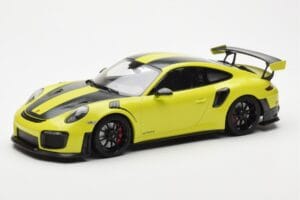
Porsche 911 991.2 GT2 RS Light Green With Black Magnesium Wheels Minichamps 1:18
Only 1 left
Price:
161.00 €
Collectors also bought
Browse all 1:18
Last one
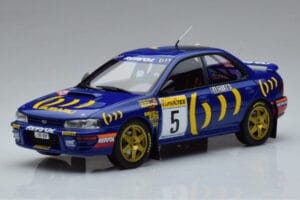
Subaru Impreza #5 C. Sainz / L. Moya 2nd Place Rally Monte Carlo 1995 Kyosho 1:18
Only 1 left
Price:
252.00 €
Last one
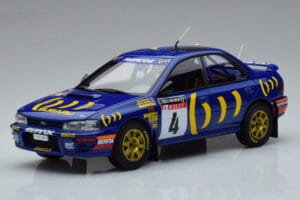
Subaru Impreza #4 C. McRae / D. Ringer Winner RAC Rally 1994 Kyosho 1:18
Only 1 left
Price:
252.00 €
Last one

Toyota Celica GT-Four ST165 #3 B. Waldegard / F. Gallagher Winner Safari Rally 1990 Kyosho 1:18
Only 1 left
Price:
252.00 €
Last one
Back in stock
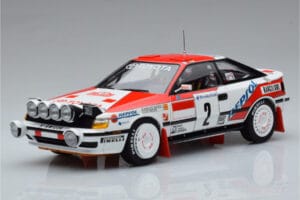
Toyota Celica GT-Four ST165 #2 C. Sainz / L. Moya Winner Rally Monte Carlo 1991 Kyosho 1:18
Only 1 left
Price:
252.00 €
Last one
Back in stock
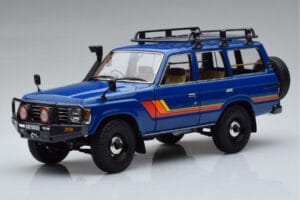
Last one
Back in stock

Last one
Recently viewed
{"id":528147,"name":"Porsche 911 901 Irish Green Kyosho 1:18","price":"229.00 €<\/span><\/bdi><\/span>","image":"https:\/\/models118.com\/wp-content\/uploads\/2026\/06\/porsche-911-901-irish-green-kyosho-1-18-400x400.jpg","permalink":"https:\/\/models118.com\/porsche-911-901-irish-green-kyosho-1-18-08969g\/","brand":"Porsche"}