Last one
Used


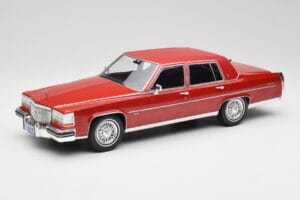
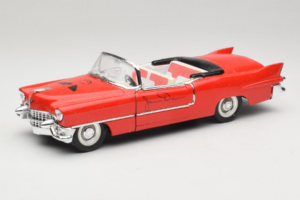
TL;DR: Solido's 1:18 diecast 1955 Cadillac Cabriolet in red evokes the full-size, chrome-heavy American convertibles associated with mid-1950s Hollywood style, the era James Dean helped define on screen. Solido's diecast construction gives the long hood and open top real presence on a display shelf.
A 1955 Cadillac Cabriolet carries the full weight of postwar American automotive optimism, chrome, length, and open-air presence in equal measure.
Solido has produced diecast since the 1930s, and that long institutional history shows in how confidently the brand handles a subject this large. Mid-1950s Cadillacs were built to project scale, long hoods, sweeping fenders, and generous chrome trim, and at 1:18 that translates into a model that commands more shelf length than a modern coupe. The red finish suits the era's bold, unapologetic color choices far better than a subdued modern palette would, and the diecast body's weight matches the substantial feel these full-size American cars had in period. The open-top cabriolet body means the interior detailing is fully visible rather than hidden behind closed panels, so seat upholstery and dashboard finish carry more of the model's overall impression than on a closed coupe.
James Dean's brief but enduring cultural footprint in the mid-1950s is closely tied to the era's American car culture, and a Cadillac convertible from that exact period captures the aesthetic even without a documented ownership record behind this specific car. This piece works best in a display built around 1950s Americana or Hollywood-adjacent automotive nostalgia rather than a strict manufacturer chronology, where its scale and color carry the period mood on their own. At 1:18, its length demands generous cabinet spacing, more than most postwar sedans, so plan the display around it rather than squeezing it between smaller companions.