New arrival

Composite construction pairs a diecast metal body with resin and plastic components for the interior and finer details, giving collectors opening features alongside detail that pure diecast often cannot match. This collection covers Porsche, Lamborghini, and McLaren supercars in 1:18.





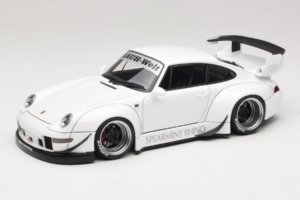

















TL;DR: Composite scale models combine diecast metal bodies with resin and plastic interior components, mainly in 1:18 from manufacturers including AUTOart. Coverage concentrates on supercars, hypercars, and JDM sports cars from the 1970s through the 2010s.
Composite construction occupies a specific middle ground in scale modeling: a metal body for weight and opening-feature durability, paired with resin or plastic detail work where pure metal casting would fall short.
AUTOart has built a strong reputation on this technique, using it to achieve interior dashboard textures, engine bay detail, and trim elements with more precision than a fully diecast approach typically allows, while still retaining opening doors, hoods, and trunks. That combination makes composite construction a distinct category from both pure diecast and sealed resin, sitting at an upper-mid tier that suits demanding supercar and hypercar subjects.
Modern supercars from Porsche, Lamborghini, and McLaren often feature complex interior layouts and engine bays that owners and enthusiasts expect to see accurately reproduced, given how central those details are to the real car's appeal. Composite construction lets a manufacturer chase that level of interior fidelity without sacrificing the opening features that diecast collectors expect on a 1:18 supercar.
A collector building a supercar-focused shelf benefits from comparing a composite piece against both a sealed resin version and a simpler diecast interpretation of the same subject, since the differences in interior detail and finish become immediately obvious side by side. That comparison is one of the clearest ways to understand what each construction method genuinely offers.
Composite construction combines a diecast metal body with resin or plastic components for interior and trim details, allowing more precise dashboard and engine bay reproduction than pure diecast while retaining opening doors, hoods, and trunks.
Sealed resin achieves sharper panel lines but sacrifices opening features entirely. Composite construction keeps those opening features while still achieving strong interior detail, making it a middle path between pure diecast and sealed resin.
Supercars and hypercars from Porsche, Lamborghini, and McLaren suit this approach well, since their complex interiors and engine bays benefit from the added precision composite construction allows over simpler diecast tooling.
Generally yes, composite construction sits at an upper-mid tier reflecting the added manufacturing complexity of combining materials, though it remains more accessible than fully hand-built resin specialist pricing.