New arrival

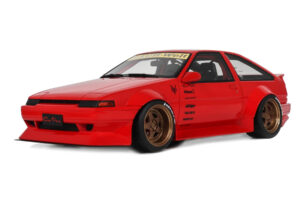
Porsche 911 964 RWB Kashiwa Blue GT Spirit 1:18
Price:
100.00 €
Material is the single most defining trait a scale model carries, shaping weight, opening features, surface precision and even display handling long before subject or scale enter the picture. This hub organizes the collecting landscape by construction material for collectors weighing the trade-offs directly.































































TL;DR: Scale model materials fall into three categories: diecast zinc alloy, sealed resin, and composite construction blending metal bodies with resin or plastic interiors. Each serves different collecting priorities, weight and opening features versus panel-line precision versus a balance of both.
Material shapes everything about how a scale model handles, displays and ages, which is why browsing by material rather than marque or scale gives collectors a genuinely useful lens. Diecast, resin and composite construction each answer a different question about what a model should prioritize.
Diecast models are cast from zinc alloy, giving them genuine heft in hand and the durability to survive occasional handling without damage. Most diecast models feature opening doors, hoods and trunks, revealing engine bay and interior detail that sealed construction cannot show. The trade-off comes at the panel lines themselves: hinges and moving parts require manufacturing clearance, which means diecast typically shows slightly wider shut lines than a sealed resin equivalent on the same subject. For collectors who value handling their models and displaying opened features, diecast remains the natural choice.
Resin models are cast as sealed bodies, meaning no doors, hoods or trunks open. This is a deliberate feature rather than a limitation: without moving parts to accommodate, resin achieves the tightest panel gaps and sharpest surface lines available in scale modeling. Resin is also considerably lighter than diecast, which makes handling more delicate but display presentation often more refined, particularly for subjects with complex curved bodywork where surface accuracy matters most. Resin production typically runs in smaller batches, which is part of why many investment-tier and limited-edition pieces use this construction method.
Composite construction pairs a metal body, often diecast, with a separately detailed resin or plastic interior, giving collectors opening features alongside more refined cabin detail than pure diecast typically achieves. This approach suits manufacturers targeting collectors who want both interactive elements and elevated interior fidelity, without committing fully to the sealed-body limitations of pure resin.
The right material depends entirely on what a collector values in a display. Collectors who enjoy handling models and showing off engine bay detail through opened panels lean toward diecast or composite construction. Collectors prioritizing a vitrine display where surface accuracy and panel-line sharpness matter most, particularly on subjects with dramatic curved bodywork, tend to favor sealed resin despite its lack of opening features.
Neither material is inherently better quality. Resin achieves tighter panel lines because it has no moving parts, while diecast offers durability and interactive opening features. The right choice depends on display priorities.
Resin production typically involves smaller batch runs and more hand finishing, which is why many limited-edition and investment-tier pieces use resin construction rather than mass-produced diecast.
Composite construction combines a diecast metal body with a resin or plastic interior, giving collectors opening features alongside more detailed cabin fidelity than pure diecast typically provides.
Yes, resin's lighter, more delicate construction benefits from glass-fronted vitrine display, while diecast's durability makes it more forgiving on open shelving where handling is more frequent.