


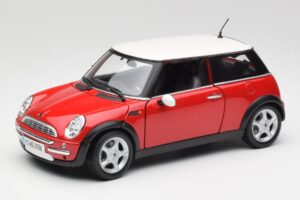
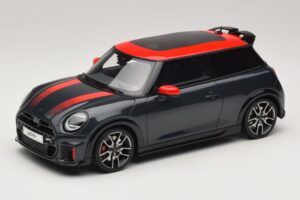

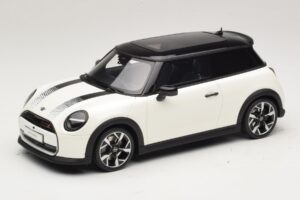
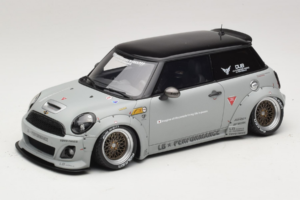









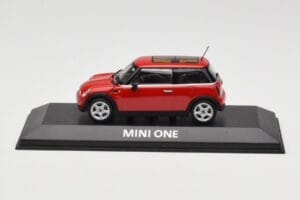
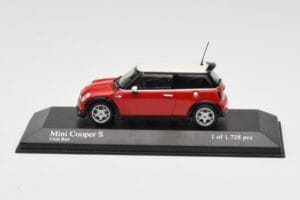
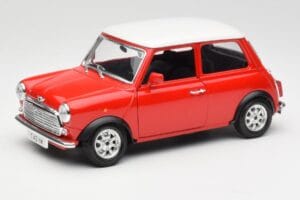
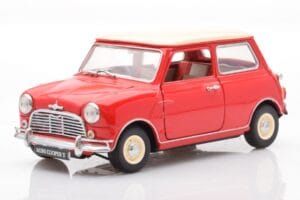

TL;DR: Mini scale models cover the classic Issigonis-era Cooper S through the modern BMW-built JCW generation, in 1:18 and 1:43 diecast and resin. Coverage spans hot hatches, convertibles, and the Countryman crossover, with entry-level diecast and enthusiast resin both represented across the range.
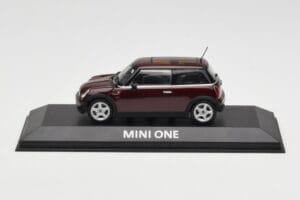
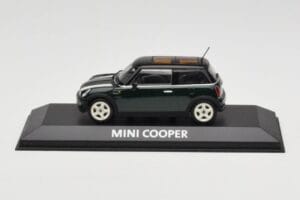
Few small cars carry as much motorsport pedigree as the Mini, and that dual identity, giant-killing rally car and everyday runabout, shapes how the scale model landscape is organized. A collector browsing Mini scale models is really choosing between two distinct eras: the boxy 1960s original and the rounder BMW-era hatchback launched in 2001.
Mini Scale Models Across Manufacturer Tiers
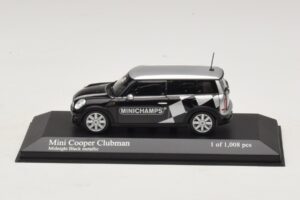
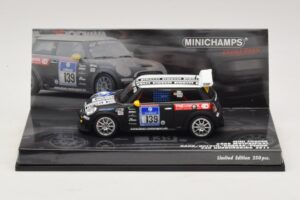
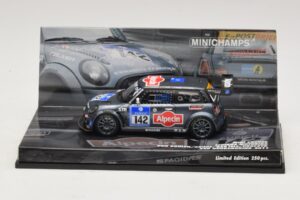
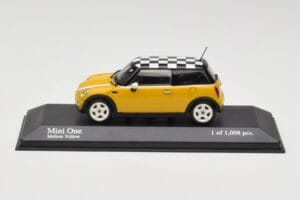
Minichamps anchors the upper tier here, with motorsport-grade precision applied to Monte Carlo liveries and factory specials. Otto works exclusively in sealed resin, its limited runs aimed at enthusiasts who want a body free of opening-panel seams and prize sharp shut lines over interior access. Kyosho occupies solid mid-tier ground in diecast, while Maisto and Bburago make the Cooper accessible at entry-level pricing, useful for anyone assembling a broad Mini timeline rather than a handful of hero pieces.
Monte Carlo Rally Heritage in the Classic Cooper S
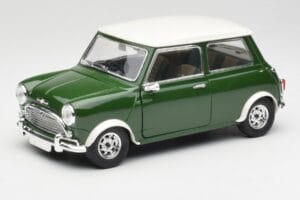
The Mini Cooper S won the Monte Carlo Rally outright in 1964, 1965, and 1967, upsetting far larger and more powerful cars on ice and snow with sheer agility. That underdog story is why 1960s liveries dominate the classic segment: the red-white livery of the '64 winner, the works team colors of later entries, each a compact, recognizable subject that photographs well on a crowded shelf. A model that gets the fog lamps, roof stripe, and rally-plate detailing right captures more of that story than raw panel accuracy alone.
From Hot Hatch to Compact SUV: Choosing a Body Style
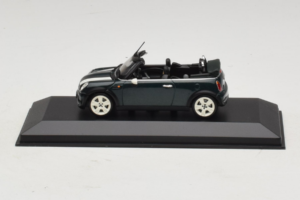
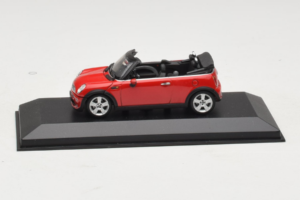
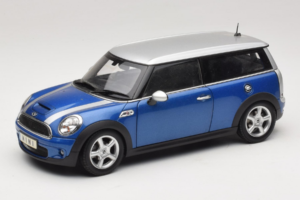
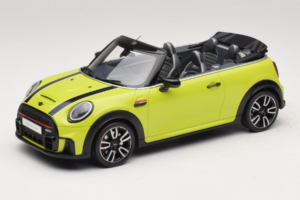
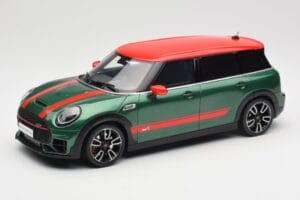
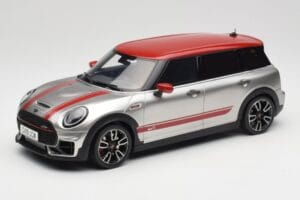
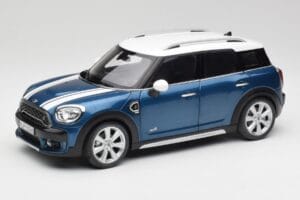
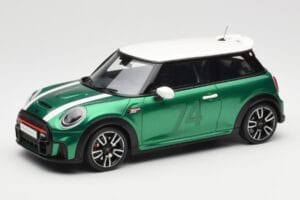
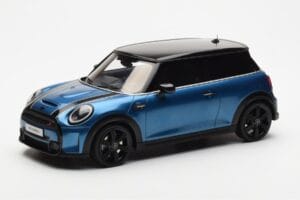
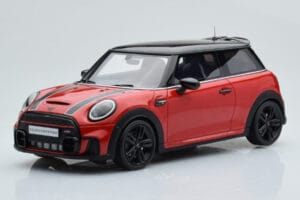
The modern range widens the subject considerably. The three-door hatch remains the core JCW performance model, the convertible adds open-top variety to a display, and the Countryman moves into compact sport SUV territory, a shape the classic Mini never offered. Factory Special editions, limited color and trim runs, give collectors a way to chase variety within a single generation rather than across decades.
- 1:18 scale: best for JCW hot hatches and convertibles where interior and engine bay detail matter.
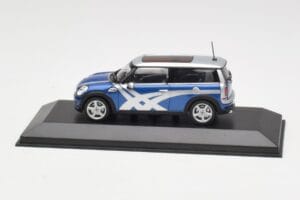
- 1:43 scale: practical for documenting multiple Monte Carlo liveries or Factory Specials on one shelf.
- Resin sealed bodies: sharper panel lines on classic Cooper subjects, at the cost of opening doors.
Building a Mini Collection
Most Mini collections settle into one of two shapes: a deep run of classic Cooper S rally liveries in 1:43, or a smaller group of modern JCW hero pieces in 1:18. Combining both eras on the same shelf works surprisingly well, since the silhouette, however updated, stays recognizably Mini across sixty years. Starting with one well-documented rally winner alongside one current JCW variant gives a clear sense of how the model landscape spans both.
Frequently Asked Questions
Which scale suits a Mini Cooper S rally model best?
1:18 shows off rally-plate and interior detail on a single hero car, while 1:43 lets a collector display several Monte Carlo liveries side by side without dominating shelf space. Many collectors run both, using 1:43 for breadth and 1:18 for a standout winner.
What separates resin Mini models from diecast versions?
Resin bodies from specialists like Otto are sealed, trading opening doors and hoods for tighter panel lines and a smoother paint finish. Diecast versions from Minichamps or Kyosho typically open, revealing interior and engine detail at a slight cost to surface sharpness.
Are classic and modern Mini models the same scale conventions?
Both eras appear in 1:18 and 1:43, so scale choice comes down to display goals rather than availability. A mixed-era shelf in one consistent scale reads as a coherent collection rather than two unrelated cars.
Where should a new Mini collector start?
A mid-tier Monte Carlo winner in 1:43 gives an affordable entry point with genuine motorsport history attached. From there, adding a modern JCW hatch in 1:18 builds a two-era foundation before chasing rarer Factory Specials.