TL;DR: Scale model types span standard production releases, limited editions with smaller print runs, and dedicated racing replicas documenting motorsport liveries. Each type serves a different collecting purpose, from broad accessibility to focused rarity and season-specific documentation.
Understanding model type helps collectors plan purchases around what actually matters to their collection: broad accessibility, deliberate rarity, or motorsport-specific documentation. Standard, limited edition and racing replicas each carry distinct collecting logic.
Standard Production Models
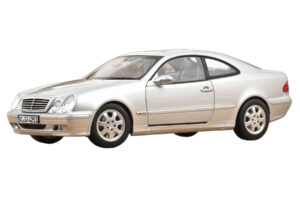
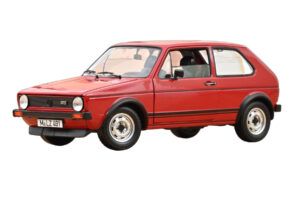
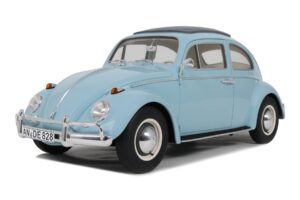
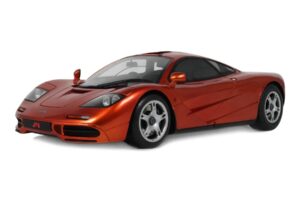
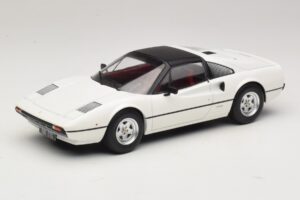
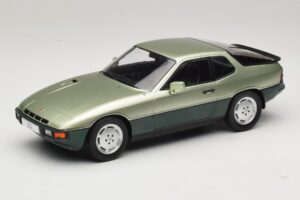
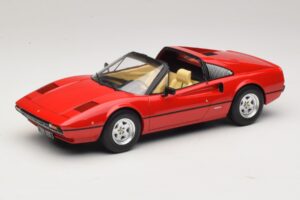
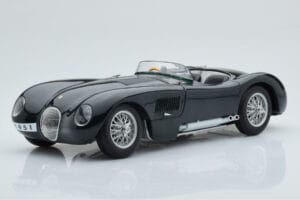
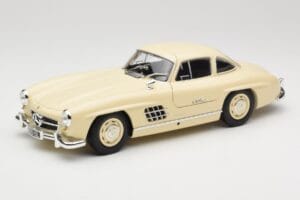
Standard releases form the backbone of most collections, produced in ongoing runs without the scarcity considerations that limited editions carry. These models remain available for extended periods, making them the practical foundation for collectors building broad marque or theme coverage without racing against a print run's end.
- Standard: ongoing production, broad availability, foundation of most collections.
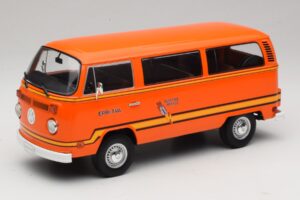
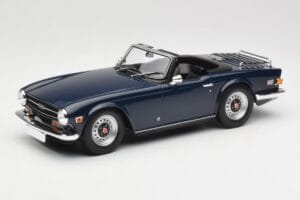
- Limited edition: smaller print runs, specific liveries or anniversary subjects.
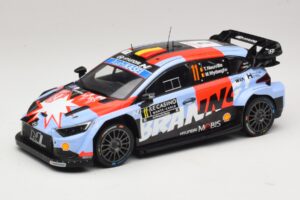
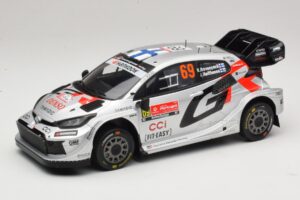
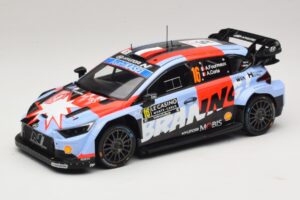
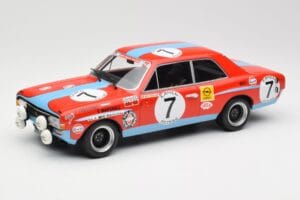
- Racing replica: motorsport-specific liveries documenting a season or event.
Limited Editions and Deliberate Scarcity
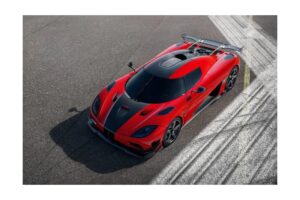
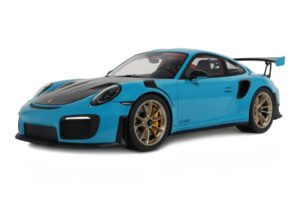
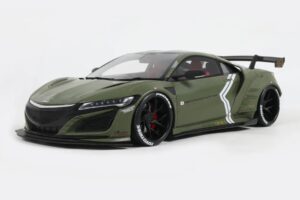
Limited edition models are produced in smaller, defined runs, often tied to a specific livery variant, anniversary, or collaboration subject that would not justify ongoing standard production. This scarcity is a deliberate collecting draw, and limited editions frequently anchor a themed display as the standout piece around which other, more common models are arranged.
Racing Replicas as Documentation
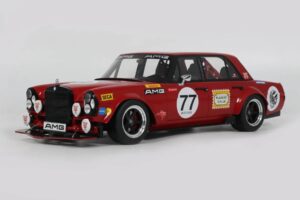
Racing replicas exist specifically to document a motorsport subject accurately, a particular car's livery from a specific season, event, or championship result. Unlike standard road-car releases, racing replicas depend entirely on livery and decal precision, since the entire value of the subject lies in correctly representing a documented competition entry.
Combining Model Types in One Collection
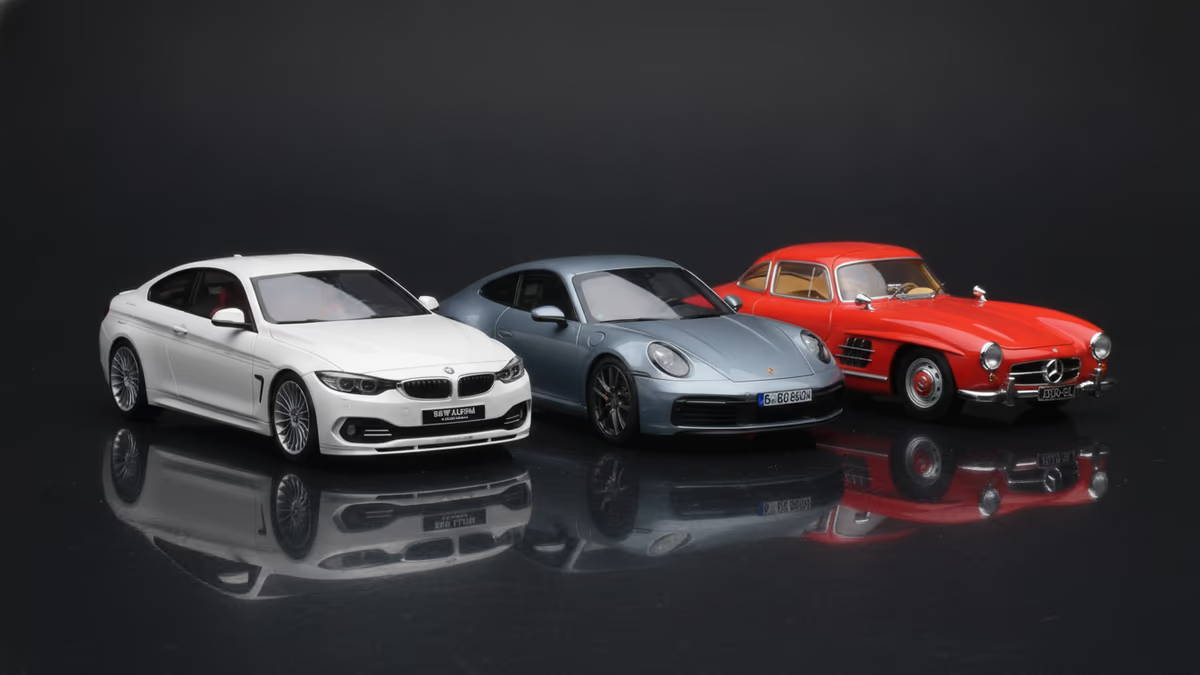
Most serious collections blend all three types deliberately: standard releases provide broad foundational coverage, limited editions supply standout anchor pieces, and racing replicas add motorsport documentation where relevant. Recognizing which type a specific model represents helps collectors set realistic expectations about future availability and pricing behavior.
Frequently Asked Questions
What distinguishes a limited edition from a standard model?
Limited editions are produced in smaller, defined runs tied to a specific livery, anniversary or collaboration, while standard models remain in ongoing production without that scarcity consideration.
Why do racing replicas depend so heavily on livery accuracy?
A racing replica's entire value lies in accurately documenting a specific competition entry, so correct sponsor decals and period-accurate colors matter more for this type than for standard road-car releases.
Should a new collector start with standard or limited edition models?
Standard models make a practical starting point since they remain available longer and provide broad foundational coverage before a collector commits to chasing specific limited edition subjects.
Can standard and limited edition models be displayed together?
Yes, many collections mix both deliberately, using standard releases for broad coverage and limited editions as standout pieces that anchor a themed display.