Porsche 906LH #32 Porsche System Engineering G. Schutz / P. De Klerk 24 Hours of Le Mans 1966 Minichamps 1:18
Sold out

1
/
8
Minichamps' 1:18 diecast reproduces the Porsche 906LH #32, the long-tail Carrera 6 that Porsche System Engineering entered at the 1966 24 Hours of Le Mans with G. Schutz and P. De Klerk. Gullwing doors, fiberglass-style body lines, and period livery detail make this a distinctive addition to any 1960s prototype collection.
1 / 8
[{"index":0,"id":"577810","thumb":"https:\/\/models118.com\/wp-content\/uploads\/2026\/06\/porsche-906lh-porsche-system-engineering-n32-gschutz-pde-klerk-24h-lm-1966-minichamps-1-18-300x200.jpg","medium":"https:\/\/models118.com\/wp-content\/uploads\/2026\/06\/porsche-906lh-porsche-system-engineering-n32-gschutz-pde-klerk-24h-lm-1966-minichamps-1-18-800x533.jpg","full":"https:\/\/models118.com\/wp-content\/uploads\/2026\/06\/porsche-906lh-porsche-system-engineering-n32-gschutz-pde-klerk-24h-lm-1966-minichamps-1-18.jpg","srcset":"https:\/\/models118.com\/wp-content\/uploads\/2026\/06\/porsche-906lh-porsche-system-engineering-n32-gschutz-pde-klerk-24h-lm-1966-minichamps-1-18-800x533.jpg 800w, https:\/\/models118.com\/wp-content\/uploads\/2026\/06\/porsche-906lh-porsche-system-engineering-n32-gschutz-pde-klerk-24h-lm-1966-minichamps-1-18-64x43.jpg 64w, https:\/\/models118.com\/wp-content\/uploads\/2026\/06\/porsche-906lh-porsche-system-engineering-n32-gschutz-pde-klerk-24h-lm-1966-minichamps-1-18-300x200.jpg 300w, https:\/\/models118.com\/wp-content\/uploads\/2026\/06\/porsche-906lh-porsche-system-engineering-n32-gschutz-pde-klerk-24h-lm-1966-minichamps-1-18-480x320.jpg 480w, https:\/\/models118.com\/wp-content\/uploads\/2026\/06\/porsche-906lh-porsche-system-engineering-n32-gschutz-pde-klerk-24h-lm-1966-minichamps-1-18.jpg 1800w","sizes":"(max-width: 1023px) 400px, 640px","srcsetAvif":"https:\/\/models118.com\/wp-content\/uploads\/2026\/06\/porsche-906lh-porsche-system-engineering-n32-gschutz-pde-klerk-24h-lm-1966-minichamps-1-18-800x533.jpg.avif 800w, https:\/\/models118.com\/wp-content\/uploads\/2026\/06\/porsche-906lh-porsche-system-engineering-n32-gschutz-pde-klerk-24h-lm-1966-minichamps-1-18-64x43.jpg.avif 64w, https:\/\/models118.com\/wp-content\/uploads\/2026\/06\/porsche-906lh-porsche-system-engineering-n32-gschutz-pde-klerk-24h-lm-1966-minichamps-1-18-300x200.jpg.avif 300w, https:\/\/models118.com\/wp-content\/uploads\/2026\/06\/porsche-906lh-porsche-system-engineering-n32-gschutz-pde-klerk-24h-lm-1966-minichamps-1-18-480x320.jpg.avif 480w, https:\/\/models118.com\/wp-content\/uploads\/2026\/06\/porsche-906lh-porsche-system-engineering-n32-gschutz-pde-klerk-24h-lm-1966-minichamps-1-18.jpg.avif 1800w","srcsetWebp":"https:\/\/models118.com\/wp-content\/uploads\/2026\/06\/porsche-906lh-porsche-system-engineering-n32-gschutz-pde-klerk-24h-lm-1966-minichamps-1-18-800x533.jpg.webp 800w, https:\/\/models118.com\/wp-content\/uploads\/2026\/06\/porsche-906lh-porsche-system-engineering-n32-gschutz-pde-klerk-24h-lm-1966-minichamps-1-18-64x43.jpg.webp 64w, https:\/\/models118.com\/wp-content\/uploads\/2026\/06\/porsche-906lh-porsche-system-engineering-n32-gschutz-pde-klerk-24h-lm-1966-minichamps-1-18-300x200.jpg.webp 300w, https:\/\/models118.com\/wp-content\/uploads\/2026\/06\/porsche-906lh-porsche-system-engineering-n32-gschutz-pde-klerk-24h-lm-1966-minichamps-1-18-480x320.jpg.webp 480w, https:\/\/models118.com\/wp-content\/uploads\/2026\/06\/porsche-906lh-porsche-system-engineering-n32-gschutz-pde-klerk-24h-lm-1966-minichamps-1-18.jpg.webp 1800w","alt":"Porsche 906LH #32 Porsche System Engineering G. Schutz \/ P. De Klerk 24 Hours of Le Mans 1966 Minichamps 1:18 100666132 Dieca"},{"index":1,"id":577970,"thumb":"https:\/\/models118.com\/wp-content\/uploads\/2026\/06\/porsche-906lh-porsche-system-engineering-n32-gschutz-pde-klerk-24h-lm-1966-minichamps-1-18-1-300x200.jpg","medium":"https:\/\/models118.com\/wp-content\/uploads\/2026\/06\/porsche-906lh-porsche-system-engineering-n32-gschutz-pde-klerk-24h-lm-1966-minichamps-1-18-1-800x533.jpg","full":"https:\/\/models118.com\/wp-content\/uploads\/2026\/06\/porsche-906lh-porsche-system-engineering-n32-gschutz-pde-klerk-24h-lm-1966-minichamps-1-18-1.jpg","srcset":"https:\/\/models118.com\/wp-content\/uploads\/2026\/06\/porsche-906lh-porsche-system-engineering-n32-gschutz-pde-klerk-24h-lm-1966-minichamps-1-18-1-800x533.jpg 800w, https:\/\/models118.com\/wp-content\/uploads\/2026\/06\/porsche-906lh-porsche-system-engineering-n32-gschutz-pde-klerk-24h-lm-1966-minichamps-1-18-1-64x43.jpg 64w, https:\/\/models118.com\/wp-content\/uploads\/2026\/06\/porsche-906lh-porsche-system-engineering-n32-gschutz-pde-klerk-24h-lm-1966-minichamps-1-18-1-300x200.jpg 300w, https:\/\/models118.com\/wp-content\/uploads\/2026\/06\/porsche-906lh-porsche-system-engineering-n32-gschutz-pde-klerk-24h-lm-1966-minichamps-1-18-1.jpg 1800w","sizes":"(max-width: 1023px) 400px, 640px","srcsetAvif":"https:\/\/models118.com\/wp-content\/uploads\/2026\/06\/porsche-906lh-porsche-system-engineering-n32-gschutz-pde-klerk-24h-lm-1966-minichamps-1-18-1-800x533.jpg.avif 800w, https:\/\/models118.com\/wp-content\/uploads\/2026\/06\/porsche-906lh-porsche-system-engineering-n32-gschutz-pde-klerk-24h-lm-1966-minichamps-1-18-1-64x43.jpg.avif 64w, https:\/\/models118.com\/wp-content\/uploads\/2026\/06\/porsche-906lh-porsche-system-engineering-n32-gschutz-pde-klerk-24h-lm-1966-minichamps-1-18-1-300x200.jpg.avif 300w, https:\/\/models118.com\/wp-content\/uploads\/2026\/06\/porsche-906lh-porsche-system-engineering-n32-gschutz-pde-klerk-24h-lm-1966-minichamps-1-18-1.jpg.avif 1800w","srcsetWebp":"https:\/\/models118.com\/wp-content\/uploads\/2026\/06\/porsche-906lh-porsche-system-engineering-n32-gschutz-pde-klerk-24h-lm-1966-minichamps-1-18-1-800x533.jpg.webp 800w, https:\/\/models118.com\/wp-content\/uploads\/2026\/06\/porsche-906lh-porsche-system-engineering-n32-gschutz-pde-klerk-24h-lm-1966-minichamps-1-18-1-64x43.jpg.webp 64w, https:\/\/models118.com\/wp-content\/uploads\/2026\/06\/porsche-906lh-porsche-system-engineering-n32-gschutz-pde-klerk-24h-lm-1966-minichamps-1-18-1-300x200.jpg.webp 300w, https:\/\/models118.com\/wp-content\/uploads\/2026\/06\/porsche-906lh-porsche-system-engineering-n32-gschutz-pde-klerk-24h-lm-1966-minichamps-1-18-1.jpg.webp 1800w","alt":"Porsche 906LH #32 Porsche System Engineering G. Schutz \/ P. De Klerk 24 Hours of Le Mans 1966 Minichamps 1:18 100666132 Dieca - image 2 of 8"},{"index":2,"id":578128,"thumb":"https:\/\/models118.com\/wp-content\/uploads\/2026\/06\/porsche-906lh-porsche-system-engineering-n32-gschutz-pde-klerk-24h-lm-1966-minichamps-1-18-2-300x200.jpg","medium":"https:\/\/models118.com\/wp-content\/uploads\/2026\/06\/porsche-906lh-porsche-system-engineering-n32-gschutz-pde-klerk-24h-lm-1966-minichamps-1-18-2-800x533.jpg","full":"https:\/\/models118.com\/wp-content\/uploads\/2026\/06\/porsche-906lh-porsche-system-engineering-n32-gschutz-pde-klerk-24h-lm-1966-minichamps-1-18-2.jpg","srcset":"https:\/\/models118.com\/wp-content\/uploads\/2026\/06\/porsche-906lh-porsche-system-engineering-n32-gschutz-pde-klerk-24h-lm-1966-minichamps-1-18-2-800x533.jpg 800w, https:\/\/models118.com\/wp-content\/uploads\/2026\/06\/porsche-906lh-porsche-system-engineering-n32-gschutz-pde-klerk-24h-lm-1966-minichamps-1-18-2-64x43.jpg 64w, https:\/\/models118.com\/wp-content\/uploads\/2026\/06\/porsche-906lh-porsche-system-engineering-n32-gschutz-pde-klerk-24h-lm-1966-minichamps-1-18-2-300x200.jpg 300w, https:\/\/models118.com\/wp-content\/uploads\/2026\/06\/porsche-906lh-porsche-system-engineering-n32-gschutz-pde-klerk-24h-lm-1966-minichamps-1-18-2.jpg 1800w","sizes":"(max-width: 1023px) 400px, 640px","srcsetAvif":"https:\/\/models118.com\/wp-content\/uploads\/2026\/06\/porsche-906lh-porsche-system-engineering-n32-gschutz-pde-klerk-24h-lm-1966-minichamps-1-18-2-800x533.jpg.avif 800w, https:\/\/models118.com\/wp-content\/uploads\/2026\/06\/porsche-906lh-porsche-system-engineering-n32-gschutz-pde-klerk-24h-lm-1966-minichamps-1-18-2-64x43.jpg.avif 64w, https:\/\/models118.com\/wp-content\/uploads\/2026\/06\/porsche-906lh-porsche-system-engineering-n32-gschutz-pde-klerk-24h-lm-1966-minichamps-1-18-2-300x200.jpg.avif 300w, https:\/\/models118.com\/wp-content\/uploads\/2026\/06\/porsche-906lh-porsche-system-engineering-n32-gschutz-pde-klerk-24h-lm-1966-minichamps-1-18-2.jpg.avif 1800w","srcsetWebp":"https:\/\/models118.com\/wp-content\/uploads\/2026\/06\/porsche-906lh-porsche-system-engineering-n32-gschutz-pde-klerk-24h-lm-1966-minichamps-1-18-2-800x533.jpg.webp 800w, https:\/\/models118.com\/wp-content\/uploads\/2026\/06\/porsche-906lh-porsche-system-engineering-n32-gschutz-pde-klerk-24h-lm-1966-minichamps-1-18-2-64x43.jpg.webp 64w, https:\/\/models118.com\/wp-content\/uploads\/2026\/06\/porsche-906lh-porsche-system-engineering-n32-gschutz-pde-klerk-24h-lm-1966-minichamps-1-18-2-300x200.jpg.webp 300w, https:\/\/models118.com\/wp-content\/uploads\/2026\/06\/porsche-906lh-porsche-system-engineering-n32-gschutz-pde-klerk-24h-lm-1966-minichamps-1-18-2.jpg.webp 1800w","alt":"Porsche 906LH #32 Porsche System Engineering G. Schutz \/ P. De Klerk 24 Hours of Le Mans 1966 Minichamps 1:18 100666132 Dieca - image 3 of 8"},{"index":3,"id":578263,"thumb":"https:\/\/models118.com\/wp-content\/uploads\/2026\/06\/porsche-906lh-porsche-system-engineering-n32-gschutz-pde-klerk-24h-lm-1966-minichamps-1-18-3-300x200.jpg","medium":"https:\/\/models118.com\/wp-content\/uploads\/2026\/06\/porsche-906lh-porsche-system-engineering-n32-gschutz-pde-klerk-24h-lm-1966-minichamps-1-18-3-800x533.jpg","full":"https:\/\/models118.com\/wp-content\/uploads\/2026\/06\/porsche-906lh-porsche-system-engineering-n32-gschutz-pde-klerk-24h-lm-1966-minichamps-1-18-3.jpg","srcset":"https:\/\/models118.com\/wp-content\/uploads\/2026\/06\/porsche-906lh-porsche-system-engineering-n32-gschutz-pde-klerk-24h-lm-1966-minichamps-1-18-3-800x533.jpg 800w, https:\/\/models118.com\/wp-content\/uploads\/2026\/06\/porsche-906lh-porsche-system-engineering-n32-gschutz-pde-klerk-24h-lm-1966-minichamps-1-18-3-64x43.jpg 64w, https:\/\/models118.com\/wp-content\/uploads\/2026\/06\/porsche-906lh-porsche-system-engineering-n32-gschutz-pde-klerk-24h-lm-1966-minichamps-1-18-3-300x200.jpg 300w, https:\/\/models118.com\/wp-content\/uploads\/2026\/06\/porsche-906lh-porsche-system-engineering-n32-gschutz-pde-klerk-24h-lm-1966-minichamps-1-18-3.jpg 1800w","sizes":"(max-width: 1023px) 400px, 640px","srcsetAvif":"https:\/\/models118.com\/wp-content\/uploads\/2026\/06\/porsche-906lh-porsche-system-engineering-n32-gschutz-pde-klerk-24h-lm-1966-minichamps-1-18-3-800x533.jpg.avif 800w, https:\/\/models118.com\/wp-content\/uploads\/2026\/06\/porsche-906lh-porsche-system-engineering-n32-gschutz-pde-klerk-24h-lm-1966-minichamps-1-18-3-64x43.jpg.avif 64w, https:\/\/models118.com\/wp-content\/uploads\/2026\/06\/porsche-906lh-porsche-system-engineering-n32-gschutz-pde-klerk-24h-lm-1966-minichamps-1-18-3-300x200.jpg.avif 300w, https:\/\/models118.com\/wp-content\/uploads\/2026\/06\/porsche-906lh-porsche-system-engineering-n32-gschutz-pde-klerk-24h-lm-1966-minichamps-1-18-3.jpg.avif 1800w","srcsetWebp":"https:\/\/models118.com\/wp-content\/uploads\/2026\/06\/porsche-906lh-porsche-system-engineering-n32-gschutz-pde-klerk-24h-lm-1966-minichamps-1-18-3-800x533.jpg.webp 800w, https:\/\/models118.com\/wp-content\/uploads\/2026\/06\/porsche-906lh-porsche-system-engineering-n32-gschutz-pde-klerk-24h-lm-1966-minichamps-1-18-3-64x43.jpg.webp 64w, https:\/\/models118.com\/wp-content\/uploads\/2026\/06\/porsche-906lh-porsche-system-engineering-n32-gschutz-pde-klerk-24h-lm-1966-minichamps-1-18-3-300x200.jpg.webp 300w, https:\/\/models118.com\/wp-content\/uploads\/2026\/06\/porsche-906lh-porsche-system-engineering-n32-gschutz-pde-klerk-24h-lm-1966-minichamps-1-18-3.jpg.webp 1800w","alt":"Porsche 906LH #32 Porsche System Engineering G. Schutz \/ P. De Klerk 24 Hours of Le Mans 1966 Minichamps 1:18 100666132 Dieca - image 4 of 8"},{"index":4,"id":578404,"thumb":"https:\/\/models118.com\/wp-content\/uploads\/2026\/06\/porsche-906lh-porsche-system-engineering-n32-gschutz-pde-klerk-24h-lm-1966-minichamps-1-18-4-300x200.jpg","medium":"https:\/\/models118.com\/wp-content\/uploads\/2026\/06\/porsche-906lh-porsche-system-engineering-n32-gschutz-pde-klerk-24h-lm-1966-minichamps-1-18-4-800x533.jpg","full":"https:\/\/models118.com\/wp-content\/uploads\/2026\/06\/porsche-906lh-porsche-system-engineering-n32-gschutz-pde-klerk-24h-lm-1966-minichamps-1-18-4.jpg","srcset":"https:\/\/models118.com\/wp-content\/uploads\/2026\/06\/porsche-906lh-porsche-system-engineering-n32-gschutz-pde-klerk-24h-lm-1966-minichamps-1-18-4-800x533.jpg 800w, https:\/\/models118.com\/wp-content\/uploads\/2026\/06\/porsche-906lh-porsche-system-engineering-n32-gschutz-pde-klerk-24h-lm-1966-minichamps-1-18-4-64x43.jpg 64w, https:\/\/models118.com\/wp-content\/uploads\/2026\/06\/porsche-906lh-porsche-system-engineering-n32-gschutz-pde-klerk-24h-lm-1966-minichamps-1-18-4-300x200.jpg 300w, https:\/\/models118.com\/wp-content\/uploads\/2026\/06\/porsche-906lh-porsche-system-engineering-n32-gschutz-pde-klerk-24h-lm-1966-minichamps-1-18-4.jpg 1800w","sizes":"(max-width: 1023px) 400px, 640px","srcsetAvif":"https:\/\/models118.com\/wp-content\/uploads\/2026\/06\/porsche-906lh-porsche-system-engineering-n32-gschutz-pde-klerk-24h-lm-1966-minichamps-1-18-4-800x533.jpg.avif 800w, https:\/\/models118.com\/wp-content\/uploads\/2026\/06\/porsche-906lh-porsche-system-engineering-n32-gschutz-pde-klerk-24h-lm-1966-minichamps-1-18-4-64x43.jpg.avif 64w, https:\/\/models118.com\/wp-content\/uploads\/2026\/06\/porsche-906lh-porsche-system-engineering-n32-gschutz-pde-klerk-24h-lm-1966-minichamps-1-18-4-300x200.jpg.avif 300w, https:\/\/models118.com\/wp-content\/uploads\/2026\/06\/porsche-906lh-porsche-system-engineering-n32-gschutz-pde-klerk-24h-lm-1966-minichamps-1-18-4.jpg.avif 1800w","srcsetWebp":"https:\/\/models118.com\/wp-content\/uploads\/2026\/06\/porsche-906lh-porsche-system-engineering-n32-gschutz-pde-klerk-24h-lm-1966-minichamps-1-18-4-800x533.jpg.webp 800w, https:\/\/models118.com\/wp-content\/uploads\/2026\/06\/porsche-906lh-porsche-system-engineering-n32-gschutz-pde-klerk-24h-lm-1966-minichamps-1-18-4-64x43.jpg.webp 64w, https:\/\/models118.com\/wp-content\/uploads\/2026\/06\/porsche-906lh-porsche-system-engineering-n32-gschutz-pde-klerk-24h-lm-1966-minichamps-1-18-4-300x200.jpg.webp 300w, https:\/\/models118.com\/wp-content\/uploads\/2026\/06\/porsche-906lh-porsche-system-engineering-n32-gschutz-pde-klerk-24h-lm-1966-minichamps-1-18-4.jpg.webp 1800w","alt":"Porsche 906LH #32 Porsche System Engineering G. Schutz \/ P. De Klerk 24 Hours of Le Mans 1966 Minichamps 1:18 100666132 Dieca - image 5 of 8"},{"index":5,"id":578482,"thumb":"https:\/\/models118.com\/wp-content\/uploads\/2026\/06\/porsche-906lh-porsche-system-engineering-n32-gschutz-pde-klerk-24h-lm-1966-minichamps-1-18-5-300x200.jpg","medium":"https:\/\/models118.com\/wp-content\/uploads\/2026\/06\/porsche-906lh-porsche-system-engineering-n32-gschutz-pde-klerk-24h-lm-1966-minichamps-1-18-5-800x533.jpg","full":"https:\/\/models118.com\/wp-content\/uploads\/2026\/06\/porsche-906lh-porsche-system-engineering-n32-gschutz-pde-klerk-24h-lm-1966-minichamps-1-18-5.jpg","srcset":"https:\/\/models118.com\/wp-content\/uploads\/2026\/06\/porsche-906lh-porsche-system-engineering-n32-gschutz-pde-klerk-24h-lm-1966-minichamps-1-18-5-800x533.jpg 800w, https:\/\/models118.com\/wp-content\/uploads\/2026\/06\/porsche-906lh-porsche-system-engineering-n32-gschutz-pde-klerk-24h-lm-1966-minichamps-1-18-5-64x43.jpg 64w, https:\/\/models118.com\/wp-content\/uploads\/2026\/06\/porsche-906lh-porsche-system-engineering-n32-gschutz-pde-klerk-24h-lm-1966-minichamps-1-18-5-300x200.jpg 300w, https:\/\/models118.com\/wp-content\/uploads\/2026\/06\/porsche-906lh-porsche-system-engineering-n32-gschutz-pde-klerk-24h-lm-1966-minichamps-1-18-5.jpg 1800w","sizes":"(max-width: 1023px) 400px, 640px","srcsetAvif":"https:\/\/models118.com\/wp-content\/uploads\/2026\/06\/porsche-906lh-porsche-system-engineering-n32-gschutz-pde-klerk-24h-lm-1966-minichamps-1-18-5-800x533.jpg.avif 800w, https:\/\/models118.com\/wp-content\/uploads\/2026\/06\/porsche-906lh-porsche-system-engineering-n32-gschutz-pde-klerk-24h-lm-1966-minichamps-1-18-5-64x43.jpg.avif 64w, https:\/\/models118.com\/wp-content\/uploads\/2026\/06\/porsche-906lh-porsche-system-engineering-n32-gschutz-pde-klerk-24h-lm-1966-minichamps-1-18-5-300x200.jpg.avif 300w, https:\/\/models118.com\/wp-content\/uploads\/2026\/06\/porsche-906lh-porsche-system-engineering-n32-gschutz-pde-klerk-24h-lm-1966-minichamps-1-18-5.jpg.avif 1800w","srcsetWebp":"https:\/\/models118.com\/wp-content\/uploads\/2026\/06\/porsche-906lh-porsche-system-engineering-n32-gschutz-pde-klerk-24h-lm-1966-minichamps-1-18-5-800x533.jpg.webp 800w, https:\/\/models118.com\/wp-content\/uploads\/2026\/06\/porsche-906lh-porsche-system-engineering-n32-gschutz-pde-klerk-24h-lm-1966-minichamps-1-18-5-64x43.jpg.webp 64w, https:\/\/models118.com\/wp-content\/uploads\/2026\/06\/porsche-906lh-porsche-system-engineering-n32-gschutz-pde-klerk-24h-lm-1966-minichamps-1-18-5-300x200.jpg.webp 300w, https:\/\/models118.com\/wp-content\/uploads\/2026\/06\/porsche-906lh-porsche-system-engineering-n32-gschutz-pde-klerk-24h-lm-1966-minichamps-1-18-5.jpg.webp 1800w","alt":"Porsche 906LH #32 Porsche System Engineering G. Schutz \/ P. De Klerk 24 Hours of Le Mans 1966 Minichamps 1:18 100666132 Dieca - image 6 of 8"},{"index":6,"id":578624,"thumb":"https:\/\/models118.com\/wp-content\/uploads\/2026\/06\/porsche-906lh-porsche-system-engineering-n32-gschutz-pde-klerk-24h-lm-1966-minichamps-1-18-6-300x200.jpg","medium":"https:\/\/models118.com\/wp-content\/uploads\/2026\/06\/porsche-906lh-porsche-system-engineering-n32-gschutz-pde-klerk-24h-lm-1966-minichamps-1-18-6-800x533.jpg","full":"https:\/\/models118.com\/wp-content\/uploads\/2026\/06\/porsche-906lh-porsche-system-engineering-n32-gschutz-pde-klerk-24h-lm-1966-minichamps-1-18-6.jpg","srcset":"https:\/\/models118.com\/wp-content\/uploads\/2026\/06\/porsche-906lh-porsche-system-engineering-n32-gschutz-pde-klerk-24h-lm-1966-minichamps-1-18-6-800x533.jpg 800w, https:\/\/models118.com\/wp-content\/uploads\/2026\/06\/porsche-906lh-porsche-system-engineering-n32-gschutz-pde-klerk-24h-lm-1966-minichamps-1-18-6-64x43.jpg 64w, https:\/\/models118.com\/wp-content\/uploads\/2026\/06\/porsche-906lh-porsche-system-engineering-n32-gschutz-pde-klerk-24h-lm-1966-minichamps-1-18-6-300x200.jpg 300w, https:\/\/models118.com\/wp-content\/uploads\/2026\/06\/porsche-906lh-porsche-system-engineering-n32-gschutz-pde-klerk-24h-lm-1966-minichamps-1-18-6.jpg 1800w","sizes":"(max-width: 1023px) 400px, 640px","srcsetAvif":"https:\/\/models118.com\/wp-content\/uploads\/2026\/06\/porsche-906lh-porsche-system-engineering-n32-gschutz-pde-klerk-24h-lm-1966-minichamps-1-18-6-800x533.jpg.avif 800w, https:\/\/models118.com\/wp-content\/uploads\/2026\/06\/porsche-906lh-porsche-system-engineering-n32-gschutz-pde-klerk-24h-lm-1966-minichamps-1-18-6-64x43.jpg.avif 64w, https:\/\/models118.com\/wp-content\/uploads\/2026\/06\/porsche-906lh-porsche-system-engineering-n32-gschutz-pde-klerk-24h-lm-1966-minichamps-1-18-6-300x200.jpg.avif 300w, https:\/\/models118.com\/wp-content\/uploads\/2026\/06\/porsche-906lh-porsche-system-engineering-n32-gschutz-pde-klerk-24h-lm-1966-minichamps-1-18-6.jpg.avif 1800w","srcsetWebp":"https:\/\/models118.com\/wp-content\/uploads\/2026\/06\/porsche-906lh-porsche-system-engineering-n32-gschutz-pde-klerk-24h-lm-1966-minichamps-1-18-6-800x533.jpg.webp 800w, https:\/\/models118.com\/wp-content\/uploads\/2026\/06\/porsche-906lh-porsche-system-engineering-n32-gschutz-pde-klerk-24h-lm-1966-minichamps-1-18-6-64x43.jpg.webp 64w, https:\/\/models118.com\/wp-content\/uploads\/2026\/06\/porsche-906lh-porsche-system-engineering-n32-gschutz-pde-klerk-24h-lm-1966-minichamps-1-18-6-300x200.jpg.webp 300w, https:\/\/models118.com\/wp-content\/uploads\/2026\/06\/porsche-906lh-porsche-system-engineering-n32-gschutz-pde-klerk-24h-lm-1966-minichamps-1-18-6.jpg.webp 1800w","alt":"Porsche 906LH #32 Porsche System Engineering G. Schutz \/ P. De Klerk 24 Hours of Le Mans 1966 Minichamps 1:18 100666132 Dieca - image 7 of 8"},{"index":7,"id":578767,"thumb":"https:\/\/models118.com\/wp-content\/uploads\/2026\/06\/porsche-906lh-porsche-system-engineering-n32-gschutz-pde-klerk-24h-lm-1966-minichamps-1-18-7-300x200.jpg","medium":"https:\/\/models118.com\/wp-content\/uploads\/2026\/06\/porsche-906lh-porsche-system-engineering-n32-gschutz-pde-klerk-24h-lm-1966-minichamps-1-18-7-800x533.jpg","full":"https:\/\/models118.com\/wp-content\/uploads\/2026\/06\/porsche-906lh-porsche-system-engineering-n32-gschutz-pde-klerk-24h-lm-1966-minichamps-1-18-7.jpg","srcset":"https:\/\/models118.com\/wp-content\/uploads\/2026\/06\/porsche-906lh-porsche-system-engineering-n32-gschutz-pde-klerk-24h-lm-1966-minichamps-1-18-7-800x533.jpg 800w, https:\/\/models118.com\/wp-content\/uploads\/2026\/06\/porsche-906lh-porsche-system-engineering-n32-gschutz-pde-klerk-24h-lm-1966-minichamps-1-18-7-64x43.jpg 64w, https:\/\/models118.com\/wp-content\/uploads\/2026\/06\/porsche-906lh-porsche-system-engineering-n32-gschutz-pde-klerk-24h-lm-1966-minichamps-1-18-7-300x200.jpg 300w, https:\/\/models118.com\/wp-content\/uploads\/2026\/06\/porsche-906lh-porsche-system-engineering-n32-gschutz-pde-klerk-24h-lm-1966-minichamps-1-18-7.jpg 1800w","sizes":"(max-width: 1023px) 400px, 640px","srcsetAvif":"https:\/\/models118.com\/wp-content\/uploads\/2026\/06\/porsche-906lh-porsche-system-engineering-n32-gschutz-pde-klerk-24h-lm-1966-minichamps-1-18-7-800x533.jpg.avif 800w, https:\/\/models118.com\/wp-content\/uploads\/2026\/06\/porsche-906lh-porsche-system-engineering-n32-gschutz-pde-klerk-24h-lm-1966-minichamps-1-18-7-64x43.jpg.avif 64w, https:\/\/models118.com\/wp-content\/uploads\/2026\/06\/porsche-906lh-porsche-system-engineering-n32-gschutz-pde-klerk-24h-lm-1966-minichamps-1-18-7-300x200.jpg.avif 300w, https:\/\/models118.com\/wp-content\/uploads\/2026\/06\/porsche-906lh-porsche-system-engineering-n32-gschutz-pde-klerk-24h-lm-1966-minichamps-1-18-7.jpg.avif 1800w","srcsetWebp":"https:\/\/models118.com\/wp-content\/uploads\/2026\/06\/porsche-906lh-porsche-system-engineering-n32-gschutz-pde-klerk-24h-lm-1966-minichamps-1-18-7-800x533.jpg.webp 800w, https:\/\/models118.com\/wp-content\/uploads\/2026\/06\/porsche-906lh-porsche-system-engineering-n32-gschutz-pde-klerk-24h-lm-1966-minichamps-1-18-7-64x43.jpg.webp 64w, https:\/\/models118.com\/wp-content\/uploads\/2026\/06\/porsche-906lh-porsche-system-engineering-n32-gschutz-pde-klerk-24h-lm-1966-minichamps-1-18-7-300x200.jpg.webp 300w, https:\/\/models118.com\/wp-content\/uploads\/2026\/06\/porsche-906lh-porsche-system-engineering-n32-gschutz-pde-klerk-24h-lm-1966-minichamps-1-18-7.jpg.webp 1800w","alt":"Porsche 906LH #32 Porsche System Engineering G. Schutz \/ P. De Klerk 24 Hours of Le Mans 1966 Minichamps 1:18 100666132 Dieca - image 8 of 8"}]
Porsche 906LH #32 Porsche System Engineering G. Schutz / P. De Klerk 24 Hours of Le Mans 1966 Minichamps 1:18
Current price:
228.00 €
Sold out
This model is currently sold out. Enter your email and we'll let you know when it's back in stock.
Shipping to 79 countries
Worldwide delivery
Prices incl. 23% VAT
No hidden costs
Shipping rates by country
Tracked & insured
Pay in EUR €
Local currency
Specifications
- Brand
- Porsche
- Manufacturer
- Minichamps
- Scale
- 1:18
- Material
- Diecast
- Model Condition
- Used Model
- SKU
- 100666132
- Year
- 1966
- Era
- 1960s
- Body Type
- Prototype Models
- Vehicle Class
- Le Mans Prototypes
- Openable Parts
- Yes
- Packaging Condition
- Traces of Storage
- Model Type
- Race Models
- EAN / GTIN
- 4012138106215
100% authentic
5-layer carton
Foam-filled interior
Easy returns
14 days, no questions asked
Secure payment
256-bit SSL encryption
About the Porsche 906LH #32 Porsche System Engineering G. Schutz / P. De Klerk 24 Hours of Le Mans 1966 Minichamps 1:18
TL;DR: Minichamps' 1:18 diecast Porsche 906LH #32 reproduces the long-tail Carrera 6 that Porsche System Engineering entered at the 1966 24 Hours of Le Mans, driven by G. Schutz and P. De Klerk. Gullwing doors and the streamlined tail built for Le Mans speed distinguish this from short-tail 906 variants.
The 906 arrived in 1966 as Porsche's answer to tightening FIA homologation rules, a mid-engine prototype wearing gullwing doors and a fiberglass body over a tubular spaceframe. This particular car wore the long-tail body built specifically for Le Mans's high-speed straights.
Porsche 906LH: The Long-Tail Le Mans Specification
A Body Built for the Mulsanne Straight
Porsche introduced the 906, badged Carrera 6 in some markets, to replace the aging 904 and to meet FIA Group 4 homologation rules for GT prototypes. The layout was mid-engine, wrapped in a fiberglass body over a lightweight tubular spaceframe, with gullwing doors that let drivers climb over the wide sills without disturbing the car's low, narrow cabin. For Le Mans, where the Mulsanne straight rewarded outright top speed over agility, Porsche fitted a small number of cars with the Langheck, or long-tail, bodywork this model reproduces.
Long Tail Versus Short Tail
The stretched, tapered rear section cut drag at the expense of some downforce, a trade Porsche judged worthwhile at Le Mans specifically. Short-tail 906K cars, built for tighter circuits like Sebring, kept the standard proportions instead. Running as part of the Porsche System Engineering entry, car #32 represented factory-level commitment to the 906 program, a step up from the private and semi-private efforts also running the chassis that season.
Minichamps' Diecast Rendering of Gullwing Doors and Period Livery
Hinges, Panel Lines, and Livery Print
The gullwing doors are this model's signature interactive feature, and Minichamps hinges them to swing upward and hold their position rather than drooping back down, a detail that matters because the real doors' geometry is part of what makes the 906 instantly recognizable. The body's fiberglass-era panel lines translate into clean, shallow seams, and the number 32 graphics sit flat and sharp rather than raised or blurred at the edges.
Diecast Versus Resin for This Subject
Diecast construction gives this racing subject the weight and the opening doors that a sealed resin casting could not offer, though resin alternatives for 1960s prototypes typically hold a slight edge in surface precision since there are no hinge tolerances to accommodate. For a subject built around a distinctive mechanical feature like gullwing doors, that trade favors diecast. Kept out of direct sunlight, the printed graphics resist fading far longer than the body color does, worth remembering under shelf lighting.
Porsche System Engineering and the Depth of the 1966 Le Mans Effort
A Factory Campaign Built on Depth
Porsche entered 1966's 24 Hours of Le Mans with several 906 chassis, a deliberate strategy of depth rather than a single headline car, chasing class honors in a race Ford's GT40 program dominated overall that year. G. Schutz and P. De Klerk shared driving duties on car #32, part of the factory-supported entry that gave the 906 program its most serious backing outside privateer efforts. Paired with other 1966 Porsche prototypes, it tells the story of a manufacturer's chances resting on several capable entries rather than one outright favorite.
From the same collection
Last one
Used
Last one
Back in stock
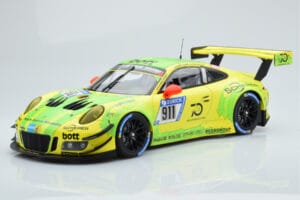
Porsche 911 GT3 R Manthey Racing #911 F. Scherer / K. Estre / R. Dumas / L. Vanthoor / E. Bamber 24 Hours of Nurburgring 2018 Minichamps 1:18
Only 1 left
Price:
137.00 €
Last one
Back in stock
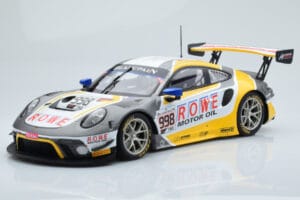
Porsche 911 GT3 R Rowe Racing #998 F. Makowiecki / A. Pilet / N. Tandy 2nd Place 24 Hours of Spa-Francorchamps 2019 Minichamps 1:18
Only 1 left
Price:
108.00 €
Last one
Used
Back in stock
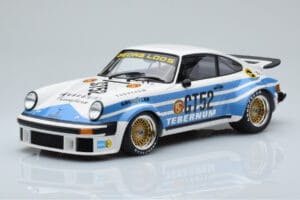
Porsche 911 934 Tebernum Racing Team #52 T. Schenken Nurburgring 300km 1976 Minichamps 1:18
Only 1 left
Price:
147.00 €
Last one
Used
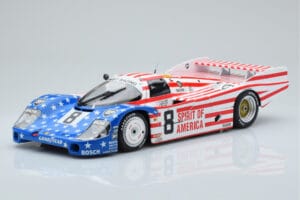
Porsche 956L Spirit of America #8 G. Follmer / J. Morton / K. Miller 24 Hours of Le Mans 1986 Minichamps 1:18
Only 1 left
Price:
119.00 €
Collectors also bought
Browse all 1:18
Used

Used
Last one
Used
Back in stock
Used

Ford Fiesta RS WRC Ford Abu Dhabi #3 M. Hirvonen / J. Lehtinen Winner Rally Australia 2011 Minichamps 1:18
Only 2 left
Price:
123.00 €
Last one
Used
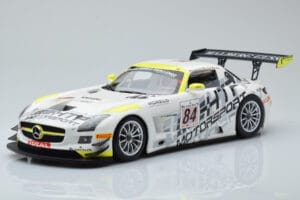
Mercedes SLS AMG GT3 HTP Motorsport Persson #84 B. Schneider / M. Buhk / M. Gotz Winners 24 Hours of Spa-Francorchamps 2013 Minichamps 1:18
Only 1 left
Price:
110.00 €
Last one
Back in stock
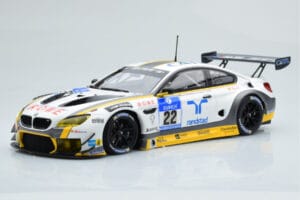
BMW M6 GT3 Rowe Racing #98 A. Graf / R. Westbrook / N. Catsburg / N. Paltalla 24 Hours of Nurburgring 2016 Minichamps 1:18
Only 1 left
Price:
169.00 €
Last one
Back in stock
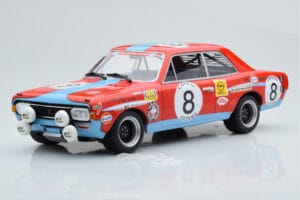
Opel Commodore A Steinmetz #8 Tuerlinx / T. Pilette 24 Hours of Spa 1972 Minichamps 1:18
Only 1 left
Price:
128.00 €
Used
Back in stock
Recently viewed
{"id":578878,"name":"Porsche 906LH #32 Porsche System Engineering G. Schutz \/ P. De Klerk 24 Hours of Le Mans 1966 Minichamps 1:18","price":"228.00 €<\/span><\/bdi><\/span>","image":"https:\/\/models118.com\/wp-content\/uploads\/2026\/06\/porsche-906lh-porsche-system-engineering-n32-gschutz-pde-klerk-24h-lm-1966-minichamps-1-18-400x400.jpg","permalink":"https:\/\/models118.com\/porsche-906lh-32-porsche-system-engineering-g-schutz-p-de-klerk-24-hours-of-le-mans-1966-minichamps-1-18-100666132\/","brand":"Porsche"}